
Best Garden Tillers for Small Gardens (2026): 3 Top Rated Picks Worth Buying
Disclosure: We may earn a commission when you buy through links on this page, at no extra cost to you. As an Amazon Associate I earn from qualifying purchases. Learn more

The best garden tiller for small gardens: a light Sun Joe electric, a premium Mantis with a Honda engine and a cordless Greenworks cultivator.
Turning over a small vegetable patch or a few flower beds by hand is slow, sore work, yet a big rear tine tiller is overkill for a backyard plot and a pain to store. Small gardens need a machine that is light enough to steer between rows, narrow enough to work close to plants and compact enough to hang in a shed. The best garden tiller for small gardens breaks up compacted soil, mixes in compost and then gets out of the way until next season.
We compared manufacturer specifications, the feedback of verified owners on Amazon, expert reviews and the price of each tiller against what it delivers. Our three picks cover every kind of small plot: a light corded Sun Joe that is easy to store, a premium Mantis with a Honda engine and a cordless Greenworks cultivator that frees you from both cords and fuel.






Our Top 3 Picks at a Glance
All three are built for beds and plots rather than acres, so the choice comes down to power source and budget.
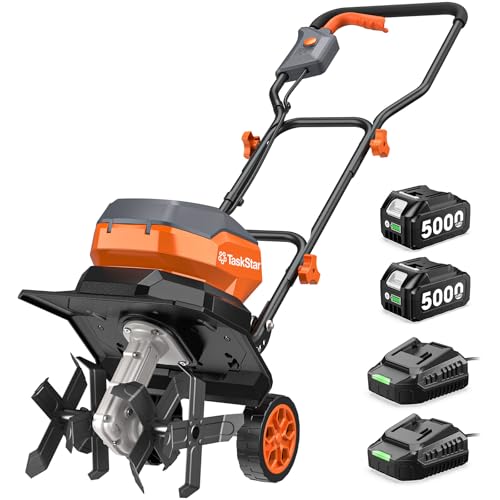
- Best Overall: Sun Joe TJ603E 12 Amp 16 Inch Electric Garden Tiller (around $140). Tills 16 inches wide and up to 8 inches deep, with six steel tines and a folding handle.
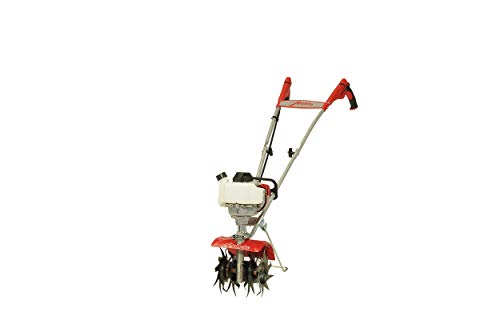
- Best Premium Pick: Mantis 7940 4 Cycle Tiller Cultivator Powered by Honda (around $490). About 24 pounds, a 25 cc Honda engine with no fuel mixing and tines that spin twice as fast as typical tillers.
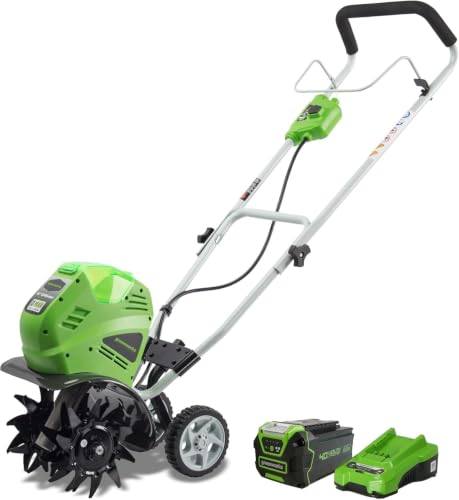
- Runner Up: Greenworks 40V 10 Inch Cordless Tiller/Cultivator (around $190). Adjustable 8.25 to 10 inch width, up to 45 minutes of runtime and no gas, oil or cord.
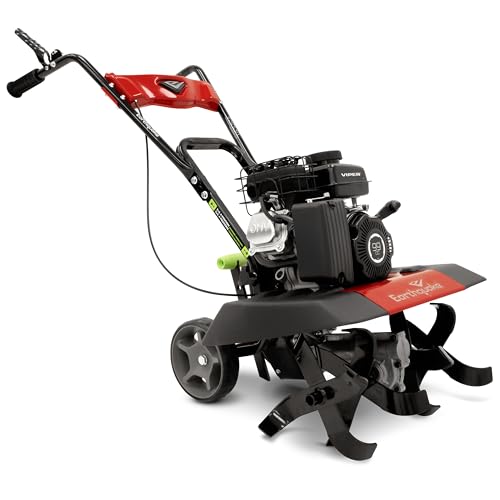
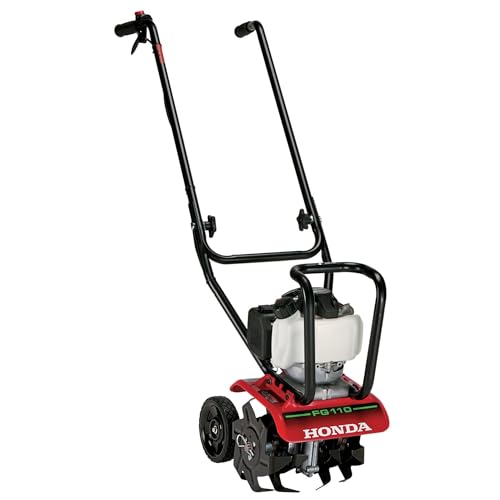
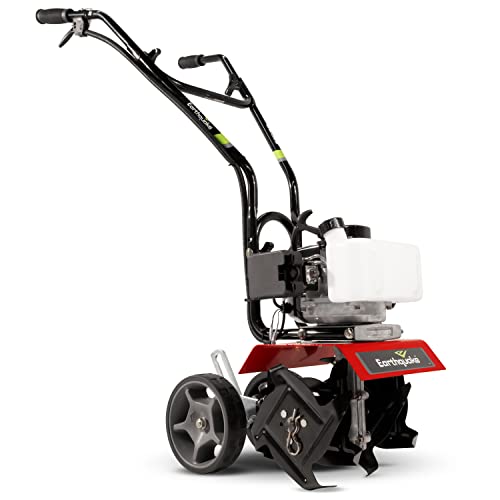
The product table above lists more tillers and cultivators from Honda, Earthquake, Ryobi, LawnMaster, WEN, Earthwise and others.
How We Chose the Best Garden Tiller for Small Gardens
We focused on what matters in tight spaces: weight, tilling width, depth control and how easily a tiller works around existing plants. We compared motor or engine power and tine design, then looked at owner feedback, favoring models that are well reviewed by a large base of buyers. Price was weighed against features such as folding handles, wheels and warranty, and every pick is a current model in stock on amazon.com.
Garden Tiller for Small Gardens Reviews
1. Sun Joe TJ603E 12 Amp 16 Inch Electric Garden Tiller: Best Overall
- Motor: 12 amp electric
- Tilling width: up to 16 inches
- Tilling depth: up to 8 inches
- Tines: 6 rust proof, angled steel tines
- Depth control: 3 position wheel adjustment
- Storage: folding handle
Why We Picked It
The Sun Joe TJ603E is our top choice for light electric tilling in small gardens because it does the basic job well and costs little to own. Its 12 amp motor drives six angled steel tines that work soil up to 16 inches wide and 8 inches deep, which is plenty for preparing a raised bed, a backyard vegetable patch or a strip along a fence.
Electric power is a natural match for small plots. There is no gas to store, no oil to change and no pull cord, so the tiller starts the moment you squeeze the switch. It also runs much quieter than a gas engine. The steel tines are rust proof, which helps if you store the machine in a damp shed or forget to clean off wet soil after a session.
The three position wheel adjustment lets you control depth and keeps the tiller steady as it moves forward. Light, loose soil can be worked at full depth, while compacted ground is easier to handle in two shallower passes. When you are finished, the handle folds down so the tiller fits on a shelf or in the corner of a garage, which is a real advantage when storage space is tight.
It is a proven design with years of owner feedback behind it. The limitations are the ones you would expect: a cord to manage and a little less power than Sun Joe's larger 13.5 amp model, so hard clay may need more passes.
Pros
- Low price and light weight
- Folding handle for easy storage
- Rust proof steel tines
- Proven model with a long track record
Cons
- Less power than the 13.5 amp TJ604E
- Extension cord needed
Who Should Buy It
The TJ603E suits gardeners with a small to medium vegetable plot or several beds within reach of an outdoor outlet. At around $140, it is the simplest way to stop digging by hand.

2. Mantis 7940 4 Cycle Tiller Cultivator Powered by Honda: Best Premium Pick
- Engine: Honda 25 cc, 4 cycle, gas only (no fuel mixing)
- Weight: about 24 pounds
- Tine speed: about twice that of other tillers, per Mantis
- Controls: finger controlled throttle with infinite speed control
- Extras: standard kickstand
- Warranty: 2 year limited, made in the USA
Why We Picked It
The Mantis 7940 is the premium lightweight tiller many gardeners eventually upgrade to, and it remains a standout for beds and small gardens. At about 24 pounds it is easy to lift into a raised bed or carry to the back of the yard, yet its Honda 4 cycle engine gives it far more punch than its size suggests.
Because the engine is a 4 cycle Honda, you fill it with regular gas and skip the oil mixing that two stroke tillers demand. Mantis says the tines spin at twice the speed of other tillers, which helps them chew through compacted soil and sod rather than bouncing across the surface. The finger controlled throttle offers infinite speed control, so you can creep carefully between rows of seedlings or open it up for fresh ground.
Its narrow footprint is ideal for working close to plants, along paths and inside raised beds where a 16 inch electric tiller would be clumsy. A standard kickstand keeps it stable when you stop to clear roots or rest, and it stores in a small space. Mantis builds the tiller in the United States and backs it with a two year limited warranty.
The trade offs are price and width. It costs several times more than electric models, and its narrow tilling path makes it slow on larger plots.
Pros
- Light yet powerful for its size
- 4 cycle Honda engine with no fuel mixing
- Precise throttle control around plants
- Built in the USA
Cons
- Pricey for a small tiller
- Narrow for big plots
Who Should Buy It
Choose the Mantis if you garden every season, work raised beds or tight rows, and want gas power without dragging a heavy machine. At around $490, it is built for gardeners who want a tool that lasts.
3. Greenworks 40V 10 Inch Cordless Tiller/Cultivator: Runner Up
- Power: 40V lithium ion, 4.0Ah battery and charger included
- Runtime: up to 45 minutes per charge
- Charge time: about 120 minutes
- Tilling width: adjustable, 8.25 to 10 inches
- Wheels: 6 inch rear wheels
- Warranty: 3 year tool and 3 year battery
Why We Picked It
A cordless cultivator makes a lot of sense in a small garden. There is no extension cord to drag through the beds and no engine to maintain, and the Greenworks 40V is one of the most established options. It breaks up hard, compacted soil into loose dirt ready for planting, which is exactly what most backyard gardeners need each spring.
The adjustable tilling width of 8.25 to 10 inches is narrow enough to fit between rows and inside raised beds, and the 6 inch rear wheels make it easy to steer and roll from bed to bed. A 4.0Ah battery provides up to 45 minutes of runtime, which covers a typical small plot in one session, and recharges in about two hours.
Maintenance is close to zero. There is no gas, no oil and no emissions, and Greenworks backs both tool and battery with a three year warranty. If you already own Greenworks 40V tools such as a trimmer or blower, the battery is shared, which adds value.
The narrower width and battery power mean it is best for cultivating and refreshing existing beds rather than breaking new ground through thick sod or heavy clay. For those jobs, a gas machine like the Mantis is stronger.
Pros
- No cord, gas or oil
- Narrow, adjustable width for tight beds
- Battery shared with Greenworks 40V tools
- Three year tool and battery warranty
Cons
- Runtime limits larger jobs
- Less suited to breaking new ground
Who Should Buy It
The Greenworks suits gardeners with raised beds or small plots far from an outlet who want quiet, tidy cultivation. At around $190 with battery and charger, it is a smart runner up.

Choosing a Garden Tiller for Small Gardens
Small spaces change the priorities. A huge tilling width matters far less than control and storage.
Compact and lightweight design
A tiller under about 30 pounds is easy to lift into raised beds and carry across the yard. Light machines are also less tiring to guide, though they may need extra passes in hard ground.
Precision around plants
Narrow tines and variable speed let you work between rows without damaging roots. A width of 8 to 10 inches suits established beds, while 16 inches is faster for open plots.
Easy storage
Folding handles and compact frames matter when your shed is already full. Electric and battery models also avoid storing fuel over winter, which is safer in an attached garage and removes the spring ritual of draining old gas.
It also helps to think about how often you will use the machine. Many small gardens only need tilling once or twice a year, in spring before planting and perhaps in fall when you mix in leaves or compost. In that case a simple, low maintenance tiller that starts every time is worth more than extra power you rarely use. If you add new beds every season or fight compacted ground, lean toward more power. Gardeners asking which garden tiller is best for small gardens with very heavy soil should also loosen the ground with a fork first and till in two shallow passes rather than one deep one.
How to Choose the Best Garden Tiller for Small Gardens
Use these points to narrow the field, whether you grow vegetables, flowers or both. If you are still asking what is the best garden tiller for small gardens for your soil, start with the job and the power source.
Tiller vs Cultivator
Tillers dig deeper and break new ground, while cultivators loosen and mix the top few inches of existing beds. Many small machines do both. If you mostly refresh beds each spring, a cultivator is enough.
Front Tine vs Rear Tine
Small gardens almost always call for front tine or mini tillers, which are light and nimble. Rear tine tillers are powerful but heavy and are better for large plots. Our guide to the best garden tiller covers larger machines.
Gas vs Electric vs Battery
Gas offers the most power and portability. Corded electric is cheap and simple. Battery models combine portability with low upkeep but have limited runtime. For heavy soil, see our picks for the best garden tiller for clay soil.
Tilling Width and Depth
Match width to your rows and depth to your crops. Most vegetables need 6 to 8 inches of loose soil. Adjustable wheels or depth bars help you set it.
Weight and Maneuverability
Lighter tillers are easier to turn at row ends and lift over edging. Wheels help with transport, and comfortable grips reduce strain.
Tine Material
Hardened or rust proof steel tines last longer and resist bending on hidden rocks. Check whether replacement tines are available, and remember that tines wear faster in sandy or rocky soil, so a spare set is a sensible purchase for older gardens.
Storage and Maintenance
Clean soil off the tines after each use and store the machine dry. Gas models need fresh fuel and occasional oil changes, while electric models need little beyond cleaning. Flower gardeners should also see our guide to the best garden tiller for flower beds.
FAQs About Garden Tillers for Small Gardens
Can a garden tiller be used for small gardens?
Yes. Mini tillers and cultivators are designed for small gardens, raised beds and flower borders. Choose a light model with a narrow, adjustable width and variable speed so you can work close to plants. Large rear tine tillers are the ones to avoid in tight spaces.
How long does a garden tiller last?
A well maintained small tiller often lasts many seasons. Electric models have few parts to wear out, while gas engines last longest with fresh fuel, clean air filters and regular oil changes. Cleaning tines after each use and storing the machine dry extends its life.
Is a garden tiller worth the money?
For most gardeners, yes. A tiller turns hours of digging into minutes, mixes compost evenly and makes spring bed preparation far easier on your back. If you only have one tiny bed, a garden fork may be enough, but anyone with a vegetable plot will appreciate the time saved.
How much should I spend on a garden tiller?
Corded electric tillers for small gardens cost around $100 to $150, cordless cultivators around $100 to $250, and premium gas mini tillers around $450 to $500. Spend more if you have hard soil, garden every year or want gas power. For a full breakdown, see how much does a garden tiller cost.
How do I maintain a garden tiller?
Remove soil and roots from the tines after every use, check bolts and tines for wear and keep the machine dry. For gas models, use fresh fuel, change the oil as the manual suggests and clean the air filter. Charge battery models before storage and keep them indoors over winter.
Final Verdict
For most backyard plots, the Sun Joe TJ603E is the best garden tiller for small gardens thanks to its low price, folding handle and capable 16 inch width. The Greenworks 40V is the value choice for raised beds far from an outlet, and the Mantis 7940 is worth the premium if you garden seriously and want a light gas tiller that lasts. If you are comparing stores, read where to buy a garden tiller, then check today's price on Amazon before planting season.


