
Pressure Washers
Pressure washer guides: electric and gas models compared on PSI, GPM, nozzles and picks for cars, decks, siding and driveways.

Best Pressure Washers for Seniors (2026): 3 Top Rated Picks Worth Buying

Best Pressure Washers for Heavy Duty Use (2026): 3 Top Rated Picks Worth Buying

3 Best Easy to Use Pressure Washers for 2026 (Compared and Ranked)
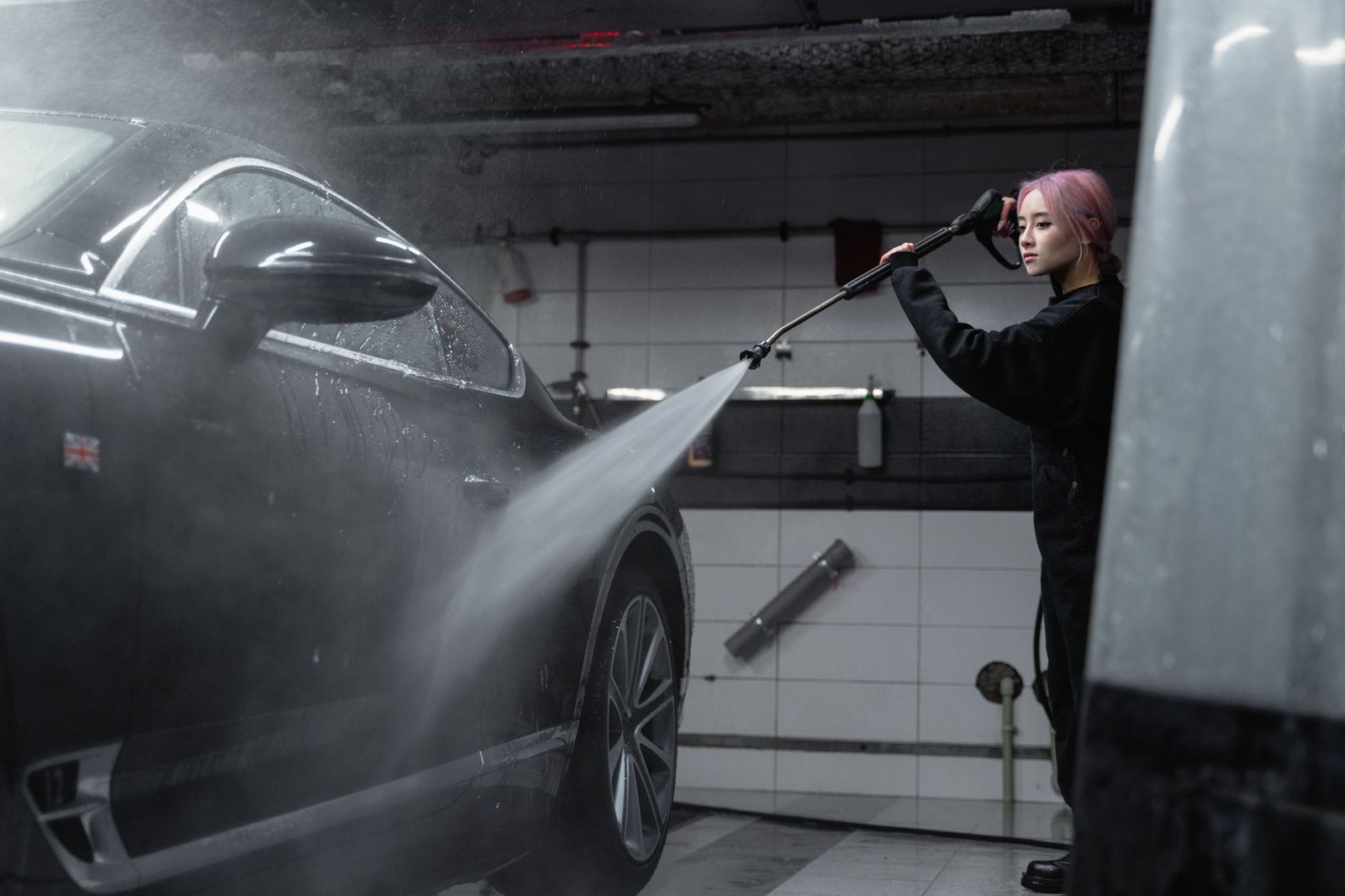
How to Clean a Pressure Washer: Step by Step Guide for 2026
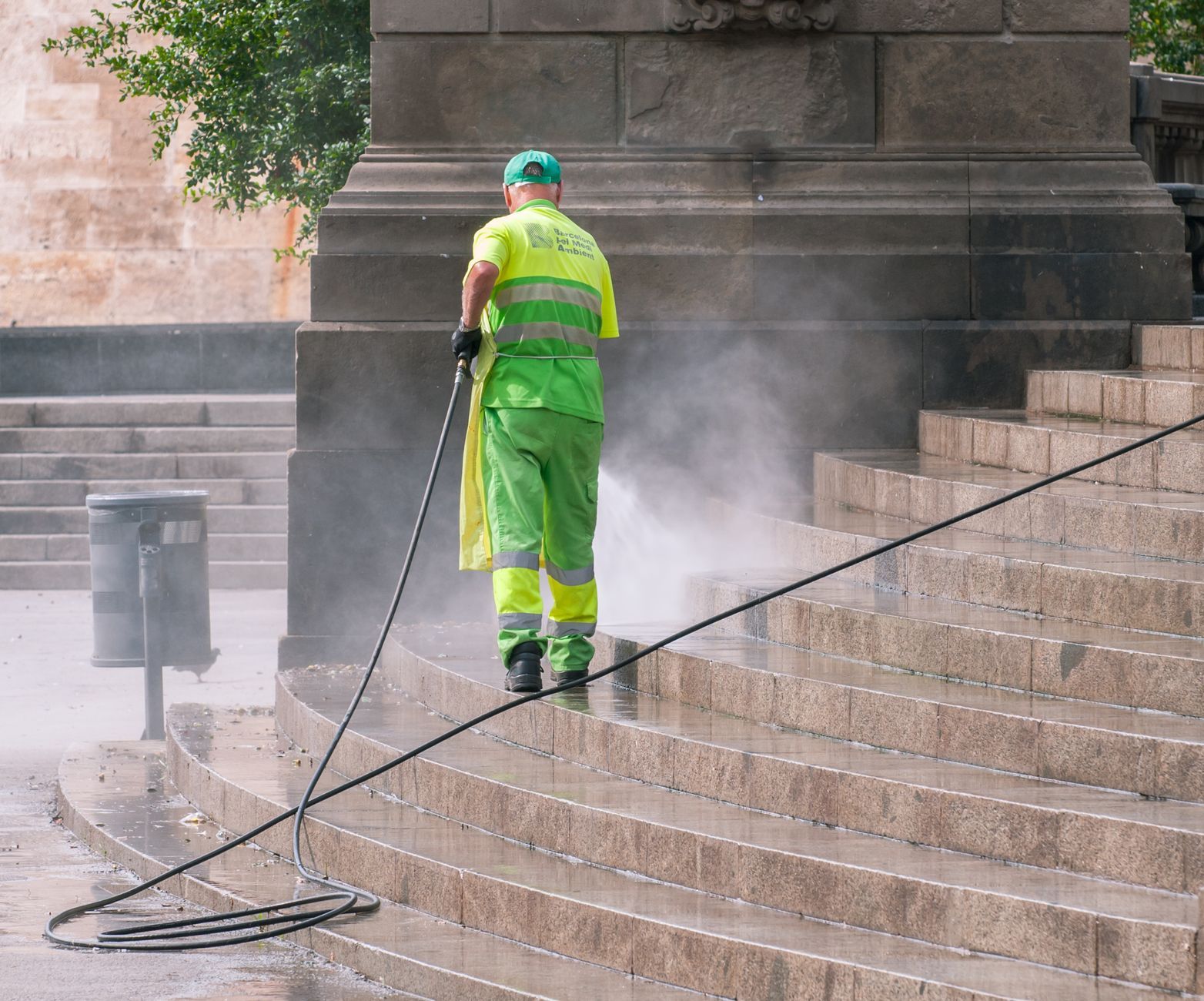
How Long Does a Pressure Washer Last? Lifespan, Signs of Wear and Tips (2026)

Top 3 Heavy Duty Pressure Washers in 2026: Honest Reviews and Buying Advice

Best Quiet Pressure Washers in 2026: Our Top 3 Picks Reviewed

Top 3 Pressure Washers for Weeds in 2026: Honest Reviews and Buying Advice
Is a Pressure Washer Worth It? Honest Pros, Cons and Verdict (2026)

3 Best Lightweight Pressure Washers for 2026 (Compared and Ranked)

How Much Does a Pressure Washer Cost in 2026? Real Price Ranges Explained
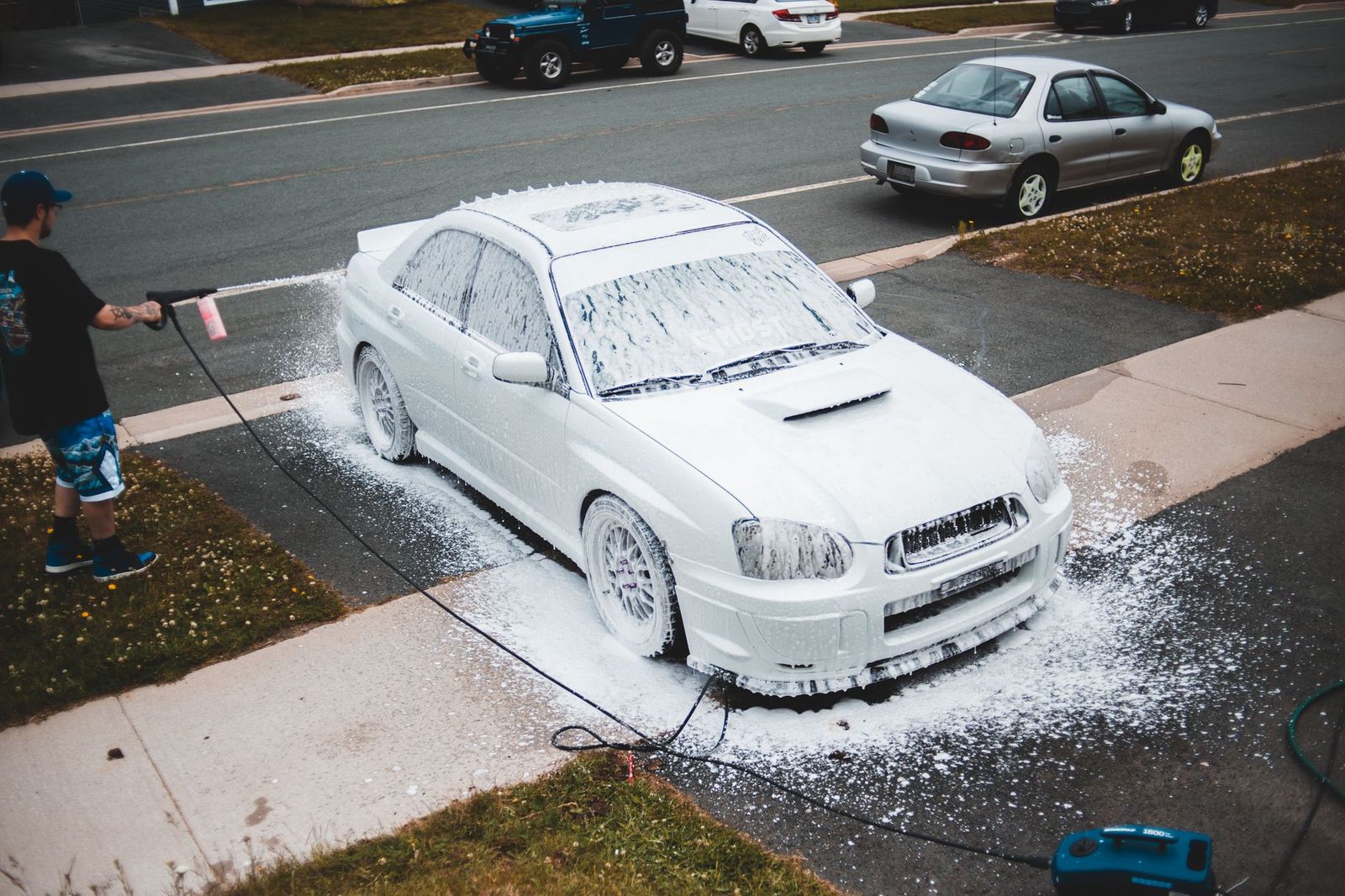
How Does a Pressure Washer Work: Expert Tips and Step by Step Guide

Top 3 Compact Pressure Washers in 2026: Honest Reviews and Buying Advice
Where to Buy a Pressure Washer: Expert Buying Guide and Checklist

Best Affordable Pressure Washers (2026): 3 Top Rated Picks Worth Buying

How to Use a Pressure Washer: Step by Step Guide for 2026

Best Gas Powered Pressure Washers (2026): 3 Top Rated Picks Worth Buying

3 Best Pressure Washers for Homeowners for 2026 (Compared and Ranked)

The 3 Best Cordless Pressure Washers of 2026: Expert Picks and Buying Guide

Best Electric Pressure Washers in 2026: Our Top 3 Picks Reviewed

Best Pressure Washers in 2026: Our Top 3 Picks Reviewed
PSI, GPM and Cleaning Units
Pressure (PSI) breaks dirt loose, and water flow (GPM) rinses it away. A machine with high PSI but low flow cleans slowly, while good flow speeds up rinsing large surfaces. Some brands multiply the two to give "cleaning units," which is a useful quick comparison.
As a rough guide:
- Light duty (about 1,500 to 2,000 PSI): cars, patio furniture, grills and small decks.
- Medium duty (about 2,000 to 3,000 PSI): siding, fences, decks and most concrete driveways.
- Heavy duty (above 3,000 PSI): large driveways, stripping paint and heavily stained concrete.
Electric vs Gas
Electric pressure washers are quieter, lighter and need little maintenance, which makes them ideal for car washing and occasional deck or patio work. Gas models deliver more pressure and flow for big jobs and do not depend on an outlet, but they are louder and need engine care. Avoid running a long extension cord with an electric unit; a longer high-pressure hose is usually the safer fix.
Nozzles and Accessories
Color-coded tips change the spray angle: red (0 degrees) is extremely concentrated and easy to misuse, yellow (15) for tough stains on hard surfaces, green (25) for general cleaning, white (40) for delicate surfaces and black for low-pressure soap. Useful extras include:
- A surface cleaner attachment for streak-free driveways and patios.
- A foam cannon for car washing.
- An onboard detergent tank and hose reel for convenience.
Avoid These Mistakes
High pressure can damage wood, strip paint, force water behind siding and etch soft surfaces, so start with a wide nozzle a few feet away and move closer only if needed. Never point the wand at people, pets or your own feet, because the spray can cause serious injuries. Run gas units outdoors only. Before freezing weather, drain the pump and use a pump protector as the manual recommends.
See our best pressure washer picks for current models. For cleaning up water and grime in the garage afterward, a wet/dry shop vac is a handy companion.
Pressure Washers FAQ
What PSI do I need to wash a car?
Around 1,200 to 1,900 PSI with a 25 or 40 degree nozzle is generally enough for cars. Keep the tip a safe distance from paint and trim, and use a foam cannon or soap nozzle for pre-washing.
Is an electric pressure washer good enough for a driveway?
A stronger electric model can clean concrete, especially with a surface cleaner attachment, though it takes longer than gas. For large or heavily stained driveways, a gas unit at 3,000 PSI or more works faster.
Can a pressure washer damage my deck or siding?
Yes. Too much pressure or too narrow a nozzle can splinter wood, strip paint or force water behind siding. Start with a wide nozzle, keep distance, and test in an inconspicuous area first.
Can I use regular soap in a pressure washer?
Use detergents labeled for pressure washers. Household soaps and bleach can damage pumps and seals, and some are not safe for plants or the surfaces you are cleaning.
How do I store a pressure washer for winter?
Disconnect hoses, drain all water, and add a pump protector or antifreeze product made for pressure washers if you store it where it might freeze. Follow the manual's fuel storage advice for gas models.