
Best Pressure Washers in 2026: Our Top 3 Picks Reviewed
Disclosure: We may earn a commission when you buy through links on this page, at no extra cost to you. As an Amazon Associate we earn from qualifying purchases. Learn more

Our best pressure washer picks, from a Honda powered triplex gas machine to a quiet electric model for everyday home cleaning jobs.
Green streaks on the siding, a gray film on the deck and oil stains on the driveway all have one thing in common: a garden hose barely touches them. That is when most homeowners start shopping for the best pressure washer, and that is also when the confusion starts. Gas or electric, 2,000 PSI or 3,300 PSI, axial pump or triplex, a ten pound tote or a heavy wheeled frame. The product listings look similar until you realize a machine that is perfect for washing a car can take an entire weekend to clean a long concrete driveway, while a contractor rig is overkill for a small patio.
To build this list, we compared published specs, the depth of verified owner feedback on Amazon, expert opinions and how much cleaning power each dollar buys, then kept only current models that are in stock and sold new. The result is three clear picks: a SIMPSON PowerShot gas washer with a Honda engine and a triplex pump for heavy jobs, the hugely popular Sun Joe SPX3000 electric washer for everyday chores, and the Westinghouse WPX3200 as a strong gas runner up for less money.

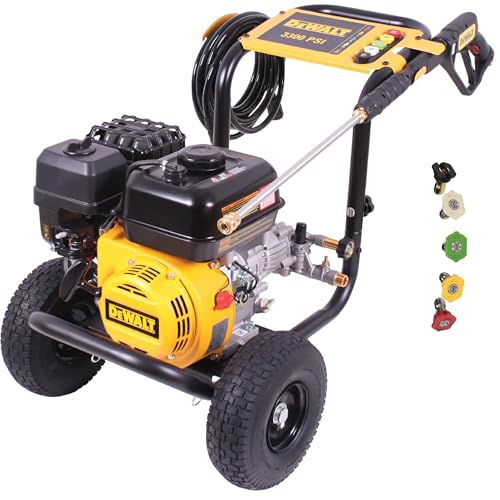




Our Top 3 Picks at a Glance
- Best Overall: SIMPSON Cleaning PS3228 PowerShot 3300 PSI Gas Pressure Washer (around $660). A Honda GX200 engine and a maintenance free AAA triplex pump make it the most durable machine here.
- Best Value: Sun Joe SPX3000 Electric Pressure Washer (around $170). Quiet, light and easy to store, with dual detergent tanks and five tips for cars, patios and outdoor furniture.
- Runner Up: Westinghouse WPX3200 Gas Pressure Washer (around $330). 3200 PSI and 2.5 GPM from a 212cc engine at roughly half the price of a premium gas unit.
Think of the three picks as steps on a ladder. The Sun Joe handles light and medium cleaning around a typical home. The Westinghouse steps up to real gas power for driveways, decks and siding. The SIMPSON is for owners who want a machine built to last for years of heavy, regular use.
How We Chose the Best Pressure Washer
We started with cleaning performance, looking at pressure (PSI) and water flow (GPM) together rather than chasing the biggest number on the box. Owner feedback came next: we favored models that are well reviewed by a large base of buyers, because a long track record says more about reliability than a handful of glowing comments. Price against features mattered as well, since a gas machine that costs twice as much should clean faster or last longer.
Build quality and warranty coverage carried real weight, including pump type, frame material and hose quality. Finally, every product in our table had to be a current model that is in stock and shipping new on amazon.com, so you are not chasing a discontinued listing on the first warm Saturday of spring.
Pressure Washer Reviews
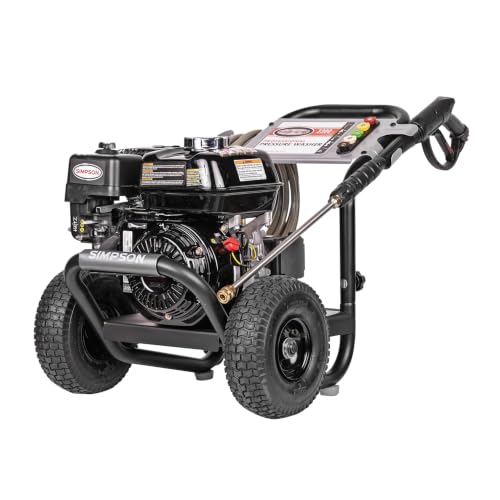
1. SIMPSON Cleaning PS3228 PowerShot 3300 PSI Gas Pressure Washer: Best Overall
- Output: 3300 PSI at 2.5 GPM
- Engine: Honda GX200 with low oil shutdown
- Pump: maintenance free AAA triplex plunger pump with integrated unloader and thermal relief
- Frame: welded steel with a powder coated finish and 10 inch pneumatic tires
- Included: 25 foot MorFlex hose, rear load spray gun, 16 inch wand and 5 quick connect tips
- Weight: about 77 lb; not sold in California
Why We Picked It
Most households that buy a gas pressure washer want two things: enough power to strip years of grime from concrete and siding, and a machine that still starts and runs well five seasons later. The PS3228 answers both better than anything else in this price range. The Honda GX200 is one of the most trusted small engines on the market, known for easy starts, and it includes low oil shutdown to protect itself if you forget to check the level.
The bigger difference is the pump. Most consumer gas washers use an axial cam pump, which is fine for occasional jobs but wears faster under long sessions. The PowerShot uses a AAA triplex plunger pump with thermal relief, the type of pump you usually find on contractor gear. It runs cooler and is designed for a long service life, which matters if you plan to clean a long driveway, a large deck and the house every year.
For homeowners needing serious gas power, the PS3228 delivers 3300 PSI at 2.5 GPM, a balance that cuts through algae on a fence and oil on a driveway without being so aggressive that you cannot control it. The 25 foot MorFlex hose resists kinks and abrasion and has a non marring jacket, and the five tips cover everything from stripping paint to applying soap.
Pros
- Reliable Honda GX200 engine with low oil shutdown
- Triplex pump built for long service life and long sessions
- Strips heavy grime from concrete, siding and fences quickly
- Pneumatic tires roll easily over gravel, grass and curbs
- Kink resistant MorFlex hose and five quick connect tips
Cons
- Loud, as every gas pressure washer is
- Heavy at about 77 lb, so lifting it into a truck takes effort
- Not available in California
Who Should Buy It
Buy the PS3228 if you own a larger home with a long driveway, a big deck or a lot of siding, or if you clean often enough that durability matters more than the purchase price. It is also a solid choice for anyone who has worn out a cheaper gas washer and wants a machine built to a higher standard. At around $660, it costs more up front, but the triplex pump and Honda engine are where that money goes.
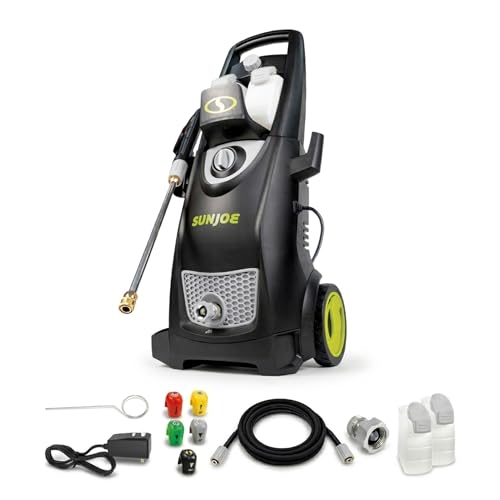
2. Sun Joe SPX3000 Electric Pressure Washer: Best Value
- Output: 2,030 PSI working pressure (2,500 PSI max) at 1.2 GPM
- Power: corded electric motor
- Tips: five quick connect tips (0, 15, 25, 40 degree and soap)
- Detergent: two onboard 0.9 liter tanks you can switch between
- Included: 34 inch stainless steel lance with brass fittings and a 20 foot high pressure hose
Why We Picked It
The SPX3000 has been the best selling budget electric washer for years, and it earns that spot by doing the common household jobs well without the noise, fuel and maintenance of a gas engine. You plug it in, connect the garden hose and start cleaning. For washing a car, refreshing patio furniture, cleaning a grill area or brightening a small deck, its working pressure is plenty.
The dual detergent tanks are a genuinely useful touch. You can keep a car soap in one and a deck or siding cleaner in the other, then switch with a dial instead of draining and refilling between jobs. The five quick connect tips give you a choice between a narrow jet for stubborn spots and a wide fan for rinsing large areas, and the stainless steel lance gives you reach without bending over.
Its main limit is water flow. At 1.2 GPM, it cleans a given area more slowly than a gas machine moving more than twice that volume, so a big driveway will take patience. For most suburban chores, though, the tradeoff in price, weight and convenience is worth it.
Pros
- A massive review base from owners over many years
- Affordable and light enough to carry and store on a shelf
- Versatile tips plus two detergent tanks
- No gas, oil or pull cord, and far quieter than gas models
Cons
- Mostly plastic build compared with steel framed gas units
- The included hose can kink and is fairly short
- Lower water flow makes big concrete jobs slow
Who Should Buy It
The SPX3000 suits homeowners with a car or two, a patio, outdoor furniture and maybe a modest deck. It is also a smart first pressure washer if you are not sure how often you will use one. At around $170, it is the easiest machine on this list to justify, and it fits in a corner of the garage.
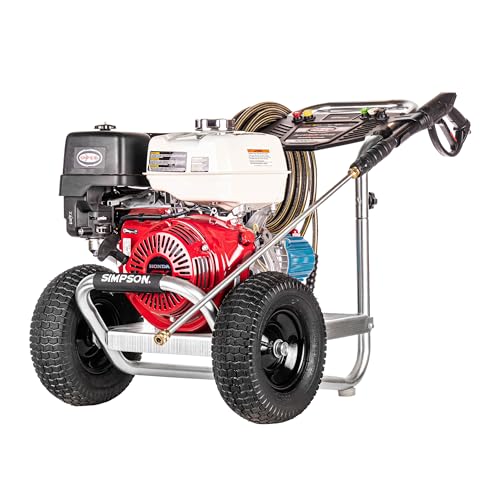
3. Westinghouse WPX3200 Gas Pressure Washer: Runner Up
- Output: 3200 PSI at 2.5 GPM
- Engine: 212cc four stroke Westinghouse OHV with recoil start
- Pump: maintenance free axial cam pump
- Soap: half gallon onboard tank
- Included: 25 foot Super Flex hose, spray gun and wand, 5 quick connect tips, engine oil and tools
- Coverage: 3 year limited service, labor and parts
Why We Picked It
The WPX3200 is the mid priced gas option for big jobs. It matches the PowerShot on water flow and comes close on pressure, so driveways, decks, siding and fences clean up at a similar pace during normal weekend use. Where it saves money is the pump and engine: an axial cam pump and a 212cc Westinghouse engine instead of a triplex and a Honda. For a homeowner who washes the house and driveway a few times a year, that is a sensible place to save.
It also comes ready to work. The machine ships with engine oil and tools, the half gallon soap tank is easy to fill, and the 12 inch never flat wheels on a steel frame make it simple to roll around the yard. Westinghouse backs it with 3 years of limited coverage and a nationwide service network, which is reassuring for a gas machine at this price.
Pros
- Strong 3200 PSI and 2.5 GPM output for the price
- Easy starting engine and a quick setup with oil included
- Large onboard soap tank and never flat wheels
- A popular medium duty pick with plenty of positive owner feedback
Cons
- Loud, like any gas unit
- Fuel and oil upkeep, including stabilizing fuel before storage
- Axial pump is not built for daily professional use
Who Should Buy It
Pick the WPX3200 if you want real gas power for large surfaces but do not want to spend premium money. It fits homeowners with long driveways, two story siding or big decks who clean a few times per season. At around $330, it is the best balance of power and price on this list.
Who Should Buy a Pressure Washer (and Who Should Not)
A pressure washer pays off quickly if you have a lot of hard surfaces that collect dirt, mildew and stains. Concrete driveways, brick walkways, vinyl siding, wood or composite decks, fences and outdoor furniture all respond well. Car owners who wash at home, people preparing a house for paint, and anyone selling a home and wanting better curb appeal will all get regular use from one. If you are on the fence, our guide on is a pressure washer worth it walks through the costs against hiring a pro.
Weeds in pavers and cracks are another common reason to buy. A focused tip can blast roots out of joints, and some machines handle this better than others; see our list of the best pressure washer for weeds if that is your main goal.
On the other hand, a pressure washer is not for everyone. If you live in an apartment or condo with only a small balcony, a hose nozzle and a scrub brush are probably enough. Older homes with soft mortar, fragile paint or delicate wood can be damaged by careless use, so owners of those homes should be cautious and use wide tips at low settings. If you only need to clean once every few years, renting can make more sense than storing a machine.
Noise rules matter too. Gas machines are loud, so if your neighborhood has strict quiet hours or you are close to neighbors, an electric model is the friendlier option. For more on picking a machine around your property and habits, our guide to the best pressure washer for homeowners goes deeper.
How to Choose the Best Pressure Washer
There is no single best pressure washer for every home. A machine that feels perfect on a townhouse patio will struggle on a three car driveway, and a heavy gas rig is a burden for someone who only washes a car twice a month. Start by listing the surfaces you clean, roughly how large they are and how often you tackle them. That short list will point you toward electric or gas and tell you how much pressure and flow you really need.
Choosing well comes down to matching the machine to the surfaces you clean and how often you clean them. Here are the factors that matter most. If you have asked yourself what is the best pressure washer for your situation, these points will narrow the field fast.
PSI, GPM and Cleaning Units
PSI measures pressure, or how hard the water hits. GPM measures flow, or how much water moves through the nozzle each minute. Pressure loosens dirt, while flow rinses it away, so both matter. Multiply the two and you get cleaning units, a quick way to compare machines. The SPX3000 at about 2,030 PSI and 1.2 GPM lands near 2,400 units, while the WPX3200 at 3200 PSI and 2.5 GPM reaches 8,000. That gap explains why gas machines clean big concrete areas so much faster.
As a rough guide, cars, outdoor furniture and grills need modest pressure. Decks, fences and siding sit in the middle. Concrete driveways, paint prep and heavy oil stains benefit from 3,000 PSI or more with high flow.
Electric vs Gas vs Battery
Electric models are light, quiet and nearly maintenance free, which makes them ideal for homeowners with smaller jobs. Gas models deliver far more flow and pressure and are not tied to an outlet, so they are the right choice for big properties. Battery models are a newer middle ground, handy for quick rinses and places without power, though runtime is limited and high output battery kits cost more. Corded electric units are also the best fit when noise is a concern.
Nozzles and Surface Cleaners
Most machines ship with color coded quick connect tips: a 0 degree pencil jet, 15 and 25 degree fans for general cleaning, a 40 degree fan for gentle rinsing and a black soap tip. Start wide and move narrower only when needed, because a 0 degree tip can etch concrete and gouge wood. A rotating surface cleaner attachment is one of the best upgrades for driveways and patios. It cleans evenly, avoids zebra stripes and finishes the job far faster than a wand.
Hose Length and Quality
A longer hose means fewer trips to move the machine, and a better hose means fewer kinks. Entry level electric units often include 20 feet of stiff hose, while better gas machines use 25 feet or more of flexible, abrasion resistant hose. Check the connection type before buying extras; many gas units use a threaded M22 fitting. A good aftermarket hose is one of the cheapest ways to make any machine nicer to use.
Pump Type (Axial vs Triplex)
Axial cam pumps are compact and affordable, and they power most consumer gas and electric washers. They are fine for a few sessions a year. Triplex plunger pumps use three pistons, run cooler, can often be serviced and are built for long hours. If you plan to use a machine weekly, or you want something that may last a decade, a triplex pump like the one on the SIMPSON PowerShot makes the best durable pressure washer choice.
Weight, Wheels and Storage
Electric washers often weigh 20 to 35 pounds and can sit on a shelf. Gas machines usually weigh 60 to 80 pounds or more, so wheels matter. Pneumatic tires roll over grass and gravel smoothly, while never flat wheels avoid punctures. Think about where the machine will live and whether you will need to lift it into a vehicle. Folding handles and onboard hose and tip storage make a real difference in a crowded garage.
Detergent Tank and Accessories
Onboard soap tanks let you apply cleaner through the low pressure soap tip without extra gear. Dual tanks, like those on the Sun Joe, let you keep two cleaners ready. Popular add ons include foam cannons for cars, extension wands for second story siding, rotating turbo nozzles and gutter cleaning attachments. If you are wondering where to buy a pressure washer along with these extras, our guide covers the main retail options and what to watch for.
Safety gear deserves a line in your budget as well. Closed shoes, safety glasses and hearing protection for gas models make every session more comfortable. Never point the wand at people, pets or windows, keep the spray moving across wood, and test any new surface in a hidden spot first. A little care keeps even the best pressure washer from doing more harm than good.
FAQs About Pressure Washers
How long does a pressure washer last?
A typical electric pressure washer lasts several years of homeowner use, while a well maintained gas model with a quality engine can run for many seasons. Pump type makes the biggest difference: axial pumps wear faster under heavy use, and triplex pumps are built for long service life. Proper winterizing, clean fuel and regular oil changes extend the life of any machine.
Is a pressure washer worth the money?
For most homeowners with a driveway, deck or siding, yes. A single professional cleaning of a house and driveway can cost as much as a good electric washer, and you can reuse the machine every season. It also lets you clean on your schedule. If you only clean every few years or have little hard surface, renting is usually cheaper.
How much should I spend on a pressure washer?
Plan on around $100 to $200 for a capable electric model that handles cars, furniture and patios. Mid range gas machines for driveways and siding run roughly $300 to $450. Premium gas models with Honda engines and triplex pumps start around $600 and go higher. Spend based on how much surface you clean and how often.
How do I maintain a pressure washer?
Flush the system with clean water after using detergent, check the inlet screen for debris and store the hose without sharp bends. Gas models need oil changes, fresh or stabilized fuel and a clean air filter. Before freezing weather, drain all water and use pump protector so ice does not crack the pump. Store the machine in a dry place.
Final Verdict
For most homeowners who want one machine to handle every outdoor job, the SIMPSON PS3228 PowerShot is the best pressure washer on our list, thanks to its Honda engine and long lasting triplex pump. If your chores are lighter, the Sun Joe SPX3000 offers the best value and fits easily in any garage. The Westinghouse WPX3200 sits between them with strong gas power at a friendlier price. Match the pick to your surfaces and how often you clean, then check today's price on Amazon before your next weekend project.