
3 Best Pressure Washers for Homeowners for 2026 (Compared and Ranked)
Disclosure: We may earn a commission when you buy through links on this page, at no extra cost to you. As an Amazon Associate I earn from qualifying purchases. Learn more

The best pressure washer for homeowners, from the light Westinghouse ePX3100v to the compact Karcher K1700 Cube and Sun Joe SPX3000.
Most homeowners do not need a contractor grade pressure washer. They need something that cleans the patio, the car, the deck and the siding a few times a year, starts every time, and fits in the garage without a fuss. That is why choosing the best pressure washer for homeowners is less about maximum PSI and more about easy setup, the right amount of power for a typical yard and maintenance you can handle yourself. A machine that is too weak makes jobs drag on, while one that is too powerful can etch concrete, strip paint you wanted to keep and wear you out hauling it around.
To build this list, we compared published specs, the depth of verified owner feedback on Amazon, expert advice and price against value, keeping only current models that are in stock and sold new. All three picks are electric, because that is what suits most homes: the Westinghouse ePX3100v as the best all round choice, the Kärcher K1700 Cube for small spaces, and the hugely popular Sun Joe SPX3000 as a versatile runner up.








Our Top 3 Picks at a Glance
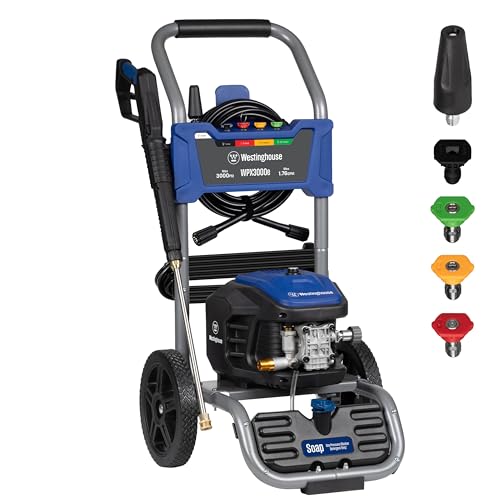
- Best Overall: Westinghouse ePX3100v Electric Pressure Washer (around $130). Up to 2100 max PSI and 1.76 max GPM, a detachable foam cannon, a steel wand and a light 18 pound body with a carry handle.
- Best Compact Pick: Kärcher K1700 Cube Electric Pressure Washer (around $170). A CETA certified 1700 PSI at 1.2 GPM in a tiny cube shape, with a foot switch and a detachable detergent tank.
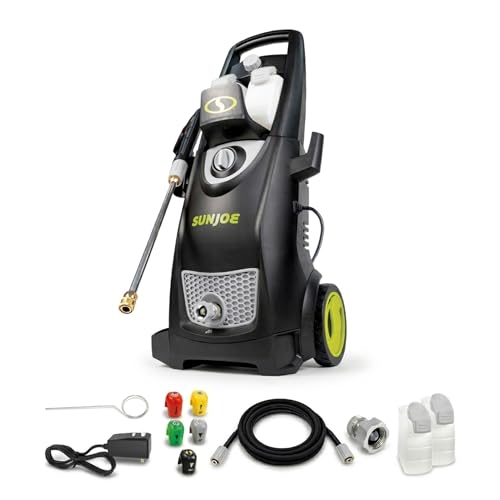
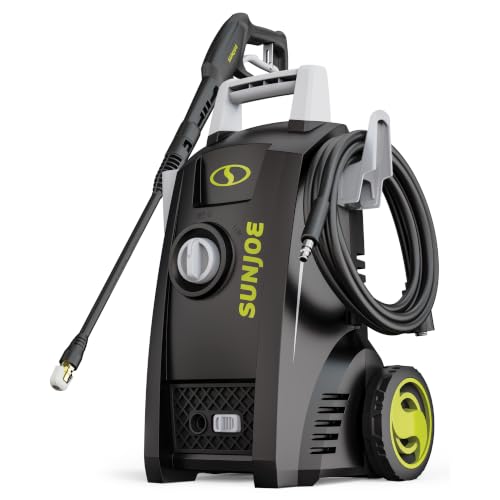
- Runner Up: Sun Joe SPX3000 Electric Pressure Washer (around $170). About 2,030 PSI working pressure, two onboard detergent tanks and five quick connect tips.
The Westinghouse gives most homeowners the best balance of power, accessories and price. The Kärcher is ideal if storage space is tight or you mainly clean cars and patio furniture. The Sun Joe has the biggest track record of the three and the most cleaning tips, which makes it a flexible choice for a mix of chores.
How We Chose the Best Pressure Washer for Homeowners
We focused on what matters at home: enough pressure and flow for patios, decks, cars and siding, an easy setup for first time users and a size that stores easily. Owner feedback came next, with extra weight for models that are well reviewed by a large base of buyers over several seasons, since reliability matters more than a big number on the box.
Price against features mattered, including hoses, nozzles, detergent options and warranty coverage. Weight, portability and safety features such as automatic shutoff carried real weight. Finally, every product in our table had to be a current model that is in stock and sold new on amazon.com.
Pressure Washer for Homeowners Reviews
1. Westinghouse ePX3100v Electric Pressure Washer: Best Overall
- Output: 2100 max PSI and 1.76 max GPM (at lowest pressure); 1800 rated PSI and 1.2 rated GPM
- Weight: about 18 pounds with a built in carry handle
- Hose: 20 foot easy coil nylon braided hose
- Accessories: detachable foam cannon, pro style steel wand and a 3 nozzle set
- Pump: automatically stops when you release the trigger
- Coverage: 3 year limited service, labor and parts
Why We Picked It
For lightweight all around home cleaning, the ePX3100v hits the sweet spot. Its 1800 PSI and 1.2 GPM under normal use, with up to 2100 max PSI and 1.76 max GPM at the lowest pressure setting, is enough for patios, decks, fences, cars, outdoor furniture and siding without being so aggressive that a beginner risks damaging surfaces. It is also one of the easiest machines to move: at about 18 pounds with a built in carry handle, you can lift it into the trunk or carry it up deck stairs.
The accessories punch above the price. A detachable foam cannon lets you lay down a thick layer of soap on cars, decks and garage floors, which makes a big difference in cleaning results. The pro style steel wand feels more solid than the plastic wands on many budget washers, and the three nozzle set covers most household jobs. The 20 foot nylon braided hose coils easily and resists the stiffness of cheaper hoses.
Westinghouse also built in a practical safety and longevity feature: the pump stops automatically when you release the trigger, which saves energy and helps protect the pump and motor. Backed by 3 years of limited coverage and a nationwide service network, it is a reassuring buy for first time owners.
The main drawbacks are the plastic fittings typical of this class and a hose that is short for large yards. Many owners add a longer hose as their first upgrade.
In practice, the ePX3100v covers the full list of weekend chores most homeowners face. You can foam and rinse the family car in the driveway, brighten a weathered patio, freshen a wood fence before staining and wash pollen off outdoor furniture, all with one light machine that goes back on a garage shelf when you are done. That range is exactly why we rank it first.
Pros
- Light and portable with a carry handle
- Good flow for the price
- Easy setup with a foam cannon and steel wand included
- Auto stop pump and 3 year limited coverage
Cons
- Plastic fittings
- Short 20 foot hose
Who Should Buy It
Buy the ePX3100v if you want one easy, affordable machine for cars, patios, decks and furniture. It is the best pressure washer for beginners on our list thanks to its light weight and simple setup. At around $130, it is outstanding value.

2. Kärcher K1700 Cube Electric Pressure Washer: Best Compact Pick
- Output: 1700 PSI TruPressure at 1.2 GPM, independently tested and CETA certified
- Nozzles: 15 degree, turbo and 65 degree
- Controls: on and off foot switch; automatic stop when the trigger is released
- Detergent: 0.3 gallon detachable detergent tank on top
- Design: compact cube shape that is easy to carry and store
Why We Picked It
For compact light duty cleaning, the K1700 Cube is one of the easiest pressure washers to own. Its cube shape takes up very little space in a closet, shed or apartment storage room, and it is light enough to carry with one hand. Kärcher's 1700 PSI at 1.2 GPM is certified by CETA, an independent testing standard, so you can trust that the numbers reflect real performance.
It is designed to be simple. An on and off foot switch means you do not need to bend down to start or stop the machine, a nice touch for anyone with back trouble. The pump stops automatically when you release the trigger. Three nozzles cover the basics: a 15 degree tip for focused cleaning, a turbo nozzle that spins the stream for tougher grime on concrete, and a wide 65 degree tip for rinsing and applying detergent from the detachable 0.3 gallon tank.
The tradeoff is flow. At 1.2 GPM, it cleans large areas more slowly than bigger machines, and it is not meant for heavy stains or stripping old paint. For cars, bikes, grills, patio furniture and small patios, though, it is very easy to use.
The cube design also makes it a good fit for townhouses, condos with a small patio and anyone who has to carry the washer through the house to reach the backyard. It sits flat in a car trunk, so it is easy to take to a relative's house or a vacation cabin for a quick cleanup.
Pros
- Tiny footprint for easy storage
- Very easy to use with a foot switch
- CETA certified performance
- Turbo nozzle included
Cons
- Low flow for big areas
- Not for heavy stains
- Costs more than some larger electric models
Who Should Buy It
Choose the K1700 Cube if you have limited storage space and mostly clean cars, furniture and small patios. At around $170, it is a compact, beginner friendly machine with a trusted brand name.

3. Sun Joe SPX3000 2,030 PSI Electric Pressure Washer: Runner Up
- Output: about 2,030 PSI working pressure (2,500 PSI max) at 1.2 GPM
- Tips: five quick connect tips (0, 15, 25, 40 degree and soap)
- Detergent: two onboard 0.9 liter tanks
- Wand: 34 inch stainless steel lance with brass fittings
- Hose: 20 foot high pressure hose
Why We Picked It
The SPX3000 is the best selling budget electric washer for good reason. It has been a homeowner favorite for years, with one of the largest bases of owner reviews of any pressure washer, and it offers more cleaning options than most machines in its class. About 2,030 PSI of working pressure handles decks, patios, siding, fences and vehicles, and the five quick connect tips let you choose exactly the spray you need.
Two onboard detergent tanks are a standout feature. You can keep a car wash soap in one and a deck or siding cleaner in the other, then switch between them as you move from job to job. The 34 inch stainless steel lance with brass fittings adds reach and durability compared with short plastic wands.
It is mostly plastic, and the included hose can kink, so many owners upgrade the hose. Still, for the price and the versatility, it is one of the safest bets for a first pressure washer.
The two tank system pays off when you plan a full cleaning day. Start with the deck cleaner on the patio and railings, switch the dial to car soap for the vehicles, then finish by rinsing everything with the wide 40 degree tip. You never have to stop to drain and refill a single tank, which keeps a long list of chores moving.
Pros
- Massive review base over many years
- Affordable for the features
- Versatile with five tips and two detergent tanks
Cons
- Plastic build
- Hose kinks
Who Should Buy It
Pick the SPX3000 if you want a proven, versatile electric washer with plenty of nozzles and detergent options for a variety of chores. It is also a strong best pressure washer for backyards pick for patios, decks and outdoor furniture. Expect to pay around $170.

What First Time Buyers and Homeowners Should Know
If this is your first pressure washer, a few basics make the difference between a satisfying purchase and a frustrating one. Here is what matters most for homeowners and beginners.
Easy starting and simple controls
Electric pressure washers start with a switch, with no pull cords, choke settings or fuel to mix, which is why they are ideal for beginners. Look for automatic shutoff when you release the trigger, which reduces wear and makes operation safer. Simple quick connect nozzles, a foot switch or a clearly marked power button and onboard storage for tips and wands all make each session smoother.
Right sized power for a typical yard
For most homes, 1,500 to 2,300 PSI with 1.2 to 1.8 GPM covers cars, patios, decks, fences and siding. Higher pressure is not always better; too much can gouge wood, etch concrete and damage paint. If you have a very large driveway or plan to strip paint, consider a stronger model, but most homeowners never need more than a midsize electric washer. For tough jobs, our list of the best pressure washer for heavy duty use covers gas and high output machines.
Maintenance you can handle yourself
Electric washers need very little upkeep: flush detergent from the system, keep the inlet filter clean, drain water before storage and protect the pump from freezing. There are no oil changes or carburetors to worry about. A pump protector before winter and a long, kink resistant hose are the most useful extras for most owners.
How to Choose the Best Pressure Washer for Homeowners
If you are still asking what is the best pressure washer for homeowners in your situation, these factors will help you decide. For a broader look at every type and size, our guide to the best pressure washer covers gas and premium models too.
PSI, GPM and Cleaning Units
PSI measures pressure, which loosens dirt, while GPM measures flow, which rinses it away. Multiply them to get cleaning units, a quick way to compare machines. A washer delivering 1800 PSI at 1.2 GPM produces about 2,160 cleaning units, plenty for typical home chores. Pay attention to rated numbers rather than only maximum figures, since rated pressure reflects normal operation.
Electric vs Gas vs Battery
Electric washers are quiet, light and low maintenance, ideal for most homeowners and beginners. Gas models deliver much more power and flow for large driveways and heavy jobs, but they are louder, heavier and need engine care. Battery washers are portable and handy for quick rinses away from outlets, but runtime and pressure are limited. For a typical suburban home, electric is the best choice.
Nozzles and Surface Cleaners
Most washers include several quick connect tips: narrow tips for stubborn spots, wider fans for general cleaning and a soap tip for detergent. Turbo nozzles spin the stream for faster cleaning on concrete. A surface cleaner attachment, which looks like a small disc, cleans patios and driveways evenly and quickly, and it is one of the best upgrades for any homeowner.
Hose Length and Quality
Entry level electric washers often include a 20 foot hose, which can feel short. A longer, flexible hose means fewer moves of the machine. Braided or kink resistant hoses are easier to handle. Check the connector type before buying an upgrade so it fits your machine and wand.
Pump Type (Axial vs Triplex)
Nearly all homeowner electric washers use axial pumps, which are compact and affordable and work well for occasional use. Triplex pumps are more durable and serviceable, but they are mostly found on premium gas machines. For a few cleaning sessions a year, an axial pump is perfectly adequate, especially with an auto stop feature that reduces wear.
Weight, Wheels and Storage
Light washers under about 20 pounds, like the Westinghouse ePX3100v and Kärcher K1700, are easy to carry and store on a shelf. Upright cart designs with wheels roll easily but take more floor space. Onboard hose and nozzle storage keeps everything together. Think about where the machine will live and how far you will move it.
Detergent Tank and Accessories
Onboard detergent tanks or foam cannons make soaping cars and decks easy. Dual tanks let you keep two cleaners ready. Useful accessories include extension wands for second story siding, brushes for cars and a surface cleaner for patios. If you are deciding which pressure washer is best for homeowners on a tight budget, a model with a foam cannon included often saves money on extras. Shopping for accessories? Our guide on where to buy a pressure washer covers the main options, and for weed removal in pavers, see the best pressure washer for weeds.
One last tip for first time buyers: think about water supply and power. Electric washers need a standard outdoor outlet, ideally a GFCI protected one, and a garden hose that delivers steady flow. Avoid long, thin extension cords, which can starve the motor, and run the water for a few seconds before starting to purge air from the pump. Getting those basics right helps any of these picks perform like the best pressure washer for homeowners it was designed to be.
FAQs About Pressure Washers for Homeowners
Is a pressure washer good for beginners?
Yes, especially electric models. They start with a switch, need little maintenance and offer enough power for common chores without being hard to control. Beginners should start with a wide nozzle, keep the wand moving and test a hidden spot first. With those habits, a pressure washer is safe and easy to learn.
How long does a pressure washer last?
A typical electric pressure washer lasts several years of homeowner use, and longer with good care. Flushing detergent after use, keeping the inlet filter clean, draining water before storage and protecting the pump from freezing all extend its life. Pump wear is the main limit, so avoid running the machine without water flowing.
Is a pressure washer worth the money?
For most homeowners with a patio, deck, car or siding, yes. A single professional cleaning can cost as much as a good electric washer, and you can use your own machine every season. It also lets you clean on your schedule. If you are on the fence, read our guide on is a pressure washer worth it.
How much should I spend on a pressure washer?
Capable electric pressure washers for homeowners cost roughly $100 to $200. Stronger electric models with brushless motors run about $250 to $400. Gas machines for heavy jobs start around $300 and go much higher. Most homeowners get the best value in the $120 to $200 range.
How do I maintain a pressure washer?
Run clean water through the system after using detergent, clean the inlet screen and check hoses and connections for leaks. Drain all water before storing and use a pump protector before winter. Store the machine indoors, coil the hose without sharp bends and keep nozzles in their holder so they do not get lost.
Final Verdict
For most people, the Westinghouse ePX3100v is the best pressure washer for homeowners on our list, combining useful power, light weight, a foam cannon and a steel wand at a very fair price. If storage space is tight, the Kärcher K1700 Cube is compact and simple to use. The Sun Joe SPX3000 is the runner up for anyone who wants extra tips and two detergent tanks. Match the machine to your chores and check today's price on Amazon.


