
Pool & Window Robots
Robotic pool cleaner and window cleaning robot guides: navigation, battery life, filters, safety tethers and value picks.

3 Best Self Cleaning Robot Pool Vacuums for 2026 (Compared and Ranked)

Best Quiet Robot Pool Vacuums (2026): 3 Top Rated Picks Worth Buying

How to Choose a Robot Window Cleaner: Features That Matter in 2026
How to Use a Robot Pool Vacuum: Step by Step Guide for 2026
How Long Does a Robotic Pool Cleaner Last? How to Make It Last Longer

How Does a Robot Window Cleaner Work: Expert Tips and Step by Step Guide

How Does a Robotic Pool Cleaner Work: A Complete Guide for 2026

The 3 Best Affordable Robotic Pool Cleaners of 2026: Expert Picks and Buying Guide
How to Choose a Robotic Pool Cleaner: Buying Guide for 2026

How to Use a Robot Window Cleaner the Right Way: Easy Step by Step Guide
Is a Robot Pool Vacuum Worth It? Honest Pros, Cons and Verdict (2026)

3 Best Robot Window Cleaners for 2026 (Compared and Ranked)

Best Robot Pool Vacuums in 2026: Our Top 3 Picks Reviewed
What Cleaning Robots Can and Cannot Do
Pool and window robots take over repetitive chores, but they work best when expectations are realistic. A pool robot scrubs and filters the floor, walls and often the waterline, yet you still need to balance chemistry and skim heavy leaf drops. A window robot handles large glass panes, though corners and frames usually need a quick wipe by hand.
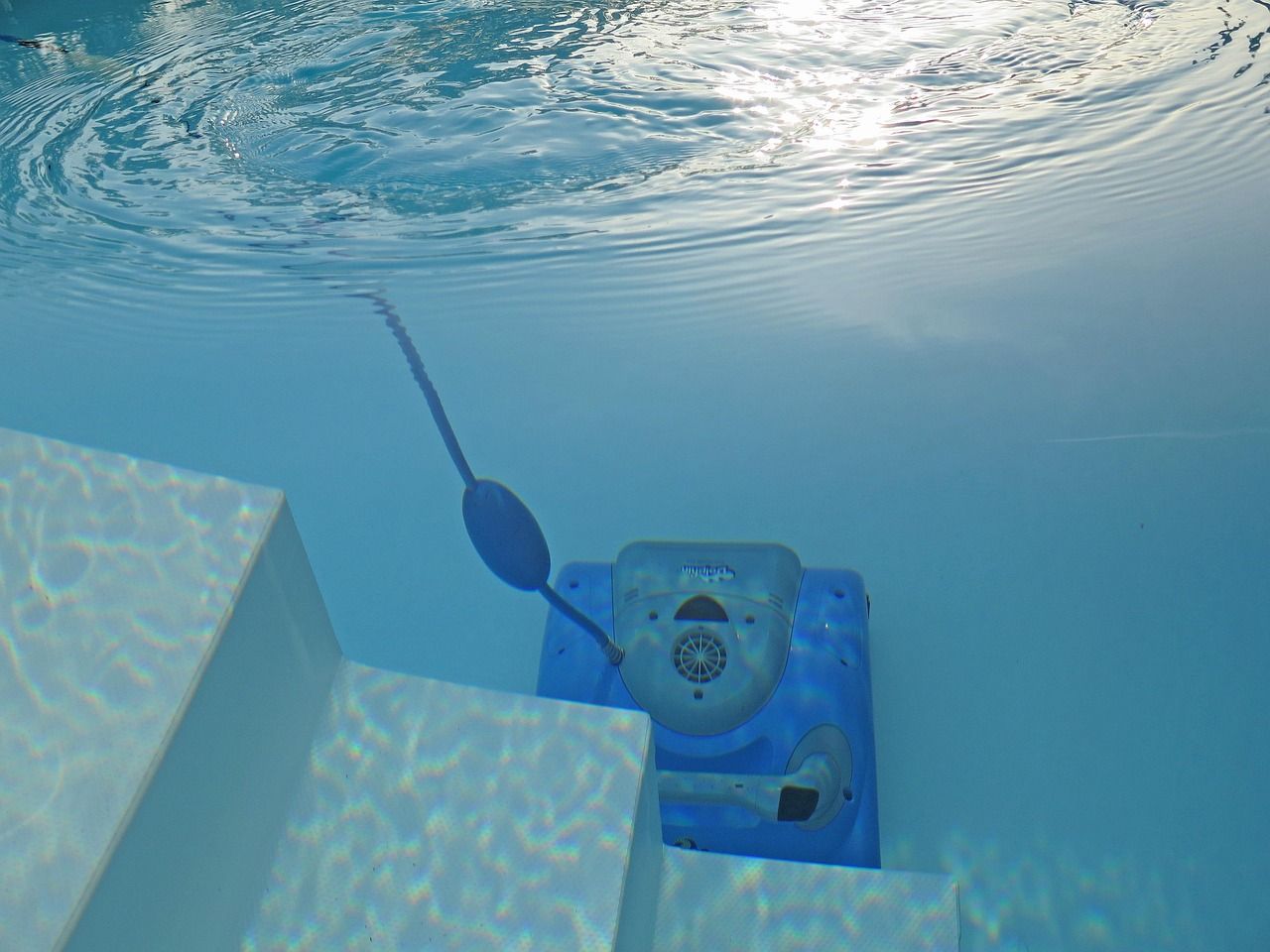
Choosing a Robotic Pool Cleaner
Match it to your pool
- Pool size and shape: check the maximum length the robot is rated for and whether it climbs walls and cleans the waterline.
- Pool surface: vinyl, fiberglass and concrete call for different brush materials. Rubber or PVC brushes are common for smooth surfaces.
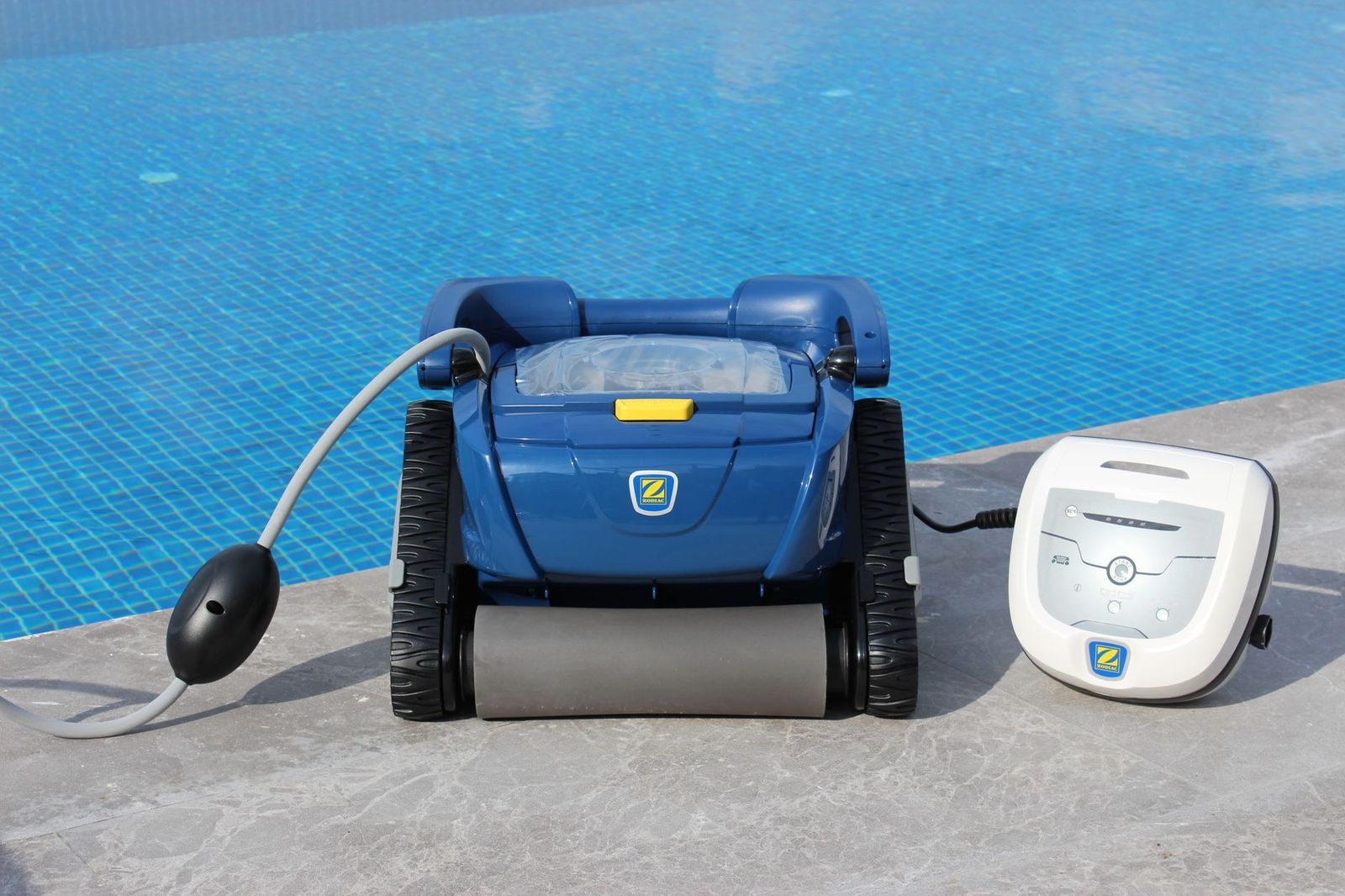
- Corded or cordless: corded models run on a floating cable with unlimited runtime, while battery models avoid tangles but need recharging.
- Filter basket access: a top-loading basket is far easier to empty than a bottom-loading one.
- Navigation: smarter path planning covers the pool more evenly and reduces missed spots.
Above-ground pools usually need a lighter robot, and some budget models only clean the floor. In-ground pools with steps and steep walls benefit from stronger climbing ability.
Choosing a Window Cleaning Robot
Window robots cling to glass with suction or magnets and follow a set pattern across the pane. Key points to compare:
- Safety tether and backup battery: essential, so the unit holds on and stays attached if power drops.
- Edge detection: helps on frameless glass such as shower doors and railings.
- Water spray: built-in spraying saves you from wetting the pad by hand.
- Cleaning pads: washable microfiber pads lower running costs.
Common Mistakes
- Leaving a pool robot in the water full time, which can shorten its life through constant chemical and sun exposure.
- Skipping the tether on upper-story windows.
- Using a window robot on cracked, textured or very small panes it cannot grip.
For specific models, see our picks for the best robot pool vacuums. If you like the idea of automation indoors too, the robot vacuums and mops category and our best robot vacuum guide cover floor cleaning robots.
Pool & Window Robots FAQ
Does a robotic pool cleaner replace a pool filter?
No. A robot has its own filter for the debris it picks up, but your pool's pump and main filter still circulate and clean the water. The robot simply reduces the load and keeps surfaces clean.
How often should I run a pool robot?
Many owners run it a few times a week, and more often during heavy pollen or leaf seasons. Remove it after each cycle and rinse the filter basket for the best results.
Are cordless pool robots better than corded ones?
Cordless models avoid cable tangles and are easier to drop in, but they need recharging and have limited runtime. Corded robots can run longer cycles, which suits larger pools.
Are window cleaning robots safe on high windows?
They are designed with suction or magnets plus a safety tether, and many include a backup battery. Always attach the tether and follow the instructions, especially on upper floors and exterior glass.
What does a robotic pool cleaner cost?
Entry-level robots for smaller or above-ground pools often start around $250 to $400. Models with wall climbing, waterline cleaning and smart navigation usually cost more.