
Wet/Dry & Shop Vacs
Wet/dry and shop vacuum guides: tank size, peak horsepower, filters and picks for garages, workshops, water cleanup and cars.

The 3 Best Wet Vacuums for Garages of 2026: Expert Picks and Buying Guide

Best Shop Vacuums for Deep Cleaning (2026): 3 Top Rated Picks Worth Buying

How to Choose a Shop Vacuum: Buying Guide for 2026

3 Best Ash Vacuums for Garages for 2026 (Compared and Ranked)
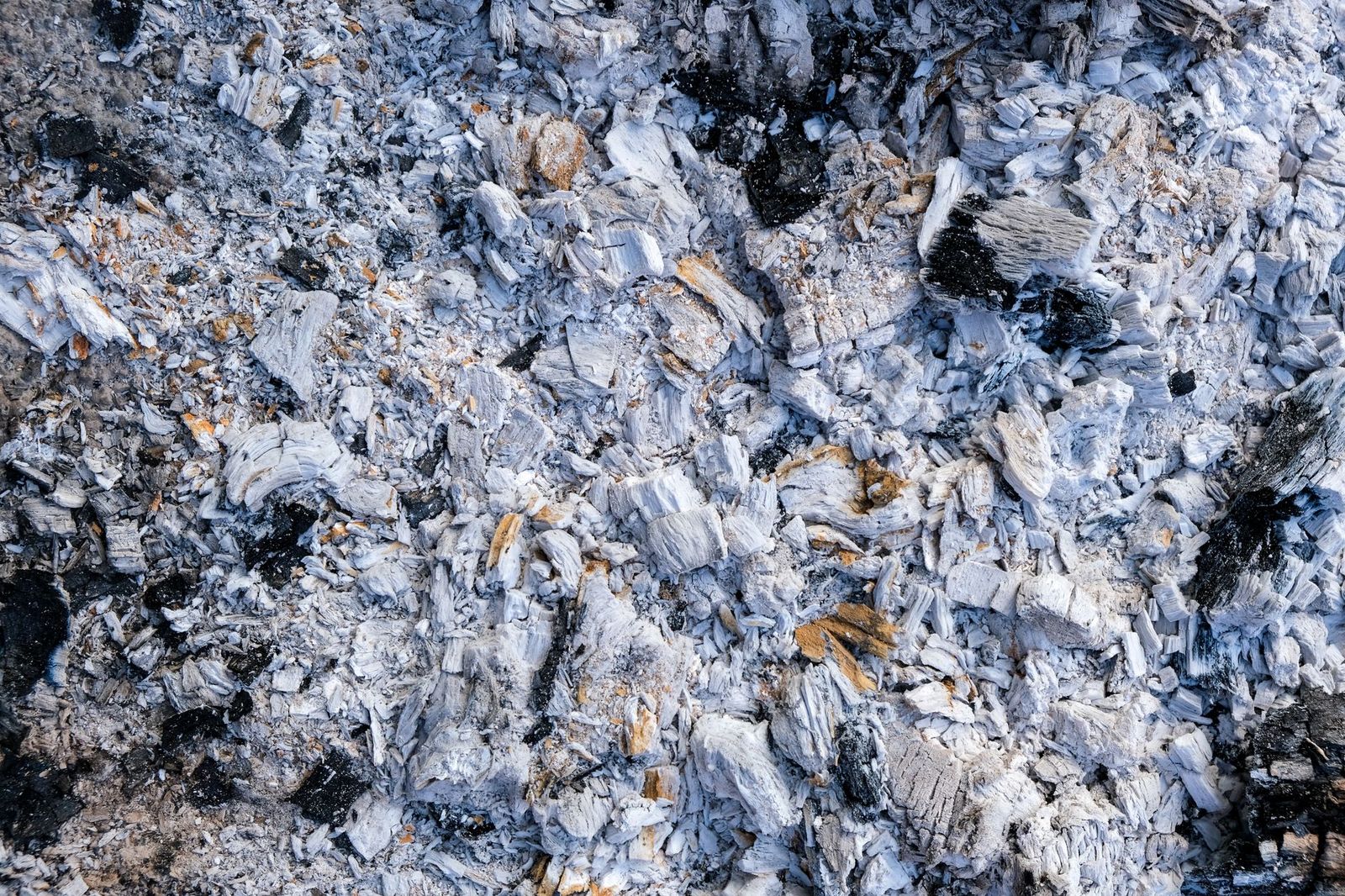
How to Use an Ash Vacuum the Right Way: Easy Step by Step Guide

How to Choose an Ash Vacuum: Expert Buying Guide and Checklist

Top 3 Quiet Wet Vacuums in 2026: Honest Reviews and Buying Advice

Top 3 Powerful Wet Vacuums in 2026: Honest Reviews and Buying Advice

The 3 Best Wet Dry Vacuums for Deep Cleaning of 2026: Expert Picks and Buying Guide

The 3 Best Lightweight Wet Dry Vacuums of 2026: Expert Picks and Buying Guide

The 3 Best Wet Vacuums for Upholstery of 2026: Expert Picks and Buying Guide

How Does a Shop Vacuum Work: Expert Tips and Step by Step Guide

Best Shop Vacuums for Dust (2026): 3 Top Rated Picks Worth Buying
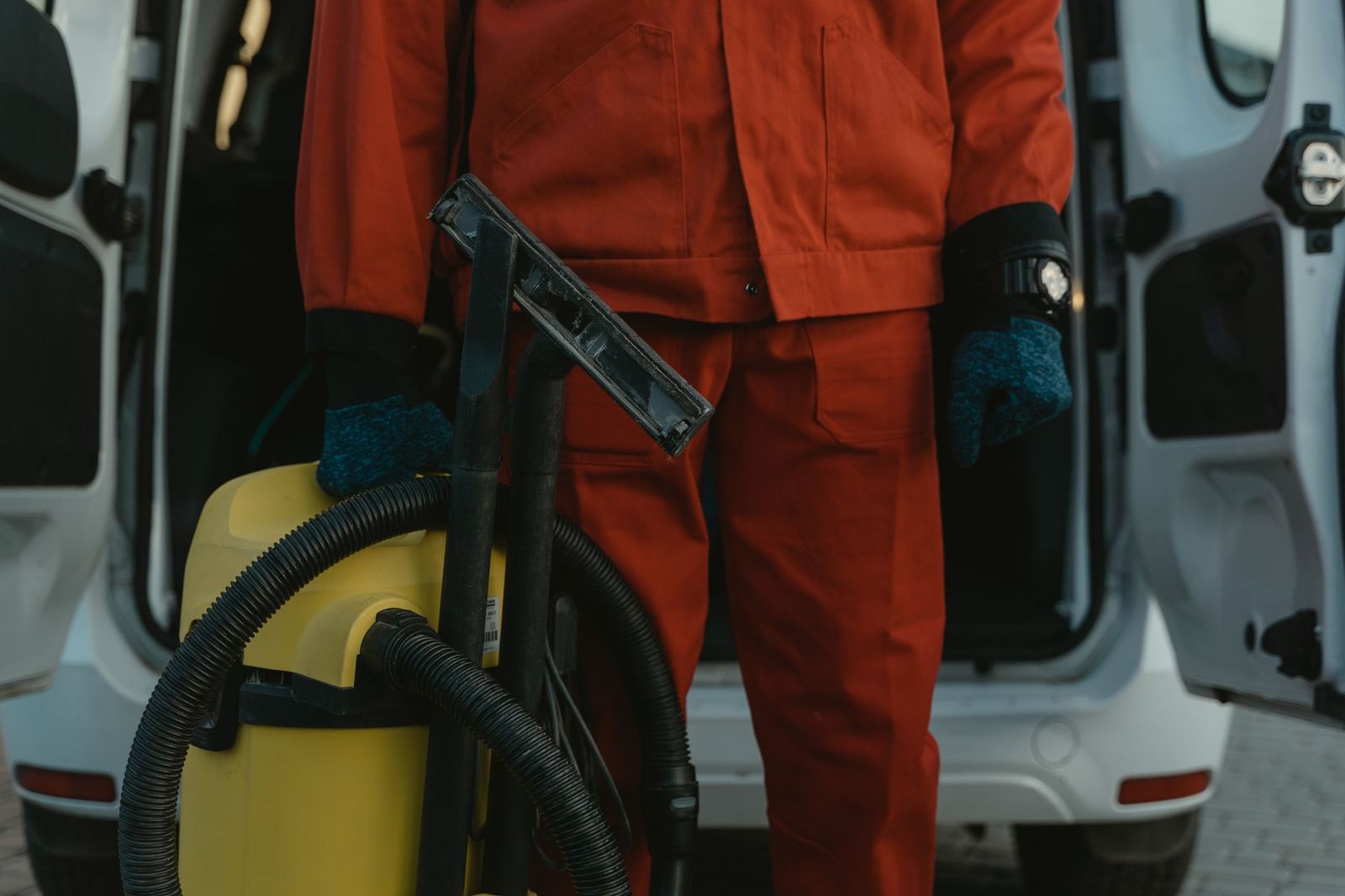
How to Clean a Wet Dry Vacuum the Right Way: Easy Step by Step Guide

Top 3 Wet Dry Vacuums for Laminate Floors in 2026: Honest Reviews and Buying Advice

Best Corded Wet Dry Vacuums (2026): 3 Top Rated Picks Worth Buying

3 Best Affordable Wet Dry Vacuums for 2026 (Compared and Ranked)

The 3 Best Wet Vacuums for Tile Floors of 2026: Expert Picks and Buying Guide
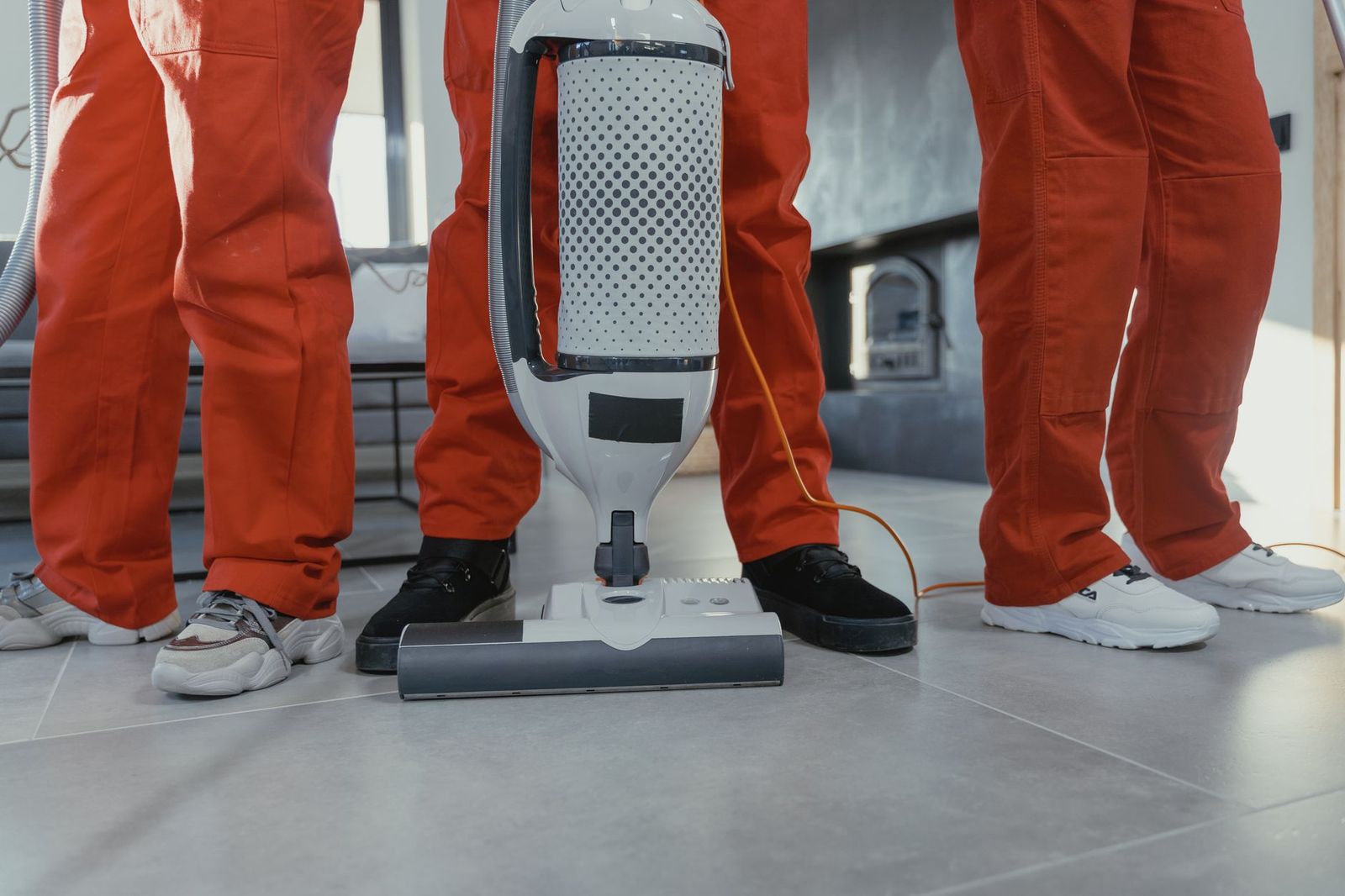
How to Use a Wet Dry Vacuum: Simple Steps, Tips and Mistakes to Avoid
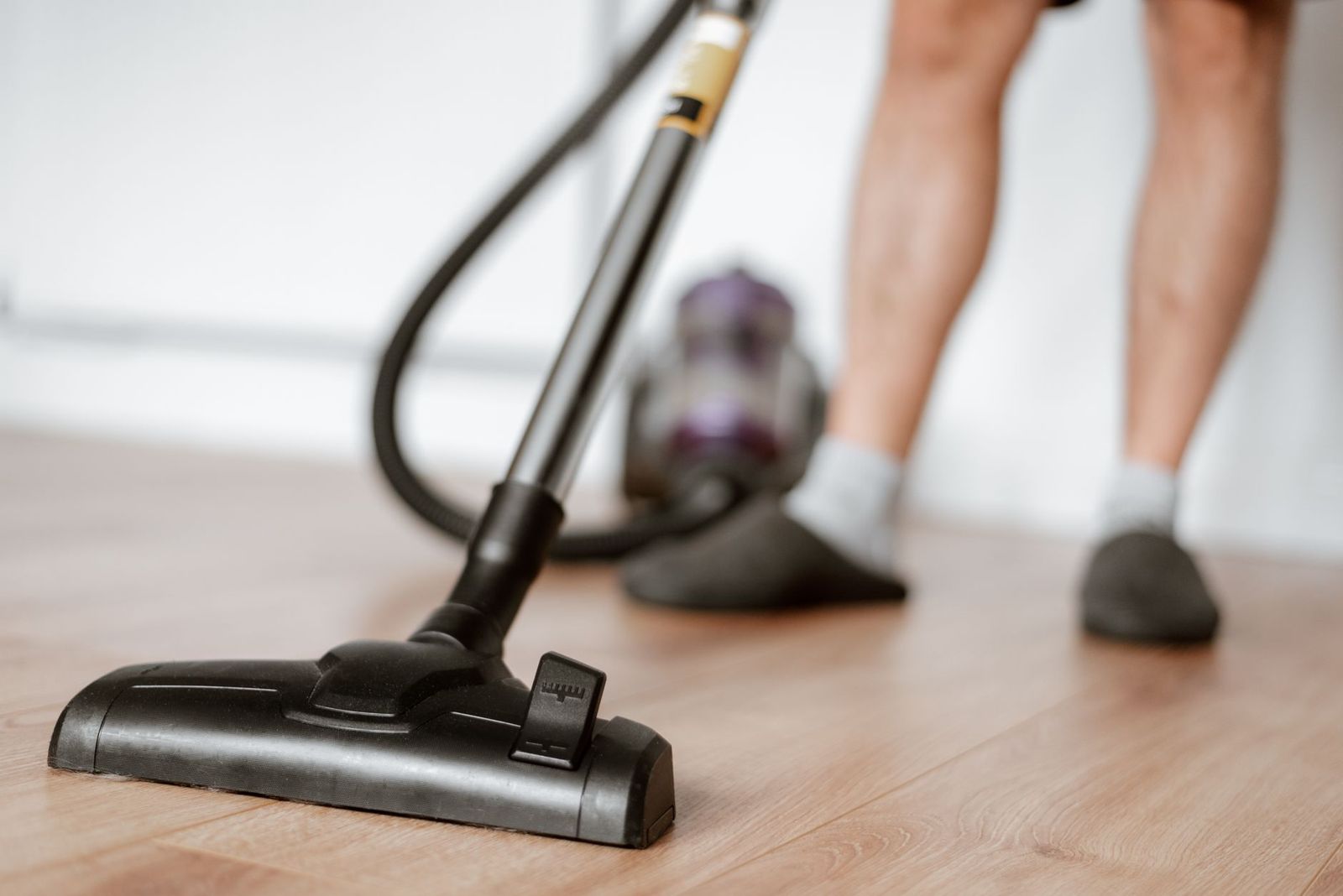
How Does a Wet Dry Vacuum Work: Expert Tips and Step by Step Guide

3 Best Compact Shop Vacuums for 2026 (Compared and Ranked)

Where to Buy a Wet Dry Vacuum: Buying Guide for 2026

Top 3 Shop Vacuums for Pet Hair in 2026: Honest Reviews and Buying Advice

How to Use a Shop Vacuum: Simple Steps, Tips and Mistakes to Avoid

3 Best Quiet Shop Vacuums for 2026 (Compared and Ranked)

Is a Wet Dry Vacuum Worth It? Honest Pros, Cons and Verdict (2026)

The 3 Best Wet Vacuums for Carpet of 2026: Expert Picks and Buying Guide

Best Compact Wet Dry Vacuums (2026): 3 Top Rated Picks Worth Buying

The 3 Best Shop Vacuums for Drywall Dust of 2026: Expert Picks and Buying Guide

Top 3 Wet Dry Vacuums for Pet Hair in 2026: Honest Reviews and Buying Advice
Matching a Shop Vac to the Job
A wet/dry vac is the tool you reach for when a household vacuum would be ruined: a flooded basement, sawdust under the table saw, wet leaves in the garage, or gravel in a truck bed. The right size depends almost entirely on what you clean most often.
- Small tanks (around 2 to 5 gallons): easy to carry and store, good for cars, small spills and quick workshop cleanup.
- Mid-size tanks (around 6 to 12 gallons): the sweet spot for most garages and DIY projects.
- Large tanks (14 gallons and up): best for water removal, renovation debris and contractors who do not want to empty often.
Specs That Matter
Peak horsepower vs airflow
Peak horsepower is a marketing figure measured under ideal conditions, so it rarely reflects day-to-day performance. If the manufacturer lists airflow (CFM) and water lift (sealed suction), those are more useful. High airflow moves light debris like sawdust, while strong water lift pulls heavy, wet material through the hose.
Filters for different messes
- Cartridge filters handle general dry debris.
- Fine dust or HEPA-rated filters are important for drywall dust and fine sanding, which can quickly clog a standard filter.
- Foam sleeves replace the paper filter for wet pickup on many models.
- Collection bags make emptying fine dust cleaner and protect the filter.
Hose and accessories
A wider hose resists clogs from wood chips and leaves, while a narrower one gives stronger suction at the tip for detail work. Look for a drain port on larger tanks, a blower port for clearing leaves, and onboard storage for tools.
Safety and Common Mistakes
- Vacuuming water with a paper filter installed. Switch to the foam sleeve or remove the cartridge as the manual directs.
- Picking up flammable liquids, hot ashes or hazardous dust. Standard shop vacs are not designed for these and can create a fire or health risk.
- Ignoring the float shutoff. When suction suddenly drops during wet pickup, the tank is full and needs emptying.
- Storing it wet. Empty and dry the tank and filters to prevent odors and mold.
Our guide to the best wet dry vacuums narrows down strong options for garages and water cleanup. For tougher outdoor grime on driveways and siding, a pressure washer is the better tool, and for quick indoor crumbs, a model from our handheld and car vacuums section is easier to grab.
Wet/Dry & Shop Vacs FAQ
What size shop vac do I need?
For cars and small spills, a tank around 2 to 5 gallons is enough. Most homeowners do well with 6 to 12 gallons, while large tanks of 14 gallons or more suit flooded basements and renovation work.
Can I use a shop vac for drywall dust?
Yes, but use a fine dust or HEPA-rated filter and ideally a collection bag. A standard filter clogs quickly with drywall dust and can let fine particles blow out the exhaust.
Do I need to remove the filter to vacuum water?
Many models require removing the paper cartridge or swapping in a foam sleeve before wet pickup. Check the manual, since some filters are designed for both wet and dry use.
Is peak horsepower a good way to compare shop vacs?
Not really. Peak horsepower reflects motor output under ideal test conditions. Airflow and water lift ratings, when listed, give a more realistic picture of cleaning performance.
Can a shop vac pick up fireplace ash?
Only if the ash is completely cold and you use a fine dust filter, and some manufacturers advise against it entirely. Never vacuum warm ash or embers, since they can ignite debris inside the tank.