
How to Use a Wet Dry Vacuum: Simple Steps, Tips and Mistakes to Avoid
Disclosure: We may earn a commission when you buy through links on this page, at no extra cost to you. As an Amazon Associate I earn from qualifying purchases. Learn more
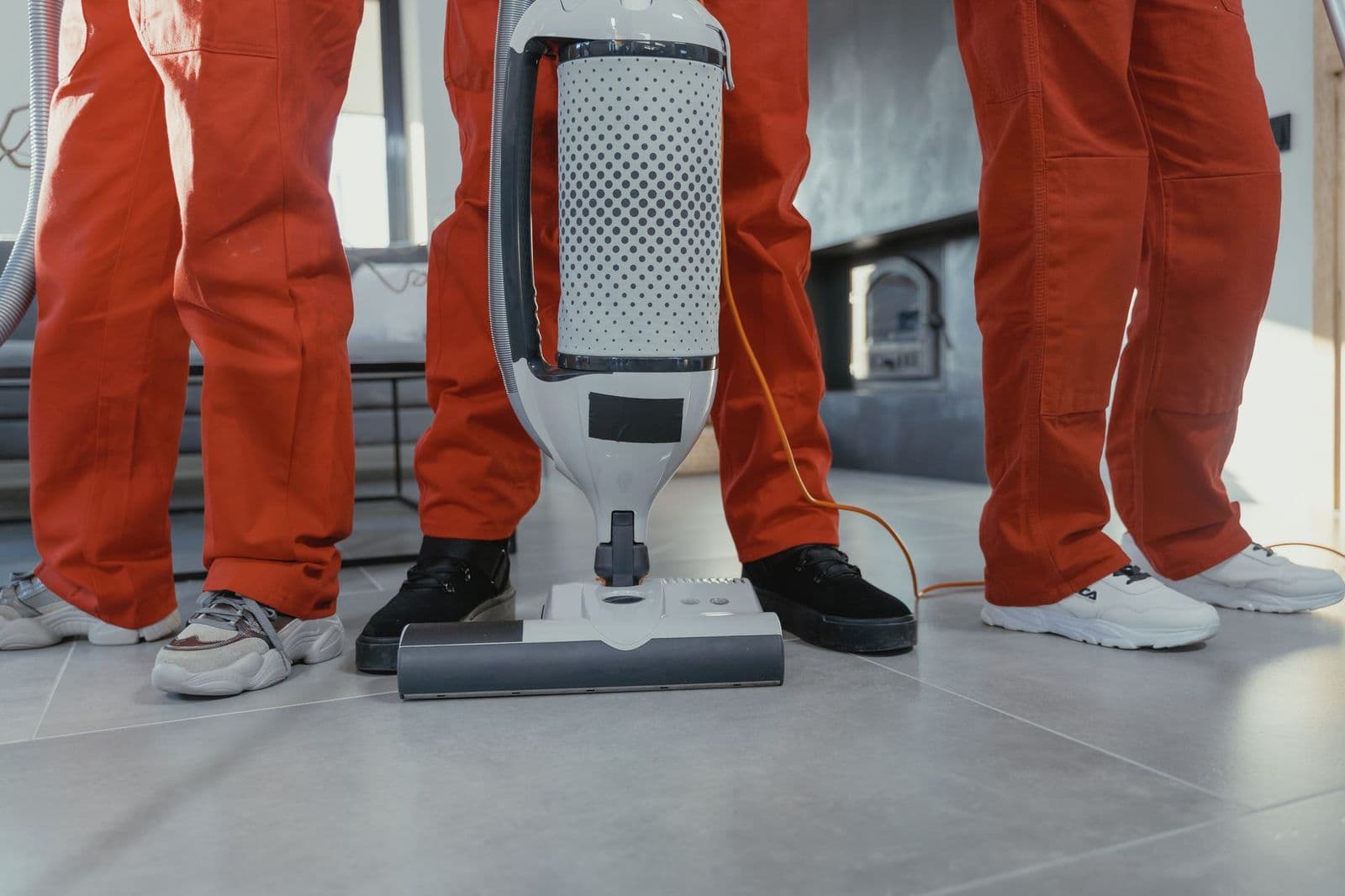
How to use a wet dry vacuum: filter setup for wet or dry jobs, safe technique, emptying, filter care and the mistakes that ruin shop vacs.
To use a wet dry vacuum, set it up for the job first: fit a dry cartridge filter with a bag for dust and debris, or remove the bag and use a foam sleeve for liquids. Then attach the right nozzle, switch it on and work in slow, overlapping passes, emptying the tank before it fills. When you finish, dump the tank, rinse and dry the filter and store the machine with the lid open so it does not smell. That is how to use a wet dry vacuum safely, whether you are clearing a flooded basement, sawdust in the garage or a spilled bucket in the laundry room.
The details below cover safety, setup for wet and dry jobs, technique, cleanup and the mistakes that burn out motors or ruin filters.
Before You Start: Safety and Prep
A wet dry vac, often called a shop vac, is tougher than a household vacuum, but it still mixes electricity and water. Plug it into a GFCI protected outlet, keep the cord out of puddles and never stand in water while you handle the plug. If a room is flooded deeper than the floor surface or water has reached outlets, shut off power at the breaker and call a professional.
Know what you are picking up. Never vacuum gasoline, solvents, paint thinner or other flammable liquids, hot ashes or anything still smoldering. Fine powders such as drywall dust, cement dust and fireplace ash need a fine dust filter or a collection bag, or they will clog a standard filter and blow back into the air. Wear safety glasses and a dust mask for dusty jobs, and gloves when you are picking up broken glass or sharp debris.
Clear large objects first, and check the hose and nozzle for cracks or leftover debris from the last job. Finally, think about where you will empty the tank. A full tank of water is heavy, so plan a short route to a drain or to the yard before you start.
How to Use a Wet Dry Vacuum Step by Step
Step 1: Set it up for wet or dry pickup
For dry pickup, install a dry cartridge filter and, if your model takes them, a collection bag. The bag holds fine dust and makes emptying much cleaner. For wet pickup, remove the paper bag and swap a paper cartridge filter for a foam sleeve or a filter rated for wet use. Many cartridge filters handle both, but a wet paper filter clogs quickly with dust later, so let it dry fully before switching back.
It helps to know the common filter types. Standard pleated cartridges handle general debris, fine dust cartridges and HEPA rated cartridges trap drywall and sanding dust, and foam sleeves are made for liquids. Check the manual for which ones fit your model, since filter shapes differ between brands and tank sizes.
Step 2: Check the tank, filter and float before you start
Make sure the tank is empty and the lid latches securely. Look at the filter for tears and caked dirt, since a damaged filter lets debris reach the motor. On wet jobs, check that the float cage under the lid moves freely. The float rises as water fills the tank and shuts off suction before liquid reaches the motor; if it sticks, water can be pulled straight in.
Step 3: Vacuum in overlapping passes
Start at the far side of the area and work back toward the door. Pull the nozzle toward you in slow, straight strokes, overlapping each pass by about half its width. For water, hold the squeegee nozzle at a slight angle so its rubber edge seals against the floor. Pause between passes to let water flow toward the nozzle instead of pushing it around.
Listen to the motor. If the pitch suddenly rises and suction drops while picking up water, the float has closed because the tank is full. Switch off, empty the tank and continue.
Dry debris needs a slightly different rhythm. Move a little faster over light dust, but slow down on gravel, wood chips and nails so heavy pieces have time to lift. Keep the hose as straight as you can, because tight bends and kinks cut airflow and are the usual place for clogs to form. If suction drops on a dry job, the filter is probably caked, so stop and tap it clean before carrying on.
Step 4: Use the right nozzle for the job
The wide floor nozzle with squeegee inserts is best for water on hard floors, and the brush insert works for dry debris. Use the crevice tool for corners, baseboards, car seats and the tracks of sliding doors. For carpet that got wet, a utility nozzle pressed firmly into the pile pulls out more water than a floor nozzle. Stairs are easiest with a short hose section and the utility nozzle.
Step 5: Empty the tank and clean the filter
Turn the vacuum off and unplug it before opening the lid. Pour liquids into a floor drain, toilet or outside where allowed, never onto a garden if you picked up chemicals. Shake dry debris into a trash bag, then tap the cartridge filter against the inside of the bag. Rinse a dirty filter with a garden hose from the inside out and let it air dry completely before the next dry job.
Step 6: Store it safely
Wipe out the tank, leave the lid off until everything is dry and coil the hose loosely so it does not kink. Store the vac indoors away from freezing temperatures if any water might remain in it. Keep spare filters and bags with the machine so the right one is always at hand.
Pro Tips for Better Results
- Use a bag for fine dust: drywall and sawdust jobs are cleaner and the filter lasts much longer.
- Prime the hose for heavy water: keep the nozzle in the water so suction stays continuous; lifting it in and out wastes time.
- Add a drain hose: many larger shop vacs have a drain port, which makes emptying a heavy tank far easier.
- Use the blower port: some models can blow, which helps clear leaves from a garage or dry a damp corner.
- Pick up the big stuff first: large chunks can block the hose and make fine debris harder to collect.
- Match the vac to the job: compact units suit cars and small spills; large tanks handle flooding and workshops.
Many people searching how to use a wet vacuum mean a hard floor cleaner that sprays and suctions water at the same time. Those machines work differently and use clean and dirty water tanks, so follow their own instructions; our best wet vacuum for hardwood floors guide covers them.
Common Mistakes to Avoid
- Using a paper filter on water: it turns soggy, tears and lets debris into the motor.
- Vacuuming fine dust without a bag or fine filter: it clogs the filter fast and puffs dust back out the exhaust.
- Ignoring a full tank: if the float shuts off suction and you keep going, you just push water around.
- Leaving water in the tank: it grows mold and smells within days.
- Picking up flammable liquids or hot ash: both are fire hazards.
- Carrying it by the hose: this cracks the hose and loosens fittings.
Frequently Asked Questions
How often should I use a wet dry vacuum?
Use it whenever a job is too messy, wet or heavy for your household vacuum: workshop cleanup, car interiors, spills, garage floors or water after a leak. There is no set schedule, but clean the filter after every few uses and always after picking up liquid, so the vac is ready when you need it. After a leak or flood, run it until no more water comes up, then use fans to finish drying.
Can beginners use a wet dry vacuum safely?
Yes. A wet dry vac is one of the simplest power tools to use. Plug it into a GFCI outlet, use the right filter for wet or dry pickup, keep flammable liquids and hot ash out of it and unplug it before opening the lid. Read the manual once and you will have the basics covered.
Final Thoughts
Learning how to use a wet dry vacuum comes down to the right filter for the job, slow overlapping passes, watching the tank level and cleaning up properly afterward. Do that and your shop vac will handle spills, sawdust and floods for years. If you are shopping for a new one, see our picks for the best wet dry vacuum and the best wet dry vacuum for pet hair, read is a wet dry vacuum worth it and check where to buy a wet dry vacuum.


