
Is a Wet Dry Vacuum Worth It? Honest Pros, Cons and Verdict (2026)
Disclosure: We may earn a commission when you buy through links on this page, at no extra cost to you. As an Amazon Associate I earn from qualifying purchases. Learn more
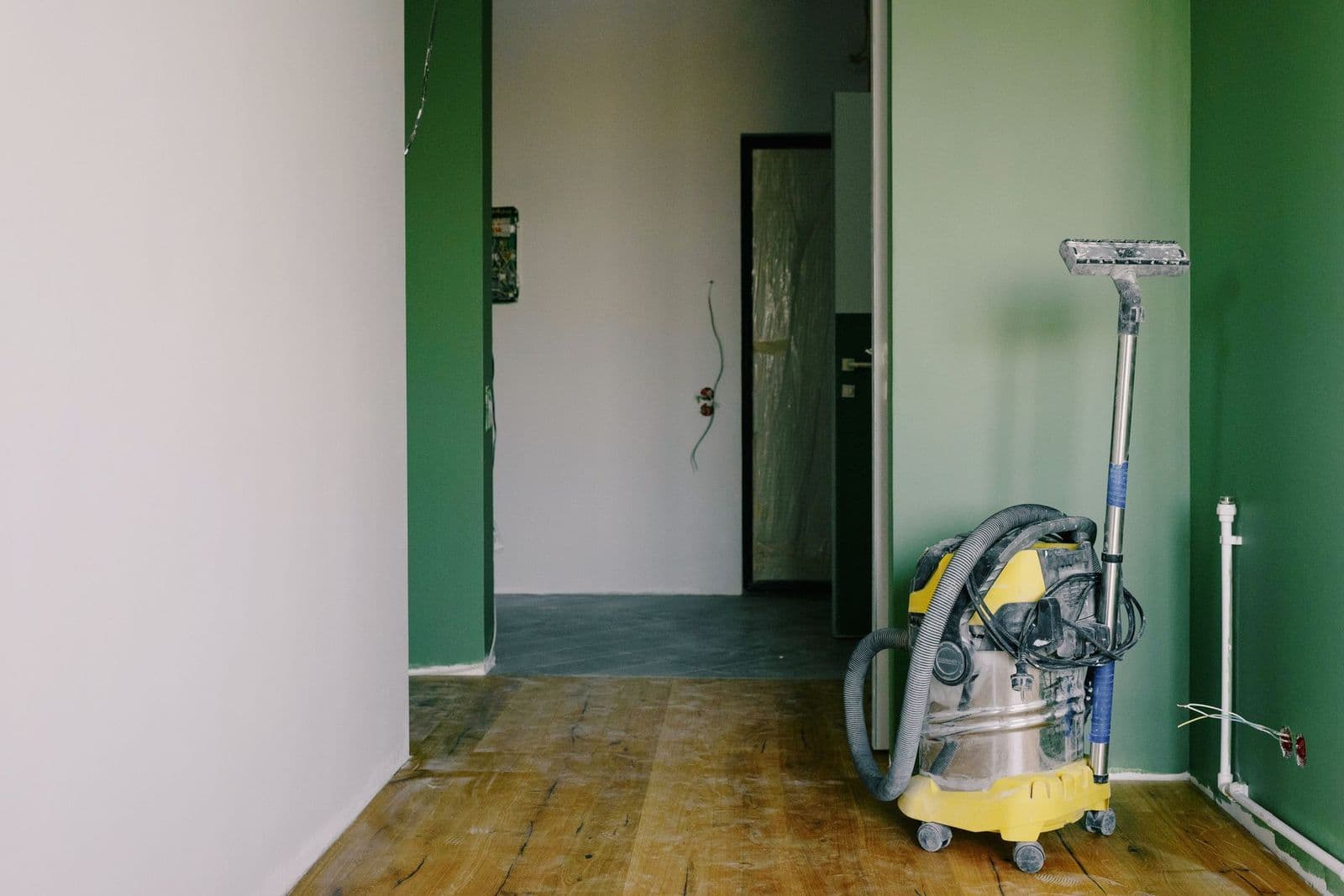
Is a wet dry vacuum worth it? What shop vacs and wet dry floor cleaners cost, their real benefits and drawbacks, and who should buy one.
Yes, for most homeowners a wet dry vacuum is worth it. A basic wet dry shop vac costs around $60 to $150 and handles spills, flooded basements, garage dirt and workshop debris that would ruin a regular vacuum, while a wet dry floor cleaner vacuums and washes hard floors in one pass. So is a wet dry vacuum worth it for you? It depends on how often you deal with water, mud and messy jobs, and which type fits your home.
Below, we break down what you get for the money, the real benefits and drawbacks, who should buy one and what it costs to own over time, so you can decide with confidence.
What You Get for the Money
The term covers two kinds of machines, and prices run from around $60 to around $800.
- Wet dry shop vacuums (around $60 to $300): Canister style machines with a tank, hose and filter that pick up liquids, sawdust, gravel and drywall dust. Entry models hold a few gallons, while larger tanks of 9 to 16 gallons suit garages and basements. Cordless versions run on tool batteries from brands like DEWALT, Milwaukee and RYOBI.
- Wet dry floor cleaners (around $200 to $800): Upright machines with clean and dirty water tanks and a spinning roller that vacuums crumbs and mops sticky spills at the same time. Higher priced models add self cleaning cycles, hot air drying and smart sensors.
The more you spend, the more capacity, suction and convenience you get. A $90 shop vac and a $500 floor washer solve very different problems, so the first step is deciding which mess you need to clean. If you are wondering is a wet dry vacuum worth buying at the higher end, the answer depends on how much hard floor you clean each week.
Benefits of Owning a Wet Dry Vacuum
There are plenty of reasons why buy a wet dry vacuum rather than relying on towels, mops and a household vacuum.
- Handles water emergencies: A shop vac can pull water from a flooded basement, an overflowing washer or a leaking water heater quickly, which can limit damage while you deal with the source.
- Cleans what regular vacuums cannot: Wet leaves, mud, sawdust, broken glass, drywall dust and fireplace debris are all jobs for a wet dry vac, not your carpet vacuum.
- Saves time on hard floors: A wet dry floor cleaner picks up debris and washes the floor in a single pass, replacing the vacuum, broom and mop routine in kitchens and entryways.
- Versatile tools: Many shop vacs work as blowers, and crevice tools and brushes help in cars, boats and workshops.
- Hygiene: Floor cleaners with separate clean and dirty tanks avoid pushing dirty water around, and self cleaning models rinse their rollers for you.
For homeowners with garages, basements, pets or busy kitchens, these benefits add up quickly. Even one avoided call to a water cleanup company or one saved afternoon of scrubbing grout lines can cover a good part of the purchase price.
Drawbacks to Consider
A wet dry vacuum is not perfect for every home, and a few downsides are worth weighing.
- Bulk and storage: Shop vacs take up floor space, and floor washers need room for their base and tanks.
- Noise: Most shop vacs are loud, often much louder than household vacuums.
- Cleanup after use: Tanks, filters and rollers must be emptied, rinsed and dried, or they can start to smell.
- Not a carpet vacuum: Shop vacs lack the brush rolls that clean carpet well, and most floor washers are made for sealed hard floors only.
- Ongoing parts: Filters, bags, rollers and cleaning solution add small recurring costs.
Who Should Buy One (and Who Should Skip It)
A wet dry shop vac is a smart buy if you own a house with a basement or garage, do DIY projects or woodworking, have a car or boat to clean, or live where storms and leaks happen. A wet dry floor cleaner suits homes with lots of tile, vinyl or sealed hardwood, kids and pets that make sticky messes, or anyone who mops several times a week. Hardwood owners can compare options in our guide to the best wet vacuum for hardwood floors, and pet owners should see the best wet dry vacuum for pet hair.
You can probably skip one if you live in a small apartment with mostly carpet, rarely deal with spills and have no garage or workshop. In that case, a good household vacuum and a simple mop may be all you need.
Cost of Ownership Over Time
Beyond the purchase price, ongoing costs are modest. Shop vacs need replacement filters and, if you use them, filter bags, plus the occasional hose or accessory. Cordless models may need a new battery after several years. Wet dry floor cleaners use replacement rollers, filters and cleaning solution, and you may want spare rollers if you clean often. Electricity use is small for both types.
With basic care, emptying the tank after each use, rinsing filters and letting everything dry, a wet dry vacuum can last many years. That spreads the cost over a long time, especially compared with paying for water cleanup or professional floor cleaning. Our guide on how to use a wet dry vacuum covers care tips that extend its life.
Alternatives Worth Considering
If a wet dry vacuum does not fit your needs, consider these options. A robot vacuum and mop combo handles daily dust and light mopping automatically. A steam mop sanitizes sealed hard floors without a tank of dirty water. A cordless stick vacuum and a spin mop cover most apartment cleaning cheaply. For water emergencies, a small utility pump can move large amounts of standing water faster than a shop vac, though it cannot pick up debris.
Our Verdict: Is a Wet Dry Vacuum Worth It?
For most homeowners, a wet dry vacuum earns its place. A shop vac is one of the most useful tools you can keep in a garage, and a wet dry floor cleaner can save real time in homes with lots of hard flooring. Choose the type that matches your messes, buy a size you can store and keep up with simple maintenance. If you only face a spill once or twice a year and have no garage, basement or large hard floor areas, you can safely put the money toward something else.
Frequently Asked Questions
Is a wet vacuum worth it?
Is a wet vacuum worth it if you have mostly hard floors? Usually yes. A wet vacuum floor cleaner washes and vacuums in one pass, which saves time and leaves floors cleaner than a mop that spreads dirty water. If your home is mostly carpet, it adds little value.
Can a wet dry vacuum replace a regular vacuum?
Not completely. Shop vacs lack carpet brush rolls and are bulky for daily use, while floor washers are designed for sealed hard floors. Most homes still benefit from a regular vacuum for carpets and rugs alongside a wet dry machine.
Why buy a wet dry vacuum instead of using a mop?
If you are wondering why buy a wet vacuum over a mop, the answer is speed and hygiene. A wet dry floor cleaner picks up debris and dirty water together, so you are not pushing grime around. For anyone who mops often, that alone usually settles the question of whether a wet vacuum is worth buying.
How long does a wet dry vacuum last?
A quality shop vac can last many years with care, because it has few moving parts. Floor cleaners usually last several years. Emptying tanks, cleaning filters and drying parts after each use extends the life of both.
What is the best wet dry vacuum to buy?
It depends on the job. Shop vacs from brands like CRAFTSMAN, DEWALT and Vacmaster suit garages and basements, while floor cleaners from Tineco and Bissell suit hard floor homes. Compare retailers in our guide to where to buy a wet dry vacuum.
Final Thoughts
So, is a wet dry vacuum worth it? For homes with garages, basements, workshops or lots of hard flooring, the answer is yes, and it usually pays for itself the first time a spill or leak strikes. Pick the type that fits your messes, and see our picks for the best wet dry vacuum to find the right model.


