
Chainsaws, Splitters & Chippers
Chainsaw, pole saw, log splitter and wood chipper guides: gas vs electric, bar length, tonnage and safety for homeowners.

The 3 Best Log Splitters for Seniors of 2026: Expert Picks and Buying Guide

Top 3 Pole Saws for Seniors in 2026: Honest Reviews and Buying Advice
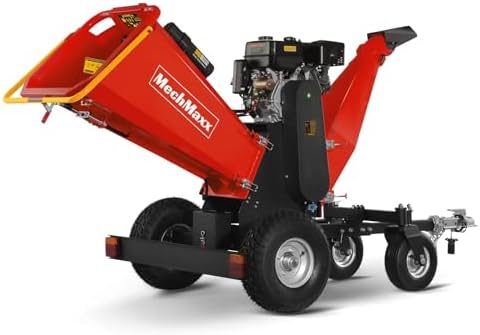
The 3 Best Wood Chippers for Heavy Duty Use of 2026: Expert Picks and Buying Guide

Best Log Splitters for Heavy Duty Use (2026): 3 Top Rated Picks Worth Buying

Top 3 Pole Saws for Dead Leaves in 2026: Honest Reviews and Buying Advice

3 Best Pole Saws for Backyards for 2026 (Compared and Ranked)

Top 3 Quiet Chainsaws in 2026: Honest Reviews and Buying Advice

3 Best Wood Chippers for Trees for 2026 (Compared and Ranked)

The 3 Best Chainsaws for Seniors of 2026: Expert Picks and Buying Guide

How to Maintain a Log Splitter: Simple Steps, Tips and Mistakes to Avoid

The 3 Best Heavy Duty Log Splitters of 2026: Expert Picks and Buying Guide

The 3 Best Gas Powered Wood Chippers of 2026: Expert Picks and Buying Guide

How Long Does a Chainsaw Last? How to Make It Last Longer
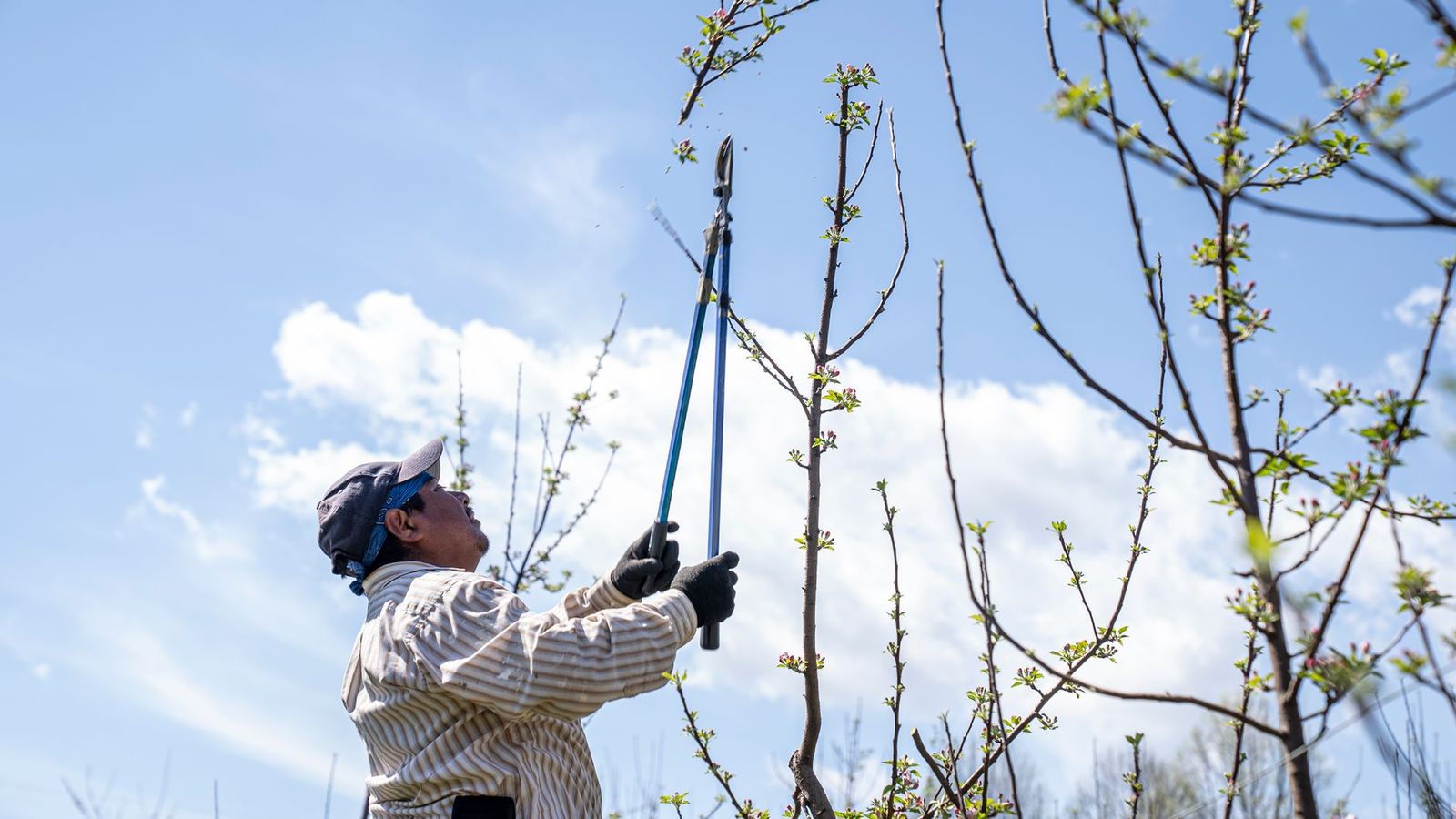
What Is a Pole Saw Used for? Everything You Need to Know (2026)

The 3 Best Gas Powered Log Splitters of 2026: Expert Picks and Buying Guide

How Much Does a Pole Saw Cost in 2026? Real Price Ranges Explained

Top 3 Lightweight Cordless Chainsaws in 2026: Honest Reviews and Buying Advice

Best Log Splitters for Homeowners in 2026: Our Top 3 Picks Reviewed

The 3 Best Compact Wood Chippers of 2026: Expert Picks and Buying Guide

Top 3 Affordable Pole Saws in 2026: Honest Reviews and Buying Advice
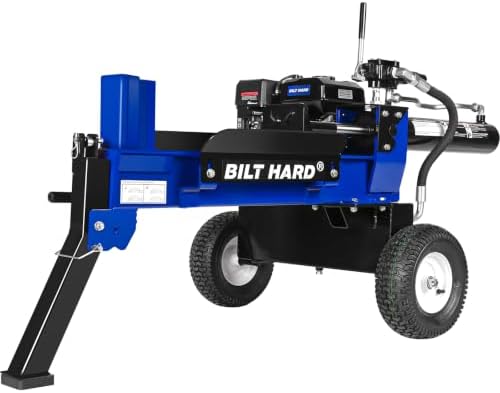
Is a Log Splitter Worth It? Honest Pros, Cons and Verdict (2026)

Is a Pole Saw Worth It? What Owners Should Know Before Buying

Best Compact Chainsaws (2026): 3 Top Rated Picks Worth Buying
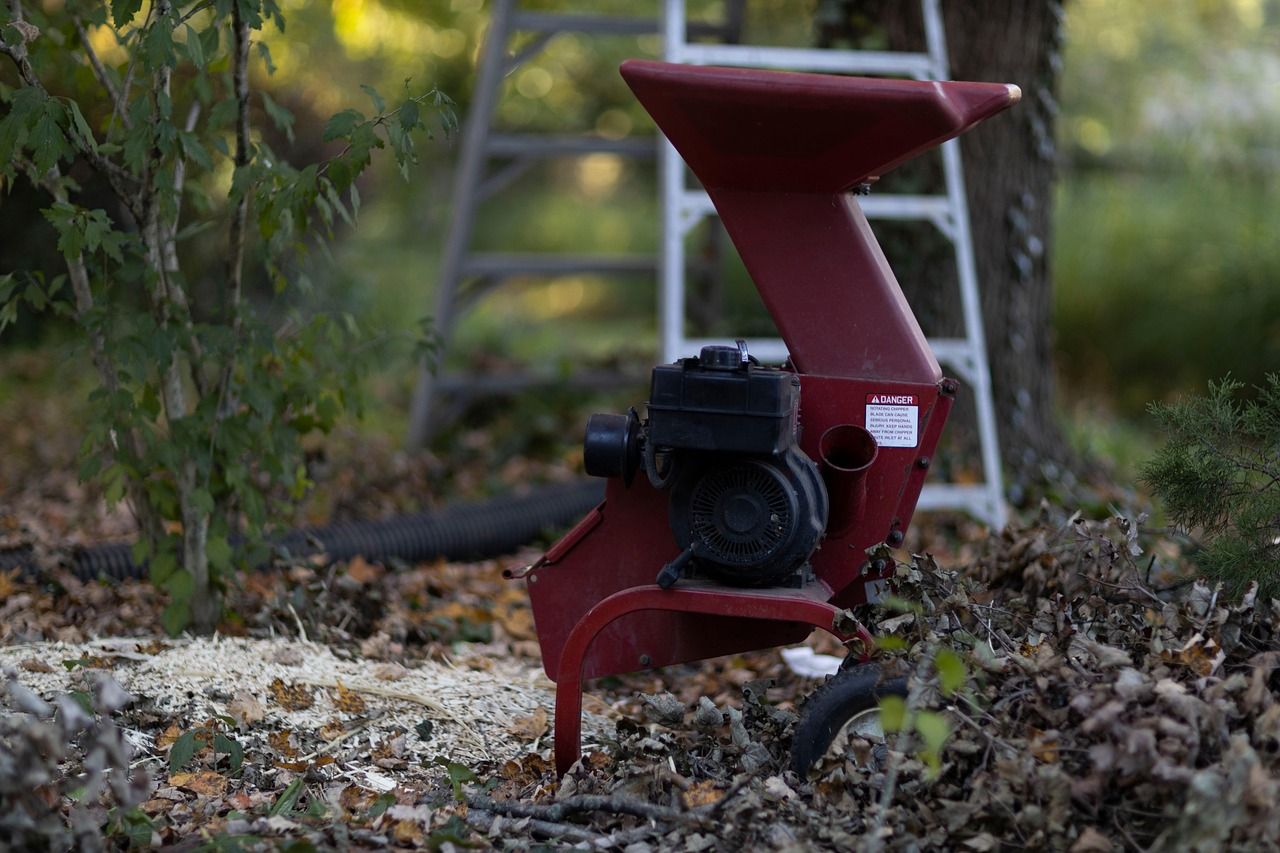
Is a Wood Chipper Worth It? Honest Pros, Cons and Verdict (2026)

The 3 Best Affordable Log Splitters of 2026: Expert Picks and Buying Guide

The 3 Best Affordable Wood Chippers of 2026: Expert Picks and Buying Guide

3 Best Lightweight Pole Saws for 2026 (Compared and Ranked)
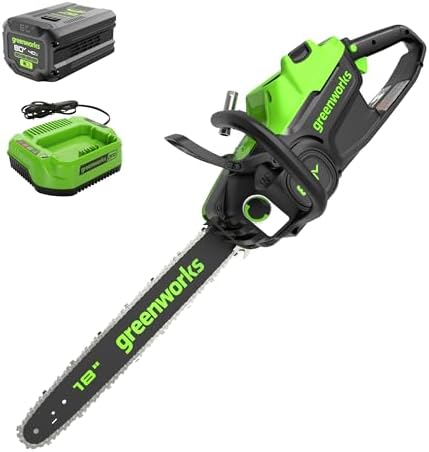
3 Best Chainsaws for Trees for 2026 (Compared and Ranked)
Where to Buy a Pole Saw: Features That Matter in 2026

Where to Buy a Wood Chipper: Features That Matter in 2026
Choosing the Right Wood-Cutting Tool
Storm cleanup, firewood and brush disposal each call for different equipment. Think about the size of the wood you handle and how often, then pick the tool that fits rather than the biggest one available.
Chainsaws
- Battery saws (around 12 to 16 inch bars) suit pruning, small trees and occasional storm cleanup. They start instantly and run quietly.
- Corded saws are light and affordable for work near the house.
- Gas saws (around 16 to 20 inch bars for homeowners) handle firewood cutting and larger trees with longer runtime.
Bar length should match your typical log diameter. A longer bar adds weight and makes the saw harder to control, so most homeowners are better off with a moderate length.
Pole Saws
Pole saws trim limbs overhead without a ladder. Keep them well away from power lines and leave large limbs or anything near utilities to professionals.
Log Splitters
Splitters are rated by tonnage. Smaller electric units around 5 to 7 tons handle seasoned softwood and modest rounds, while gas models of 20 tons or more tackle large, knotty hardwood. Horizontal models need you to lift logs onto the beam; vertical or convertible designs help with heavy rounds.
Wood Chippers and Shredders
Check the maximum branch diameter. Electric chippers suit small branches and garden debris, while gas chippers take thicker limbs and higher volume.
Safety Features and Gear
- Chain brake and low-kickback chain on any chainsaw.
- Chain catcher and throttle lockout for added protection.
- Protective gear: chaps or cut-resistant pants, a helmet with face shield and hearing protection, gloves and sturdy boots.
- Two-hand controls on log splitters, and never reach into a chipper feed chute.
Common Mistakes
Cutting with a dull chain is a frequent problem: it forces you to push harder and raises kickback risk. Others include letting bar oil run dry, cutting above shoulder height and felling trees without a planned escape path. For large or leaning trees, hiring an arborist is often the safest choice.
Compare current models in our best chainsaw guide, and see related yard gear in outdoor power equipment.
Chainsaws, Splitters & Chippers FAQ
What chainsaw bar length do I need?
For pruning and small trees, a 12 to 16 inch bar is usually enough. Homeowners cutting firewood or larger trees often choose 16 to 20 inches. Pick the shortest bar that handles your typical wood for better control.
Are battery chainsaws good enough for firewood?
Higher-voltage battery saws can cut moderate amounts of firewood, especially softwood and smaller rounds. For heavy, regular firewood cutting, a gas saw offers longer runtime and more power.
How many tons do I need in a log splitter?
Around 5 to 7 tons can handle small, seasoned softwood. Larger or knotty hardwood logs generally call for 20 tons or more, typically from a gas-powered splitter.
What safety gear should I wear with a chainsaw?
Wear chainsaw chaps or cut-resistant pants, a helmet with face shield or safety glasses, hearing protection, gloves and sturdy boots. Always engage the chain brake when moving between cuts.
Should I rent or buy a wood chipper?
If you only clear brush once or twice a year, renting a larger chipper can be more practical. Homeowners with frequent pruning debris may find a small electric or gas chipper worth owning.