Is a Log Splitter Worth It? Honest Pros, Cons and Verdict (2026)
Disclosure: We may earn a commission when you buy through links on this page, at no extra cost to you. As an Amazon Associate I earn from qualifying purchases. Learn more
Is a log splitter worth it for your firewood? Manual, electric and gas prices, real benefits and drawbacks, and who should buy or rent.
Yes, a log splitter is worth it if you burn firewood every winter and split more than a cord or two a year. It turns hours of swinging a maul into steady, low effort work, and buying your own often costs less over a few seasons than renting or paying extra for split wood. So is a log splitter worth it for you? It comes down to how much wood you burn, how hard that wood is and how much storage space you have.
If you only light a few fires a year, or you buy firewood already split, a good splitting maul or a manual kindling splitter may be all you need. Below we look at prices, real benefits, drawbacks, ownership costs and the alternatives.


What You Get for the Money
Log splitters cover a wide price range, and the biggest jumps come with power source and splitting force.
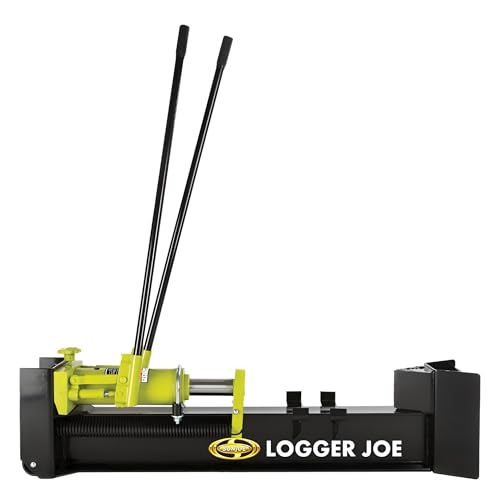
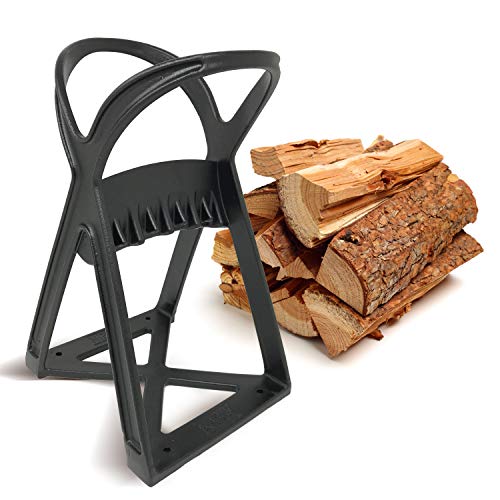
- Manual splitters (around $50 to $220): kindling splitters you strike with a mallet, slide hammer splitters and foot pumped hydraulic models. They are cheap, quiet and need no fuel, but they are slow and best for small rounds.
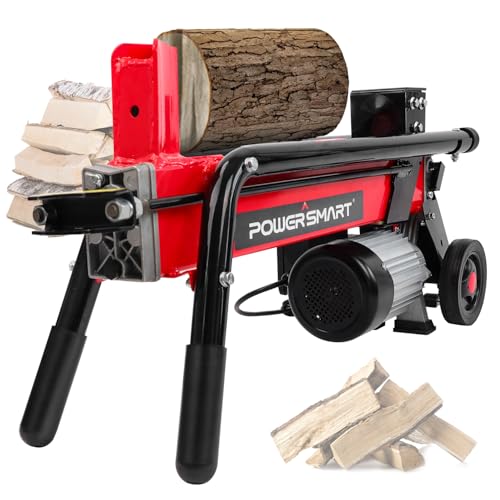
- Electric splitters (around $320 to $770): most home units deliver around 6.5 to 7 tons of force and plug into a regular outlet. They suit small and medium rounds of seasoned wood and can be used in a garage.
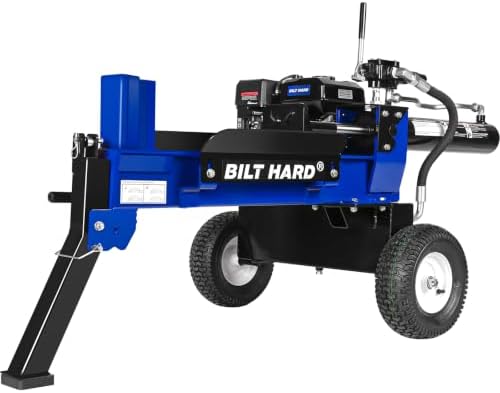
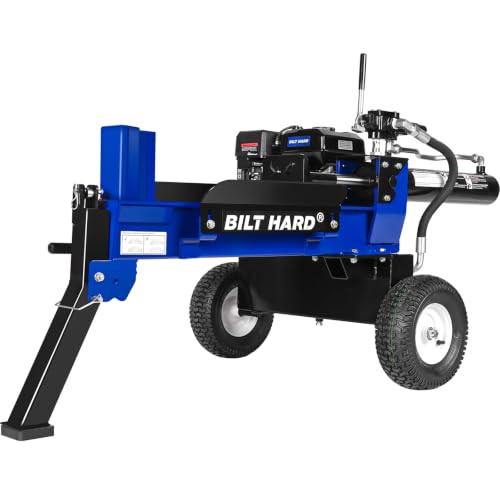
- Gas splitters (around $780 to $3,700): hydraulic machines from about 20 tons up to 35 or 40 tons, with engines, towable frames and often a vertical mode for heavy rounds. They split large, knotty logs quickly.
Force matters most. A small electric unit handles typical fireplace logs, while big hardwood rounds call for a gas model. Our guide on how much does a log splitter cost breaks pricing down in more detail.
Beyond force, check the maximum log length and diameter, the cycle time and whether the beam works both horizontally and vertically. Vertical mode lets you roll a heavy round into place instead of lifting it onto the beam, which is a big help with large pieces. Features like auto return, a four way wedge and a log cradle add cost but speed up the work.
Benefits of Owning a Log Splitter
The first benefit is your body. Splitting with a maul is hard on the back, shoulders and wrists, and it gets harder with age. A wood splitter does the heavy work while you load the log and pull a lever, so you can process a winter's supply of firewood without being sore for days.
Speed is the second. A gas splitter with a fast cycle time can split a pile in an afternoon that would take a weekend by hand. Even a modest electric model is far quicker than swinging an axe at stubborn, knotty pieces.
Owning one also saves money if you have access to free or cheap logs. Buying rounds or cutting your own and splitting them at home usually costs much less than buying split, seasoned firewood by the cord. Over a few winters, the splitter can pay for itself.
Safety improves too. Axes and mauls can glance off a knot, while a splitter keeps the blade path controlled and your feet out of the swing zone. That combination of savings, speed and less strain is the main reason why buy a log splitter rather than keep splitting by hand.
Drawbacks to Consider
Log splitters are bulky and heavy. Gas models need a garage or shed bay and often a trailer hitch to move, while even electric units take up floor space for most of the year.
Gas splitters are loud, need fuel and seasonal engine care, and cost a lot up front. Electric units are quieter but slower, limited by cord length and less able to handle large, green or knotty hardwood rounds.
Any splitter carries risks. Hands near the wedge, logs that pop or roll and hydraulic leaks all demand care. Two person operation on large machines raises the risk of accidents if both people are not careful.
Finally, if you burn only a small amount of wood, a splitter may sit idle for years and never earn back its price.
Who Should Buy One (and Who Should Skip It)
A log splitter makes sense if you:
- Heat with a wood stove or burn several cords a year.
- Have access to free logs from storms, land clearing or your own property.
- Have back, shoulder or joint issues that make swinging a maul painful.
- Have space to store a machine and, for gas models, a way to move it.
For typical suburban needs, see our picks for the best log splitter for homeowners. If you split big hardwood rounds, look at the best log splitter for heavy duty use.
You can probably skip buying if you only use a fireplace for occasional fires, buy firewood already split, or have no room to store the machine. In those cases, renting once a year or using a maul is more practical.
Cost of Ownership Over Time
Electric splitters are cheap to run. Electricity costs little, and upkeep is mostly checking the hydraulic oil, keeping the wedge sharp and storing the unit dry.
Gas models cost more each year. Budget for fuel, engine oil changes, spark plugs, air filters and hydraulic fluid and filter changes on the maker's schedule. Hoses and seals wear over time, and a cover helps protect a splitter stored outdoors.
Manual splitters have almost no running costs beyond a sharp wedge. Whatever the type, regular care keeps the machine safe and extends its life, and a well kept splitter often holds resale value.
Alternatives Worth Considering
A splitting maul and wedges cost little and work well for small amounts of wood, especially for people who enjoy the exercise. Kindling splitters make small pieces safely. Renting a gas splitter for a day or weekend suits people with one big pile a year, and sharing the rental with a neighbor cuts the cost. Buying split, seasoned firewood skips the work entirely, though it costs the most per cord.
Our Verdict: Is a Log Splitter Worth It?
If you burn wood all winter or have a steady supply of logs, a splitter saves time, money and your back, and it usually pays for itself within a few seasons. An electric model suits most homeowners with small and medium rounds, and a gas model makes sense for big piles of hardwood. If you only enjoy the odd fire, a maul, a kindling splitter or a rental is the smarter choice.
Frequently Asked Questions
Is an electric or gas log splitter better?
It depends on your wood. Electric splitters are quieter, cheaper and nearly maintenance free, and they handle typical seasoned fireplace logs. Gas splitters deliver far more force and faster cycles, so they suit large, knotty or green hardwood rounds. If you are unsure, our guide on what size log splitter do I need matches tonnage to log size.
Can a log splitter handle green or wet wood?
Yes, but it takes more force. Green wood is tougher and more fibrous than seasoned wood, so a small electric unit may stall on large or knotty green rounds. Gas splitters with higher tonnage handle fresh cut logs much better. Splitting green wood early is still smart, because split pieces dry faster than whole rounds.
How long does a log splitter last?
A well maintained log splitter can last many years, and many homeowners use the same one for a decade or more. Hydraulic fluid changes, sharp wedges, clean filters and dry storage make the biggest difference. Gas engines need the most care, while electric motors and manual models have fewer parts to wear out.
What is the best log splitter to buy?
The best one matches your wood. Electric splitters of around 6.5 to 7 tons fit most homeowners who burn seasoned logs, while gas splitters of 20 tons or more fit heavy use. Before deciding is a log splitter worth buying, compare tonnage, log length capacity and cycle time with the wood you actually burn.
Final Thoughts
So, is a log splitter worth it? For anyone who heats with wood or processes several cords a year, yes: it saves your back, speeds up the job and cuts firewood costs. Choose the power source and tonnage that match your logs. When you are ready to shop, see our picks for the best log splitter.