
What Size Log Splitter Do I Need: Features That Matter in 2026
Disclosure: We may earn a commission when you buy through links on this page, at no extra cost to you. As an Amazon Associate I earn from qualifying purchases. Learn more
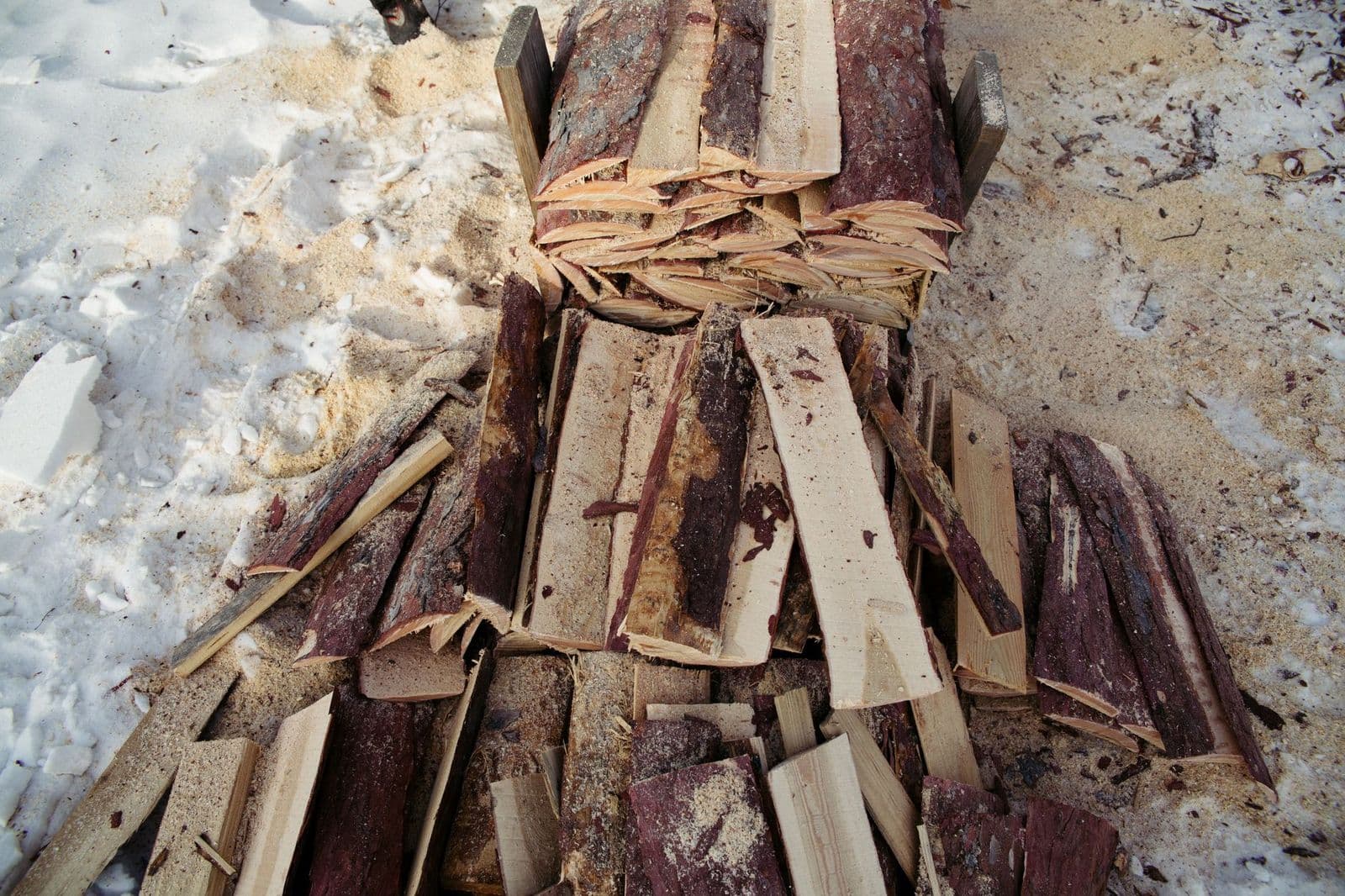
What size log splitter do I need? Match tons of force to your wood, plus log length, cycle time, power source and price ranges.
If you are asking what size log splitter do i need, the short answer is that most homeowners splitting seasoned firewood up to about 10 to 12 inches across are well served by a 5 to 10 ton electric splitter. Bigger rounds, knotty hardwoods like oak or elm, and green wood call for 20 to 27 tons, which usually means a gas splitter. Commercial and farm users who process cords of large hardwood every year should look at 30 tons and up.
The right size depends on the diameter, length and type of wood you split, how much you split each year, and where you will use the machine. This guide explains each factor in plain English so you can buy the right splitter the first time.
What Size Log Splitter Do I Need? A Simple Sizing Guide
Splitting force is measured in tons. More tons let a splitter push through wider, tougher and wetter logs. Wood species matters as much as diameter: softwoods like pine and fir split easily, while hardwoods like oak, hickory and especially elm, with its interlocked grain, need far more force. Green wood also takes more force than seasoned wood.
Use this table as a starting point, then move up a size if you split mostly hardwood or green wood.
| Typical user | Log diameter | Wood type | Suggested force |
|---|---|---|---|
| Occasional fireplace user, small yard | Up to 8 to 10 inches | Seasoned softwood and light hardwood | 4 to 6 tons, electric or manual |
| Regular wood stove user, suburban lot | 10 to 14 inches | Mixed seasoned hardwood | 7 to 10 tons, electric |
| Rural home heating mainly with wood | 14 to 20 inches | Hardwood, some green | 16 to 25 tons, gas |
| Farm, acreage or firewood seller | 20 inches and up | Large, knotty or green hardwood | 27 to 35+ tons, gas |
Remember that a splitter's rated tonnage is a maximum. Knots, crotches and twisted grain can stall a small machine even on modest diameter logs. If you regularly split wood near the top of a splitter's range, the next size up will feel much easier and wear less.
A quick way to check your own answer to what size log splitter do I need is to look at your woodpile. Measure the five widest rounds you split last season, note the species, and ask whether the wood was seasoned or fresh cut. If most rounds are under 12 inches and seasoned, a 7 to 10 ton electric model is plenty. If several are wider than 16 inches, or you split fresh oak and elm, plan on a gas splitter in the 20 to 27 ton range.
What Is a Log Splitter and Do You Need One?
A log splitter uses force, usually from a hydraulic ram, to push a log against a wedge or push a wedge through a log. It replaces swinging an axe or maul, which is tiring, slow and harder on the back and shoulders.
You probably need one if you burn more than a cord or two of wood per year, have back or joint problems, or process large rounds after tree removal. If you only burn a few armloads of kindling for occasional fires, a good maul may be enough. Our guide on is a log splitter worth it helps you decide.
Main Types of Log Splitters
Manual splitters include hydraulic foot or hand pump models and slide hammer designs. They are inexpensive, quiet and need no power, but they are slow. They suit occasional users and small logs.
Electric splitters plug into a standard outlet and usually deliver 4 to 10 tons. They are quiet, clean and can be used in a garage or shed. They are the best fit for most suburban homeowners splitting seasoned wood.
Gas splitters use a small engine to drive a hydraulic pump, typically delivering 20 to 35 tons or more. They handle large, tough hardwood and can be towed to the woodpile. They suit rural homes, large properties and serious wood burners.
Kinetic splitters use a flywheel to store energy and release it quickly, giving very fast cycle times. They are popular with high volume users but cost more.
PTO and tractor mounted splitters run off a tractor's hydraulics or power take off. They are ideal for farms that already own a tractor.
Key Features to Consider
Knowing what to look for in a log splitter helps you balance power, speed, convenience and price. These are the details that matter most.
Splitting Force (Tons)
Match tonnage to your largest regular logs and toughest wood. A 5 ton electric splitter handles most seasoned firewood under about 10 inches, while 20 tons and up are needed for big hardwood rounds. Buying a little more force than you need prevents stalls and reduces strain on the machine.
Electric vs Gas vs Manual
Electric splitters are quiet, low maintenance and indoor friendly but limited in power. Gas splitters are powerful and portable but louder, heavier and need engine care. Manual splitters are cheap and simple but slow. Choose based on the volume you split and where you split it. Electric models are also the easiest to start in cold weather, a real plus in late fall when most firewood gets processed.
Log Length and Diameter Capacity
Every splitter has a maximum log length, often 18 to 26 inches. Measure your stove's firebox and the length you usually cut. Diameter limits are less strict, but very wide rounds may need to be split in stages or quartered with a four way wedge.
Cycle Time
Cycle time is how long the ram takes to extend and retract. Faster cycles split more wood per hour. Gas and kinetic splitters often cycle in under 15 seconds, while small electric models can be slower. For large volumes, cycle time matters as much as tonnage.
Horizontal vs Vertical
Horizontal splitters are easy for normal logs that you can lift onto the beam. Vertical or convertible splitters let you roll heavy rounds into place instead of lifting them, which saves your back with big logs.
Portability and Wheels
Electric splitters often have small wheels for rolling around a garage. Gas splitters may have tow hitches and road tires so you can pull them behind a truck or tractor. Consider where you store the machine and how far you move it. A 25 ton gas splitter can weigh several hundred pounds, so check towing speed limits and whether the tongue folds for storage.
Safety Controls
Two handed controls keep hands away from the wedge. Log cradles, guards and automatic ram return add safety and convenience. Always wear gloves, eye protection and sturdy boots, and never let children near a running splitter.
How Much Should You Spend?
Entry level electric and manual splitters start around $120 and handle small, seasoned logs for occasional use. Mid range electric and small gas models around $400 suit most homeowners who heat with wood part of the time. Premium gas, kinetic and commercial splitters run around $2,600 or more for heavy, high volume work. For a detailed breakdown, see our guide on how much does a log splitter cost.
Where to Buy a Log Splitter: Amazon vs Big Box Stores vs Specialty Shops
When deciding where to buy a log splitter, Amazon offers the widest selection, verified owner reviews and home delivery, which helps with heavy machines. Big box stores let you see the splitter in person and sometimes offer assembly. Outdoor power equipment dealers are best for large gas and commercial splitters, with setup and local warranty service.
Common Buying Mistakes to Avoid
Buying too little tonnage is the most common mistake, especially for hardwood or green wood. The opposite mistake, buying a huge gas splitter for a few cords of pine, wastes money and space. Ignoring log length capacity can leave you recutting every round. Many buyers also overlook cycle time, which decides how long a big pile takes. Finally, skipping safety gear and reading the manual can lead to injuries. Learning how to choose a log splitter based on your real wood, volume and space avoids all of these.
Frequently Asked Questions
What to look for in a log splitter?
Look at splitting force in tons, log length capacity, cycle time and power source first. Then check portability, safety controls, warranty and owner reviews. Matching these to the size and type of wood you split matters more than any single headline number.
How long does a log splitter last?
A well maintained log splitter can last many years, and quality gas and hydraulic models often run for a decade or more. Changing hydraulic fluid and engine oil, keeping the wedge sharp and storing the splitter out of the weather all extend its life.
What is the best brand of log splitter?
Several brands have strong reputations, including Champion, Boss Industrial, WEN, Southland and NorthStar for home and heavier use. The best brand depends on the tonnage and type you need. Our best log splitter guide compares top models across brands.
Where should I start if I am a first time buyer?
Start by measuring the wood you split most often and deciding whether you need electric or gas. Most first time buyers with seasoned firewood do well with a 7 to 10 ton electric model. Our picks for the best log splitter for homeowners are a good shortlist, and the best log splitter for heavy duty use covers bigger machines.
Final Thoughts
Answering what size log splitter do i need comes down to your wood: 5 to 10 tons for seasoned firewood at home, 20 tons and up for big or green hardwood. Weigh log length, cycle time and power source, and think about how to choose the best log splitter for your real volume. For specific models, see our picks for the best log splitter.


