
What Size Chainsaw do i Need: Features That Matter in 2026
Disclosure: We may earn a commission when you buy through links on this page, at no extra cost to you. As an Amazon Associate I earn from qualifying purchases. Learn more

What size chainsaw do I need? A simple sizing table by yard and wood size, plus the features, budgets and mistakes that matter.
Most homeowners need a chainsaw with a 14 to 16 inch bar for pruning, storm cleanup and small firewood, while those who cut thicker trees or heat with wood are better served by an 18 to 20 inch saw. As a rule, choose a bar about 2 inches longer than the thickest wood you cut regularly. That is the short answer to what size chainsaw do I need, and the rest of this guide shows how yard size, wood type and power source change it.
Below you will find a sizing table, the main types of saws, the features that matter most, realistic budgets and the mistakes that lead people to buy the wrong saw.
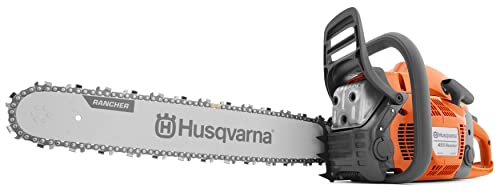


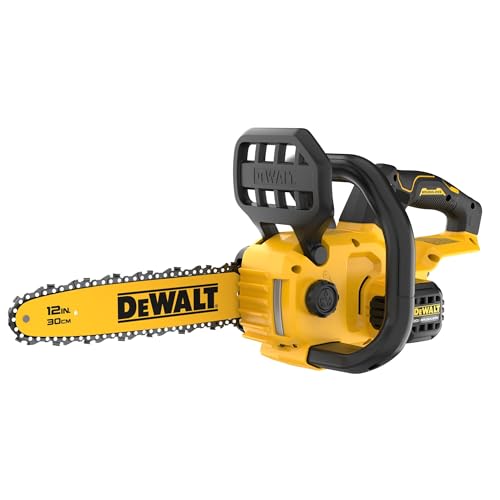
What Size Chainsaw Do I Need?
Bar length is the number that defines a chainsaw's size. It is measured from the front of the saw body to the tip of the bar, and it sets the largest log you can cut comfortably. A longer bar is not automatically better: it adds weight, makes the saw harder to control and increases the risk of kickback. The goal is to match the bar to the work you actually do.
| Your property and jobs | Suggested bar length | Typical power source |
|---|---|---|
| Small yard, pruning, limbs under 6 inches | 6 to 12 inches | Compact battery or corded |
| Suburban lot, storm cleanup, small trees | 14 to 16 inches | Battery (40V to 56V) or light gas |
| Large lot, regular firewood, trees up to 16 inches | 16 to 18 inches | High voltage battery or 40 to 50 cc gas |
| Acreage, felling big trees, heating with wood | 18 to 20 inches | 50 cc and larger gas |
A bar can technically cut wood nearly twice its length by working from both sides, but that takes skill. For everyday use, size the bar to the diameter you cut most often.
Wood type matters too. Soft species such as pine and poplar cut quickly, so a smaller saw copes with larger rounds, while dense oak, hickory and maple ask more of the motor or engine. If most of your wood is hardwood, move up one step in power rather than in bar length. Beginners and occasional users should stay at 16 inches or less, and our picks for the best chainsaw for homeowners focus on that range.
What Is a Chainsaw and Do You Need One?
A chainsaw is a handheld power saw that drives a toothed chain around a guide bar. It cuts far faster than a bow saw or pruning saw, which makes it the go to tool for clearing fallen trees, bucking firewood and removing large limbs.
You probably need one if you have mature trees on your property, live where storms bring down branches, or burn wood for heat. If your yard only produces a few small branches each year, loppers or a pruning saw are safer and cheaper. Very large or leaning trees near buildings are a job for a professional regardless of the saw you own.
Main Types of Chainsaws
Gas chainsaws offer the most power and unlimited runtime with a spare fuel can. They suit acreage, firewood and felling, but they are loud, heavier and need engine maintenance.
Battery chainsaws start instantly, run quietly and need little upkeep. Modern 40V to 80V models handle most homeowner work, making them the best choice for suburban yards. Runtime depends on battery size.
Corded electric chainsaws are light and inexpensive with endless runtime, but the cord limits range. They work well for small yards close to the house.
Mini and pruning saws with 6 to 12 inch bars are for branches and light trimming, often one handed. Pole saws put a small chain on a long shaft for overhead limbs, and top handle saws are specialist tools for trained arborists working in trees.
Key Features to Consider
Once you know the size, these features decide which saw is right. They also answer what to look for in a chainsaw when two models look similar on paper.
Bar Length and Cutting Capacity
Match the bar to your typical wood, as shown in the table. Many saws accept more than one bar length, so check the range the maker recommends before swapping. A shorter bar on a powerful saw cuts faster and feels more controllable, which is why many experienced users run a 16 inch bar even on a 50 cc engine.
Gas vs Battery vs Corded
Gas wins on power and runtime, battery on convenience and low noise, corded on price. If you are wondering what size cordless chainsaw do I need, most battery users are happiest with a 14 to 16 inch bar, since longer bars drain batteries faster.
Engine Size or Battery Voltage
For gas saws, 35 to 45 cc suits light work and 45 to 60 cc handles regular firewood. For battery saws, 40V to 56V covers typical yards and 80V and up rivals midsize gas saws.
Weight and Balance
A heavy saw is tiring and harder to control. Battery weight adds up, so compare total weight with the battery installed. Balance matters as much as the number on the scale: a saw that sits level in your hands is easier to guide through a cut and less likely to twist when the chain bites.
Chain Brake and Safety Features
Look for a chain brake, chain catcher, throttle lockout and low kickback chain. These features matter most for beginners. Pair them with proper gear: chainsaw chaps, a helmet with face screen and ear protection, cut resistant gloves and sturdy boots. The safest saw in the world still depends on the person holding it.
Tool Free Tensioning
Chains loosen as they warm up. Tool free tensioning lets you adjust quickly in the field without a scrench.
Runtime and Battery Ecosystem
Larger amp hour batteries cut longer. If you already own a brand's yard tools, sticking with that platform saves money on batteries and chargers. As a rough guide, a 4.0Ah or larger pack handles an afternoon of limbing on a typical suburban lot, while a 2.0Ah pack is better suited to quick pruning jobs.
How Much Should You Spend?
Expect to pay around $110 for an entry level corded or compact battery saw that handles pruning and small limbs. Around $300 buys a strong midrange battery kit or homeowner gas saw for storm cleanup and firewood. Premium saws, around $600, include professional grade gas models and high voltage battery kits for frequent heavy cutting. Remember to budget for safety gear, bar oil, a spare chain and, for battery saws, possibly a second battery. Our guide on how much does a chainsaw cost goes deeper into running costs.
Where to Buy a Chainsaw: Amazon vs Big Box Stores vs Specialty Shops
If you are deciding where to buy a chainsaw, Amazon offers the widest selection, verified owner reviews and fast delivery. Big box stores let you handle a saw before buying and simplify returns. Specialty dealers offer setup, service and warranty support, which matters for gas saws.
Is a Chainsaw Worth Buying?
For homeowners with trees, yes. One saw handles storm cleanup, firewood and tree trimming that would otherwise mean hiring help for every small job, and a good one lasts many years. It is not worth it if you only face a few thin branches a year or are not willing to learn safe technique and wear protective gear. In those cases, a pruning saw or a rental is the smarter choice.
Common Buying Mistakes to Avoid
The most common mistake is buying too much saw: a 20 inch gas model for a small yard is heavy, intimidating and more dangerous for a beginner. Others include choosing a tiny battery saw for regular firewood, ignoring total weight, skipping safety gear, and buying a battery saw from a brand whose other tools you will never use. Finally, do not forget a sharpening file or service plan, since a dull chain makes any saw unsafe.
Frequently Asked Questions
What to look for in a chainsaw?
Start with the right bar length for your wood, then choose a power source that fits your yard. Check for a chain brake, low kickback chain and tool free tensioning, and compare weight with the battery or fuel included. Good owner reviews and warranty support are worth paying for.
Is a chainsaw worth buying?
A chainsaw is worth buying if you have trees, deal with storm damage or cut firewood. It saves time and money compared with hiring help for small jobs. If you only trim a few thin branches, loppers or a pruning saw are cheaper and safer.
Is a chainsaw worth it?
For most homeowners with a wooded yard, yes, because a single saw covers years of cleanup and firewood work. It is worth it only if you commit to safe use, protective gear and basic maintenance such as sharpening and checking chain tension.
Is a cordless chainsaw worth buying?
Yes, for most suburban homeowners. Cordless saws start instantly, are quieter and need far less maintenance than gas saws, and 40V to 80V models handle typical yard jobs. Choose gas instead if you cut large trees or need all day runtime far from a charger.
What is the best brand of chainsaw?
Stihl, Husqvarna and Echo lead in gas saws, while EGO, Greenworks, Milwaukee and DEWALT are strong in battery models. The best brand for you depends on the power source you want and whether you already own batteries from a particular tool platform.
Final Thoughts
When you ask what size chainsaw do I need, start with the thickest wood you cut regularly, add about 2 inches and pick a power source that suits your yard. For most homeowners that means a 14 to 16 inch battery saw, while firewood burners and owners of wooded acreage should look at 18 to 20 inch gas saws. Getting what size chainsaw do I need right the first time means a saw you will actually enjoy using. Ready to buy? See our picks for the best chainsaw and the best chainsaw for trees, and read how long does a chainsaw last to protect your investment.


