
Soil, Planting & Composting
Planting and soil guides: raised garden beds, compost bins, greenhouse kits, soil testers and garden tillers.

Best Greenhouse Kits for Vegetable Gardens in 2026: Our Top 3 Picks Reviewed

Top 3 Greenhouse Kits for Small Yards in 2026: Honest Reviews and Buying Advice

3 Best Greenhouse Kits for Small Gardens for 2026 (Compared and Ranked)

Top 3 Soil Testers for Flower Beds in 2026: Honest Reviews and Buying Advice

3 Best Soil Testers for Clay Soil for 2026 (Compared and Ranked)

Best Soil Testers for Vegetable Gardens in 2026: Our Top 3 Picks Reviewed

3 Best Soil Testers for Small Gardens for 2026 (Compared and Ranked)

Best Soil Testers for Seniors (2026): 3 Top Rated Picks Worth Buying

The 3 Best Soil Testers for Raised Beds of 2026: Expert Picks and Buying Guide
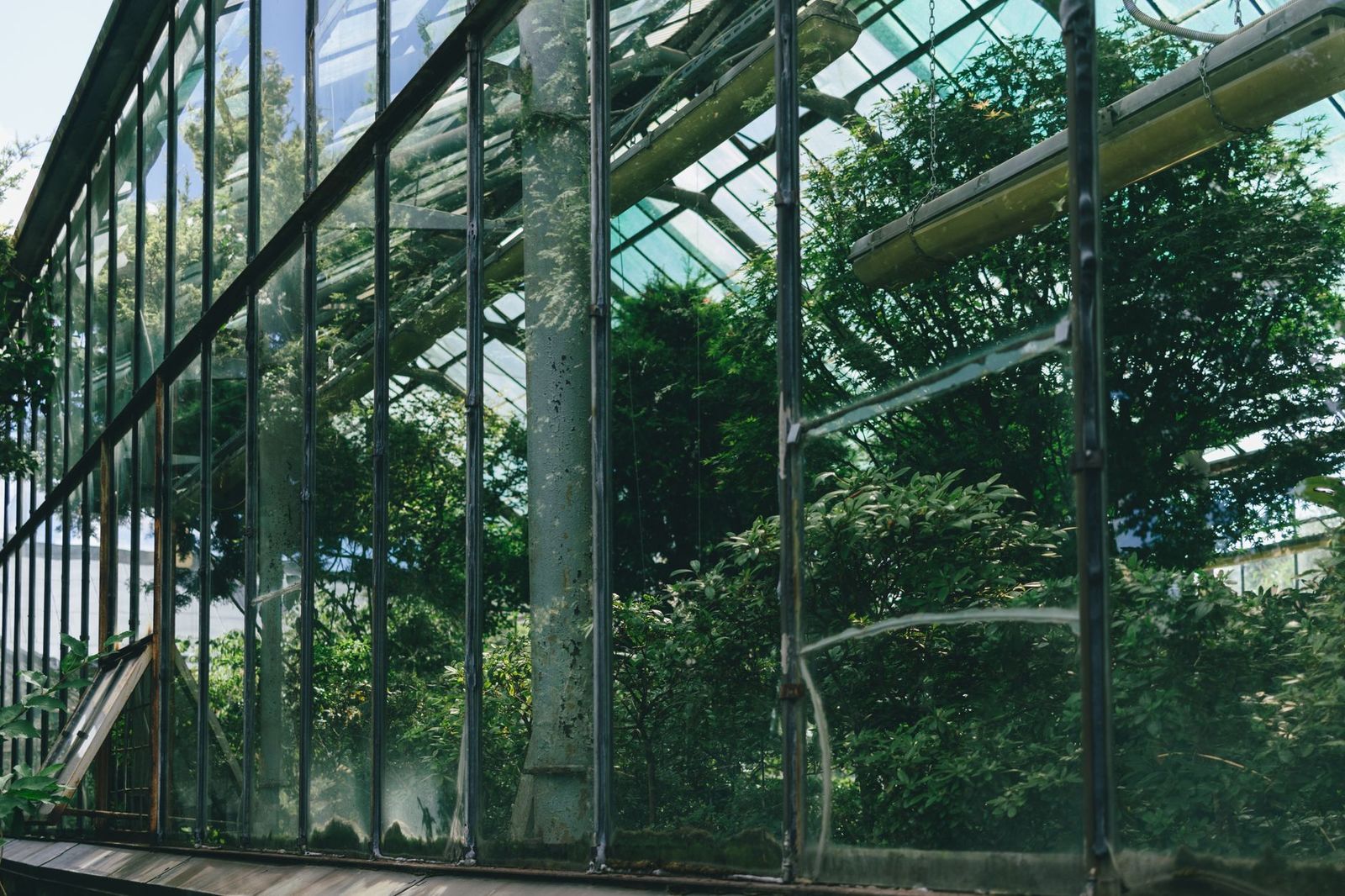
How to Clean a Greenhouse Kit: Simple Steps, Tips and Mistakes to Avoid

How to Clean a Garden Tiller the Right Way: Easy Step by Step Guide

Top 3 Raised Garden Beds for Clay Soil in 2026: Honest Reviews and Buying Advice

The 3 Best Compost Bins for Heavy Duty Use of 2026: Expert Picks and Buying Guide

The 3 Best Greenhouse Kits for Seniors of 2026: Expert Picks and Buying Guide

The 3 Best Greenhouse Kits for Large Yards of 2026: Expert Picks and Buying Guide

The 3 Best Soil Testers for Backyards of 2026: Expert Picks and Buying Guide

The 3 Best Soil Testers for Heavy Duty Use of 2026: Expert Picks and Buying Guide
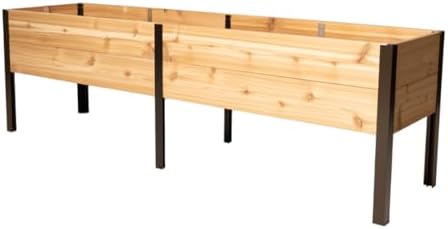
How to Maintain a Raised Garden Bed: Step by Step Guide for 2026

How Does a Raised Garden Bed Work: Expert Tips and Step by Step Guide

How to Use a Greenhouse Kit the Right Way: Easy Step by Step Guide

3 Best Gas Powered Garden Tillers for 2026 (Compared and Ranked)

Best Heavy Duty Garden Tillers in 2026: Our Top 3 Picks Reviewed

How Does a Soil Tester Work: Expert Tips and Step by Step Guide
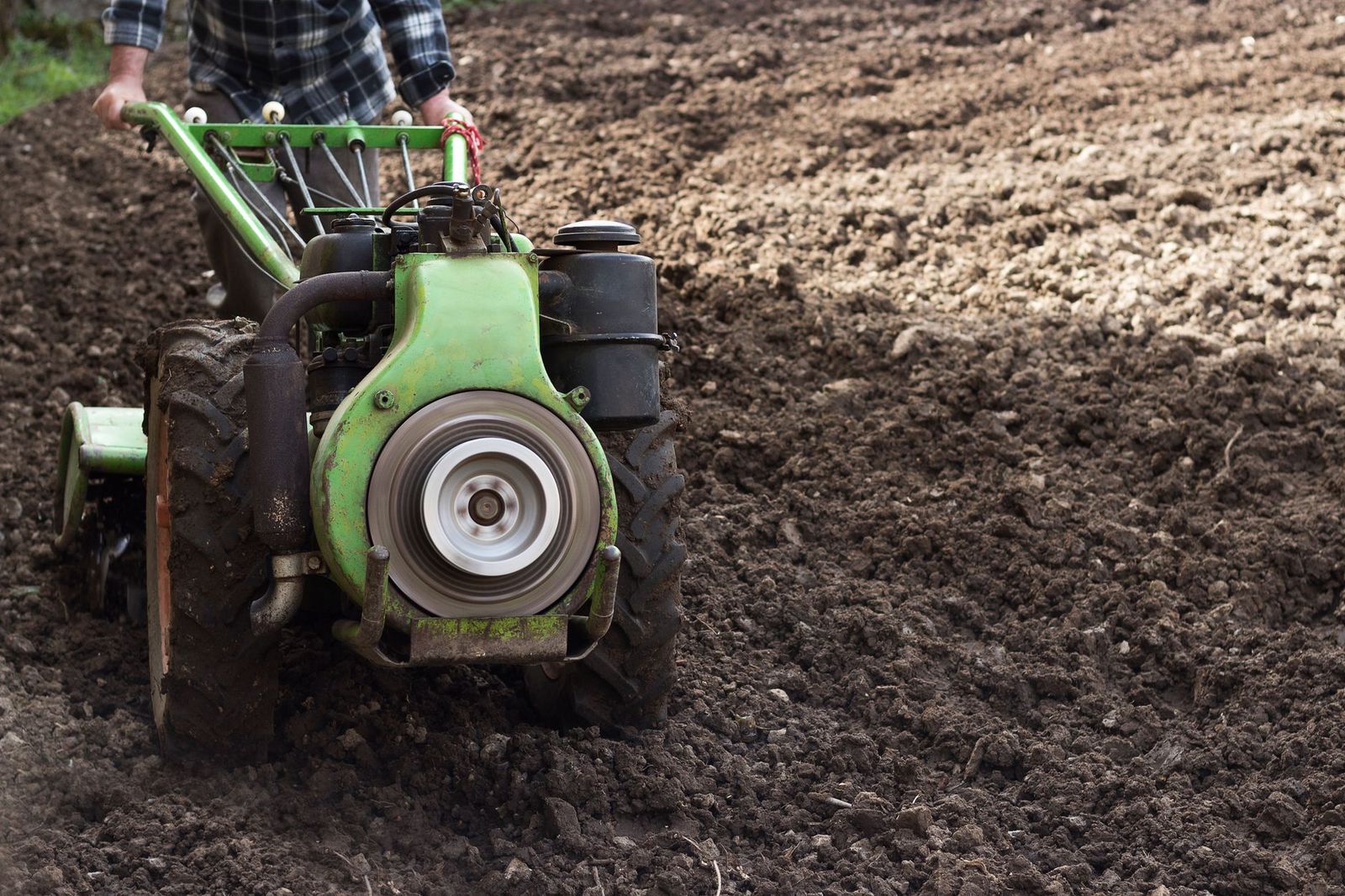
What Is a Garden Tiller Used for: A Complete Guide for 2026
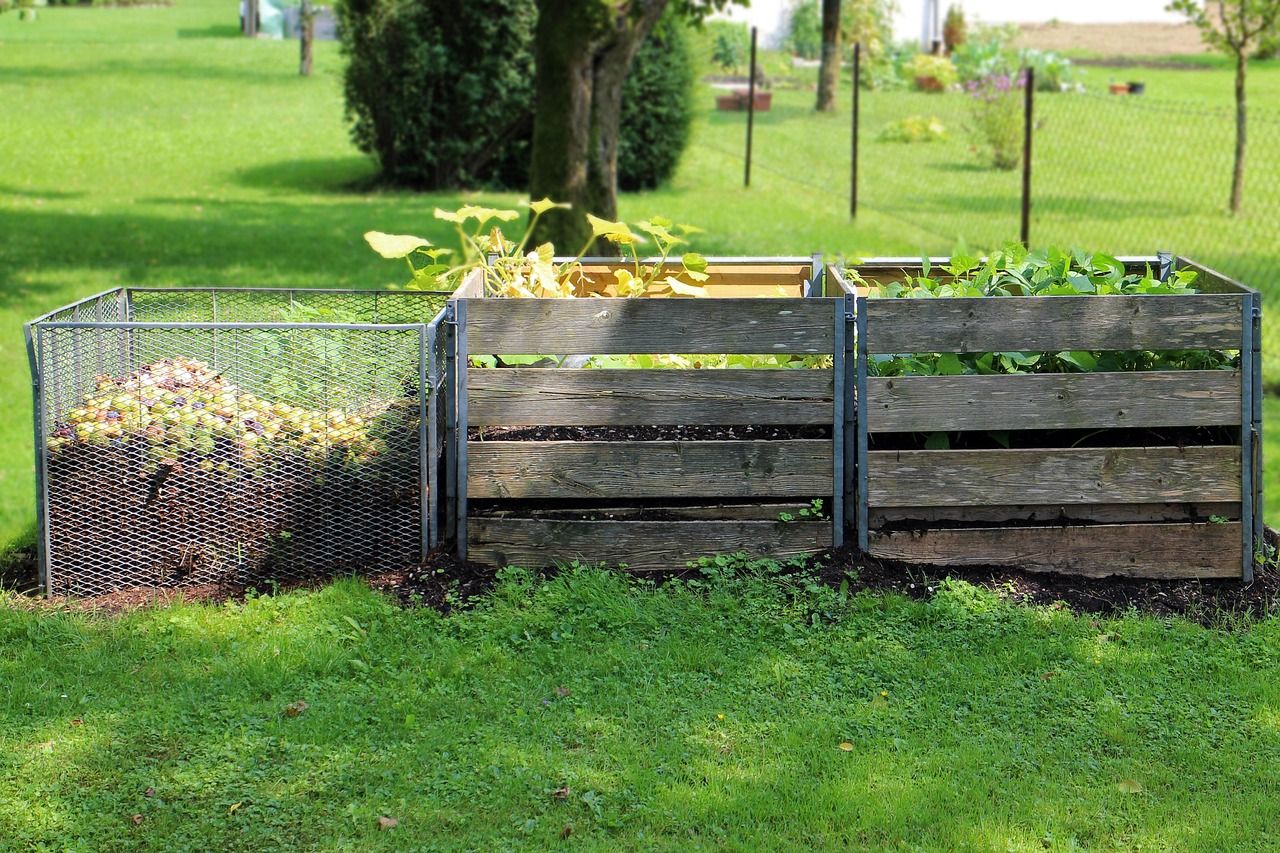
How Much Does a Compost Bin Cost in 2026? Real Price Ranges Explained

How to Use a Raised Garden Bed the Right Way: Easy Step by Step Guide
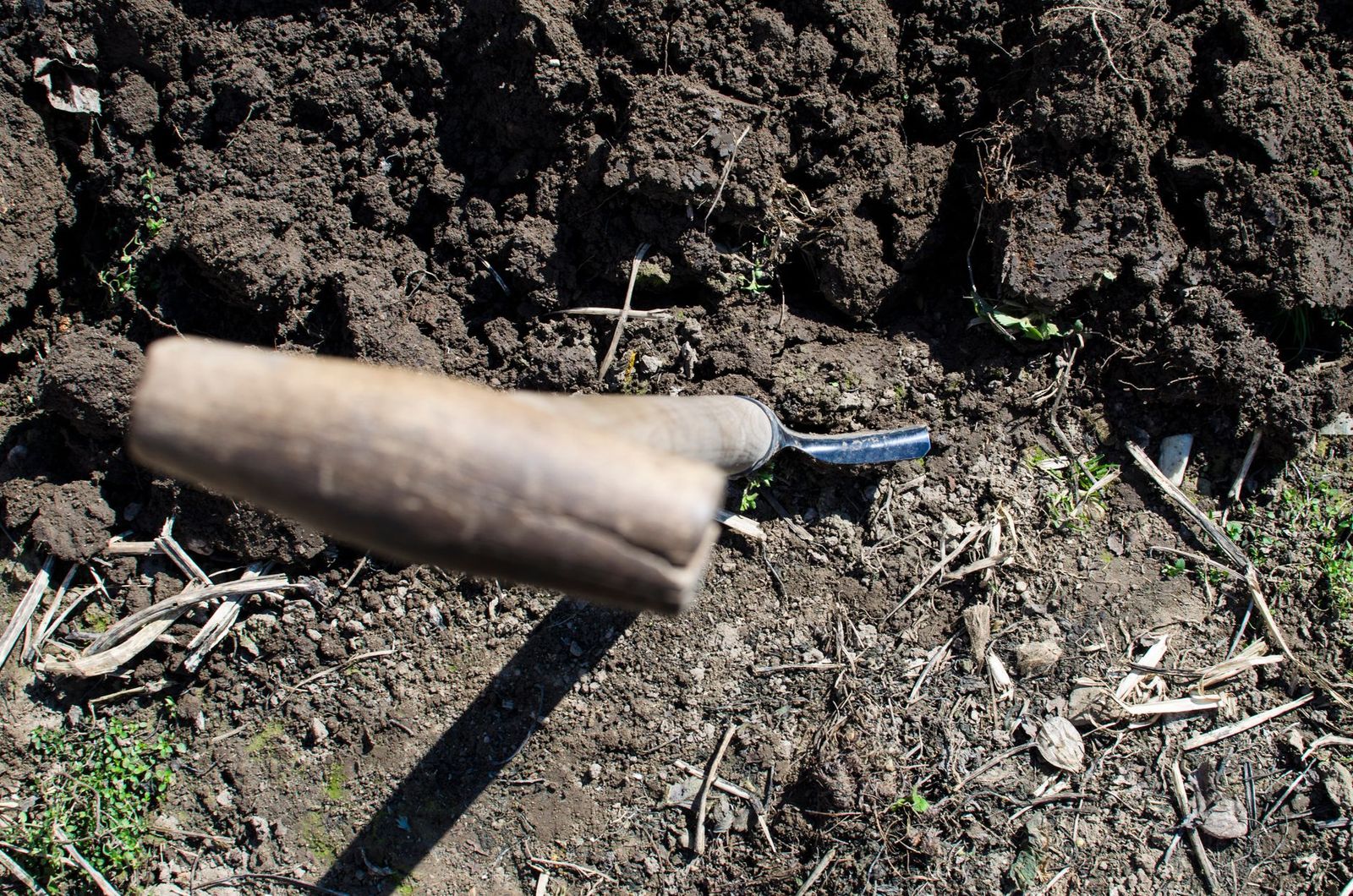
How to Use a Garden Tiller: Simple Steps, Tips and Mistakes to Avoid
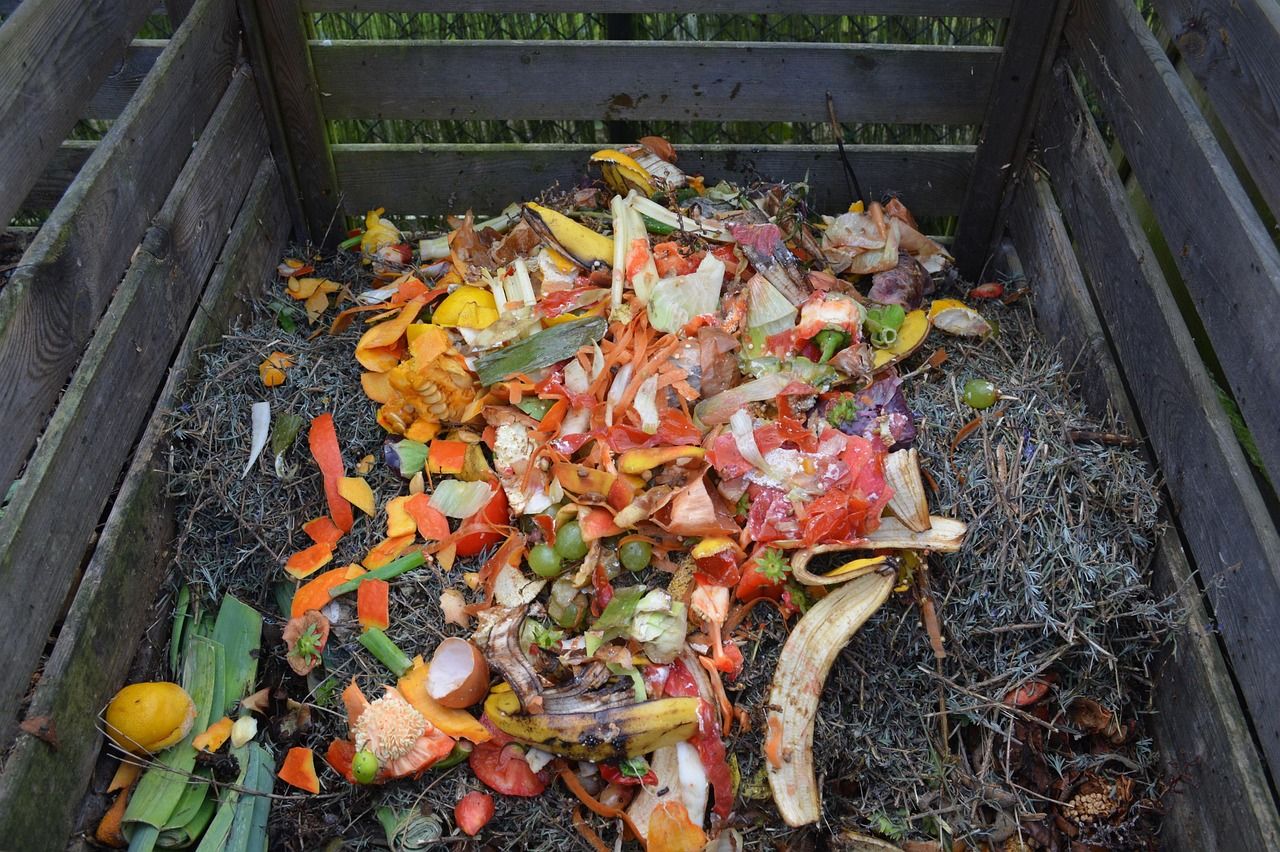
How to Maintain a Compost Bin the Right Way: Easy Step by Step Guide

3 Best Electric Compost Bins for 2026 (Compared and Ranked)

Best Garden Tillers for Clay Soil (2026): 3 Top Rated Picks Worth Buying
Good Soil Is the Real Secret to a Productive Garden
Plants can only be as healthy as the ground they grow in. Before spending on new seeds or plants, it pays to understand your soil and build it up with organic matter. The gear in this category helps you test, improve and protect that foundation.
Know Your Soil First
A soil tester shows pH, and some models also estimate moisture, light and nutrient levels. Most vegetables and flowers prefer slightly acidic to neutral soil. Inexpensive probes give a rough reading, while a lab test through a local extension service offers more detailed results and specific recommendations.
Raised Beds, Tillers and Greenhouses
- Raised garden beds warm up earlier in spring, drain well and let you control the soil mix. Cedar, galvanized steel and composite are durable choices. Avoid old treated lumber of unknown origin for food crops.
- Garden tillers break new ground and mix in compost. Front-tine tillers suit small, established beds, while rear-tine models handle tough or new soil. Avoid tilling too often, since it can damage soil structure.
- Greenhouse kits extend the growing season. Look for sturdy framing, good ventilation and anchoring that matches the wind in your area.
How to Choose a Compost Bin
- Stationary bins are simple and hold a large volume, though turning them takes a pitchfork and some effort.
- Tumblers rotate on a frame, making turning easy and keeping critters out. They hold less and can get heavy when full.
- Worm bins work well indoors or on balconies for kitchen scraps.
Whatever type you pick, balance "greens" (food scraps, fresh clippings) with "browns" (dry leaves, cardboard), keep the pile about as damp as a wrung-out sponge and turn it regularly. Skip meat, dairy, oily foods and pet waste in a home system. Our picks for the best compost bins cover both stationary and tumbler designs.
Common Mistakes
- Filling raised beds with straight topsoil. A blend with compost holds moisture and nutrients better.
- Letting a compost pile get too wet or too dry, which slows decomposition and causes odors.
- Adding fertilizer without testing, which can throw nutrients out of balance.
Moving soil and compost is much easier with the right gear. A sturdy wheelbarrow and quality spades from our garden hand tools and carts section make bed building far less tiring.
Soil, Planting & Composting FAQ
How long does it take to make compost?
With a good balance of greens and browns, regular turning and steady moisture, compost can be ready in a few months. An untended pile still breaks down, but it may take a year or more.
Is a compost tumbler better than a compost bin?
Tumblers are easier to turn and keep pests out, so they often produce compost faster. Stationary bins hold more material and cost less, which suits larger yards with lots of leaves.
What soil should I use in a raised garden bed?
A mix of quality topsoil and compost works for most vegetables and flowers. Many gardeners also add a material like aged bark or other organic matter to keep the mix loose and well draining.
Do I need a tiller for my garden?
A tiller helps when breaking new ground or working large plots. For established raised beds, a garden fork and added compost are usually enough, and tilling less helps protect soil structure.
How accurate are home soil testers?
Simple probes and kits give a useful general idea of pH and moisture. For precise nutrient readings and fertilizer advice, a lab test through a local extension service is more reliable.