
3 Best Gas Powered Garden Tillers for 2026 (Compared and Ranked)
Disclosure: We may earn a commission when you buy through links on this page, at no extra cost to you. As an Amazon Associate I earn from qualifying purchases. Learn more

The best gas powered garden tiller picks: Honda FG110 mini tiller, Earthquake Pioneer dual direction and Earthquake Victory rear tine, plus buying tips.
Electric tillers are handy for loose beds, but they run out of muscle in compacted soil, and cords or batteries limit how far you can go. If you are working a big vegetable plot, breaking sod or tilling far from an outlet, gas is still the practical choice. The best gas powered garden tiller starts reliably, digs to a useful depth and matches its size to your garden. We compared engines, tine design, width and depth, handling, owner feedback on Amazon and price against features to pick our favorites.
Our three picks are the compact Honda FG110 for most home gardens, the Earthquake Pioneer dual direction rear tine tiller as a premium all rounder, and the Earthquake Victory rear tine tiller for breaking tough ground.


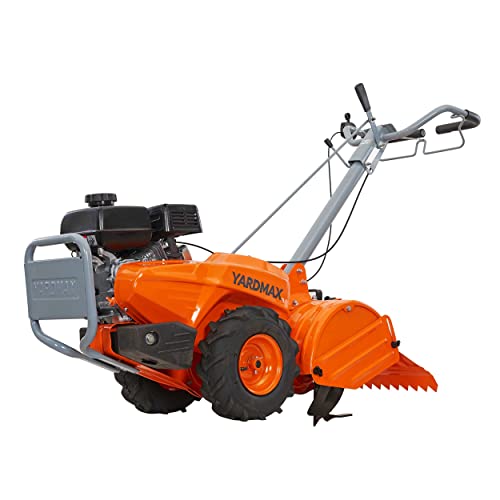
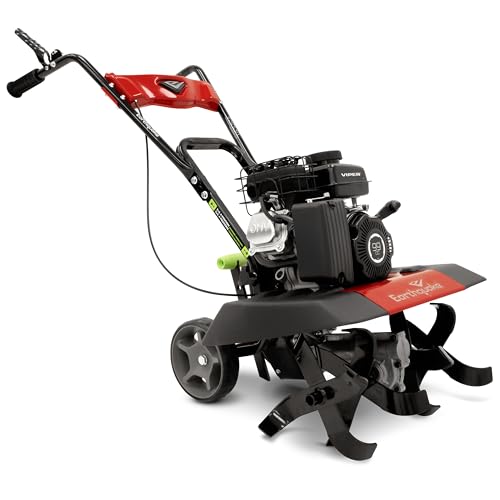
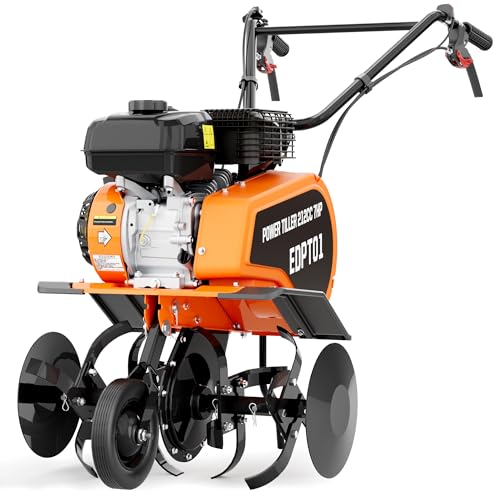

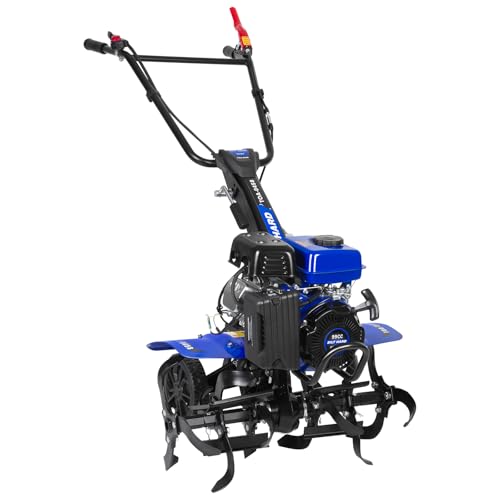
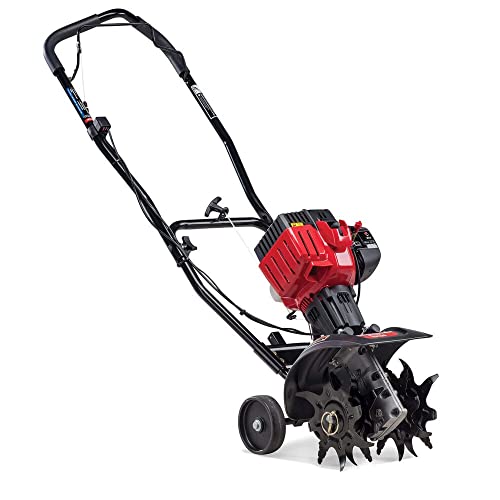
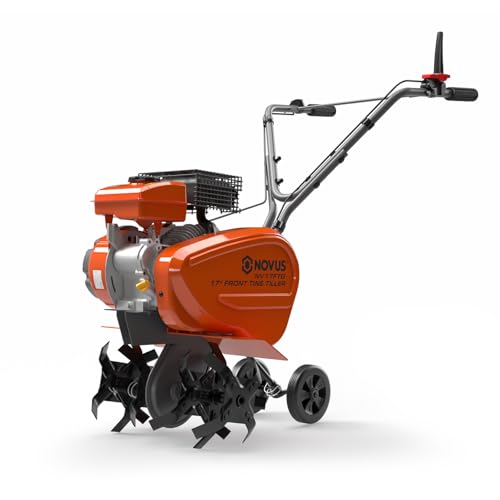

Our Top 3 Picks at a Glance
- Best Overall: Honda FG110 Mini Tiller Cultivator (around $490). A 29 pound four stroke Honda that needs no fuel mixing and switches between 9 and 6 inch widths.
- Best Premium Pick: Earthquake Pioneer 31285 Dual Direction Rear Tine Tiller (around $1,100). Counter and standard rotation, instant reverse, airless wheels and up to 11 inches of depth.
- Runner Up: Earthquake Victory Rear Tine Tiller (around $800). A 209cc engine, bronze gear transmission, counter rotating tines and a 5 year limited warranty.
How We Chose the Best Gas Powered Garden Tiller
We considered gas tillers sold new and in stock on amazon.com, from compact cultivators to rear tine machines. Each was judged on engine reliability and ease of starting, tine design and rotation, tilling width and depth, weight and handling, owner feedback and review volume, and value. Warranty coverage and brand support also weighed in, since a tiller should last many seasons.
Gas Powered Garden Tiller Reviews
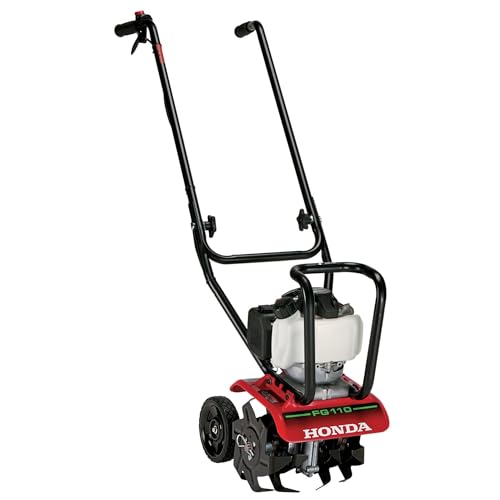
1. Honda FG110 Mini Tiller Cultivator: Best Overall
- Honda GX25 four stroke engine, runs on straight unleaded gas
- Patented hybrid tines: half angled for digging, half for cultivating
- Tilling width: 9 inches, or 6 inches with outer tines removed
- Weight: about 29 pounds, with two position transport wheels
- Adjustable depth bar, folding handle, 2 year residential warranty
Why We Picked It
For most home gardens, the Honda FG110 hits the sweet spot. Its GX25 four stroke engine is known for quick, easy starts and runs on regular unleaded gas, so there is no oil to mix. Honda's hybrid tines dig and cultivate at the same time, which makes it effective at loosening soil and mixing in compost in established beds.
At about 29 pounds it is light enough to lift into raised beds, and you can narrow it to 6 inches to work within about an inch of plants. The adjustable depth bar lets you control how deep and how fast it digs, and the folding handle makes storage easy. It also has a large base of owner reviews for a gas cultivator.
Pros
- Honda's reputation for reliable, easy starting engines
- Compact storage and light weight
- No fuel mixing with a four stroke engine
Cons
- Expensive for its size
- Narrow width is slow on big plots and not made for sod
Who Should Buy It
Choose the FG110 if you tend existing vegetable beds, flower borders or raised beds and want a dependable gas machine you can carry. At around $490 it costs more than budget cultivators but is built to last.

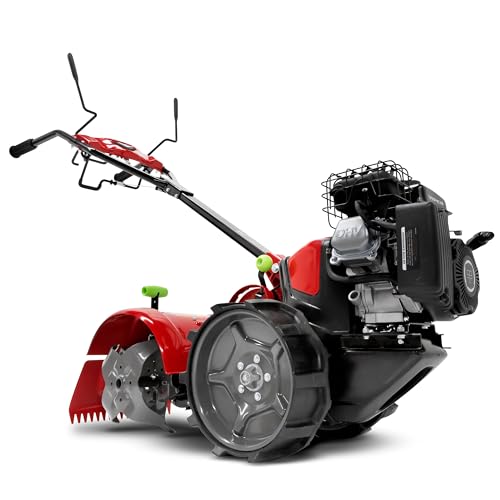
2. Earthquake Pioneer 31285 Dual Direction Rear Tine Tiller: Best Premium Pick
- 99cc four cycle Viper engine, lighter and quieter by design
- Dual direction: counter rotating (CRT) and standard rotating (SRT) tines
- Tilling width 17 inches, depth up to 11 inches
- Instant reverse handle and shift positioning system
- Super wide airless wheels with aggressive lugs; dual grip handlebars
Why We Picked It
The Pioneer gives you two tillers in one. Use counter rotating mode to bust sod and break tough soil, then shift to standard rotation to create a smooth seedbed for planting. Earthquake's shift positioning system makes changing modes simple, and the instant reverse handle lets you back up with a quick pull instead of stopping to change gears.
It is also built to be easier to live with than many rear tine machines. The compact frame and balanced weight make it maneuverable in tight rows, the airless wheels never go flat, and the dual grip handlebars let you walk beside the tilled strip with one hand. Earthquake chose a lighter 99cc engine to keep weight and noise down, so it trades some raw power for control.
Pros
- Dual direction tines for new ground and fine seedbeds
- Instant reverse and easy shifting
- Flat free wheels and one handed steering
Cons
- Expensive
- Smaller engine than some rear tine rivals
Who Should Buy It
Pick the Pioneer if you want a rear tine machine that handles both new ground and seasonal tilling without being a beast to steer. At around $1,100 it is a premium choice for serious vegetable gardeners.

3. Earthquake Victory Rear Tine Tiller: Runner Up
- 209cc four cycle Viper engine
- Counter rotating tines; 16 inch width, up to 10 inches deep
- Cast iron transmission with bronze gears
- Instant reverse; 3 position adjustable handlebar
- Side tine shields, adjustable drag stake, pneumatic wheels
- 5 year limited warranty
Why We Picked It
The Victory is built for groundbreaking. Its counter rotating tines turn against the direction of the wheels, which lets them bite into clay, compacted soil and new ground instead of skipping over it. A 209cc engine supplies the power, and the cast iron transmission with bronze gears is designed for long, hard use.
It is also easy to control for its size. Instant reverse helps you turn around near fences and in tight corners, the handlebar adjusts to three heights and allows one handed control, and side shields keep soil off nearby plants. Earthquake backs it with what it calls an industry leading 5 year limited warranty and a U.S. based support team.
Pros
- Busts sod and clay with counter rotating tines
- Easy to steer with instant reverse
- 5 year limited warranty
Cons
- Heavy
- Costs more than front tine tillers
Who Should Buy It
This is the pick for anyone turning lawn into garden or working heavy clay. At around $800 it offers a lot of rear tine muscle for the money.

Why Choose Gas Power
Power and runtime advantages
Gas engines deliver more torque than most electric motors, which matters in sod, clay and large plots. A refill takes seconds, so you are never waiting on a battery or tethered to a cord. That freedom matters on plots at the far end of a property, in community gardens and on small farms where outlets are scarce.
Gas machines also scale better. Moving from a mini cultivator to a full rear tine tiller is mostly a matter of engine size, while battery tillers top out at lighter duty work. If your plans include turning lawn into garden, gas gives you room to grow.
Maintenance and fuel
Four stroke engines run on straight gas and need regular oil changes, while two stroke engines require mixing oil into the fuel. Use fresh fuel, add stabilizer before storage and clean the air filter regularly.
Noise and emissions rules
Gas tillers are louder than electric models, so wear hearing protection and check local noise rules for early mornings. Some areas restrict sales of certain small gas engines, so confirm the model is available where you live.
How to Choose the Best Gas Powered Garden Tiller
Tiller vs Cultivator
Cultivators like the FG110 loosen and weed existing beds. Larger tillers dig deeper and break new ground. Decide whether you mainly maintain beds or need to create new ones. Many gardeners own both: a heavy tiller for the spring breakup and a small cultivator for weeding and mixing compost through the season.
Front Tine vs Rear Tine
Front tine machines are lighter, cheaper and easy to store, but they can bounce in hard ground. Rear tine tillers with powered wheels are steadier and dig deeper, which makes them better for sod and clay. For dense ground, see our picks for the best garden tiller for clay soil.
Gas vs Electric vs Battery
Gas suits large or tough jobs and has unlimited runtime. Electric and battery tillers are quieter and nearly maintenance free, a good match for small beds; our list of the best garden tiller for small gardens includes both types.
Tilling Width and Depth
Narrow cultivators work between rows, while 16 to 18 inch tillers finish big plots faster. Depth around 8 to 11 inches is enough for most vegetables. Measure gate openings and paths too, since a wide rear tine machine has to reach the garden before it can till it.
Weight and Maneuverability
Heavier tillers dig more easily but are harder to turn and move. Reverse gears, adjustable handlebars and transport wheels make a big difference on heavier machines.
Tine Material
Hardened steel tines resist bending on rocks and roots. Check that replacement tines and kits are easy to find for the model you choose. Popular tillers often accept add ons such as hiller and furrower kits, edgers or aerator attachments, which make one machine useful for more jobs around the yard.
FAQs About Gas Powered Garden Tillers
How long does a garden tiller last?
With regular oil changes, clean filters, fresh fuel and dry storage, a gas tiller can run for many seasons. Clearing roots and soil from the tines after each use and checking the transmission oil on rear tine models help it last longer.
Is a garden tiller worth the money?
If you grow vegetables every year or have heavy soil, yes, because it saves hours of digging. For a one time job, renting can be cheaper. Our guide on where to buy a garden tiller compares buying and renting options.
How much should I spend on a garden tiller?
Gas cultivators usually cost about $200 to $500, while rear tine tillers run from around $700 to $1,100. See our breakdown of how much does a garden tiller cost for more detail.
How do I maintain a garden tiller?
Check oil before each use, change it on schedule, clean the air filter and spark plug, and add stabilizer before storage. Remove tangled roots from the tines and store the tiller in a dry place over winter.
Final Verdict
The Honda FG110 is our best gas powered garden tiller for most home gardens, thanks to its reliable four stroke engine, light weight and hybrid tines. The Earthquake Pioneer is the premium pick for dual direction tilling with instant reverse, and the Earthquake Victory is the runner up for breaking sod and clay. For more options of every type, see our main list of the best garden tiller picks, and check today's price before you buy.


