
How Much Does a Garden Tiller Cost in 2026? Real Price Ranges Explained
Disclosure: We may earn a commission when you buy through links on this page, at no extra cost to you. As an Amazon Associate I earn from qualifying purchases. Learn more

How much does a garden tiller cost? Price ranges for cultivators, electric, battery and gas tillers, plus running costs and ways to save.
How much does a garden tiller cost? Most homeowners spend between about $90 and $300. Small battery cultivators and corded electric tillers start around $50 to $150, capable battery tillers and gas front tine models run around $200 to $500, and heavy duty gas rear tine tillers cost around $800 to $1,400.
The right budget depends on the size of your garden, how hard your soil is and whether you are breaking new ground or simply loosening existing beds. Below you will find typical prices by type, what pushes the price up, the costs that come after purchase and practical ways to save without buying a tiller that struggles in your soil.

How Much Does a Garden Tiller Cost? Average Prices in 2026
Price depends far more on the type of tiller than on the brand. This table shows typical ranges for new tillers on Amazon and in major stores.
| Tiller type | Typical price | Best for |
|---|---|---|
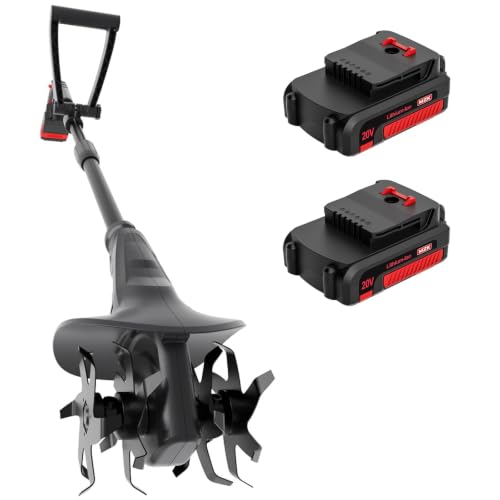
| Battery mini cultivator (20V) | around $40 to $100 | Raised beds, weeding, loose soil |
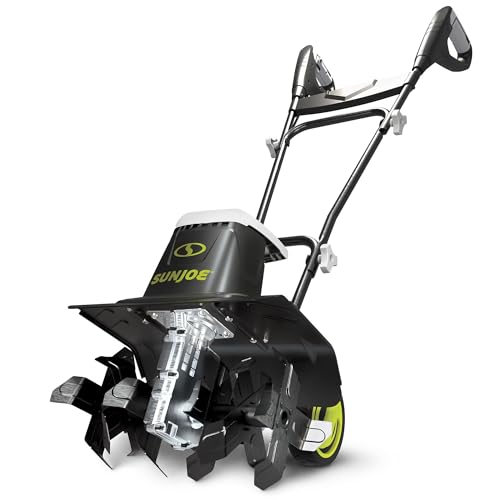
| Corded electric tiller | around $80 to $180 | Small to medium beds near an outlet |
| Battery tiller (40V to 80V) | around $150 to $330 | Medium beds, no cord or gas |
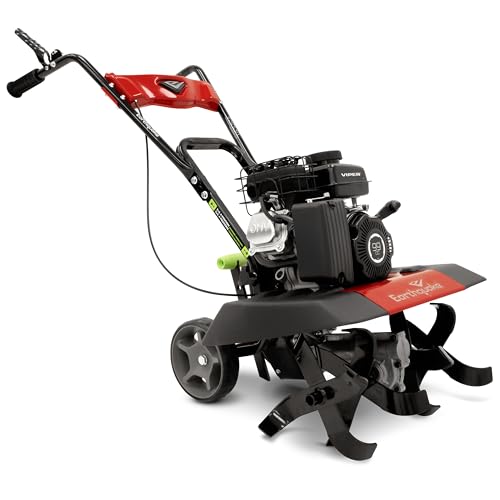
| Gas front tine tiller or cultivator | around $160 to $500 | Medium gardens, existing beds |
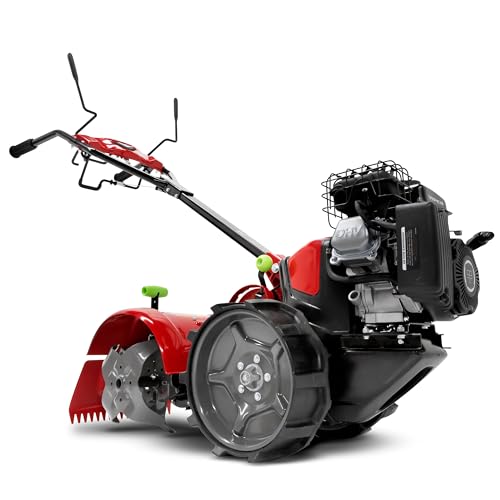
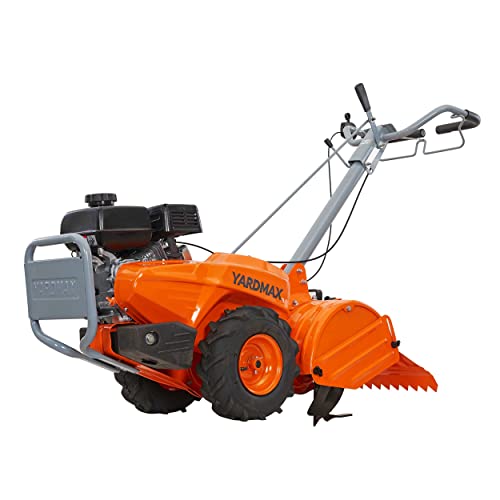
| Gas rear tine tiller | around $800 to $1,400 | Large gardens, new ground, hard or clay soil |
Across the market, entry level tillers start around $90, typical mid range choices sit around $300 and premium machines run around $850 and up. A light cultivator is all most raised bed gardeners need, while anyone turning lawn into a new vegetable plot usually needs a stronger gas tiller.
Renting is another option. Many rental shops offer rear tine tillers by the day, which can make sense if you only break new ground once and maintain beds with a smaller tool afterward.
Garden size is a quick guide to budget. A few raised beds or a plot under about 200 square feet rarely needs more than a cultivator in the $40 to $150 range. Gardens of a few hundred to 1,000 square feet benefit from a corded, battery or front tine gas tiller in the $150 to $500 range. Larger plots, or ground that has never been dug, justify the cost of a rear tine machine.
What Affects the Price
Two tillers that look similar can differ by hundreds of dollars. These are the main reasons.
Tiller vs Cultivator
Cultivators are small and light, designed to loosen and weed soil that has already been worked. They cost less. True tillers have bigger engines or motors, wider tines and more weight to dig into compacted ground, so they cost more.
Front Tine vs Rear Tine
Front tine tillers have tines under the engine that pull the machine forward. They are lighter and cheaper but can buck in hard soil. Rear tine tillers place the tines behind powered wheels, often with dual direction or counter rotating tines. They dig deeper and handle clay and sod far better, which is why they sit at the top of the price range.
Gas vs Electric vs Battery
Corded electric tillers offer strong power per dollar but are tied to a cord. Battery tillers cost more because of the battery and charger, yet they start instantly and need little upkeep. Gas tillers cost the most at the top end and need fuel and engine care, but they deliver the most power and unlimited runtime.
Tilling Width and Depth
Wider tines cover more ground per pass, and deeper tilling handles new beds and root crops. Models with adjustable width, reverse gears, bigger wheels and sturdier transmissions add to the price. If your soil is heavy, see our picks for the best garden tiller for clay soil.
Hidden and Ongoing Costs
The sticker price is only part of what you will spend. Plan for these extras:
- Fuel and oil: gas tillers need fresh fuel, engine oil and, for two stroke models, mix oil.
- Tune ups: spark plugs, air filters and occasional carburetor cleaning for gas engines.
- Replacement tines: tines wear down in rocky soil and may need replacing after several seasons.
- Batteries: a spare or replacement battery for a cordless tiller can cost a large share of the tool price.
- Extension cords: corded tillers need a heavy gauge outdoor cord of the right length.
- Attachments and storage: furrowers, covers and transport add up for larger machines.
A simple yearly budget helps. Gas tiller owners often spend a modest amount each season on oil, a spark plug, an air filter and fresh fuel, while battery owners mainly set money aside for an eventual replacement pack. Learning good technique also reduces wear and tear. Our guide on how to use a garden tiller covers the basics.
Is a Cheap Garden Tiller Good Enough?
For raised beds, small vegetable plots and soil that has been worked before, a cheap cultivator or corded tiller is often perfectly fine. These tools loosen soil, mix in compost and pull weeds with little effort and almost no maintenance.
Cheap tillers struggle with hard clay, thick sod and large areas. They bounce, stall or take many passes to reach a useful depth, and lighter builds wear out faster under heavy use. If you are starting a garden from lawn, spending more or renting a rear tine tiller for the first season usually saves time and frustration. For compact plots, our picks for the best garden tiller for small gardens balance price and power.
A good test is to look at what you will ask the tiller to do most often. If the answer is weeding between rows and mixing compost into soft beds, buy the light tool and keep the savings. If you will fight roots, rocks and sod every spring, a stronger tiller is worth the higher price because it finishes the job in a fraction of the time.
How to Save Money on a Garden Tiller
- Shop the off season: late summer and fall clearance often bring the best prices on tillers.
- Watch Amazon deals: price drops and lightning deals on battery and corded models are common in spring and fall.
- Consider refurbished: certified refurbished tillers from the maker often include a warranty at a lower price.
- Look for bundles: kits with batteries and chargers cost less than buying them separately.
- Share or rent: split a heavy tiller with a neighbor or rent one for the yearly deep till.
Comparing stores also helps. Our guide on where to buy a garden tiller explains the pros and cons of each.
Frequently Asked Questions
Is it cheaper to buy a garden tiller online?
Often, yes. Online stores like Amazon list more models, show owner reviews and frequently drop prices on last season's tillers. Local stores may match prices and make returns easier, so check both. Remember to compare shipping for heavy gas tillers.
How long does a garden tiller last?
A well maintained garden tiller can last many seasons. Gas tillers last longest with regular oil changes, clean filters and fresh fuel, while electric and battery tillers have fewer wear parts but eventually need new batteries. Cleaning tines and storing the tiller dry extends its life.
Should I rent or buy a garden tiller?
Rent if you only need a powerful tiller once a year to break new ground. Buy if you till several times each season or maintain multiple beds, since a small cultivator or battery tiller pays for itself quickly compared with repeated rentals.
What size tiller do I need for a small garden?
For raised beds and small plots, a cultivator with a 9 to 12 inch tilling width is usually enough, and it is easy to lift in and out of beds. Step up to a 16 inch or wider tiller only when you work larger, open garden areas.
Final Thoughts
How much does a garden tiller cost depends mainly on type: around $40 to $180 for cultivators and corded tillers, around $150 to $500 for battery and gas front tine models and around $800 or more for rear tine tillers. Match the tiller to your soil and garden size, then see our picks for the best garden tiller.


