
Best Garden Tillers for Clay Soil (2026): 3 Top Rated Picks Worth Buying
Disclosure: We may earn a commission when you buy through links on this page, at no extra cost to you. As an Amazon Associate I earn from qualifying purchases. Learn more

The best garden tiller for clay soil, from the counter rotating Earthquake Victory to a 2 in 1 Versa and a dual direction NOVUS.
Clay soil is the toughest ground a gardener can face. It bakes hard in summer, turns to sticky paste after rain and bounces light tines right off the surface, which is why small electric cultivators often give up after a few passes. The best garden tiller for clay soil pairs a strong engine with tines that bite and keep digging, so you can break new ground, work in compost and build a loose seedbed instead of fighting your tools.
We compared current gas tillers on amazon.com by their listed engine size, tine design, tilling width and depth, transmission and warranty, along with verified owner feedback, expert reviews and price against value. The Earthquake Victory rear tine tiller is our top pick, the Earthquake Versa front tine model is the best value, and the NOVUS 18 inch dual direction tiller is the premium choice for big beds.




Our Top 3 Picks at a Glance
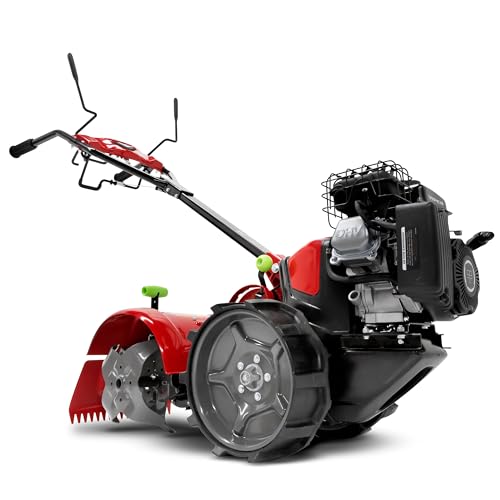
- Best Overall: Earthquake Victory Rear Tine Tiller (around $800). Counter rotating tines built to break clay, plus instant reverse and a 5 year limited warranty.
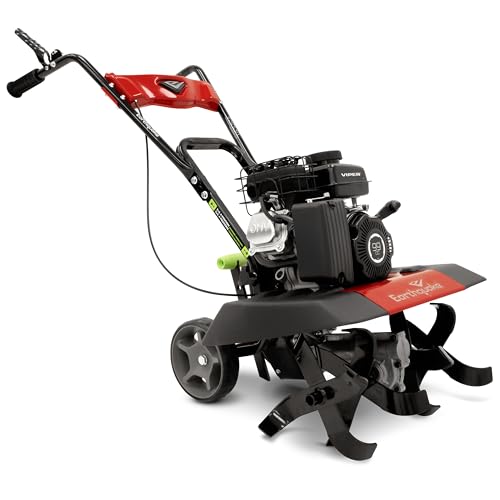
- Best Value: Earthquake 20015 Versa 2 in 1 Front Tine Tiller and Cultivator (around $500). A 99cc engine with an adjustable 11 to 21 inch width and up to 11 inches of depth.
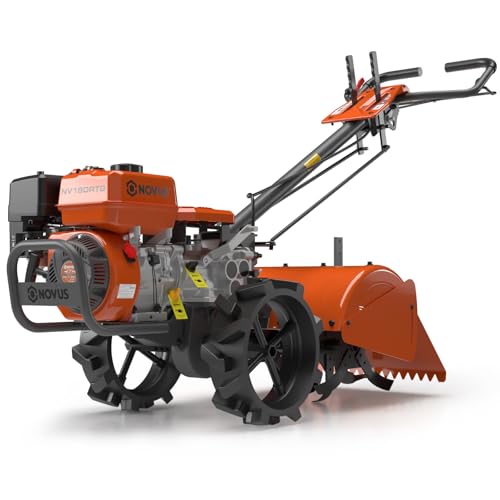
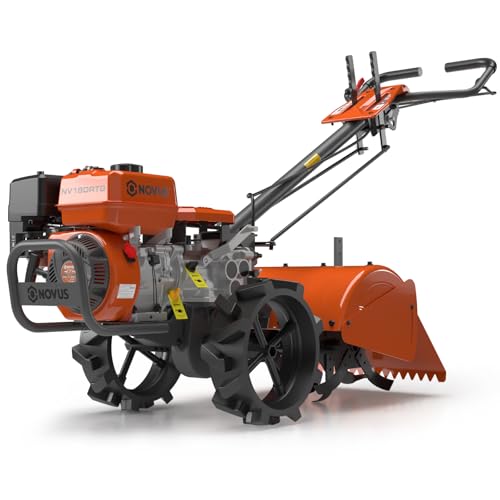
- Best Premium Pick: NOVUS 18 Inch Dual Direction Rear Tine Tiller (around $1,080). A 212cc engine, full gear transmission and standard or counter rotating tines.
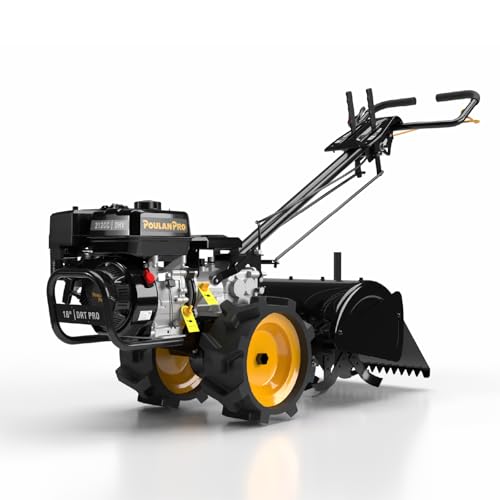
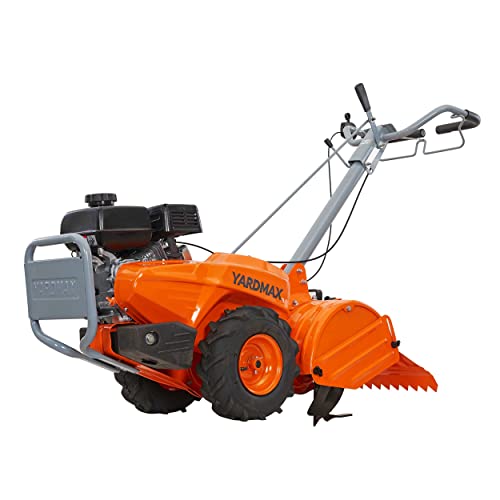
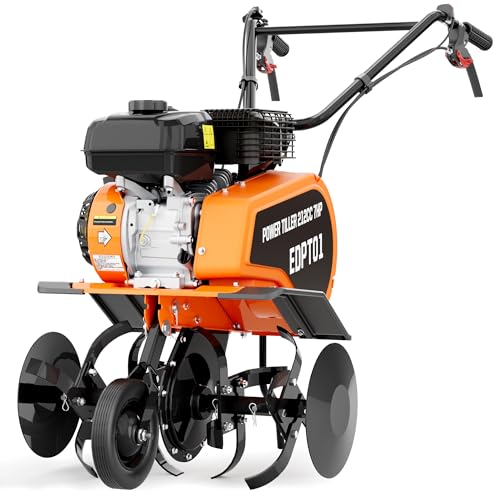
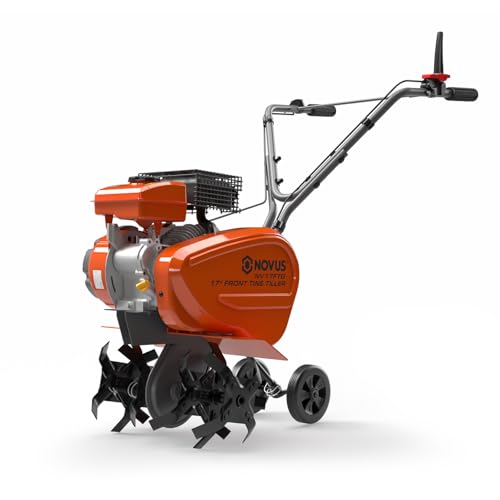
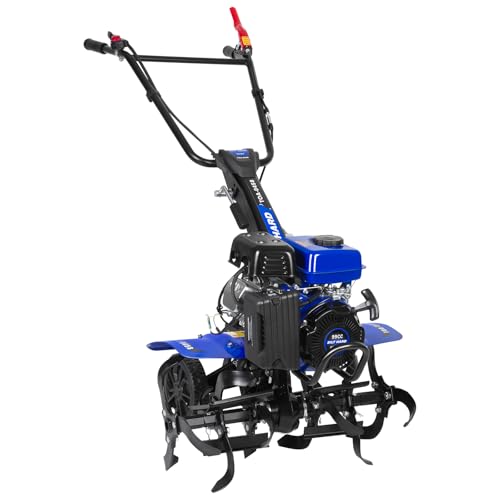
The comparison table above lists more rear and front tine tillers from Earthquake, Poulan Pro, YARDMAX, BILT HARD and others.
How We Chose the Best Garden Tiller for Clay Soil
Clay needs power and the right tine action, so we focused on engine size, counter rotating or dual direction tines, tilling depth and traction. Owner ratings and review volume came next, then price against features, build quality and warranty. Every pick had to be a current model in stock on amazon.com, and specs come only from what the listings confirm.
Garden Tiller for Clay Soil Reviews
1. Earthquake Victory Rear Tine Tiller: Best Overall
- 209cc 4 cycle Viper engine
- Counter rotating tines that turn opposite the wheels
- Cast iron transmission with bronze gears
- Tills a 16 inch wide row up to 10 inches deep
- Instant Reverse, pneumatic wheels and a 3 position adjustable handlebar
- 5 year limited warranty
Why We Picked It
The Victory is built for exactly the kind of soil that defeats lighter tillers. Its counter rotating tines spin in the opposite direction of the wheels, so instead of skipping across the top of hard clay, they dig in and chew through compacted soil and new ground. A 209cc Viper engine provides the torque to keep going, and an adjustable drag stake helps hold tilling speed while you work up to 10 inches deep.
It is also easy to manage for a rear tine machine. The Instant Reverse handle lets you back out of corners and turn near fences without stopping to shift gears, and the 3 position handlebar supports one or two handed control so you can walk beside the row and keep footprints out of the seedbed. Side tine shields limit dirt thrown onto nearby plants, and a trailing rear shield smooths the finished bed. Backed by a 5 year limited warranty, it is a long term tool for serious vegetable gardens.
Pros
- Counter rotating tines bust clay
- Instant Reverse for tight spaces
- Long 5 year limited warranty
Cons
- Heavy and bulky to store
- Overkill for small flower beds
Who Should Buy It
Choose the Victory if you have heavy clay, want to open new garden ground and need a tiller that will last many seasons. It sells for around $800.

2. Earthquake 20015 Versa 2 in 1 Front Tine Tiller and Cultivator: Best Value
- 99cc 4 cycle Viper engine
- 2 in 1 front tine tiller and cultivator
- Tool less removal of side shields and outer tines
- Adjustable tilling width from 11 to 21 inches
- Tilling depth up to 11 inches
- Adjustable handlebar height and onboard transport wheels
Why We Picked It
Not every clay garden needs a large rear tine machine. If you are working existing beds or a moderate vegetable plot, the Versa gives you gas power and real depth for far less money. Its 99cc Viper engine drives front tines that till up to 11 inches deep, which is enough to loosen clay and blend in compost once the ground has been opened.
The 2 in 1 design is what makes it such good value. Remove the side shields and outer tines without tools and it narrows from 21 inches to 11 inches, turning into a cultivator for weeding between rows and working tight spaces. Adjustable handlebar height suits different users, and onboard wheels make it easy to roll from the shed to the garden. For first time owners with clay soil, it is a practical, affordable starting point.
Pros
- Converts from tiller to cultivator
- Adjustable width for different beds
- Large base of owner reviews
Cons
- Front tines bounce on very hard, unbroken clay
- Smaller engine than rear tine models
Who Should Buy It
Pick the Versa if you maintain existing beds in clay soil and want one machine for tilling and cultivating at a fair price. Expect to pay around $500.

3. NOVUS 18 Inch Dual Direction Rear Tine Tiller: Best Premium Pick
- 212cc 4 cycle gas engine
- Dual direction: standard or counter rotating tines
- 16 steel tines, 18 inch tilling width, up to 10 inches deep with 8 depth positions
- Full gear transmission with 2 forward speeds and 1 reverse
- Airless, never flat tires; 2 year warranty
Why We Picked It
The NOVUS gives you the best of both tine directions. Use counter rotating mode to break tough clay and sod, then switch to standard rotation to finish a smooth, crumbly seedbed. Its 212cc engine is the largest among our picks, and the 18 inch width with 16 steel tines covers more ground per pass, which matters on large plots.
NOVUS uses a full gear transmission rather than belts, which is designed for durability and low maintenance. Two forward speeds plus reverse help you match speed to conditions, and the ergonomic handlebar supports one or two handed use. Airless tires never go flat and keep the machine stable on rough, lumpy ground. It costs more than our other picks and has a smaller review base, but its feature set is hard to beat for big clay gardens.
Pros
- Dual direction tines for breaking and finishing
- Strong 212cc engine
- Gear drive and never flat tires
Cons
- Expensive
- Smaller review base than older models
Who Should Buy It
Choose the NOVUS if you have a large garden in heavy clay and want the flexibility of dual direction tines. It costs around $1,080.
Working with Clay and Rocky Soil
Strength and blade or tine material
Clay and stones put heavy loads on tines and gearboxes. Steel tines, gear driven transmissions and counter rotating action hold up best. If you are also looking for the best garden tiller for rocky soil, choose a rear tine model and clear larger stones by hand first, since rocks can bend tines and jolt the machine.
Weight and leverage
Heavier tillers stay in the ground instead of bouncing, which is a real advantage in clay. The trade off is harder transport and storage, so check the handlebar adjustment and reverse features that make a heavy machine easier to steer.
Soil amendment tips
Till clay when it is slightly moist, not wet or bone dry. Spread several inches of compost or aged manure and till it in to improve drainage and structure over time. Avoid tilling wet clay, which smears into hard clods once it dries.
How to Choose the Best Garden Tiller for Clay Soil
Tiller vs Cultivator
A cultivator is lighter and smaller, made for loosening soil in existing beds and weeding. A true tiller or rototiller has more power and deeper reach for breaking new ground. For untouched clay, start with a tiller; a cultivator is a good second tool for maintenance.
Front Tine vs Rear Tine
Front tine tillers are cheaper and nimble, but they can jump and buck on hard clay. Rear tine tillers have powered wheels and heavier frames that keep the tines in the ground, making them the better choice for compacted soil. Counter rotating or dual direction rear tines are the most effective for clay.
Gas vs Electric vs Battery
Gas tillers deliver the torque clay demands. Corded and battery models are quieter and lighter, but most are best for loosening an existing garden bed rather than breaking hard clay. For small flower beds, see the best garden tiller for flower beds.
Tilling Width and Depth
Wider tilling paths cover big plots faster, while narrow widths work between rows. For clay, a tilling depth of 8 to 10 inches or more helps break up the hard layer beneath the surface.
Weight and Maneuverability
Look for instant reverse, adjustable handlebars and one handed operation to make heavy machines easier to control. If you garden in tight spaces, our list of the best garden tiller for small gardens covers lighter options.
Tine Material
Hardened steel tines resist bending and wear in dense soil. Check whether replacement tines are available, since clay and stones wear them faster than loam.
FAQs About Garden Tillers for Clay Soil
Can a garden tiller be used for clay soil?
Yes, but the right type matters. Rear tine tillers with counter rotating tines handle clay best, while light electric cultivators often struggle. If you are asking which garden tiller is best for clay soil, start with a gas rear tine model and till when the soil is slightly moist.
How long does a garden tiller last?
A well maintained gas tiller can last many seasons. Change the oil regularly, keep the air filter clean, use fresh fuel or stabilizer and clean soil from the tines after each use. Gear driven models tend to need less upkeep than belt driven ones.
Is a garden tiller worth the money?
For clay soil, yes. Breaking clay by hand with a shovel and fork is slow, hard work. A tiller prepares beds in a fraction of the time and makes it much easier to work in compost each season.
How much should I spend on a garden tiller?
For clay, plan on around $500 for a capable front tine model and $800 to $1,100 for a quality rear tine tiller. See how much does a garden tiller cost and where to buy a garden tiller for more pricing help.
How do I maintain a garden tiller?
Check the oil before each use, clean the air filter, remove soil and roots from the tines and inspect belts or gears. Drain or stabilize fuel before winter storage and keep the tiller in a dry place.
Final Verdict
The Earthquake Victory is the best garden tiller for clay soil for most gardeners, the Earthquake Versa is the value pick for existing beds, and the NOVUS dual direction tiller suits big plots that need maximum flexibility. For more options, see our guide to the best garden tiller. Check today's price before you buy.


