
Best Soil Testers for Vegetable Gardens in 2026: Our Top 3 Picks Reviewed
Disclosure: We may earn a commission when you buy through links on this page, at no extra cost to you. As an Amazon Associate I earn from qualifying purchases. Learn more

Digital pH meters and nutrient kits compared: our picks for the best soil tester for vegetable gardens, from premium pens to value kits.
Tomatoes with blossom end rot, pale lettuce and potatoes that never size up are often soil problems, not seed or weather problems. Most vegetables want a slightly acidic to neutral pH and steady nutrients, and you cannot see either by looking at the dirt. The best soil tester for vegetable gardens tells you where your beds stand before you spend money on lime, sulfur or fertilizer. We compared specs, verified owner feedback on Amazon, expert growing advice and price against value to choose these tools.
Our picks are the Bluelab soil pH pen for precise pH, the YINMIK direct soil pH meter as a lower cost digital option, and the Luster Leaf 1662 professional kit for pH and nutrient tests.






Our Top 3 Picks at a Glance
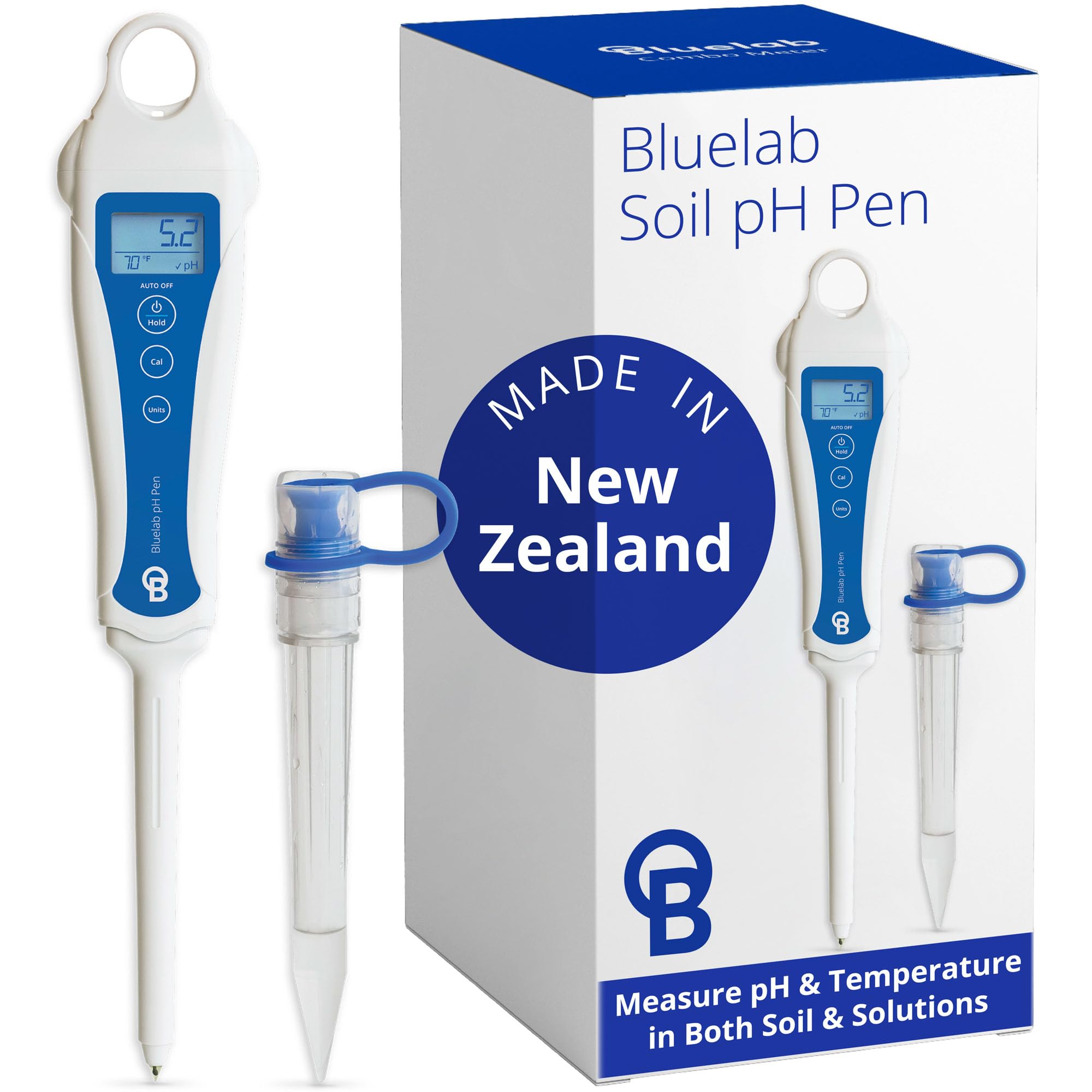
- Best Overall: Bluelab Soil pH Pen Kit (around $199). A digital direct soil pH meter with easy calibration and 0.1 accuracy.
- Runner Up: YINMIK Digital Soil pH Meter (around $55). Direct pH readings in garden soil, potting mix and growing media for far less money.
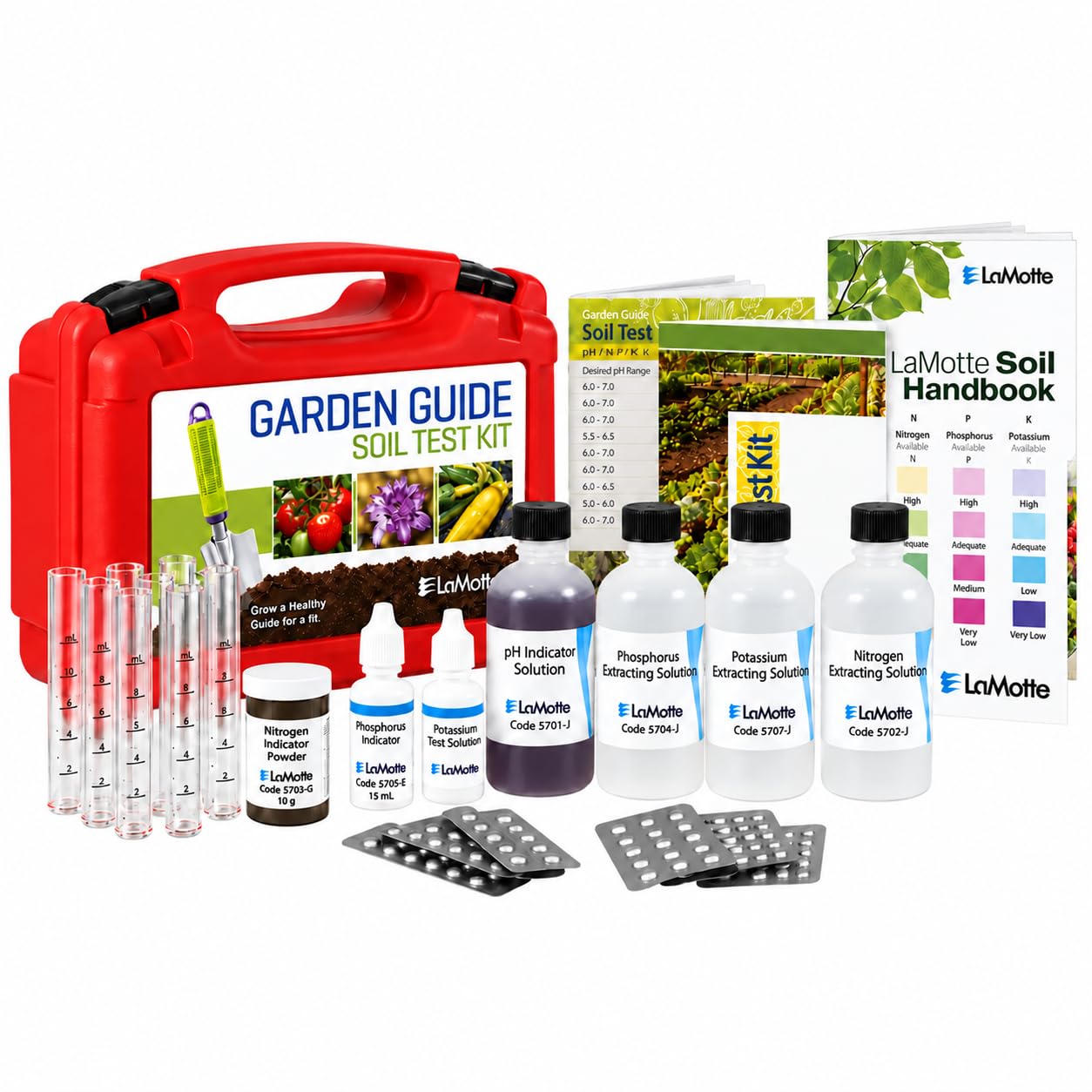
- Best Value: Luster Leaf 1662 Professional Soil Kit (around $30). Forty chemical tests that cover pH and the main nutrients.
How We Chose the Best Soil Tester for Vegetable Gardens
Vegetables are fussier about pH and fertility than most ornamentals, so we put accuracy and nutrient data first. Then we weighed owner ratings and review volume, price against features, build quality and current availability on amazon.com. Cheap combo probes that claim to read everything were moved to the table rather than the top three.
Soil Tester for Vegetable Gardens Reviews
1. Bluelab Soil pH Pen Kit: Best Overall
- Digital pH meter for soil, plus hydroponic, coco and rockwool media
- Precise readings with 0.1 accuracy
- Easy calibration
- Water resistant, comes with a probe cover
Why We Picked It
Serious growers needing accurate pH get the most from a direct soil pen. Instead of mixing samples and matching colors, you push the probe into moist soil and read a number. That speed means you can check every bed, test the same spot after adding lime and actually see the change, which is hard with a chemical kit that gives broad color bands.
Bluelab is a well known name in hydroponics, and this pen carries that focus on calibration and accuracy into soil. It also works in coco and rockwool, so it suits gardeners who start seedlings indoors. It has a solid base of owner reviews. The tradeoffs are price and upkeep: you need to calibrate it and keep the probe clean and capped.
Pros
- Precise digital pH in seconds
- Easy calibration process
- Water resistant body
Cons
- Expensive for a home garden
- Needs regular calibration and probe care
- Does not test nutrients
Who Should Buy It
Choose the Bluelab pen if you run several vegetable beds, grow pH sensitive crops like blueberries or potatoes, or start plants indoors in soilless media. It sells for around $199.

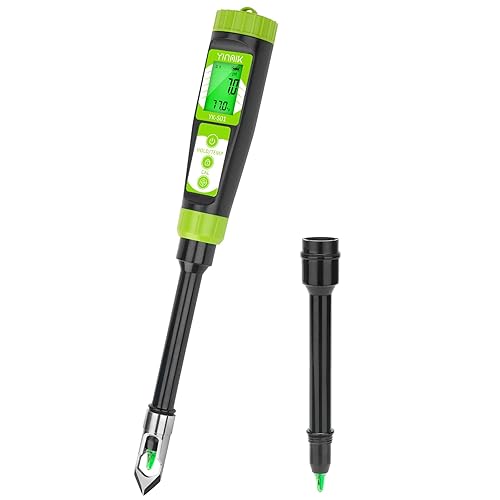
2. YINMIK Digital Soil pH Meter: Runner Up
- Direct soil pH tester for plant care
- Measures pH of solutions, potting soil and growing media
- Digital readout
- For indoor, greenhouse, garden, lawn and yard use
Why We Picked It
Not every gardener wants to spend around $200 on a pH pen. The YINMIK gives pro style pH checks without chemicals at roughly a quarter of the price. Like the Bluelab, it reads directly in soil or in a soil and water slurry, so you can test beds, containers and seed starting mix without buying refills.
For a vegetable garden, that means you can check pH in spring, again after amending and once more mid season with the same tool. For pH, a digital meter like this is a clear step up from cheap analog probes. It does not have the Bluelab's water resistant build or its reputation, and the probe needs gentle care.
Pros
- Digital pH at a moderate price
- Works in soil, potting mix and solutions
- No consumables per test
Cons
- Probe needs careful handling
- pH only, no nutrient readings
Who Should Buy It
Pick the YINMIK if you want real pH numbers for a backyard vegetable plot or greenhouse but cannot justify a premium pen. It costs around $55.
3. Luster Leaf 1662 Professional Soil Kit: Best Value
- Professional soil kit with 40 tests
- Chemical tests with a color comparator
- Covers soil pH and the main nutrients
- From the long running Luster Leaf line
Why We Picked It
pH is only half the picture in a vegetable garden. Heavy feeders like corn, squash and brassicas pull a lot of nitrogen, and fruiting crops need phosphorus and potash. A chemical kit is the cheapest way to get nutrient data at home, and the 1662 gives you 40 tests for full nutrient testing across several beds.
The process takes a little longer than a pen: you mix soil and water, let it settle, add the reagent and compare colors. Results are broad bands rather than exact numbers, and some buyers find the color matching tricky in poor light. Still, for the price it tells you whether a bed needs nitrogen this spring or can skip the feed.
Pros
- Tests pH plus N, P and K
- Many tests in one kit
- Low cost per test
Cons
- Takes time per test
- Color matching is subjective
Who Should Buy It
Choose the 1662 if you want nutrient guidance for a home vegetable garden and are happy to spend a few minutes per test. It costs around $30.

Using a Soil Tester in a Vegetable Garden
Food safe and plant friendly choices
Testing is passive, so no tester puts anything into your soil. What matters is how you act on the result: correct pH slowly with garden lime or elemental sulfur, and use fertilizers labeled for edibles.
Rows, beds and seasonal tasks
Test each bed separately, since compost, crop history and drainage vary. Sample a few spots at root depth, mix them and test the blend for a fair average.
Efficiency through the season
Test in early spring before planting, again a few weeks after amending, and once in fall when you plan cover crops. A pH meter makes repeat checks quick.
How to Choose the Best Soil Tester for Vegetable Gardens
What It Measures (pH, Moisture, NPK, Light)
For vegetables, pH and NPK matter most, with moisture close behind during summer. Light readings are rarely useful outdoors. If you only buy one tool, a soil test kit that covers pH and nutrients is the safest start. Our main best soil tester guide also covers moisture meters for daily watering checks.
Digital vs Analog Probes
Cheap analog probes that claim to read pH are rough at best. A dedicated digital pH meter, like the two above, gives repeatable numbers you can act on.
Accuracy and Calibration
Digital pH meters drift, so calibrate them with buffer solution as the maker recommends. For large plots or market gardens, the tougher tools in our best soil tester for heavy duty use guide stand up to frequent testing.
Lab Kits vs Meters
Chemical kits give nutrient data, meters give fast pH. Many growers use both and send a sample to a university extension lab every few years for a full report. So which soil tester is best for vegetable gardens? A pH meter plus a nutrient kit covers most needs.
Ease of Reading
Digital screens remove the guesswork of color charts. If you use a kit, read results in daylight against a white background. Our how to use a soil tester guide has more sampling tips.
FAQs About Soil Testers for Vegetable Gardens
Can a soil tester be used for vegetable gardens?
Yes. Vegetable beds benefit more from testing than almost any other planting, because most crops want a pH between slightly acidic and neutral and need steady nutrients. A tester shows whether to add lime, sulfur or a specific fertilizer, so you correct real problems instead of guessing.
How long does a soil tester last?
A digital pH meter lasts years, though the probe may need replacing sooner if it dries out. Chemical kits last until the tests run out. Store kits cool and dry, keep pH probes capped and moist, and remove batteries during the off season.
Is a soil tester worth the money?
For a vegetable garden, it usually pays for itself in one season. Skipping fertilizer a bed does not need, or fixing pH so plants can use the nutrients already there, saves money and improves harvests.
How much should I spend on a soil tester?
A nutrient kit costs around $15 to $35. A good digital pH meter runs around $50 to $200. Most home growers do well with one kit and one mid priced meter, and our best soil tester for backyards guide lists more budget friendly choices.
How do I maintain a soil tester?
Rinse pH probes with clean water after each use, cap them with storage solution and calibrate on schedule. Keep chemical kits sealed and away from heat. Replacement probes and refills are covered in our where to buy a soil tester guide.
Final Verdict
The Bluelab pen is the best soil tester for vegetable gardens when you want fast, accurate pH. The YINMIK meter delivers digital pH for less, and the Luster Leaf 1662 kit is the value pick for nutrient checks. Check today's price on Amazon before planting season.


