
Where to Buy a Soil Tester: Expert Buying Guide and Checklist
Disclosure: We may earn a commission when you buy through links on this page, at no extra cost to you. As an Amazon Associate I earn from qualifying purchases. Learn more

Where to buy a soil tester, from Amazon to garden centers, plus the types, features and prices that matter before you choose.
The easiest place to buy a soil tester is Amazon, which carries everything from $10 analog probes to digital pH pens and chemical test kits, with verified owner reviews and fast delivery. Home improvement stores and garden centers stock a smaller range you can pick up the same day, and brand websites suit lab grade meters. If you are wondering where to buy a soil tester, choose the store by the type of tester you need and how soon you need it.
This guide compares the main places to shop, then explains the types, features and prices so you buy the right tester the first time.


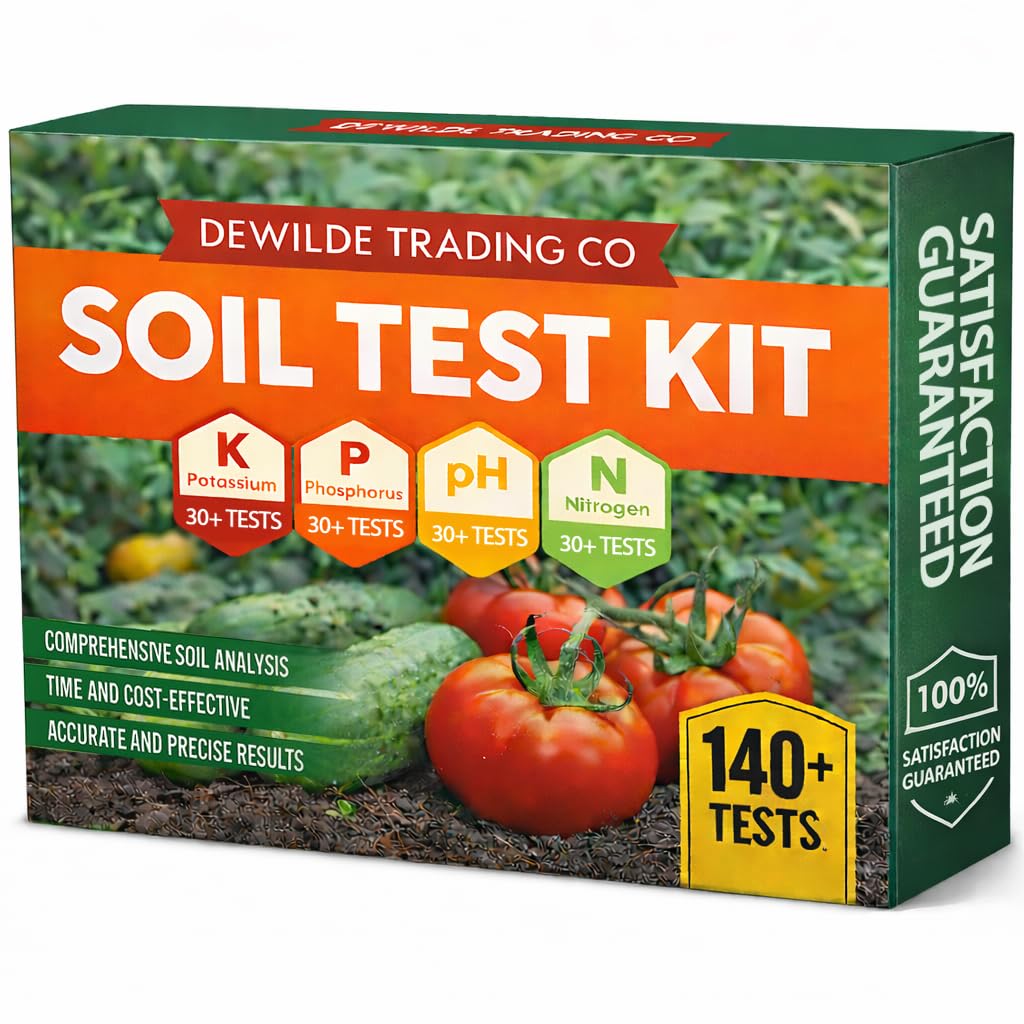


Where to Buy a Soil Tester: Amazon vs Big Box Stores vs Specialty Shops
Each kind of retailer has clear strengths. Here is how they compare on selection, reviews, price, delivery and returns.
Buying a Soil Tester on Amazon
Amazon has the widest selection, from the SONKIR MS02 three in one meter at around $10 to Rapitest chemical kits, multi function digital testers and professional pH pens like the Apera GroStar GS2 at around $190. Verified reviews help you spot testers that drift or fail early, and returns are simple for most sellers. Prime delivery is handy in spring when planting cannot wait.
Home Improvement and Big Box Stores
Home Depot, Lowe's, Walmart and local garden centers usually carry a few basic probes and capsule test kits. You can buy today and ask staff for advice, but the range is narrower and digital meters are less common.
Brand Websites and Specialty Retailers
Brand sites, hydroponics shops and lab suppliers carry calibration solutions, replacement probes and higher end meters. They are the best route for serious growers who need support and accessories. Warranty claims are often simplest when you buy direct, so keep your receipt and register the meter if the brand offers it. For a cheap probe, though, the extra support rarely matters, and the price difference usually favors a large online store.
When to Buy for the Best Deals
Prices on gardening tools often dip in late summer and fall, and Amazon deal events can discount digital testers. Buy before spring planting so you can test while there is still time to amend the soil.
What Is a Soil Tester and Do You Need One?
A soil tester measures one or more soil conditions, usually pH, moisture, light and sometimes nutrients. Knowing pH and nutrient levels tells you whether plants can absorb the fertilizer you add, and a moisture reading prevents over or under watering. If you grow vegetables, keep a lawn or struggle with yellowing plants, a tester takes much of the guesswork out of feeding and watering. That is the main reason why buy a soil tester at all.
Main Types of Soil Testers
Analog probe meters push into the soil and show moisture, light and an approximate pH on a dial with no batteries. They suit houseplant owners and casual gardeners. Digital multi function testers add LCD screens and readings such as temperature and humidity, which suit hobby gardeners who like more data.
Chemical soil test kits, like Rapitest or capsule kits with dozens of tests, mix soil with reagents to show pH, nitrogen, phosphorus and potassium by color. They suit vegetable growers and lawn owners. Digital pH pens and professional meters offer the most precise pH readings and suit serious growers, greenhouses and anyone testing many samples. A soil test kit from a lab, often through a local extension office, gives the most complete nutrient picture.
Key Features to Consider
Knowing what to look for in a soil tester saves money and frustration. These are the features that matter most.
What It Measures (pH, Moisture, NPK, Light)
Moisture and light are the easiest readings to get right. Soil pH matters for almost every plant, while NPK readings help with fertilizer decisions. Choose a tester that measures what you will actually act on.
Digital vs Analog Probes
Analog meters are cheap and need no batteries, but readings are approximate. Digital meters are easier to read and often more consistent, especially pH pens designed for direct soil testing.
Accuracy and Calibration
Budget probes are best treated as a rough guide. Calibratable digital meters and chemical kits give more dependable pH numbers. If accuracy matters, look for calibration solutions or calibration free sensors from reputable brands.
Lab Kits vs Meters
Meters give instant, repeatable readings for moisture and pH. Chemical kits and lab tests are better for nutrients. Many gardeners use both: a meter for routine checks and a kit or lab test once a season.
Ease of Reading
Large dials, backlit screens and clear color charts make a big difference outdoors. Long probes help in deep beds and lawns.
Price per Test
A probe meter can be reused indefinitely, while chemical kits are consumable. Divide the kit price by the number of tests to compare value, especially for large gardens.
How Much Should You Spend?
If you are asking how much does a soil tester cost, entry level analog probes and basic kits run around $10 to $20. Mid range digital multi function testers and larger chemical kits cost around $25 to $50. Premium digital pH pens and professional NPK meters cost around $190 to $330. Most home gardeners do well in the $10 to $50 range.
What Size Soil Tester Do You Need?
Soil testers do not come in sizes like a mower does, so the real question of what size soil tester do I need is about probe length and how many tests you will run.
| Space | Recommended tester |
|---|---|
| Houseplants and containers | Short analog probe or compact digital meter |
| Small garden or raised beds | Digital multi function tester plus a basic chemical kit |
| Large lawn or vegetable plot | Long probe meter and a kit with many tests, or a lab test |
| Greenhouse or serious growing | Calibratable digital pH pen or professional meter |
Is a Soil Tester Worth Buying?
For most gardeners, yes. A $10 to $40 tester can prevent wasted fertilizer, overwatering and plants that struggle in the wrong pH. So is a soil tester worth it? If you grow food, care for a lawn or keep many houseplants, it pays for itself quickly. Larger yards should also see our picks for the best soil tester for backyards.
Common Buying Mistakes to Avoid
Do not expect a $10 probe to give lab quality NPK numbers. Avoid buying a tester that measures things you will not use, and check whether a digital model needs batteries or calibration supplies. Finally, read recent reviews for reports of drifting readings, and learn how to use a soil tester correctly before judging its results.
Frequently Asked Questions
How long does a soil tester last?
Analog probes can last several seasons if you wipe them clean and store them dry. Digital meters last years with fresh batteries and occasional calibration. Chemical kits run out after their stated number of tests, so the honest answer to how long does a soil tester last depends on the type you buy. See how to clean a soil tester for care tips.
How accurate are cheap soil testers?
Cheap analog probes are fine for moisture and give a rough pH reading, but they are not precise. Use them for trends rather than exact numbers. For accurate pH or nutrient levels, use a calibrated digital pH meter, a chemical kit or a lab soil test.
Should I use a lab soil test instead of a meter?
A lab test is the most complete option for nutrients and is worth doing every few years or before a big planting. A meter is better for quick, frequent checks. Many gardeners pair an annual lab test with a home meter for routine watering and pH checks.
What is the best brand of soil tester?
It depends on the type. Rapitest is a long standing name for chemical kits, SONKIR and similar brands make popular budget probes, and Apera makes professional pH pens. Compare current models in our guide to the best soil tester and, for demanding use, the best soil tester for heavy duty use.
Final Thoughts
When deciding where to buy a soil tester, Amazon offers the widest choice and reviews, while local stores suit same day needs. Match the tester type to your garden, budget around $10 to $50 for most homes and test before you plant.


