
The 3 Best Soil Testers for Heavy Duty Use of 2026: Expert Picks and Buying Guide
Disclosure: We may earn a commission when you buy through links on this page, at no extra cost to you. As an Amazon Associate I earn from qualifying purchases. Learn more

Instrument grade pH testers and high capacity kits: our picks for the best soil tester for heavy duty use in big gardens.
Cheap probe meters are fine for a few houseplants, but they wear out fast when you check dozens of beds, a market garden or a string of client lawns every week. Bent probes, drifting readings and kits that run out after a handful of tests all slow you down. The best soil tester for heavy duty use gives repeatable numbers, survives being pushed into real soil over and over, and has enough capacity for a busy season. We compared specs, verified owner feedback on Amazon, expert opinion and price against value to build this list.
Our picks are the Hanna Groline HI981030 for serious pH work, the Apera GroStar GS2 kit as a strong runner up, and the Luster Leaf Rapitest 1663 professional kit as the value choice for full nutrient checks.






Our Top 3 Picks at a Glance
- Best Overall: Hanna Groline Soil pH Tester HI981030 (around $180). A dedicated electronic soil pH tester from a lab instrument maker, made for growers who test often.
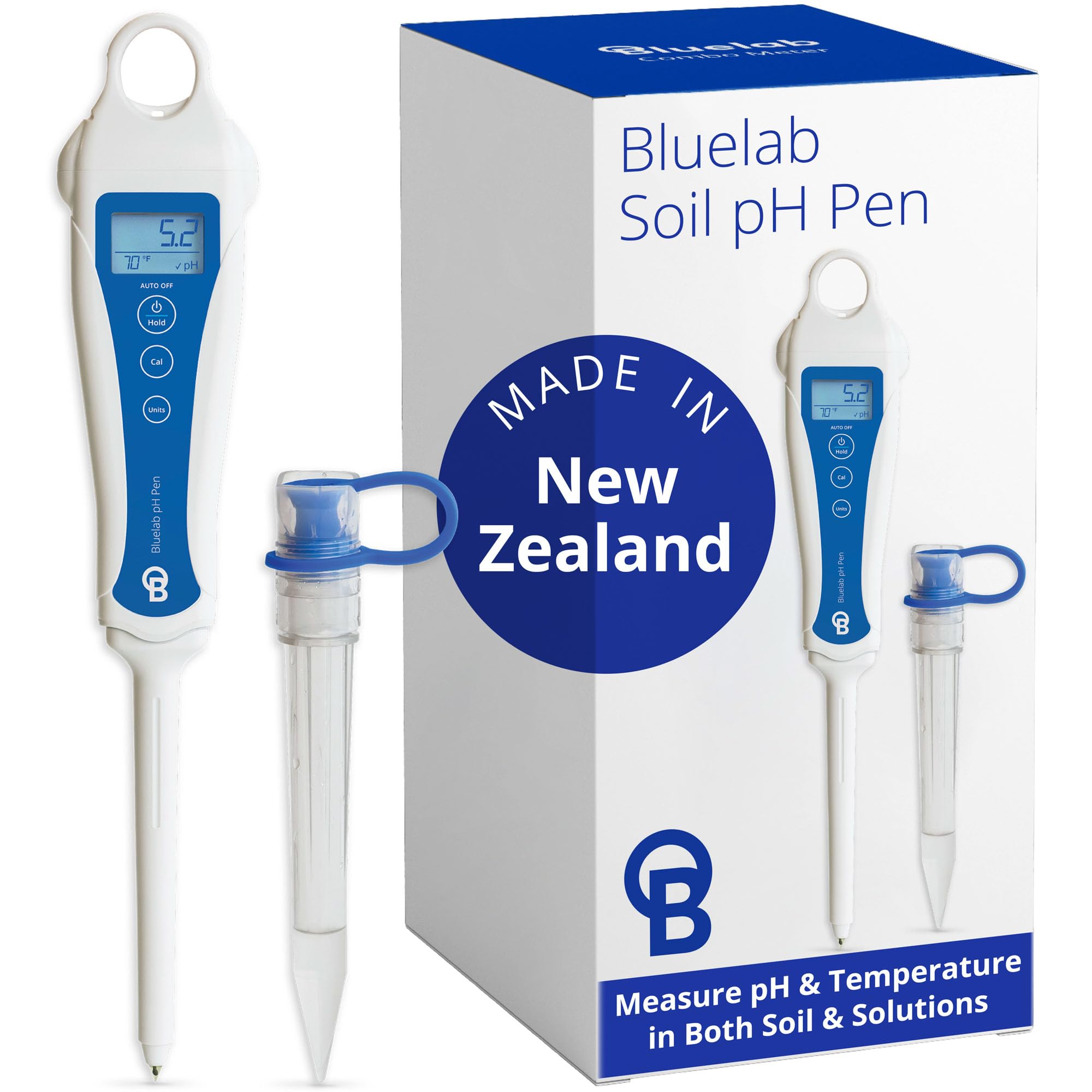
- Runner Up: Apera Instruments AI102G GroStar GS2 Soil pH Pen Tester Kit (around $195). A direct soil pH pen with a replaceable spear probe that also reads nutrient solutions.
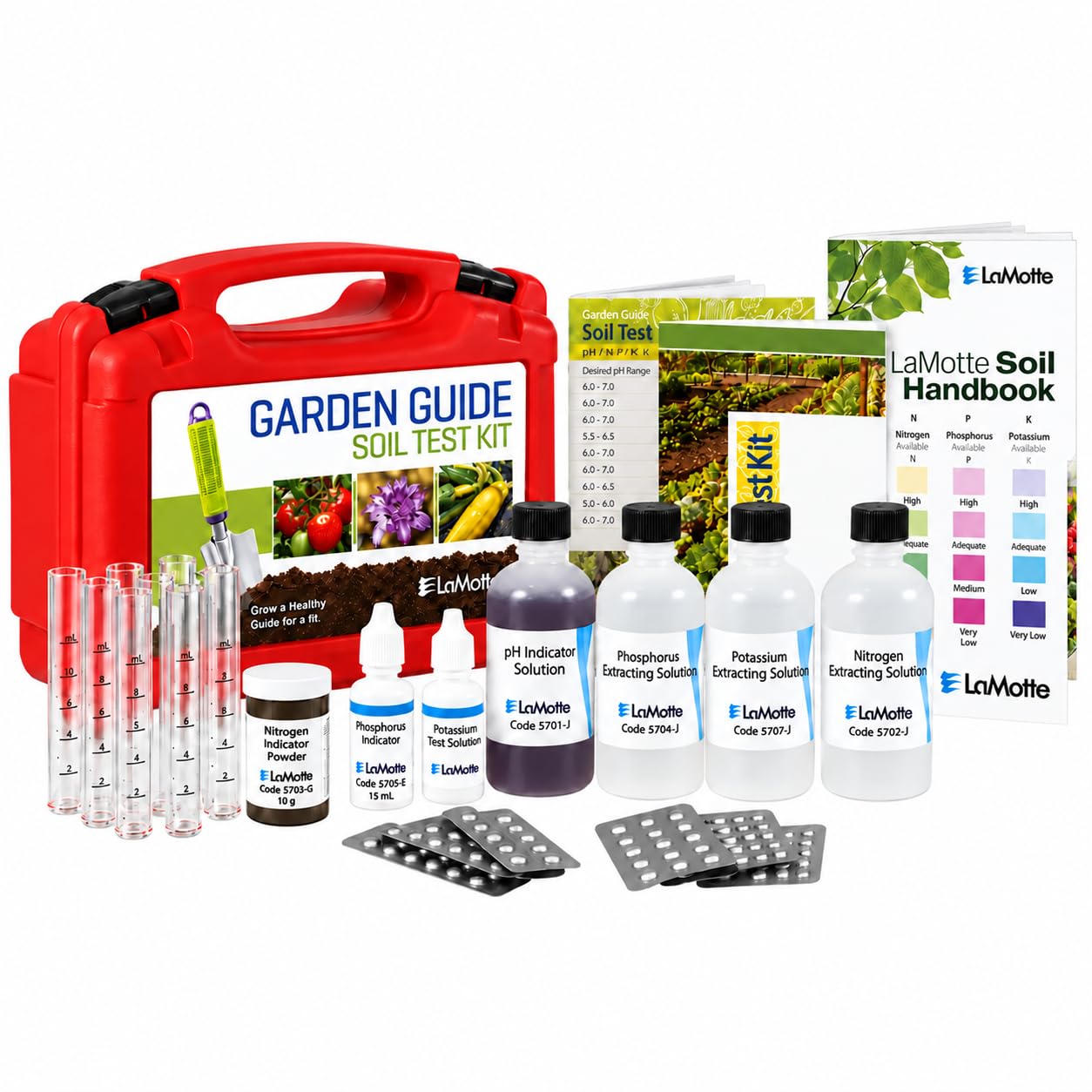
- Best Value: Luster Leaf 1663 Rapitest Professional Soil Test Kit (around $40). Eighty chemical tests for pH and the three main nutrients at a low cost per test.
How We Chose These Heavy Duty Soil Testers
We looked first at how each tester handles frequent use: probe design, test capacity and how easy it is to repeat a reading. Then we weighed owner ratings and review volume, price against features, build quality and support from the maker. Every pick was in stock on amazon.com when we checked, and we skipped bargain meters that tend to give inconsistent results.
Soil Tester for Heavy Duty Use Reviews
1. Hanna Groline Soil pH Tester HI981030: Best Overall
- Electronic soil pH tester
- Part of Hanna's Groline range for growers
- Model HI981030
- Made by Hanna Instruments, a long established lab and field instrument brand
Why We Picked It
Serious growers need accurate pH, because pH controls how well plants can take up the nutrients you already paid for. The Groline HI981030 comes from Hanna Instruments, a company better known for lab and field meters than for garden gadgets, and it is built around one job: measuring soil pH. That focus is exactly what you want when you are testing many plots and comparing results week to week.
Unlike two dollar probe meters, an electronic tester like this gives a number you can record and track over time. If you manage several beds or customer properties, that consistency lets you spot real trends instead of guessing. It has a smaller review base than mass market meters, but owner feedback is positive overall, and the brand's long track record with instruments adds confidence for heavy use.
Pros
- Built by a dedicated instrument maker
- Focused on soil pH, the reading that matters most
- Numbers are easy to log and compare
Cons
- Expensive next to basic meters
- Electronic pH testers need regular calibration
Who Should Buy It
Choose the Hanna if you grow commercially, manage a large vegetable plot or test soil for clients and want pH readings you can trust. Expect to pay around $180.

2. Apera Instruments AI102G GroStar GS2 Soil pH Pen Tester Kit: Runner Up
- Soil pH pen tester kit for direct soil tests
- Also tests nutrient solutions
- Replaceable Swiss spear pH probe
- GroStar Series, Gen II
Why We Picked It
The Apera GS2 is a pro style pH tool that lets you check soil directly, without mixing chemicals. The spear shaped probe is designed to go into soil, so you can take readings in the bed instead of hauling samples back to a bench. For anyone doing many checks in a day, that saves a lot of time.
The replaceable probe is the key heavy duty feature. Probes are the part that wears out first on any pH meter, and being able to swap only the probe keeps the rest of the tester in service for years. The kit also reads nutrient solutions, which makes it useful for growers who run both soil beds and hydroponic or fertigation systems.
Pros
- Direct soil readings with no reagents
- Replaceable probe extends its working life
- Doubles as a nutrient solution tester
Cons
- Pricey for a pen style tester
- Very dry soil may need moistening first
Who Should Buy It
Pick the Apera if you want fast direct pH checks across many beds and like the idea of replacing a worn probe rather than the whole tool. It sells for around $195.

3. Luster Leaf 1663 Rapitest Professional Soil Test Kit: Best Value
- 80 tests in one kit
- Tests pH, nitrogen, phosphorus and potash
- Color comparator chemistry
- Luster Leaf Rapitest professional line
Why We Picked It
Big gardens need full nutrient testing, not just pH, and this kit covers pH plus nitrogen, phosphorus and potash. With 80 tests in the box, you can sample many beds, retest after you add amendments, and still have tests left for the next season. That capacity is what earns it a place in a heavy duty list.
The chemistry works by mixing soil and water with a reagent, then matching the color against a comparator. It takes longer than pushing a probe into the ground, and reading colors can feel subjective in poor light. Still, for the price it gives you the nutrient picture that most electronic meters cannot, and it pairs well with a pH tester from our top two.
Pros
- Tests N, P, K and pH
- Many tests per kit
- Low cost per test
Cons
- Each test takes some time
- Color matching is subjective
Who Should Buy It
Buy the Rapitest 1663 if you garden on a large scale and want regular nutrient checks without paying for a lab test every time. It costs around $40.

What Heavy Duty Use Really Means
For soil testing, heavy duty is less about horsepower and more about consistency, capacity and a tool that keeps working after hundreds of readings.
Commercial grade components
Look for probes and housings built for repeated field use. Instrument brands design their testers to be cleaned, stored and reused, while bargain meters often use thin probes that bend or corrode.
Duty cycle and cooling
Testers do not overheat, but they do have limits. Chemical kits run out of reagents, and electronic probes need rinsing and rest in storage solution between sessions. Plan your testing volume around those limits.
Warranty and parts availability
Replaceable probes, calibration solutions and refill kits keep a tester in service. Before you buy, check that spare parts are easy to find.
How to Choose the Best Soil Tester for Heavy Duty Use
Start with the questions you need answered, then match the tool to how often you test. Our best soil tester guide covers the wider market if you also want options for lighter jobs.
What It Measures (pH, Moisture, NPK, Light)
Soil pH is the most useful single reading, because it affects nutrient uptake. NPK testing tells you what to feed. A moisture meter helps with watering, and light readings matter mostly for houseplants. Heavy users often combine a pH tester with a nutrient soil test kit.
Digital vs Analog Probes
Analog probe meters need no batteries and are cheap, but their pH readings are rough. Digital testers give clear numbers you can log, which matters when you compare plots over a season.
Accuracy and Calibration
Electronic pH testers drift, so plan to calibrate with buffer solution on a regular schedule. A tester that is easy to calibrate will stay accurate far longer.
Lab Kits vs Meters
Chemical kits and mail in lab tests give a fuller nutrient picture, while meters give instant answers in the field. Many growers use a meter for routine checks and a kit or lab test once or twice a year. Our guide on how to use a soil tester explains how to take good samples for both.
Ease of Reading
Large, clear displays and simple steps reduce mistakes when you test many samples in a row. If you work outdoors in bright sun, a digital readout is easier than matching colors.
FAQs About Soil Testers for Heavy Duty Use
Is a soil tester good for heavy duty use?
Yes, if you choose one built for it. Instrument grade pH testers and high capacity test kits handle frequent use well, while cheap probe meters are better for occasional checks. Match the tester to how many samples you take each week and plan for calibration and refills.
How long does a soil tester last?
It depends on the type. Chemical kits last until the reagents run out, so an 80 test kit covers many beds. Electronic testers can last for years with care, although pH probes wear and may need replacing, which is why replaceable probes are a plus.
Is a soil tester worth the money?
For large gardens and growers, usually yes. Knowing your pH and nutrient levels helps you avoid wasting fertilizer and lime on soil that does not need it. A good tester can pay for itself quickly when you manage many beds or a commercial plot.
How much should I spend on a soil tester?
For heavy use, plan on around $40 for a high capacity chemical kit and roughly $180 to $200 for an instrument grade pH tester. Budget a little extra for calibration solution or refills. Our best soil tester for backyards roundup covers cheaper options for lighter needs.
How do I maintain a soil tester?
Rinse probes with clean water after each use, keep pH probes moist in storage solution, and calibrate on schedule. Store chemical kits in a cool, dry place and replace expired reagents. Wipe metal probes dry so they do not corrode between sessions.
Final Verdict
The Hanna Groline HI981030 is our top pick for growers who want dependable soil pH readings, and the Apera GS2 is a great alternative with a replaceable probe. If you need nutrient data on a budget, the Rapitest 1663 delivers 80 tests for around $40. Whichever best soil tester for heavy duty use fits your work, check today's price on Amazon before you buy. For container and bed growers, see our best soil tester for raised beds picks, or learn where to buy a soil tester locally.


