
The 3 Best Soil Testers for Raised Beds of 2026: Expert Picks and Buying Guide
Disclosure: We may earn a commission when you buy through links on this page, at no extra cost to you. As an Amazon Associate I earn from qualifying purchases. Learn more

Moisture meters, nutrient kits and wireless sensors compared: our picks for the best soil tester for raised beds.
Raised beds give you control over the soil, but that control only helps if you know what is going on underneath. Bagged mixes vary, compost changes the balance over time and beds dry out much faster than ground level gardens. The best soil tester for raised beds tells you when to water, whether the pH suits your crops and which nutrients are running low. We compared current test kits and meters on what they measure, ease of use, verified owner ratings on Amazon, expert guidance and price against value.
Our top three are the MySoil Soil Test Kit for a complete nutrient and pH picture, the XLUX T10 moisture meter as the low cost daily check, and the Ecowitt GW1206 kit for wireless moisture monitoring from your phone.




Our Top 3 Picks at a Glance
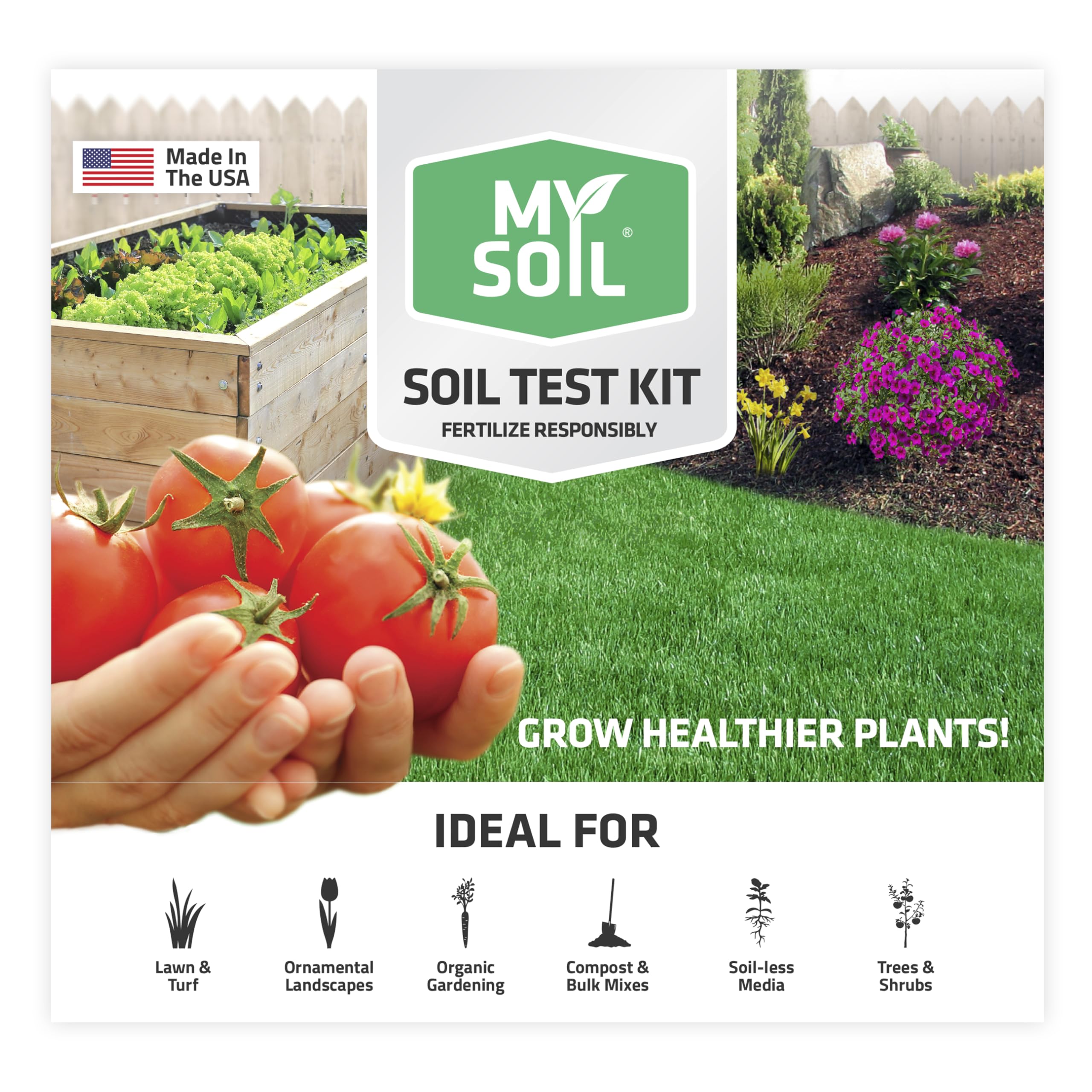
- Best Overall: MySoil Soil Test Kit (around $35). Nutrient and pH analysis with recommendations tailored to your soil and plants, ideal before filling or amending a bed.
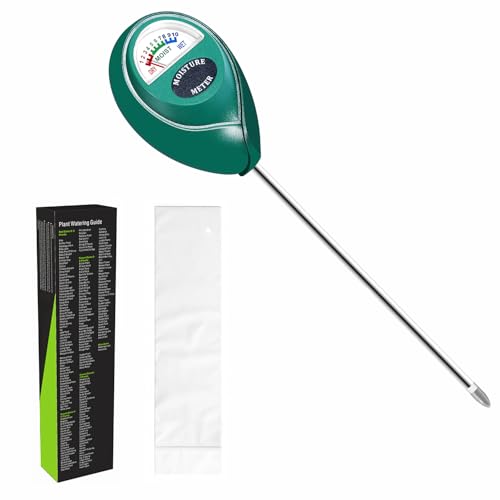
- Best Value: XLUX T10 Soil Moisture Meter (around $10). Battery free probe with a color coded dial that ends the guesswork about watering.
- Best Premium Pick: Ecowitt GW1206 Soil Moisture Tester Kit (around $55). A WH51 wireless sensor plus a WiFi gateway so you can watch bed moisture remotely.
How We Chose the Best Soil Tester for Raised Beds
We judged each tester on how useful it is in a raised bed, then weighed owner ratings and review volume, price against features, build quality and current availability on amazon.com. We wanted at least one option for nutrients and pH, one for everyday moisture checks and one for hands free monitoring.
Soil Tester for Raised Beds Reviews
1. MySoil Soil Test Kit: Best Overall
- Soil test kit for lawns and gardens
- Nutrient and pH analysis
- Recommendations tailored to your soil and plant needs
- Single kit; multi packs are also sold
Why We Picked It
A raised bed is a closed system. Whatever you fill it with and whatever you add each season is all your plants have to work with, so knowing the nutrient levels and pH is worth more here than in an open garden. The MySoil kit gives you a full nutrient and pH analysis rather than a rough color match, which makes it easier to decide whether a bed needs compost, lime, sulfur or a balanced fertilizer.
The tailored recommendations are the real value for beginners. Instead of decoding numbers, you get guidance matched to your soil and to what you want to grow. Testing once when you fill a new bed and again every year or two catches problems before yields drop.
Pros
- Complete nutrient and pH picture
- Recommendations remove the guesswork
- Large base of owner reviews
Cons
- One kit covers one sample, so several beds need a multi pack
- Results are not instant like a probe meter
Who Should Buy It
New raised bed owners, anyone whose plants are struggling for no obvious reason and gardeners who want a proper baseline before amending. It sells for around $35.

2. XLUX T10 Soil Moisture Meter: Best Value
- Moisture only, 10 point color coded dial (Dry, Moist, Wet)
- Battery free, no charging needed
- Slim single probe with 304 stainless steel
- Indoor and outdoor use
Why We Picked It
Overwatering and underwatering cause more raised bed problems than nutrient shortages, and the soil surface lies. Beds can look dry on top while staying wet at root depth, or the reverse after a hot, windy day. The XLUX probe reaches the root zone and shows moisture on a simple dial, so you water when plants actually need it.
There are no batteries and nothing to set up, which makes it a favorite for seniors and beginners who want to avoid overwatering without learning an app. The slim probe slides in with little root disturbance, and the low price means you can keep one in the garden shed and another by the houseplants.
Pros
- Dead simple to read
- No batteries to replace
- Very low price
Cons
- Measures moisture only
- Soil use only, not for liquids or very hard ground
Who Should Buy It
Every raised bed gardener who wants a quick, reliable answer to "should I water today?" It costs around $10.

3. Ecowitt GW1206 Soil Moisture Tester Kit: Best Premium Pick
- Includes GW1200 IoT WiFi gateway
- Includes WH51 wireless soil moisture sensor
- 915 MHz sensor connection to the gateway
- Monitor soil moisture remotely
Why We Picked It
Raised beds dry out quickly in summer heat, and a day away can mean wilted seedlings. The Ecowitt kit pairs a WH51 sensor that stays in the bed with a WiFi gateway inside the house, so you can check moisture readings from your phone without walking outside with a probe.
Because the gateway is included, you do not have to hunt for a compatible hub. It is a good fit for gardeners who like data, travel often or have several beds spread around the yard. It is a smart way to monitor raised beds over the long run, especially in hot, windy weeks.
Pros
- Remote moisture monitoring
- Gateway included in the kit
- Readings reach your phone over home WiFi
Cons
- Measures moisture only
- Smaller review base than simple meters
Who Should Buy It
Tech friendly gardeners and frequent travelers who want to keep an eye on their beds from anywhere. It sells for around $55.

Using a Soil Tester with Raised Beds
Right Size for Small Spaces
Raised beds are compact, so one probe meter or one test kit per bed is usually enough. Test each bed separately, since mixes and amendments often differ between them.
Soil Depth and Access
Most vegetable roots sit in the top several inches. Push moisture probes to root depth, and take test kit samples from a few spots in the bed, then mix them for an average reading.
Watering and Planting Tips
Check moisture before watering, not after. Test pH and nutrients before spring planting so you have time to amend. Our guide on how to use a soil tester walks through each step.
How to Choose a Soil Tester for Your Raised Garden
Start by deciding what you actually need to know. Many gardeners pair a cheap moisture meter for daily use with a nutrient kit once a season. If you are still asking which soil tester is best for raised beds, the points below will narrow it down.
What It Measures (pH, Moisture, NPK, Light)
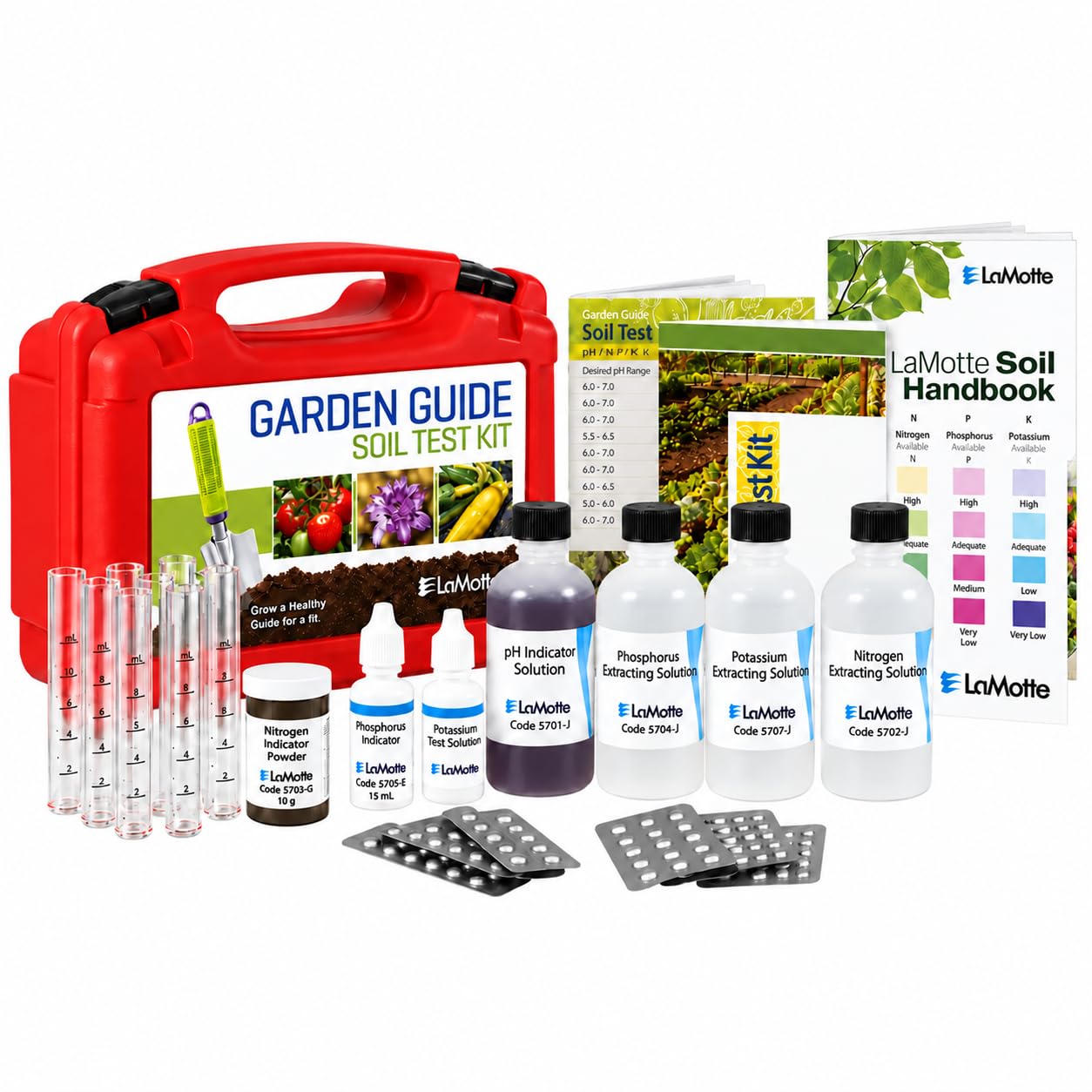
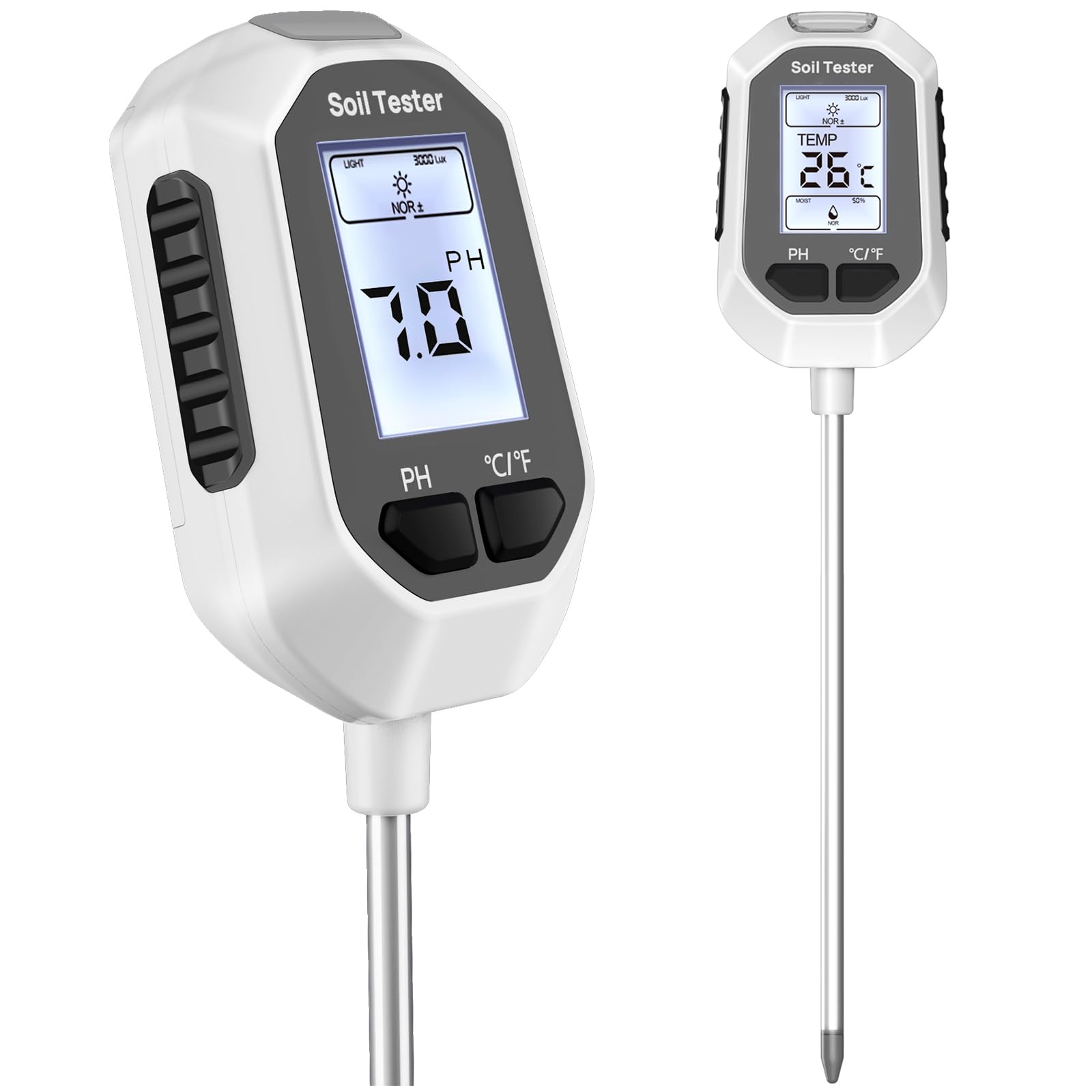
Moisture meters answer watering questions. pH testers and NPK kits answer feeding questions. Multi function meters that add light and temperature are handy, but check what each reading really measures before relying on it.
Digital vs Analog Probes
Analog dials need no batteries and are easy to read. Digital meters show numbers and sometimes log data, but they rely on batteries and calibration.
Accuracy and Calibration
Simple probes give relative readings, which is fine for watering. For pH decisions, a dedicated digital pH tester with calibration or a detailed test kit is more trustworthy.
Lab Kits vs Meters
Detailed test kits give a fuller nutrient picture with recommendations but take time. Meters give instant answers on moisture and rough pH. Our best soil tester roundup compares both types, and the best soil tester for heavy duty use guide covers rugged pro tools.
Ease of Reading
Big color coded dials and clear app screens beat tiny numbers you have to squint at in sunlight. Pick the format you will actually use.
FAQs About Soil Testers for Raised Beds
Can a soil tester be used for raised beds?
Yes, and raised beds are one of the best places to use one. Bed soil dries out faster and depends entirely on what you add, so moisture checks and periodic nutrient tests help you water and feed correctly. Probe meters work in any bed deep enough to reach the root zone, and test kits only need a small soil sample.
How long does a soil tester last?
Analog moisture meters often last for years if you wipe the probe clean and avoid leaving them in wet soil. Wireless sensors last as long as their batteries and seals hold up. Test kits are single or limited use, so plan to buy a new one each season or two.
Is a soil tester worth the money?
For most raised bed gardeners, yes. A $10 moisture meter prevents overwatering, and a nutrient kit stops you from buying fertilizer or lime you do not need. Healthier plants and fewer wasted amendments usually cover the cost in the first season.
How much should I spend on a soil tester?
Basic moisture meters cost around $10 to $20, nutrient and pH kits run roughly $30 to $40, and wireless monitoring kits start near $40 to $60. Many gardeners buy one cheap meter plus one kit.
How do I maintain a soil tester?
Wipe probes clean and dry after every use, store meters indoors and never leave a non wireless probe sitting in wet soil. Replace batteries in digital and wireless units when readings start to drift.
Final Verdict
The MySoil kit is our top pick for a complete nutrient and pH baseline, the XLUX T10 is the best value for daily watering checks, and the Ecowitt GW1206 suits gardeners who want remote monitoring. Whichever best soil tester for raised beds you choose, check today's price on Amazon. Want more options? See our best soil tester for backyards picks or learn where to buy a soil tester.


