
Top 3 Soil Testers in 2026: Honest Reviews and Buying Advice
Disclosure: We may earn a commission when you buy through links on this page, at no extra cost to you. As an Amazon Associate I earn from qualifying purchases. Learn more

Check pH, nutrients and moisture before you feed or water. Our best soil tester picks from Luster Leaf, Bluelab and XLUX.
Yellowing tomato leaves, a lawn that never fills in, or a hydrangea that refuses to bloom often point to the same hidden cause: soil that is too acidic, too alkaline, too wet or short on nutrients. Guessing leads to wasted fertilizer and lime, and sometimes to plants that die anyway. The best soil tester takes the guesswork out by showing you what is happening below the surface, so you can water, feed and amend with confidence.
To pick the testers below, we compared manufacturer specifications, verified owner feedback on Amazon, expert gardening advice and the price of each tool against the information it gives you. Only current products in stock made the list. Our three picks: a Rapitest chemical kit for pH and nutrients, a Bluelab digital pH pen for growers who need precise numbers, and an XLUX moisture meter that tells you when to water for less than the price of a bag of potting mix.





Our Top 3 Picks at a Glance
Here is the quick version. Each tester answers a different question, so many gardeners end up owning two.
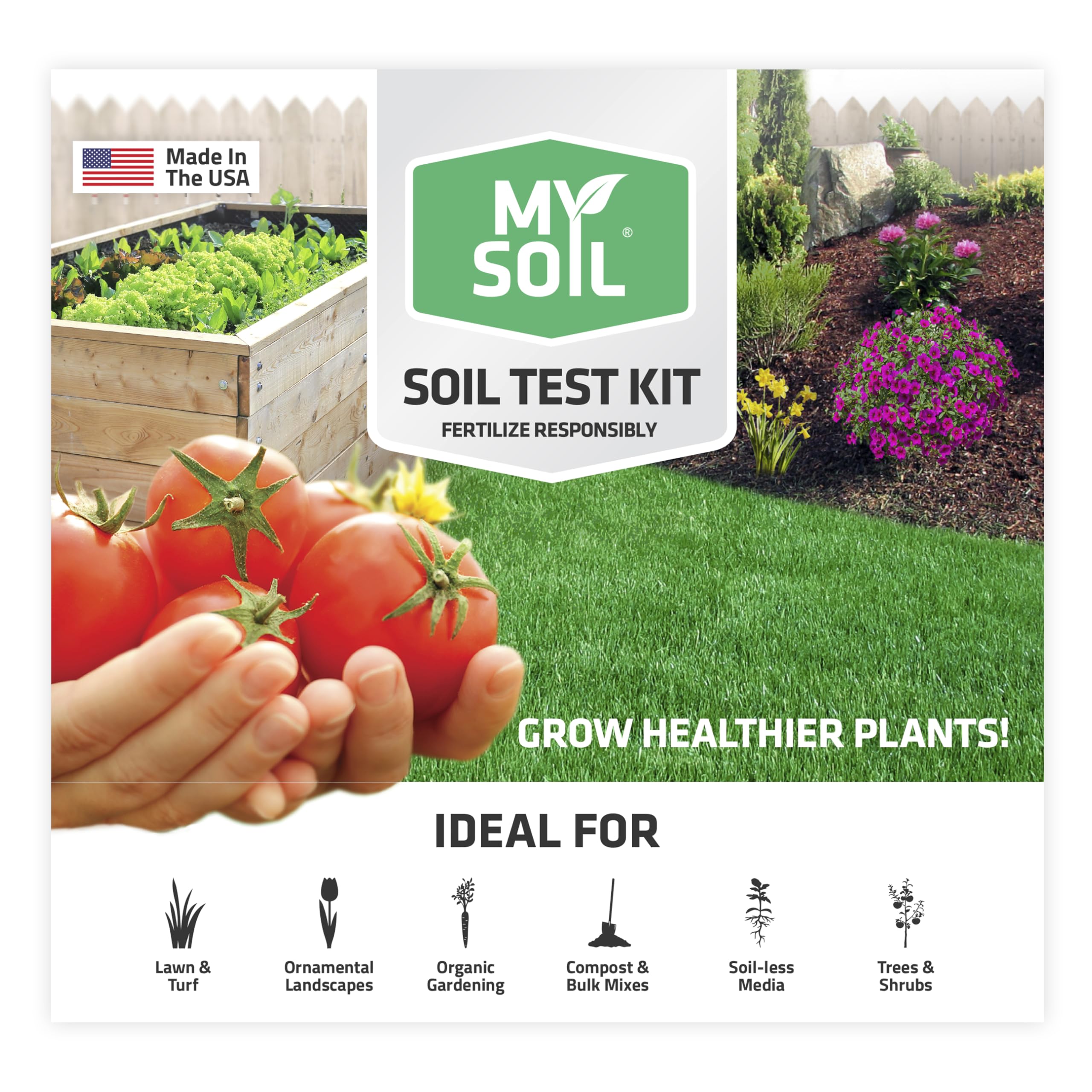
- Best Overall: Luster Leaf Rapitest Soil Test Kit (around $17). A beginner friendly kit that measures soil pH and garden nutrients with simple color comparison.
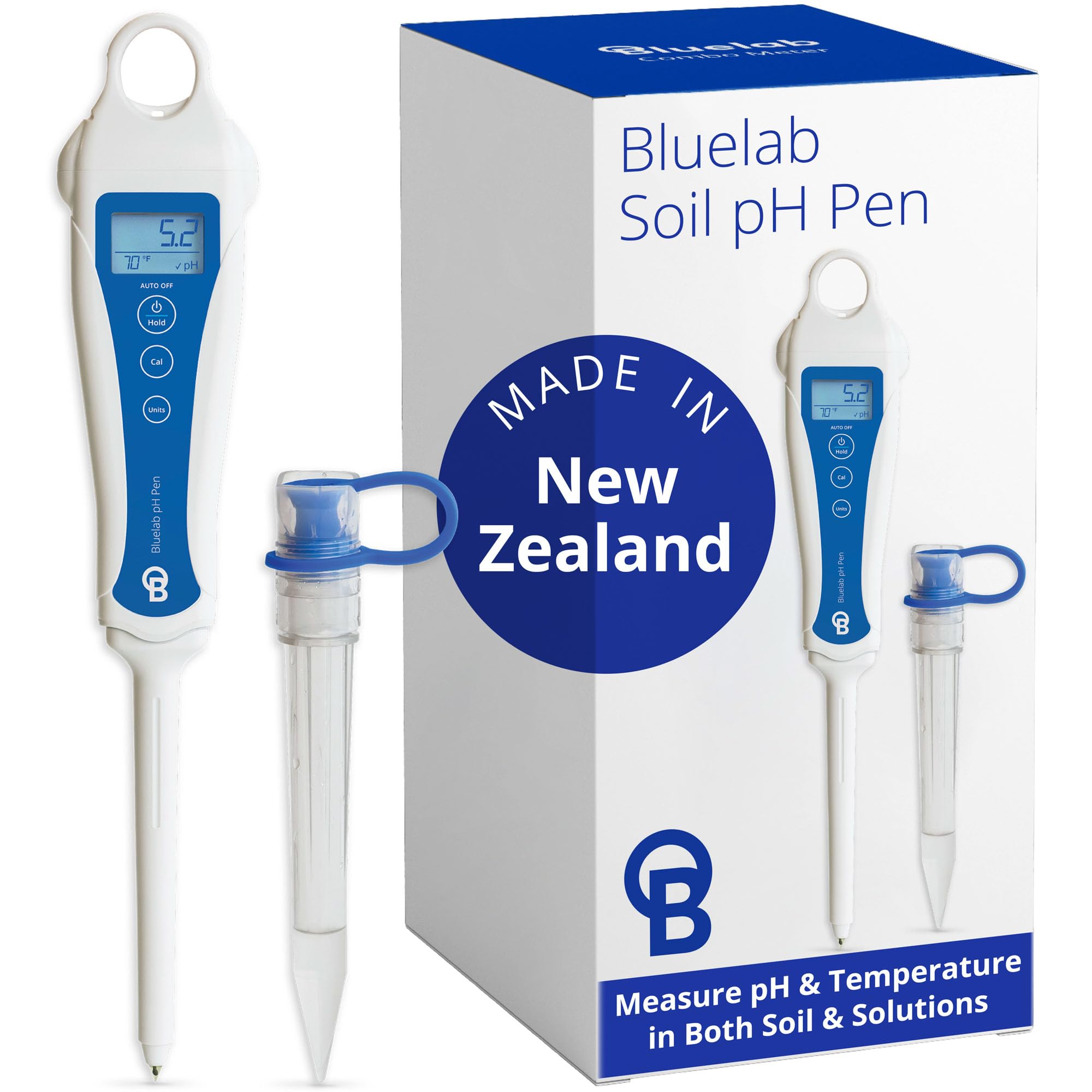
- Best Premium Pick: Bluelab Soil pH Pen (around $200). A digital pH meter that reads directly in soil, with easy calibration, a water resistant body and 0.1 pH accuracy.
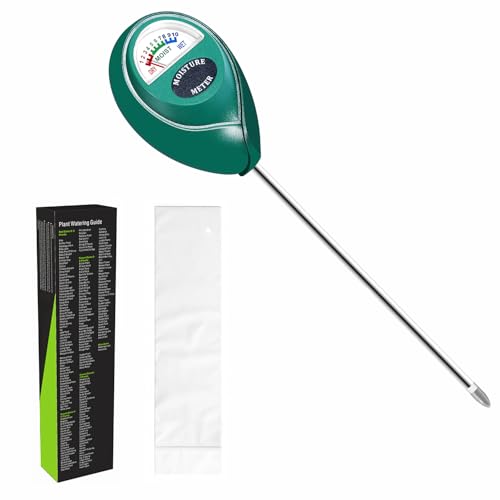
- Best Value: XLUX Plant Soil Moisture Meter (around $10). A battery free probe with a 10 step color dial that shows when the root zone is dry, moist or wet.
The product table above includes more options, from mail in lab kits to digital pH pens and multi function meters.
How We Chose the Best Soil Tester
We looked at what each tester measures and how useful the result is for a home gardener, whether that is pH, nutrients or moisture. Owner ratings and review volume showed which tools give consistent, believable readings over time. We weighed price against accuracy and features, checked build quality and any calibration needs, and confirmed that every product is current and available on amazon.com. Ease of reading mattered too, because a tester you cannot interpret is not much help.
Soil Tester Reviews
1. Luster Leaf Rapitest Soil Test Kit: Best Overall
- Measures: soil pH (acidity) and garden nutrients
- Method: chemical test with color comparison
- Use: gardens, vegetables, flowers and lawns
- Design: USA designed and assembled kit
- Power: none needed
Why We Picked It
Most home gardeners need two answers from a soil test: is the pH right for what I am growing, and is the soil short on nutrients? The Rapitest kit answers both at a low price. You mix a small soil sample with water and the test chemistry, wait for the color to develop, and compare it to the chart. There is no calibration, no batteries and nothing to charge, which makes it ideal for a first soil test.
Chemical kits like this are more reliable for pH and nutrients than the cheap probe meters that claim to measure everything. The color result gives you a clear direction: add lime to raise pH, sulfur to lower it, or a fertilizer that targets what is missing. For vegetable beds, flower borders and lawns, that is usually all the detail you need to make a better decision than guessing.
The kit suits beginners who want to check a few beds each spring or compare the soil in the front and back yard. It also has one of the largest bases of owner reviews in the category, which tells you many gardeners keep coming back to it season after season.
To get the most from any chemical kit, sample properly. Dig down a few inches below the surface, take soil from several spots in the same bed and mix it in a clean container, removing roots, stones and mulch. Avoid testing right after fertilizing or liming, since fresh amendments skew the result. Use distilled water if the instructions call for water, because tap water can shift the pH reading. These simple habits make an inexpensive kit far more useful.
Pros
- Tests pH and nutrients in one low cost kit
- Beginner friendly color comparison
- No batteries or calibration
- Large base of owner reviews
Cons
- Limited number of tests per kit
- Readings are approximate ranges, not exact numbers
- Color matching takes good light
Who Should Buy It
Choose the Rapitest kit if you are starting a garden, fixing a struggling lawn or want a quick seasonal check of pH and nutrients without spending much. At around $17, it is the most practical first soil tester for most households.

2. Bluelab Soil pH Pen: Best Premium Pick
- Measures: pH, read directly in soil and growing media
- Media: soil, hydroponic gardens, coco and rockwool
- Accuracy: 0.1 pH
- Calibration: easy calibration
- Build: water resistant, with a probe cover included
Why We Picked It
If you grow blueberries, run a greenhouse or simply want a precise number instead of a color range, a quality digital pH meter is the step up. The Bluelab pen is designed for direct pH testing in soil as well as hydroponic gardens, coco and rockwool, so it covers both outdoor beds and indoor growing setups.
Precision is the main reason to pay more. Bluelab lists 0.1 pH accuracy, which is enough to tell whether a bed sits at 6.2 or 6.8, a difference that matters for acid loving plants and many vegetables. Easy calibration keeps readings trustworthy over time, and the water resistant body and probe cover protect the sensitive sensor in a garden shed or greenhouse.
Like any quality pH meter, it rewards a little care. Calibrate it on the schedule the maker recommends, rinse the probe after each reading and keep the cap on between uses so the sensor does not dry out. Very dry or stony ground can be moistened slightly before testing to get good contact around the tip. Treat it as a precision instrument and it will deliver dependable numbers for many seasons.
A meter like this also pays off over many tests. Once you own it, each reading costs nothing, so you can check every bed, container and raised bed as often as you like. That makes it a smart choice for serious growers, market gardeners and anyone who adjusts pH regularly.
Pros
- Precise digital pH readings
- Direct soil testing plus hydroponic and coco use
- Water resistant with a probe cover
- No ongoing cost per test
Cons
- Measures pH only, not nutrients
- Needs regular calibration and probe care
- Expensive for casual gardeners
Who Should Buy It
Pick the Bluelab pen if you need accurate pH numbers often, grow acid loving plants or work with hydroponics and greenhouse media. At around $200, it is the best professional grade soil tester for growers who test regularly.

3. XLUX Plant Soil Moisture Meter: Best Value
- Measures: soil moisture only
- Display: large color coded dial with 10 scales (dry, moist, wet)
- Power: battery free
- Probe: slim single needle, 304 stainless steel
- Use: indoor and outdoor, soil only (not for liquids)
Why We Picked It
Overwatering kills more houseplants and container plants than almost anything else, and your finger can only feel the top inch of soil. The XLUX meter reaches the root zone and shows what is happening there on a simple color coded dial. Ten steps from dry to wet make the reading easy for anyone, including beginners and older gardeners who do not want to fiddle with apps or batteries.
It needs no batteries or charging; you simply push the probe into the soil and read the dial. The slim single needle slides in smoothly and disturbs roots less than bulky dual probe designs, which matters with delicate houseplants. The probe is 304 stainless steel, and XLUX ships each meter with a protective sleeve for the needle.
It is the cheapest tool in this guide, but it may save the most plants. Use it before every watering for a few weeks and you quickly learn how fast each pot and bed dries out. It is the best easy to use soil tester for anyone whose main question is simply whether to water today.
Pros
- Very simple color dial
- No batteries needed
- Slim probe is gentle on roots
- Very low price with a huge base of owner reviews
Cons
- Moisture only, no pH or nutrient reading
- Not suited to very hard or rocky soil
- Must be wiped clean and kept dry after use
Who Should Buy It
Choose the XLUX meter if you care for houseplants, containers or raised beds and want to stop overwatering. At around $10, it is the value pick and a smart companion to a pH or nutrient kit.

Who Should Buy a Soil Tester (and Who Should Not)
A soil tester makes sense for anyone starting a new garden bed, fixing a patchy lawn, growing vegetables or keeping fussy plants like blueberries, azaleas and hydrangeas. It is also helpful if you have moved to a new home and do not know the soil, or if plants keep struggling despite regular feeding. Houseplant owners benefit mostly from a moisture meter, since watering mistakes are the most common cause of trouble indoors.
You may not need one if you only grow a few easy containers in fresh potting mix, which comes with a balanced pH and nutrients. Homeowners planning a large lawn renovation or a farm plot may get better value from a professional lab test, which gives detailed nutrient levels and recommendations. A lab report and a simple home kit work well together: the lab gives you a baseline, and the kit lets you check progress between seasons. For larger properties, see our guide to the best soil tester for backyards.
How to Choose the Best Soil Tester
Start with the question you want answered, then match the tool to it.
What It Measures (pH, Moisture, NPK, Light)
pH controls how well plants absorb nutrients, so it is the most important single number. NPK tests show nitrogen, phosphorus and potassium levels. Moisture meters tell you when to water, and light meters help place houseplants. Cheap three in one or seven in one probes measure many things, but their pH and nutrient readings are usually rough estimates.
Digital vs Analog Probes
Analog probes need no batteries and are easy to read, which makes them great for moisture. Digital meters show exact numbers and often store readings, but they need batteries and care. For pH, a quality digital pen is far more accurate than a low cost analog probe.
Accuracy and Calibration
Professional pH meters are calibrated with buffer solutions and give consistent readings to a tenth of a pH unit or better. Chemical kits give reliable ranges without calibration. Low cost probes are fine for trends but should not guide big decisions like how much lime to spread. If you need a rugged meter for frequent field use, see the best soil tester for heavy duty use.
Lab Kits vs Meters
Mail in lab kits analyze nutrients in detail and often include tailored recommendations, but you wait for results. Home chemical kits are quick and cheap for pH and basic nutrients. Meters give instant readings and cost nothing per test once you own them. A sensible approach for a new garden is to start with one lab test for a full picture, then use a home kit or meter to track changes after you add compost, lime or fertilizer.
Ease of Reading
Large color dials and clear charts are easiest for beginners. If you have trouble judging colors, a digital display removes the guesswork. Check how long a test takes, too: some kits need a few minutes to settle, while probes read in seconds. Our guide on how to use a soil tester walks through each type step by step.
Price per Test
Chemical kits cost little upfront but run out after a set number of tests. Meters cost more at first and then test for free. If you test many beds or test often, a meter usually wins over time; for a yearly check, a kit is cheaper.
FAQs About Soil Testers
How long does a soil tester last?
Chemical test kits last until you use up the capsules, and unused reagents should be stored cool and dry. Analog moisture meters can last several seasons if you clean and dry the probe after each use. Digital pH meters last years, though the electrode is a wear part that may need replacing eventually.
Is a soil tester worth the money?
Yes, for most gardeners. A low cost test can prevent you from wasting fertilizer, lime or sulfur on soil that does not need it, and it explains problems that look like disease or pests. A moisture meter alone can save houseplants from overwatering, the most common cause of plant loss.
How much should I spend on a soil tester?
A moisture meter costs around $10 to $20, and a basic pH and nutrient kit about $15 to $35. Mail in lab kits often run $30 to $60. Accurate digital pH meters for serious growers typically cost $150 to $250.
How do I maintain a soil tester?
Wipe probes clean after every use and store them dry, since moisture and soil residue corrode the metal. Never leave a probe in the ground. For digital pH meters, keep the electrode moist with its storage solution, calibrate regularly and replace batteries before they leak.
Final Verdict
For most households, the Luster Leaf Rapitest kit is the best soil tester: it checks pH and nutrients cheaply and simply. The Bluelab pH pen is the premium pick for growers who need precise numbers, and the XLUX moisture meter is the value choice that stops overwatering. Many gardeners pair the kit with the moisture meter for complete coverage. Read where to buy a soil tester for shopping options, and check today's price on Amazon.


