
Where to Buy a Raised Garden Bed: Expert Buying Guide and Checklist
Disclosure: We may earn a commission when you buy through links on this page, at no extra cost to you. As an Amazon Associate I earn from qualifying purchases. Learn more

Where to buy a raised garden bed: Amazon, big box stores or specialty shops, plus materials, sizes, budgets and mistakes to avoid.
The best places to buy a raised garden bed are Amazon, for the widest selection of metal, wood and fabric kits with verified owner reviews and home delivery; home improvement stores such as big box chains, for seeing materials in person and buying lumber and soil in one trip; and brand websites or garden specialty retailers, for premium cedar and modular steel systems. If you are wondering where to buy a raised garden bed, the right store depends on the material you want, how quickly you need it and how much help you want with assembly.
This guide compares those options, explains the features that matter, gives realistic budgets and sizing tips, and lists the mistakes to avoid so your first raised bed lasts for years.
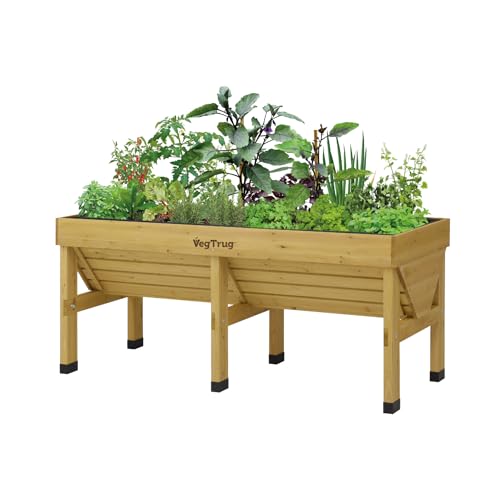


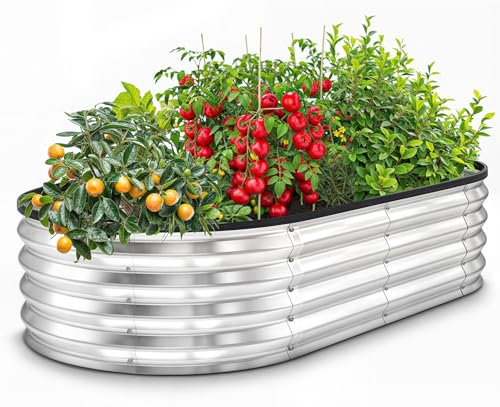
Where to Buy a Raised Garden Bed: Amazon vs Big Box Stores vs Specialty Shops
Each type of store has strengths. Compare selection, verified reviews, prices, delivery, returns and warranty support before you decide.
Buying a Raised Garden Bed on Amazon
Amazon offers the largest range of raised bed kits, from inexpensive galvanized ovals to tall modular steel systems, cedar planters and elevated beds on legs. Verified owner reviews and photos show how each kit looks after a season outdoors, which is the best way to judge rust resistance and sturdiness. Delivery to your door is a real advantage, because a flat packed metal kit is much easier to receive than to haul home. Check the return window, since bulky items can be awkward to send back.
Home Improvement and Big Box Stores
Big box and home improvement stores let you see and touch materials before you buy. They stock a smaller range of kits but sell lumber, hardware, landscape fabric and bagged soil, so you can build a custom bed and fill it in one trip. Staff help varies by store, and seasonal stock often sells out in spring.
Brand Websites and Specialty Retailers
Brand websites and garden specialty retailers carry premium beds, including thick cedar, elevated planters and modular steel systems with accessories such as trellises and covers. They often offer the full range of sizes and colors, detailed planting guides and direct warranty support. Prices are usually higher, and shipping can be slower.
When to Buy for the Best Deals
Prices tend to be best in late summer and fall, when garden stock is cleared, and during major retail sale events. Late winter is the smartest time to buy if you want the most choice before spring planting. Waiting until the first warm weekend of spring usually means fewer options and higher prices.
What Is a Raised Garden Bed and Do You Need One?
A raised garden bed is a framed box filled with soil that sits above ground level. Because you control the soil, it drains well, warms up earlier in spring and stays loose because nobody walks on it. Raised beds also reduce bending, keep weeds and grass from creeping in and make it easier to garden on poor, rocky or heavy ground.
You probably need one if your native soil is clay or compacted, if bending is hard on your back or knees, or if you want a tidy, defined vegetable garden. They are also ideal for patios and small yards where in ground beds are impractical.
Main Types of Raised Garden Beds
Galvanized steel beds are the most popular kits today. They are durable, resist rot and pests, and come in oval, rectangular and modular shapes. Good for most gardeners who want a long lasting bed at a fair price.
Wood beds, especially cedar, offer a classic look and natural rot resistance. They suit gardeners who prefer natural materials and do not mind replacing boards after many years.
Elevated beds on legs sit at waist height, which is ideal for seniors, wheelchair users and patio gardening, though they hold less soil.
Fabric grow beds are light, cheap and foldable. They breathe well and suit renters or beginners testing a spot, but they last only a few seasons.
Self watering and covered beds include reservoirs or protective covers, which suit busy gardeners and hot or windy climates.
Key Features to Consider
Once you know where to shop, these features separate a bed that lasts from one that bows, rusts or rots. They also answer what to look for in a raised garden bed when two kits look similar online.
Material: Galvanized Steel, Wood or Fabric
Galvanized steel lasts many years and will not rot, though thin panels can bow when filled. Look for coated or aluminum zinc steel for extra rust resistance. Cedar and other rot resistant woods last well but eventually need board replacement. Avoid untreated pine for long term beds. Fabric is the cheapest and lightest but the shortest lived.
Height and Accessibility
Beds 11 to 12 inches tall suit most vegetables and herbs. Taller beds around 17 to 32 inches reduce bending and help on poor soil, while elevated beds on legs bring the garden to waist height for anyone with mobility limits. Beginners should also see our guide to the best raised garden bed for beginners.
Size and Depth
Keep the width at 4 feet or less so you can reach the middle from either side without stepping in. Length is flexible. Most crops need at least 8 to 12 inches of loose soil, while root vegetables and tomatoes appreciate 12 inches or more.
Drainage and Base
Most kits are open bottomed so roots can reach native soil and water can drain. Place hardware cloth underneath if gophers or moles are a problem. Elevated and patio beds need drainage holes. On heavy ground, see our picks for the best raised garden bed for clay soil.
Assembly
Metal kits usually bolt together with included hardware and take about an hour, while modular systems let you reconfigure shapes. Check whether tools are needed and whether corner braces or support bars are included, since they prevent bowing on long beds.
Durability and Rust Resistance
Look at panel thickness, coating quality and the warranty length. Rolled edges protect hands and add stiffness. For wood, check board thickness and whether hardware is galvanized or stainless.
How Much Should You Spend?
Expect to pay around $60 for an entry level galvanized or fabric bed that suits a first vegetable patch. Around $120 buys a sturdier mid range kit with thicker steel, taller sides or quality cedar. Premium beds around $170 and up include tall modular steel systems, thick cedar and elevated designs with extra features. Remember to budget for soil, which can cost as much as the bed itself for deep or tall frames. Our guide on how much does a raised garden bed cost breaks down the total, including fill.
What Size Raised Garden Bed Do You Need?
The question what size raised garden bed do i need depends on your space and what you want to grow. Use this table as a starting point.
| Space and goal | Suggested bed size | Good for |
|---|---|---|
| Balcony or patio | 2 x 4 ft elevated bed or planter | Herbs, salad greens, peppers |
| Small yard, first garden | 4 x 4 ft or 4 x 2 ft, 11 to 12 in tall | Mixed vegetables for one or two people |
| Family vegetable garden | Two or three 4 x 8 ft beds | Tomatoes, squash, beans, greens |
| Poor soil or limited mobility | 4 x 8 ft, 17 to 32 in tall | Deep rooted crops, easier access |
Start smaller than you think. One well tended bed is more productive than three neglected ones.
Is a Raised Garden Bed Worth Buying?
For most home gardeners, yes. A raised bed gives you better soil, fewer weeds, earlier planting and less bending, and a good metal or cedar bed lasts many seasons. Harvests are often higher than in poor native soil because roots grow freely in loose, rich mix. It is less worthwhile if you already have deep, healthy garden soil and plenty of space, or if you only want a few herbs that grow happily in pots.
Common Buying Mistakes to Avoid
The most common mistake is buying a bed that is too wide to reach the center. Others include choosing thin steel that bows once filled, forgetting the cost and volume of soil, placing the bed in shade, skipping hardware cloth where burrowing pests live and using treated wood of unknown origin for food crops. Finally, check that the kit includes all corner braces and screws before assembly day.
Frequently Asked Questions
What size raised garden bed do I need?
For most beginners, a 4 x 4 ft or 4 x 8 ft bed that is 11 to 12 inches tall is the sweet spot. Keep beds no wider than 4 feet so you can reach the middle, and choose taller sides if your native soil is poor or bending is difficult.
How long does a raised garden bed last?
So, how long does a raised garden bed last? Quality galvanized steel beds can last a decade or more, cedar beds often last many years before boards need replacing, and fabric beds typically last a few seasons. Thick materials, good coatings and proper drainage all extend lifespan.
Is a raised garden bed worth buying?
Yes, for most gardeners. A raised bed improves drainage and soil quality, reduces weeding and bending, and warms earlier in spring. The investment usually pays back in easier gardening and better harvests within a few seasons.
Is a raised garden bed worth it?
It is worth it if you have poor soil, limited space or trouble bending, or simply want a neater, more productive garden. If you already have deep, fertile ground, an in ground bed may be cheaper and nearly as productive.
What is the best brand of raised garden bed?
Popular, well reviewed brands include Vego Garden and Olle for modular steel, Land Guard and Best Choice Products for budget galvanized kits, and Greenes Fence and Gardener's Supply Company for cedar. The best brand depends on your preferred material, height and budget.
Final Thoughts
When deciding where to buy a raised garden bed, Amazon offers the widest choice and owner reviews, big box stores suit custom builds, and specialty retailers carry premium systems. Choose a durable material, a reachable width and enough depth for your crops. Ready to pick one? See our list of the best raised garden bed options, then read how to use a raised garden bed for setup tips.


