
How Does a Soil Tester Work: Expert Tips and Step by Step Guide
Disclosure: We may earn a commission when you buy through links on this page, at no extra cost to you. As an Amazon Associate I earn from qualifying purchases. Learn more

How does a soil tester work? Probe meters, digital pH pens and chemical kits explained, plus how gardeners use each one.
A soil tester works in one of two ways. Electronic probe meters push metal sensors into damp soil and read the tiny electrical signal or resistance between them, which the meter converts into a moisture, pH or fertility reading. Chemical test kits mix a soil sample with water and a reagent, and the color that develops is matched against a chart to show pH or nutrient levels. Knowing how does a soil tester work helps you pick the right type and trust the numbers you get.
Below, you will learn what a soil tester is, how its parts work together, how gardeners use one in different growing spaces, the main types available, and whether one belongs in your garden shed.



What Is a Soil Tester?
A soil tester is a tool that measures one or more properties of your soil, most often moisture, pH (how acidic or alkaline the soil is) and fertility. Some kits also measure the three main plant nutrients, nitrogen, phosphorus and potassium, usually shortened to NPK. Many meters add a light sensor that shows how much sun a spot receives.
Soil testers range from simple analog probes under $15 to professional digital pH testers that cost close to $200. The cheapest models are battery free dial meters you push into the ground. In the middle sit chemical soil test kits with capsules or tubes for repeated tests. At the top are digital instruments like the Hanna Groline HI981030 soil pH tester, built for growers who need precise, repeatable pH readings.
Whatever the price, the goal is the same: replace guesswork with information, so you water, lime or fertilize only when the soil actually needs it.
How Does a Soil Tester Work?
Most home soil testers fall into the probe meter or chemical kit family, and each uses different parts to reach a reading.
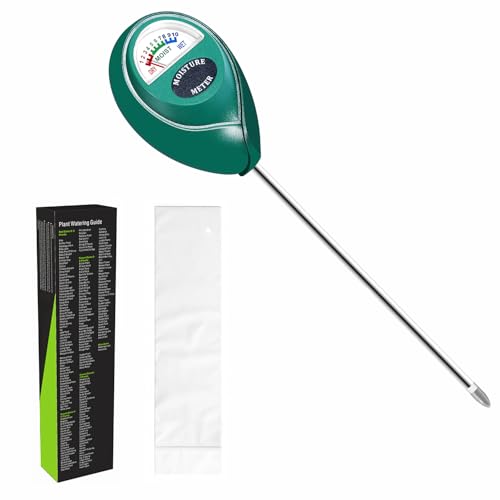
Probe meters. A typical analog meter has one or two metal probes, a small circuit and a dial. Moisture readings rely on the fact that wet soil conducts electricity better than dry soil. When you push the probe into the root zone, the meter measures how easily a small current passes through the soil and moves the needle from dry to wet. Battery free meters like the XLUX moisture meter generate their tiny signal from the contact between the probe metals and the moist soil itself.
pH readings on budget probe meters work on a similar principle, using two different metals to sense the chemistry of the soil water. These readings are a quick estimate rather than a lab result, and they depend heavily on good soil contact and enough moisture.
Digital pH testers. Professional pH pens use a glass or flat sensing electrode that responds directly to hydrogen ion activity in the soil moisture. A digital circuit converts that tiny voltage into a pH number on a screen. These tools need calibration and careful cleaning, which is part of why they cost more and read more consistently.
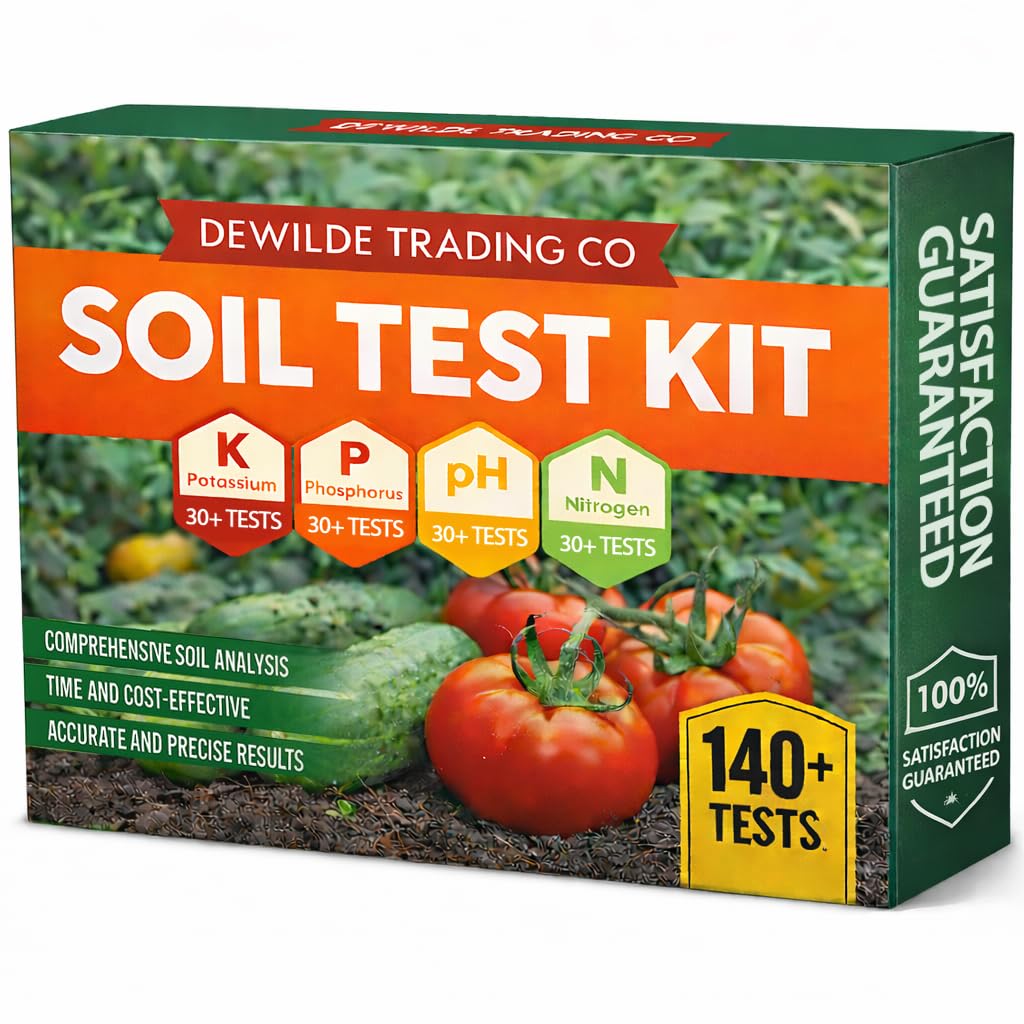
Chemical kits. Kits such as the Rapitest soil test kit separate pH and nutrient tests into color coded capsules. You mix a soil sample with water, let the solids settle, add the reagent to a portion of the liquid and compare the resulting color with a chart.
Whatever the type, accuracy depends on technique. Sample from root depth rather than the surface, take several readings across a bed, wipe probes clean between tests and use distilled water for chemical kits so tap water minerals do not skew the color. Treat any single reading as a guide and look for a pattern over a few tests.
What Is a Soil Tester Used For?
If you are asking what is a soil tester used for, the short answer is deciding when to water, whether to adjust pH, and how much fertilizer to apply. Here is how that plays out in common growing spaces.
Clay & Rocky Soil
Clay holds water longer than it looks, so the surface can seem dry while the root zone stays soggy. A moisture meter shows what is happening deeper down and helps prevent overwatering. In rocky ground, take readings in several spots and avoid forcing a probe against stones, which can bend it.
Flower Beds
Many flowers prefer slightly acidic to neutral soil, while plants like hydrangeas and azaleas react strongly to pH. Testing before planting and again each season shows whether you need lime to raise pH or sulfur to lower it.
Raised Beds
Raised beds dry out faster than in ground beds and often start with bagged mixes that change as they break down. A quick moisture check keeps watering on track, and an annual pH and NPK test shows when to add compost or fertilizer.
Small Gardens
In a small garden or a few containers, an inexpensive three in one meter is often enough. It answers the daily question of when to water and gives a rough sense of pH and light for each spot.
Vegetable Gardens
Vegetables are heavy feeders, and most grow best in a fairly narrow pH range. A chemical NPK kit or a quality pH tester helps you fertilize based on real needs rather than habit, which saves money and protects nearby water from runoff.
Types of Soil Testers
- Analog moisture meters: single probe, battery free dial meters that show dry, moist or wet at root level. Simple and cheap.
- Three in one meters: combine moisture, light and pH readings in one probe, like the SONKIR MS02 and Kensizer soil testers.
- Digital multi meters: battery powered units with an LCD screen that may add soil temperature, humidity and fertility readings.
- Chemical soil test kits: capsule or tube kits that test pH, nitrogen, phosphorus and potassium by color, some with 100 or more tests per box.
- Professional pH testers: digital pens with dedicated electrodes for growers who need consistent, calibrated readings.
- Lab tests: mail in tests through a university extension service or private lab, the most complete option when you need detailed results.
Pros and Cons
Pros
- Takes the guesswork out of watering and feeding
- Helps prevent overwatering and wasted fertilizer
- Instant readings with probe meters, no lab wait
- Affordable entry point for most gardeners
Cons
- Cheap pH and fertility readings are rough estimates
- Results depend on probe contact and soil moisture
- Chemical kits take time and careful color matching
- Few home tools measure micronutrients
Is a Soil Tester Right for You?
If you grow vegetables, keep raised beds, care for acid loving plants or struggle with plants that wilt or yellow for no clear reason, a soil tester pays for itself quickly. A basic moisture meter alone can stop the most common mistake in gardening, which is watering on a schedule instead of when plants need it.
Casual gardeners with a few hardy shrubs may not need one. For everyone else, start with a low cost meter or chemical kit, and consider a lab test every few years for the full picture. For step by step advice, see how to use a soil tester, and compare stores in our guide on where to buy a soil tester.
Frequently Asked Questions
What is a soil tester used for?
A soil tester is used to check soil moisture, pH and often nutrient levels so you know when to water, whether to add lime or sulfur, and how much fertilizer your plants really need. Some meters also measure light, which helps you place plants in the right spot.
Is a soil tester worth buying?
For most gardeners, yes. Even a simple moisture meter prevents overwatering, one of the leading causes of plant problems, and a chemical kit helps you fertilize with purpose. The cost is low compared with replacing plants or wasting fertilizer, though serious growers should still confirm results with an occasional lab test.
How long does a soil tester last?
A probe meter can last several seasons if you wipe the probes clean after each use, keep it out of standing water and store it dry. Chemical kits last until the reagents run out or expire. Digital pH pens need regular calibration, and their electrodes wear out and may need replacing over time.
Final Thoughts
Now you know how does a soil tester work: probe meters read electrical signals in moist soil, digital pH pens use a sensing electrode, and chemical kits use color reactions. Pick the type that matches how precise you need to be. When you are ready to shop, see our picks for the best soil tester, the best soil tester for heavy duty use and the best soil tester for backyards.


