
How Much Does a Compost Bin Cost in 2026? Real Price Ranges Explained
Disclosure: We may earn a commission when you buy through links on this page, at no extra cost to you. As an Amazon Associate I earn from qualifying purchases. Learn more
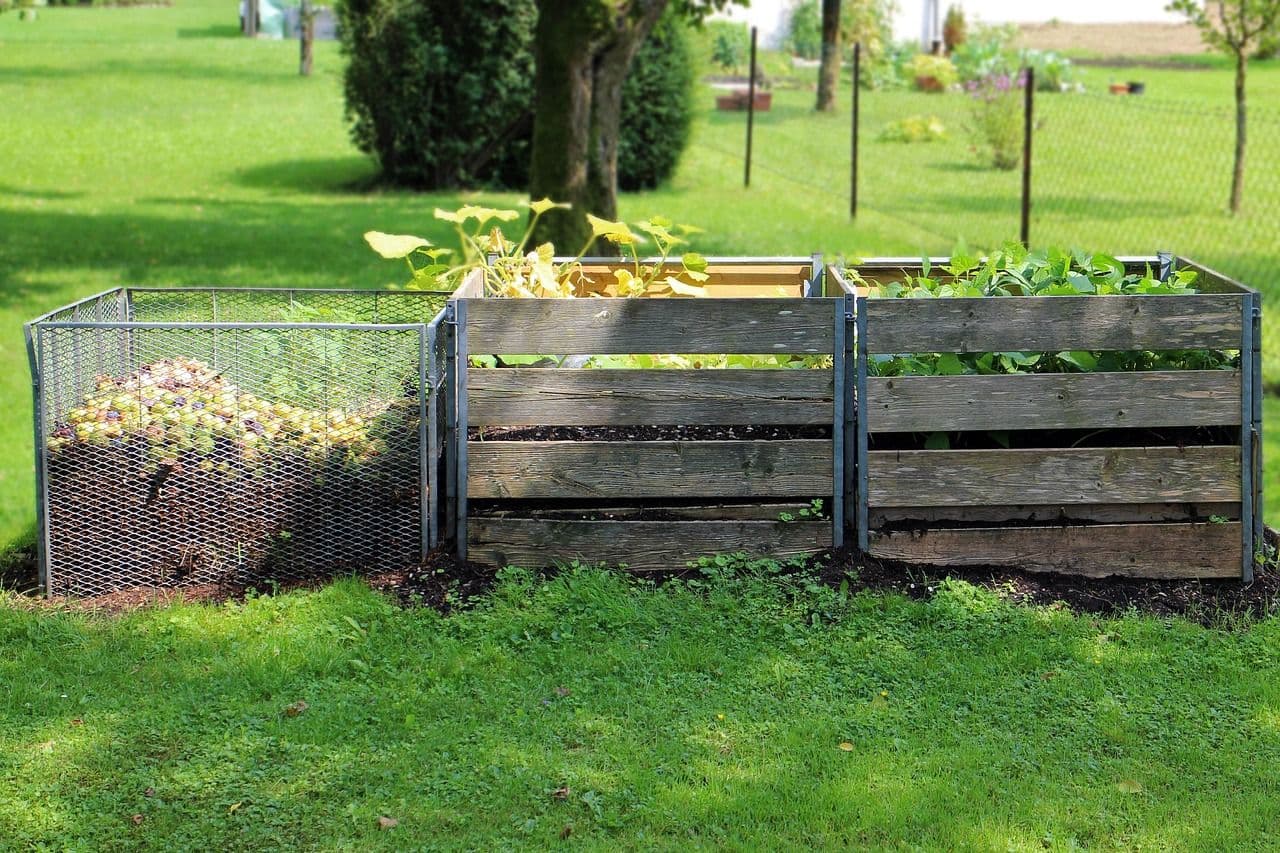
How much does a compost bin cost? Current prices for caddies, wire bins, worm bins, tumblers and electric recyclers, plus ways to save.
Most compost bins cost between about $35 and $150. A simple expandable bin or kitchen caddy starts around $25 to $40, a popular dual chamber compost tumbler usually runs $65 to $140, and premium two stage tumblers and electric food recyclers climb to roughly $300 to $500. So if you are asking how much does a compost bin cost for a typical backyard, plan on spending around $70 to $120 for a solid outdoor model.
Below you will find current price ranges by type, the features that push the price up, the costs that come after you buy and simple ways to compost for less.
How Much Does a Compost Bin Cost in 2026? Average Prices
The table below reflects what compost bins currently sell for on Amazon. Prices change with sales and seasons, so treat these as typical ranges.
| Type | Typical price | Best for |
|---|---|---|
| Kitchen compost caddy | About $25 to $50 | Collecting kitchen scraps indoors before they go outside |
| Expandable or wire mesh bin | About $35 to $120 | Large volumes of leaves and yard waste on a budget |
| Worm composter | About $90 to $140 | Apartments, patios and small spaces |
| Dual chamber tumbler | About $65 to $140 | Most backyards, faster batch composting |
| Single chamber tumbler | About $70 to $160 | Small households, simple batch composting |
| Premium and two stage tumblers | About $200 to $350 | Large households, heavy use, easier turning |
| Electric food recycler | About $170 to $500 | Indoor use with no yard or garden |
In short, entry level composting costs around $40, a good mid range tumbler sits around $100, and premium options run from about $300 to $500. Many shoppers pair an outdoor bin with a kitchen caddy, which adds $25 to $50 to the total but makes daily collection much easier.
Electric food recyclers are a different category. They dry and grind food waste on the countertop in hours rather than months, but they cost far more and the result is not the same as finished garden compost.
Within each category, price tracks build quality more than anything else. Thicker walls, metal frames, smoother turning mechanisms and better doors cost more, and they are usually the difference between a bin that lasts one season and one that lasts many.
What Affects the Price
Two compost bins can look similar yet differ by more than a hundred dollars. Here is what drives the cost.
Tumbler vs Stationary Bin
Stationary bins are the cheapest because they are simple boxes or open wire frames. You add material on top, turn it with a fork and harvest from the bottom. Compost tumblers cost more because they need a sturdy frame, a rotating drum, doors and sometimes a crank. In return, they make turning the pile easier and often produce compost faster.
Capacity
Bigger bins cost more. Many dual chamber tumblers hold around 37 to 55 gallons in total, while large expandable mesh bins hold well over 150 gallons for leaves and yard waste. Larger tumblers also need stronger frames, because a full drum of wet material is heavy.
As a rough guide, a household of one or two people with a small yard does fine with a tumbler in the 37 to 45 gallon range. Larger families, keen gardeners and homes with lots of trees usually need more volume, either a bigger tumbler or a large open bin for leaves alongside a smaller one for kitchen scraps. Buying too small is a common mistake, because a full bin with nowhere to put new scraps stalls the whole routine.
Aeration and Turning
Air keeps compost working and prevents smells. Cheaper bins rely on simple vent holes, while pricier tumblers add internal mixing bars, adjustable vents, hand cranks or gear driven drums that make turning easier. Two stage designs that let you add fresh scraps while another batch finishes also cost more.
Pest Resistance
Rodents and raccoons love a warm compost pile. Bins with solid sides, tight lids, locking doors and a raised drum keep pests out better than open frames. Thicker plastic, rust resistant metal and UV resistant materials also add to the price, but they help a bin last longer outdoors.
Hidden and Ongoing Costs
The bin itself is only part of the picture. Plan for these extras:
- Kitchen caddy. A countertop bin makes collecting kitchen scraps easy and keeps trips outside to a few per week.
- Replacement filters. Many caddies and electric food recyclers use carbon filters that need replacing to control odors.
- Tools. A garden fork or compost aerator tool helps turn stationary piles, and a compost thermometer is handy for checking progress.
- Brown materials. Leaves and cardboard are usually free, but some people buy straw or wood shavings when supplies run short.
- Electricity. Electric food recyclers draw power for each cycle.
- Pest protection. A hardware cloth base or a few pavers can help keep rodents out of stationary bins.
Most of these costs are small, but they add up over time, especially with electric models that need regular filter changes.
Is a Cheap Compost Bin Good Enough?
Often, yes. A basic stationary bin or an inexpensive dual chamber tumbler will turn kitchen scraps and yard waste into compost if you manage the mix of green and brown materials and keep the pile damp.
Where cheap bins fall short is durability and convenience. Thin plastic can crack in cold weather or fade in the sun, budget tumbler frames can wobble under a full load, and loose lids invite pests. If you compost a lot, live in a harsh climate or have problems with animals, spending a bit more pays off. Our guide on whether is a compost bin worth it can help you weigh the value.
How to Save Money on a Compost Bin
- Buy in the off season. Garden products are often cheaper in late summer and fall, after the spring rush.
- Watch Amazon deals. Popular tumblers and kitchen caddies regularly get coupons and limited time discounts.
- Check local programs. Some cities and counties offer discounted bins to residents, so it is worth checking your local waste or recycling department.
- Consider open box or refurbished. Returned bins with minor cosmetic marks can be a bargain.
- Look at bundles. Some tumblers come bundled with gloves or a kitchen caddy for little extra.
- Start simple. An open wire bin is enough to compost leaves and garden waste for very little money.
Frequently Asked Questions
Can I make a compost bin for free?
Yes. A simple pile in a corner of the yard, a ring of leftover wire fencing or a box made from old pallets all work for leaves and garden waste. These options cost little or nothing but offer less protection from pests and weather, so a closed bin or tumbler is still the better choice for kitchen scraps.
Is it cheaper to buy a compost bin online?
Often, yes. Online stores carry a much wider range of sizes and brands, and frequent deals make it easy to compare tumblers side by side. Local garden centers can still be worth a visit if you want to see the build quality first or avoid shipping a bulky box. Our guide on where to buy a compost bin compares the main options.
How long does a compost bin last?
A good quality outdoor bin can last many years. Thick plastic bins with UV resistance and tumblers with sturdy, rust resistant frames last longest, while thin plastic and cheap hardware wear out sooner. Keeping the bin out of harsh afternoon sun, tightening fasteners and not overloading a tumbler all help extend its life.
Is a compost tumbler worth the extra cost?
A tumbler is worth it if you want easier turning, better pest protection and a tidier look in a small yard. If you have plenty of space and lots of leaves, a cheaper stationary or wire bin holds more for less money. Many gardeners use both, a tumbler for kitchen scraps and an open bin for yard waste.
Final Thoughts
So, how much does a compost bin cost? Around $25 to $50 for a kitchen caddy, $35 to $160 for most outdoor bins and tumblers, and up to around $500 for premium tumblers and electric food recyclers. To choose one, compare our picks for the best compost bin, the best compost bin for beginners and the best compost bin for heavy duty use.


