
Is a Compost Bin Worth It? Honest Pros, Cons and Verdict (2026)
Disclosure: We may earn a commission when you buy through links on this page, at no extra cost to you. As an Amazon Associate I earn from qualifying purchases. Learn more

Is a compost bin worth it for your home? Prices by type, the real benefits and drawbacks, ownership costs and who should buy one.
Yes, a compost bin is worth it for most households with a yard or garden. A simple bin or tumbler costs less than a few bags of store bought compost, and it turns kitchen scraps and yard waste into free soil food while cutting the amount of trash you send to the curb. So is a compost bin worth it for you? That depends on how much organic waste you produce, how much outdoor space you have and whether you will use the finished compost.
If you live in an apartment with no garden, or your town already collects food scraps, an indoor caddy or curbside program may make more sense than a backyard bin. Below we cover prices, real benefits, drawbacks, ownership costs and the alternatives.


What You Get for the Money
Compost bins range from cheap open containers to electric countertop machines, and the price depends mostly on how much work the bin does for you.
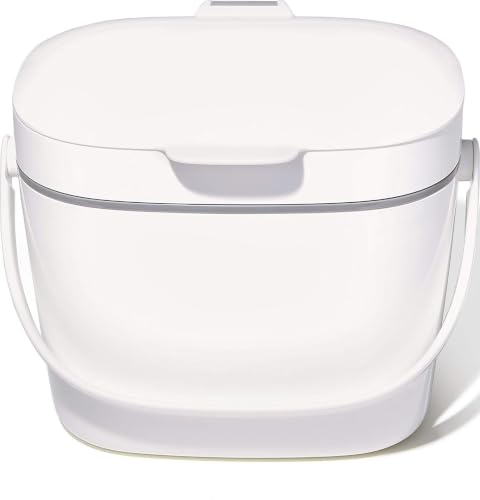
- Kitchen caddies (around $25 to $50): small countertop pails with filters that collect scraps until you carry them outside. They do not make compost on their own.
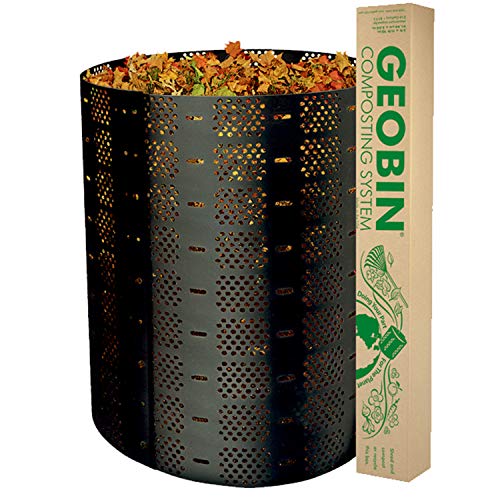
- Stationary bins (around $35 to $100): open bottom bins or expandable wire and plastic enclosures that sit on the ground. Cheap and roomy, but you turn the pile with a fork.
- Compost tumblers (around $60 to $130, larger two stage models around $330): sealed barrels on a frame that you rotate to mix the pile. Dual chamber designs let one batch finish while you fill the other.
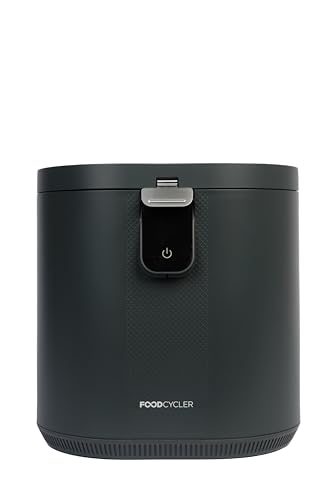
- Electric food recyclers (around $170 to $500): countertop machines that dry and grind food waste in hours. Strictly speaking they make a dry soil amendment rather than true compost, but they suit apartments.
For a deeper breakdown, read how much does a compost bin cost.
Benefits of Owning a Compost Bin
The biggest benefit is free, rich soil. Finished compost improves soil structure, holds moisture in sandy ground, loosens clay and feeds plants slowly. Gardeners who would otherwise buy bags of compost or soil conditioner each spring can save real money over a few seasons.
Composting also shrinks your trash. Food scraps and yard waste make up a large share of household garbage, and keeping them out of the bin means fewer bags, less smell in the kitchen trash and less waste going to landfill, where food breaks down into methane.
A bin keeps the process tidy. Instead of an open heap that attracts animals and looks messy, an enclosed bin or compost tumbler holds the pile neatly, keeps in heat and moisture and speeds up decomposition. Tumblers make turning easy, which is often the hardest part of composting by hand.
Finally, it is simple once you learn the balance of green and brown materials: kitchen scraps and grass clippings for nitrogen, dry leaves, cardboard and paper for carbon. That combination of free fertilizer and less trash is the main reason why buy a compost bin.
Drawbacks to Consider
Composting takes time and some attention. Depending on the method and the weather, a batch can take a couple of months to a year to finish. A pile that is too wet can smell, and one that is too dry barely breaks down.
Bins need space. Even a compact tumbler takes up a corner of the yard, and large stationary bins need more. Pests are another concern with open bins, since rodents and raccoons are drawn to food scraps unless you bury them in browns or use a sealed design.
Some bins disappoint. Small tumblers can be hard to turn when full, and cheap plastic may crack in sun or cold. Electric food recyclers use power, need filters and do not produce mature compost.
And if you do not garden, you may end up with more finished compost than you can use.
Who Should Buy One (and Who Should Skip It)
A compost bin is a smart buy if you:
- Grow vegetables, flowers or shrubs and buy compost or soil amendments each year.
- Cook at home often and throw out a lot of fruit and vegetable scraps.
- Have a yard with leaves, grass clippings and garden trimmings.
- Want to cut household trash and odors in the kitchen bin.
New composters should start small and simple, so see our list of the best compost bin for beginners. Big families and large gardens may need more capacity, covered in our picks for the best compost bin for heavy duty use.
You can skip buying if you have no garden and no way to use the compost, if your city offers curbside food scrap pickup, or if you produce very little food waste.
Cost of Ownership Over Time
Outdoor bins and tumblers cost almost nothing to run. You might buy a compost thermometer, an aerating tool or a pitchfork, and occasionally replace a door latch or a worn part. The main ongoing cost is your time.
Kitchen caddies need replacement charcoal filters and, if you use them, compostable liners. Electric food recyclers add electricity and replacement filters on the maker's schedule, which can add up over a year of daily use.
Against those costs, weigh what you save on bagged compost, mulch and possibly trash fees. For most gardeners, a basic outdoor bin pays for itself within a season or two.
Placement also affects cost and effort. A bin set on level ground in partial shade, close to the kitchen door and a water source, is much easier to keep using. Bins that sit far from the house tend to be ignored in winter, which slows the pile and wastes the money you spent.
Alternatives Worth Considering
An open compost heap costs nothing but looks messier and attracts more pests. Worm bins, or vermicomposting, work indoors or on a balcony and produce rich castings. Many towns offer curbside organics collection or community drop off sites. An electric food recycler suits apartments where an outdoor bin is impossible. Leaving grass clippings on the lawn also returns nutrients without any bin at all.
Our Verdict: Is a Compost Bin Worth It?
For households with a garden and a steady supply of kitchen and yard waste, a compost bin is easily worth the money. It produces free soil food, cuts trash and keeps the process clean and contained. Choose a stationary bin for the lowest cost, a tumbler for easier turning or an electric recycler for apartments. If you have no use for compost and curbside pickup is available, you can skip it.
Frequently Asked Questions
Does a compost bin smell?
A healthy compost bin should smell earthy, not rotten. Bad odors usually mean too many wet greens and not enough browns, or not enough air. Add dry leaves, shredded cardboard or straw, turn the pile and avoid meat, dairy and oily foods. Sealed tumblers also help contain odors.
What can I put in a compost bin?
Fruit and vegetable scraps, coffee grounds, paper filters, tea leaves, eggshells, grass clippings, dry leaves, shredded cardboard and plain paper all compost well. Keep meat, fish, dairy, oils, pet waste and diseased plants out of a backyard bin, since they smell, attract pests or carry pathogens. Aim for roughly equal volumes of greens and browns.
How long does a compost bin last?
A good plastic tumbler or bin often lasts many years, especially if it is made from UV resistant material and kept out of harsh afternoon sun. Metal frames can rust and need touch ups, while wooden bins eventually rot. Moving parts like doors and latches are usually the first things to wear.
What is the best compost bin to buy?
The best choice depends on your space and effort. Tumblers suit people who want faster, tidier composting, stationary bins suit large volumes on a budget and kitchen caddies suit collecting scraps indoors. Before deciding is a compost bin worth buying, see our guide on where to buy a compost bin to compare stores.
Final Thoughts
So, is a compost bin worth it? If you garden and throw out food scraps every week, yes: it turns waste into free fertilizer and keeps your trash lighter. Match the bin type to your space and how much effort you want to put in. When you are ready to choose, see our picks for the best compost bin.


