How Does a Compost Bin Work? Everything You Need to Know (2026)
Disclosure: We may earn a commission when you buy through links on this page, at no extra cost to you. As an Amazon Associate I earn from qualifying purchases. Learn more

How does a compost bin work? Greens, browns, air and water explained, plus bin types and what to do with finished compost.
So, how does a compost bin work? A compost bin holds a mix of green materials (kitchen scraps, grass clippings) and brown materials (dry leaves, cardboard) in a contained space where bacteria, fungi and other tiny organisms break them down. With the right balance of air, moisture and carbon to nitrogen, the pile heats up and turns into dark, crumbly compost in a few weeks to several months, depending on the bin type and how you manage it.
The bin itself does not make compost. It simply keeps the pile tidy, holds in heat and moisture, keeps pests out and makes turning and harvesting easier. This guide explains what a compost bin is, how the process works inside, what you can use the finished compost for and which type of bin fits your home.


What Is a Compost Bin?
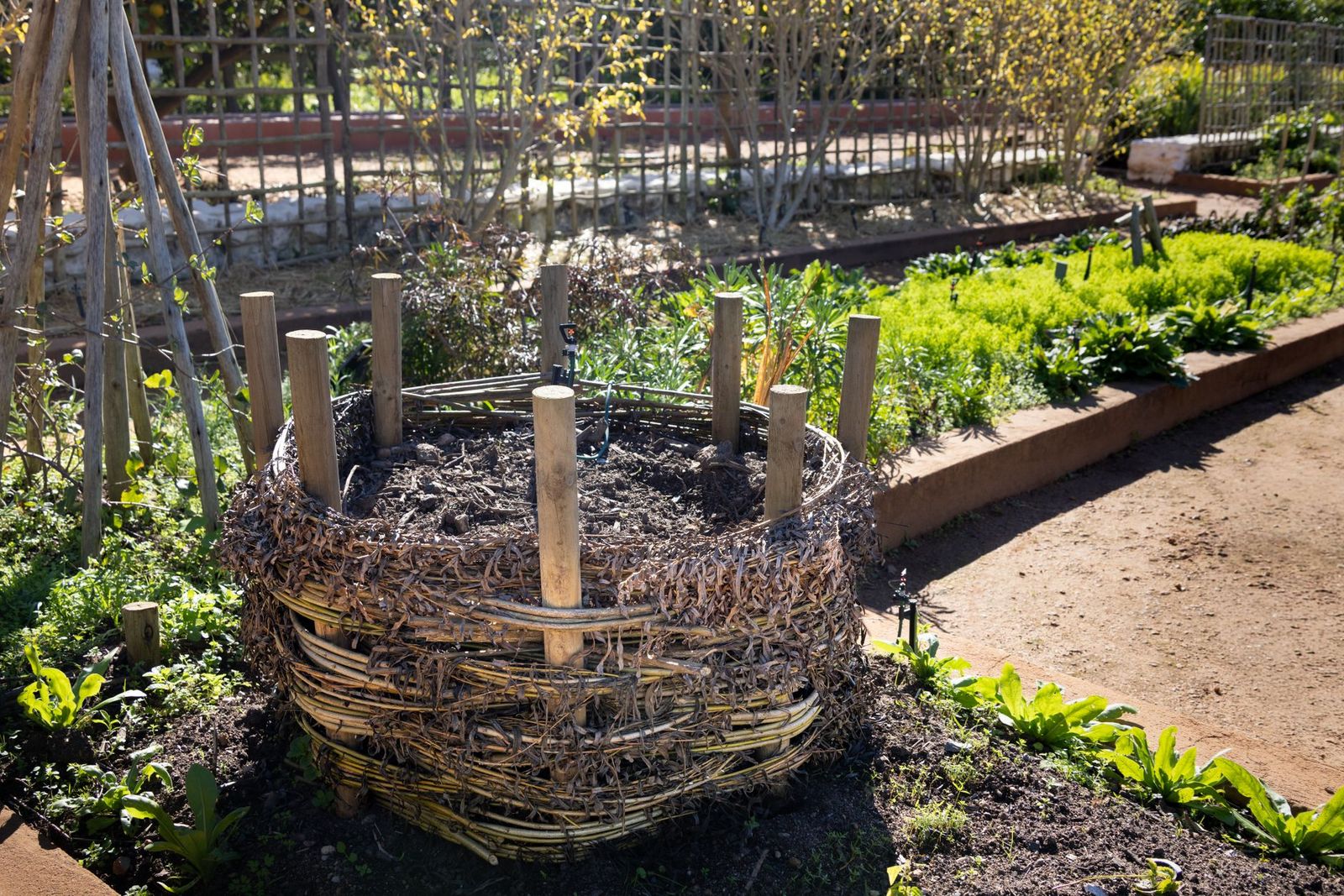
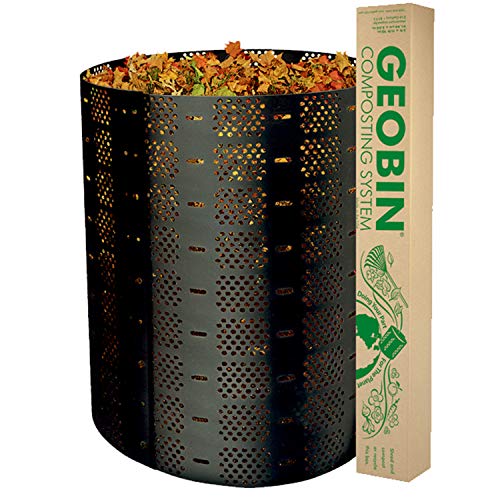
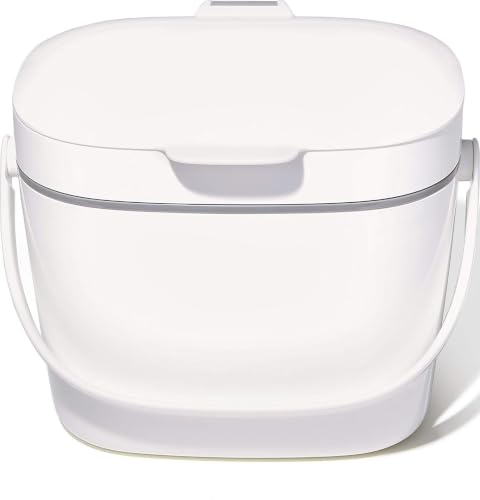
A compost bin is a container designed to hold organic waste while it decomposes into compost, a nutrient rich soil amendment. Bins come in many forms: simple open frame enclosures made of wire or plastic panels, closed plastic boxes with lids and bottom hatches, rotating tumblers on a stand, and small kitchen caddies that collect scraps before they go outside.
Most outdoor bins share a few features. They have vents or holes for airflow, a lid or cover to shed heavy rain and keep animals out, and an opening to remove finished compost. Many sit directly on the soil so earthworms and microbes can move in from below. Tumblers stand off the ground and rely on turning to mix and aerate the contents.
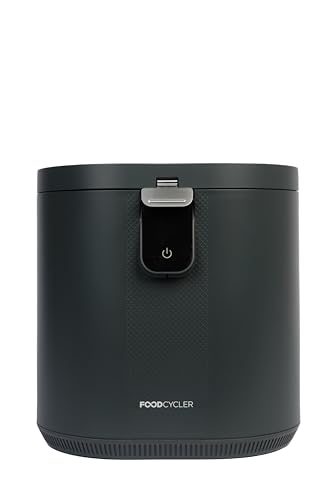
Indoors, countertop compost bins are just collection containers with charcoal filters to control odor. Electric food recyclers are a separate category: they dry and grind scraps into a soil amendment in hours, but that material is not true finished compost until it breaks down further in soil or an outdoor bin.
Whatever the style, the goal is the same: give decomposers the conditions they need, keep the process neat, and turn waste into something useful for your garden. A bin also makes it easier to stay consistent, which matters more than any single technique when it comes to making good compost.
How Does a Compost Bin Work?
Inside the bin, four ingredients work together: greens, browns, air and water. Get them in balance and the microbes do the rest.
Greens are nitrogen rich materials such as fruit and vegetable scraps, coffee grounds, fresh grass clippings and plant trimmings. They feed the microbes and help the pile heat up. Browns are carbon rich materials such as dry leaves, straw, shredded paper and cardboard. They provide energy, create air pockets and absorb excess moisture. A common starting point is about two to three parts browns to one part greens by volume.
Air matters because the fastest composting microbes need oxygen. Vents, turning the pile with a fork or spinning a tumbler keep oxygen flowing. Without air, a pile turns slimy and smells. Water keeps microbes active. The ideal moisture feels like a wrung out sponge: damp but not dripping.
When these conditions are right, bacteria multiply quickly and the center of the pile can heat up to well above 130°F. This hot phase breaks down material fast and helps kill many weed seeds and pathogens. As the easy to digest material is used up, the pile cools, and fungi, worms and other organisms finish the job, creating stable, earthy compost.
The bin's design supports each step. Walls and lids hold in heat and moisture, vents supply oxygen, and doors or hatches let you remove finished compost from the bottom while fresh scraps go in the top. Tumblers speed things up by making turning easy, often producing usable compost in a matter of weeks in warm weather. Dual chamber tumblers let one side finish while you fill the other.
Speed depends on how you manage the pile. Chopping scraps into smaller pieces, keeping the greens and browns balanced and turning every week or two can produce compost in one to three months. A passive pile that you simply add to and leave alone still works, but it may take six months to a year.
What Is a Compost Bin Used For?
If you are wondering what is a compost bin used for, the short answer is turning waste into free soil improvement. Finished compost adds organic matter, helps sandy soil hold water, loosens heavy clay and feeds soil life. Here is how different gardeners put it to work.
Leaf and Yard Cleanup
Fall leaves and grass clippings are perfect compost ingredients. A large bin turns piles of yard waste into compost instead of bags at the curb, and dry leaves stored beside the bin provide browns for the rest of the year.
Raised Beds
Raised beds lose volume as soil settles and organic matter breaks down. Topping them up with an inch or two of homemade compost each season keeps them fertile without buying bagged mixes.
Small Gardens
In small gardens, every square foot counts. A compact bin or tumbler fits in a corner and produces enough compost to feed containers, herb beds and borders.
Small Yards
Closed bins and tumblers keep composting neat in tight spaces near neighbors. They contain smells, look tidy and keep pests out, which makes composting practical even on a small suburban lot or townhouse patio.
Vegetable Gardens
Vegetables are heavy feeders. Mixing compost into beds before planting and using it as a side dressing during the season improves yields, helps soil hold moisture through hot spells and reduces the need for synthetic fertilizer.
Types of Compost Bins
Choosing the right bin depends on how much waste you produce, how much space you have and how much effort you want to put in.
Open bins and enclosures, such as expandable wire or plastic panel bins, are cheap and hold large volumes of yard waste. They are easy to turn with a fork but offer less protection from pests and weather.
Closed stationary bins have solid sides, a lid and a hatch at the bottom. They hold heat and moisture well, keep the pile tidy and are a good fit for most backyards.
Compost tumblers sit on a frame and rotate to mix the contents. They are the easiest to turn and often the fastest, though they hold less material and finished batches can be heavy to spin.
Worm bins use red wiggler worms to process kitchen scraps into rich castings. They work indoors or in a garage and suit apartments.
Kitchen caddies and electric food recyclers handle scraps indoors. Caddies are simple collection pails, while electric recyclers dry and grind food waste quickly.
For help choosing, our guide to the best compost bin for beginners focuses on simple, forgiving options. If you compost a lot of yard waste, see the best compost bin for heavy duty use.
Pros and Cons
Compost bins have clear benefits. They cut household trash, turn waste into free fertilizer and soil conditioner, improve garden soil structure and moisture retention, and keep composting tidy and pest resistant compared with an open heap. Most outdoor bins are inexpensive and last for years.
There are tradeoffs too. Composting takes some attention to balance greens and browns and keep moisture right. Poorly managed bins can smell or attract fruit flies. Tumblers and closed bins have limited capacity, and finished compost takes time. Some materials, such as meat, dairy and oily foods, should stay out of most home bins.
Most problems are easy to fix. A smelly, wet bin needs more browns and a good turn. A dry pile that is not breaking down needs water and some fresh greens. Fruit flies fade when you bury new scraps under a layer of leaves or finished compost.
Is a Compost Bin Right for You?
A compost bin is a great fit if you garden, have a lawn or trees that produce clippings and leaves, or simply want to send less food waste to the landfill. Even a small household produces enough scraps to fill a bin over a season.
If you have no outdoor space, a worm bin or an electric food recycler may suit you better. If you have lots of yard waste, a large open enclosure or a pair of bins works best. Our guide on is a compost bin worth it weighs costs and benefits in detail, and where to buy a compost bin compares retailers and prices.
Frequently Asked Questions
What is a compost bin used for?
A compost bin turns kitchen scraps and yard waste into compost, a dark, crumbly material that improves garden soil. It keeps the pile contained, holds heat and moisture, keeps pests out and makes turning and harvesting easier than an open heap.
Is a compost bin worth buying?
For most gardeners, yes. A bin costs little, reduces trash and produces free soil amendment that would otherwise cost money in bags. It also keeps composting neat in small yards. If you do not garden at all, you may get less value from it.
How long does a compost bin last?
Quality plastic and metal compost bins often last many years, and simple wire or panel enclosures last a long time with little care. Tumbler frames and moving parts may wear sooner. Keeping bins out of harsh afternoon sun and tightening hardware helps them last.
Final Thoughts
Understanding how does a compost bin work comes down to balance: mix greens and browns, add air and keep the pile damp, and microbes will turn waste into rich compost while the bin keeps everything tidy. Choose a style that fits your space and waste, then start with your next bag of leaves or bowl of scraps. For specific models, see our picks for the best compost bin.