
Where to Buy a Compost Bin: Expert Buying Guide and Checklist
Disclosure: We may earn a commission when you buy through links on this page, at no extra cost to you. As an Amazon Associate I earn from qualifying purchases. Learn more

Where to buy a compost bin: Amazon, big box stores or specialty shops, plus bin types, sizes, budgets and the mistakes to avoid.
The best places to buy a compost bin are Amazon, for the widest range of tumblers, stationary bins, worm farms and kitchen caddies with verified owner reviews and home delivery; home improvement and big box stores, for seeing a bin in person and taking it home the same day; and brand websites, garden specialty retailers or local city programs, for premium composters and occasionally subsidized bins. Knowing where to buy a compost bin matters less than choosing the right type and size, so this guide covers both.
Below you will find a store by store comparison, the main types of composters, the features that make composting easy, realistic budgets, a sizing table and the mistakes that send many first bins to the curb.


Where to Buy a Compost Bin: Amazon vs Big Box Stores vs Specialty Shops
Each kind of store suits a different shopper. Compare selection, verified reviews, prices, delivery, returns and warranty support before you decide.
Buying a Compost Bin on Amazon
Amazon carries the largest selection, from expandable wire bins and lidded stationary composters to dual chamber tumblers, worm towers and countertop caddies. Verified owner reviews and photos are especially useful for composters, because they reveal how well a bin resists pests, how easy it is to turn when full and how the plastic holds up after a few summers. Bulky bins arrive at your door, which saves wrestling a large box into the car. Check the return policy and whether assembly hardware is included.
Home Improvement and Big Box Stores
Home improvement chains and big box stores stock a handful of popular bins and tumblers each spring. You can see the size in person, check how sturdy the frame feels and buy soil amendments, gloves and a pitchfork in the same trip. Selection is narrower, and seasonal stock can sell out by early summer.
Brand Websites and Specialty Retailers
Brand websites and garden specialty shops sell premium composters, insulated hot composters and electric food recyclers, often with replacement parts and direct warranty support. Some cities and counties also sell discounted bins through recycling programs, so it is worth checking your local waste authority before buying.
When to Buy for the Best Deals
Spring brings the widest selection, but late summer and fall often bring the best prices as garden inventory clears. Fall is also a great time to start composting because of the steady supply of fallen leaves. Major retail sale events are another good moment to buy tumblers and food recyclers.
What Is a Compost Bin and Do You Need One?
A compost bin is a container that holds kitchen scraps and yard waste while microbes break them down into rich, dark compost. The bin keeps the pile tidy, holds in heat and moisture so materials decompose faster, and keeps out pets and pests.
You probably need one if you garden, generate regular kitchen scraps or want to cut the amount of waste you send to the landfill. Food scraps and yard waste make up a large share of household trash, and composting turns that waste into a free soil amendment for beds, lawns and containers. If you have no outdoor space, a worm bin or electric food recycler can still handle scraps indoors.
Main Types of Compost Bins
Stationary bins are lidded boxes or cylinders that sit on the ground. They hold a lot, cost little and suit gardeners with space who do not mind turning the pile with a fork.
Tumblers are drums on a stand that you rotate to mix the contents. They are tidy, pest resistant and fast, which suits suburban yards and people who dislike forking a pile.
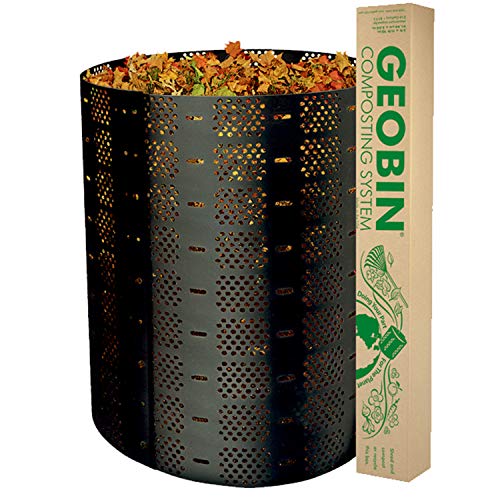
Expandable wire or mesh bins are simple open enclosures that hold large volumes of leaves and garden waste cheaply, ideal for big yards.
Worm bins use red wigglers to process kitchen scraps into worm castings. They work indoors or in a garage and suit apartments and small households.
Kitchen caddies are small countertop containers that collect scraps until you carry them outside.
Electric food recyclers dry and grind food waste into a soil amendment in hours, an option for people without a yard.
Key Features to Consider
Once you know where to shop, these features separate a bin that works from one that smells, attracts pests or never produces finished compost. They also answer what to look for in a compost bin when two models seem similar.
Tumbler vs Stationary Bin
Tumblers mix easily and keep pests out but hold less and can get heavy to turn when full. Stationary bins hold more and cost less but need occasional turning with a fork. Dual chamber tumblers let one side finish while you fill the other.
Capacity
Capacity ranges from about 1 gallon for kitchen caddies to more than 200 gallons for expandable bins. Larger piles heat up and decompose faster, but they need enough material to fill them. Match capacity to how much waste you produce.
Aeration and Turning
Microbes need oxygen. Look for vents, aeration holes or internal fins in tumblers. Good airflow speeds decomposition and prevents the sour smell of a pile that has gone anaerobic.
Pest Resistance
Secure lids, raised tumblers and closed bottoms keep out raccoons, rodents and dogs. If pests are common in your area, a tumbler or a bin with hardware cloth underneath is worth the extra cost.
Material and UV Resistance
Recycled plastic bins should be UV stabilized so they do not crack in the sun. Metal frames should be powder coated or galvanized. Wood bins look attractive but eventually rot.
Electric Food Recyclers
Countertop food recyclers dry and grind scraps in a few hours. They are fast and odor controlled but cost far more, use electricity and filters, and produce a dried material rather than true finished compost.
Ease of Harvesting
Look for a door near the bottom of stationary bins or a wide opening on tumblers, so you can remove finished compost without emptying the whole bin. This is one of the most overlooked features.
How Much Should You Spend?
Expect to pay around $40 for an entry level stationary bin, expandable bin or kitchen caddy, which is plenty for a first compost pile. Around $250 buys a large insulated or heavy duty tumbler or a premium worm system that composts faster and resists pests. Premium options around $600 are mostly electric food recyclers and large commercial style composters. Most households get excellent results in the $40 to $120 range. Our guide on how much does a compost bin cost breaks the numbers down further.
What Size Compost Bin Do You Need?
The answer to what size compost bin do i need depends on household size and yard waste. Use this table as a starting point.
| Home and yard | Suggested composter | Approximate capacity |
|---|---|---|
| Apartment, no yard | Worm bin or electric food recycler | Small, indoor |
| Small yard, 1 to 2 people | Single tumbler or small stationary bin | About 40 to 60 gallons |
| Family with a garden | Dual chamber tumbler or 65 to 80 gallon bin | About 40 to 80 gallons |
| Large yard with many leaves | Expandable wire bin or two stationary bins | 100 gallons and up |
Add a kitchen caddy in any setup so scraps can wait on the counter until you walk them outside.
Common Buying Mistakes to Avoid
The most common mistake is buying a bin that is too small for your yard waste, or a huge tumbler that becomes too heavy to turn when full. Others include ignoring pest resistance, placing the bin far from the kitchen so it never gets used, choosing plastic without UV protection, and forgetting about harvesting access. Finally, do not expect a bin alone to make compost: you still need a balance of green and brown materials, moisture and air.
Frequently Asked Questions
What size compost bin do I need?
Most small households do well with a 40 to 60 gallon tumbler or bin, while families with gardens and lawns benefit from 65 to 80 gallons or a dual chamber tumbler. Large yards with lots of leaves may need an expandable bin over 100 gallons.
What to look for in a compost bin?
Look for the right capacity, good aeration, a secure lid or raised design to keep pests out, UV resistant materials and an easy way to harvest finished compost. Tumblers suit tidy, fast composting, and stationary bins suit large volumes on a budget.
How long does a compost bin last?
So, how long does a compost bin last? Quality UV stabilized plastic bins and tumblers often last many years, metal framed tumblers can last longer with care, and wood bins eventually rot. Keeping a bin out of standing water and tightening hardware each season extends its life.
What is the best brand of compost bin?
Well reviewed names include Miracle-Gro and VIVOSUN for tumblers, Redmon and Geobin for stationary and expandable bins, and VermiHut for worm composting. The best brand depends on whether you want a tumbler, a large stationary bin or an indoor system.
How to choose a compost bin?
Start with your space and the amount of waste you produce, then pick a type: tumbler for speed and pest control, stationary bin for volume and price, worm bin or food recycler for indoor use. If you are new to composting, see our picks for the best compost bin for beginners.
Final Thoughts
When deciding where to buy a compost bin, Amazon offers the widest choice and real owner reviews, big box stores suit same day purchases and specialty retailers and city programs offer premium or discounted options. Choose a size and type that fits your waste and yard. See our picks for the best compost bin, the best compost bin for heavy duty use, and read is a compost bin worth it if you are still deciding.


