
3 Best Compost Bins for Beginners for 2026 (Compared and Ranked)
Disclosure: We may earn a commission when you buy through links on this page, at no extra cost to you. As an Amazon Associate I earn from qualifying purchases. Learn more

Easy starter picks for the best compost bin for beginners, from an indoor food recycler to a no assembly tumbler and a cheap leaf bin.
Starting to compost sounds simple until you face a wall of tumblers, wire bins, worm towers and electric machines, each promising rich soil in record time. For a first timer, the wrong choice leads to a smelly, soggy pile that gets abandoned by midsummer. The best compost bin for beginners is the one that fits your space, forgives a few mistakes and makes the routine easy enough to keep going week after week.
To build this list, we compared published specs, the depth of verified owner feedback on Amazon, advice from gardening experts and the value each bin delivers for its price. Our three picks cover three very different starting points: the Food Cycler Eco 5 for kitchens with no yard, the FCMP Outdoor HOTFROG Rolling Composter for an easy backyard tumbler, and the GEOBIN expandable bin for big piles of leaves on a tiny budget.






Our Top 3 Picks at a Glance
- Best Overall: Food Cycler Eco 5 Kitchen Food Recycler (around $500). It turns daily kitchen scraps into a dry plant food indoors with one button and no turning.
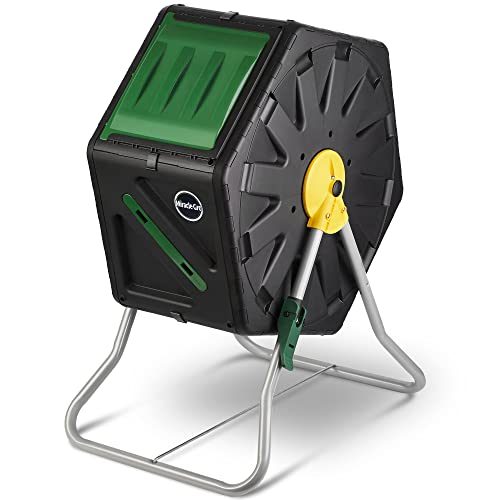
- Runner Up: FCMP Outdoor HOTFROG Rolling Single Chamber Tumbling Composter, 37 gallons (around $150). It arrives ready to use and rolls to the garden bed when the batch is done.
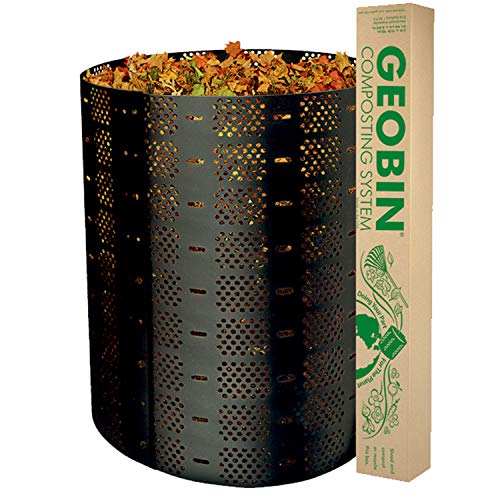
- Best Value: GEOBIN Expandable Compost Bin (around $40). A huge, ventilated open bin that swallows fall leaves and yard waste for very little money.
How We Chose the Best Compost Bin for Beginners
We started with how easily each bin turns scraps and yard waste into something useful without expert knowledge. Owner feedback came next, with more weight on products that are well reviewed by a large base of buyers over several seasons. We weighed price against capacity and features, judged build quality and weather resistance, and only kept current models that are in stock and sold new on amazon.com. If you want the full range beyond starter picks, our guide to the best compost bin covers every style.
Compost Bin for Beginners Reviews
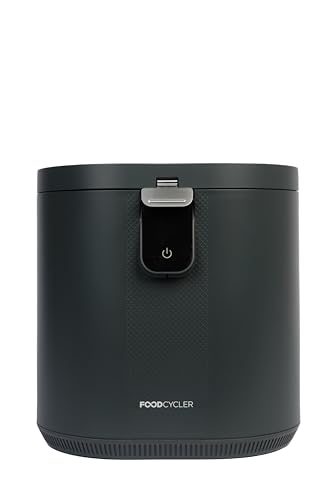
1. Food Cycler Eco 5 Kitchen Food Recycler: Best Overall
- Type: electric countertop food recycler (an indoor composting alternative)
- Bucket: removable 5 liter food waste bin, the largest in the Food Cycler line
- Result: reduces scraps by almost 90 percent in a matter of hours
- Grinding: patented Vortech system that handles pits, peels, bones and leftovers
- Odor control: refillable carbon filter
- Controls: one touch button
Why We Picked It
The biggest reason beginners quit composting is the learning curve. Balancing green and brown materials, keeping moisture right and turning the pile all take practice. The Eco 5 removes every one of those steps. You drop kitchen scraps into the removable bucket while you cook, set it in the machine and press one button. A few hours later, the waste is ground and dried into a light plant food you can mix into beds or pots.
It suits larger households that want electric composting, because the 5 liter bucket holds a full day or more of family food waste. It also accepts items an outdoor pile should never see, like meat bones and leftovers, which would attract animals in a backyard. The refillable carbon filter keeps the kitchen odor free, and the unit runs quietly enough to start after dinner and forget about it.
Keep in mind that the output is a dried soil amendment, not finished compost. It works well worked into soil, and many owners add it to an outdoor bin to give a new pile a head start.
Pros
- Big bucket capacity for family sized scrap loads
- Quiet, odor controlled operation indoors
- Handles bones, pits and leftovers a backyard pile cannot
Cons
- Expensive compared with any outdoor bin
- Takes up real counter space
Who Should Buy It
Choose the Eco 5 if you live in an apartment or condo, have a busy family kitchen or simply want zero learning curve. At around $500 it is the priciest pick here, but it is the easiest way to stop sending food scraps to the trash.

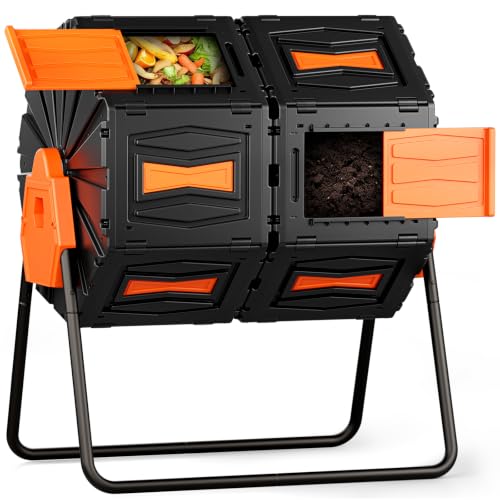
2. FCMP Outdoor HOTFROG Rolling Single Chamber Tumbling Composter: Runner Up
- Capacity: 37 gallons in a single tumbling chamber
- Design: rolling barrel you turn 5 to 6 times every 2 to 3 days
- Material: BPA free, UV inhibited recycled polyethylene
- Aeration: air holes plus deep internal fins that break up clumps
- Setup: no assembly needed, arrives ready to use
- Made in Canada
Why We Picked It
Many tumblers frustrate beginners before the first scrap goes in, thanks to long assembly with dozens of screws. This HOTFROG model skips all of that because it ships ready to use. The large opening and removable door make it easy to add kitchen scraps and grass clippings, and the deep fins molded into the body double as handholds when you roll it.
The rolling design is the real beginner win. Instead of forking a heavy pile, you close the door and roll the barrel a few turns every couple of days. FCMP says that in hot, sunny conditions with a good balance of ingredients, a batch can finish in as little as two weeks. When it is ready, you roll the whole composter to the garden bed instead of hauling buckets.
It is a batch composter, so you fill it, let it cook and then empty it before starting again. That works well for beginners wanting fast backyard compost who do not produce mountains of yard waste.
Pros
- No assembly, ready on day one
- Easy turning by rolling on the ground
- Rolls to the garden to unload
Cons
- Single chamber, so no continuous batches
- Moderate capacity for large yards
Who Should Buy It
This is a smart first tumbler for small and medium yards, new gardeners and anyone who dislikes assembly projects. It sells for around $150, which buys a simple, sturdy composter you can use the day it arrives.

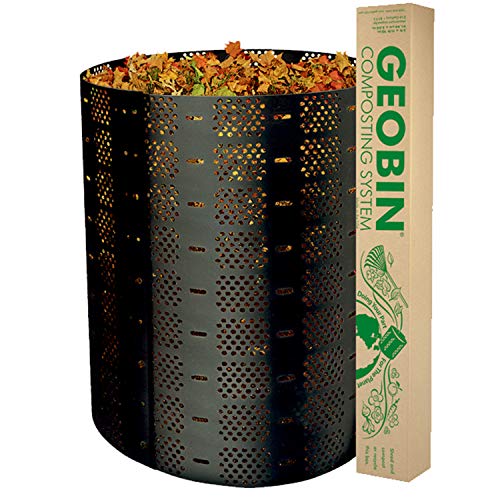
3. GEOBIN Expandable Compost Bin: Best Value
- Capacity: listed up to 246 gallons, expandable to 3.75 feet in diameter
- Material: ventilated plastic panel, made in the USA
- Assembly: closure keys, easy to set up, move and reassemble
- Airflow: open, ventilated design for excellent air circulation
Why We Picked It
Fall leaves are the biggest source of free compost material most homeowners have, and they need room. The GEOBIN gives you a huge round enclosure for very little money. You unroll the panel, lock it with the closure keys and start piling leaves, grass clippings and garden trimmings inside. Because the walls are ventilated, air reaches the pile from every side.
It handles leaves and bulk yard waste on a budget better than any tumbler at the same price. When you want to turn the pile, just unlock the bin, lift it off and set it up next to the heap, then fork the material back in. That simple move also makes harvesting finished compost from the bottom easy.
Pros
- Huge capacity for the price
- Great for leaves and garden waste
- Quick setup and easy to relocate
Cons
- Manual turning with a garden fork
- Open top looks less tidy than a closed bin
Who Should Buy It
Pick the GEOBIN if you have a large yard, lots of trees or a tight budget. At around $40 it is the cheapest way to start composting outdoors. Gardeners who expect very large volumes can also compare our best compost bin for dead leaves picks.
What First Time Buyers and Homeowners Should Know
Before comparing models, it helps to know what makes composting feel easy instead of like a chore. These three points matter more than any marketing claim.
Easy starting and simple controls
Electric recyclers work with one button, while tumblers and open bins have no controls at all. The real learning is the mix: roughly equal volumes of green materials like kitchen scraps and brown materials like dry leaves or cardboard.
Right sized power for a typical yard
Match capacity to your waste. A small household fills a 37 gallon tumbler steadily, while a yard full of trees needs an open bin. An electric unit only handles kitchen scraps, never yard waste.
Maintenance you can handle yourself
Upkeep is light. Tumblers need turning every few days, open bins need occasional forking, and electric models need a new carbon filter now and then. All of it is easy to do yourself.
How to Choose the Best Compost Bin for Beginners
Asking which compost bin is best for beginners really means asking how much space, waste and patience you have. These factors narrow the field quickly.
Tumbler vs Stationary Bin
A compost tumbler is a closed barrel you rotate, which mixes and aerates material with little effort and keeps critters out. Stationary bins sit on the ground, hold more and let worms and soil life move in from below. Tumblers usually finish faster, while stationary bins are cheaper and better for big volumes.
Capacity
For the best compost bin for backyards of average size, 40 to 80 gallons is plenty. Large lots with many trees need 150 gallons or more. Remember that compost shrinks a lot as it breaks down, so a bin rarely stays full for long.
Aeration and Turning
Oxygen keeps compost from turning slimy and sour. Look for air holes, internal fins or ventilated walls. Tumblers make turning easy, while open bins need a garden fork every week or two.
Pest Resistance
Closed tumblers and lidded bins keep raccoons, rodents and dogs out. Open bins are fine for leaves and yard waste, but keep food scraps buried in the center of the pile.
Material and UV Resistance
Outdoor bins sit in sun and rain for years. UV inhibited, BPA free plastic and galvanized steel frames hold up best. The best compost bin for heavy duty use usually adds thicker walls and sturdier stands.
Electric Food Recyclers
A food recycler grinds and dries kitchen scraps indoors in hours. It is not true compost but a dry soil amendment, and it suits renters and cold climates where outdoor piles stall for months.
FAQs About Compost Bins for Beginners
Is a compost bin good for beginners?
Yes. A compost bin keeps materials contained, holds heat and moisture and makes turning simpler than an open heap. Tumblers and electric recyclers are the most forgiving because they handle mixing for you. Start with a balance of kitchen scraps and dry leaves and you will have usable compost within a few months.
How long does a compost bin last?
A good plastic bin or tumbler made from UV inhibited material often lasts many years outdoors, especially with a steel frame. Electric recyclers last as long as their motor and parts, so follow the maker's care guide and replace carbon filters as needed. Shade and winter storage help any bin last longer.
Is a compost bin worth the money?
For most gardeners, yes. A bin cuts household trash, replaces store bought soil amendments and feeds garden beds for free. Even a budget bin pays off within a few seasons. Our guide on is a compost bin worth it walks through the savings in detail.
How much should I spend on a compost bin?
Expect around $40 to $80 for a basic open bin, around $100 to $150 for a quality tumbler and around $200 to $500 for an electric food recycler. Beginners with a yard rarely need more than a mid priced tumbler. If you want to compare stores before buying, see where to buy a compost bin.
How do I maintain a compost bin?
Turn or mix the contents every few days to every week, keep the pile about as damp as a wrung out sponge and add dry leaves when it smells sour. Empty finished compost regularly. For electric models, wipe the bucket after each cycle and swap the carbon filter when odors return.
Final Verdict
The best compost bin for beginners depends on your space. The Food Cycler Eco 5 is our top pick for kitchens and anyone who wants zero learning curve, the FCMP HOTFROG Rolling Composter is the easiest backyard tumbler, and the GEOBIN is the value pick for leaves and big yards. It is also a fine best compost bin for homeowners on a budget. Check today's price on Amazon and start turning scraps into soil this season.


