
3 Best Soil Testers for Small Gardens for 2026 (Compared and Ranked)
Disclosure: We may earn a commission when you buy through links on this page, at no extra cost to you. As an Amazon Associate I earn from qualifying purchases. Learn more

Compact kits and meters for pots and raised beds: our picks for the best soil tester for small gardens, from pH kits to digital moisture tools.
In a small garden every square foot has a job, so a bed of stunted peppers or a pot of yellowing herbs hurts more than it would on a big lot. Most of those problems start below the surface, with soil that is too wet, too acidic or short on nutrients. The best soil tester for small gardens is compact, cheap and quick to read, so you can check a raised bed or a row of containers in a few minutes. We compared specs, verified owner feedback on Amazon, expert growing advice and price against value to build this list.
Our picks are the Rapitest soil test kit for pH and nutrients, the Dr.meter moisture meter as the budget choice, and the Ecowitt WH0291 digital moisture tester for clearer readings.




Our Top 3 Picks at a Glance
- Best Overall: Rapitest Soil Test Kit for Gardens, Vegetables, Flowers and Lawns (around $16). Measures soil pH and garden nutrients with simple color tests.
- Best Value: Dr.meter Soil Moisture Meter for Plants (around $10). A tiny analog meter that settles the "water or wait" question in seconds.
- Best Premium Pick: ECOWITT WH0291 Soil Moisture Tester (around $37). A digital moisture meter with an LCD display for more precise watering.
How We Chose the Best Soil Tester for Small Gardens
Small spaces call for small tools, so we focused on testers that store in a drawer and work in pots and narrow beds. We then compared owner ratings and review volume, price against features, build quality and current availability on amazon.com. Bulky field instruments and lab style gear were left out because they are overkill for a patio or courtyard plot.
Soil Tester for Small Gardens Reviews
1. Rapitest Soil Test Kit for Gardens: Best Overall
- Soil test kit for gardens, vegetables, flowers and lawns
- Measures soil pH acidity and garden nutrients
- Color chart results, no electronics
- Designed and assembled in the USA
Why We Picked It
A small garden often means a few raised beds filled with bagged mix, or containers that get topped up every spring. Over time that soil drifts in pH and runs low on nutrients, and plants show it. The Rapitest kit tells you where the soil stands so you can correct it with a targeted feed instead of a general purpose bag that may not fix the real problem.
Each test uses a small soil sample, water and a reagent capsule, then you compare the color to the chart. It is ideal for beginners checking pH and nutrients, because there is nothing to calibrate and the steps are printed plainly. The kit is light and flat, so it fits easily on a shelf in a shed or apartment closet.
Pros
- Cheap pH and nutrient testing
- Beginner friendly color chart
- Small and easy to store
Cons
- Limited number of tests per kit
- Readings are approximate
Who Should Buy It
Buy this kit if you are refreshing raised beds, planting a container vegetable garden or trying to figure out why a small lawn patch struggles. It costs around $16.

2. Dr.meter Soil Moisture Meter for Plants: Best Value
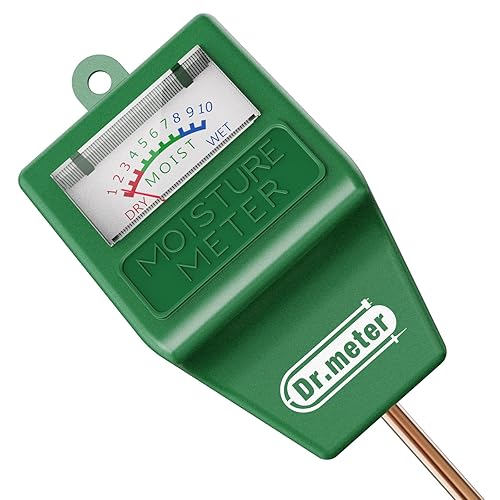
- Analog soil moisture meter
- Plant water gauge for indoor and outdoor plants
- No batteries needed
- Suited to pots and small beds
Why We Picked It
Containers and small beds dry out and waterlog faster than open ground, so watering mistakes show up quickly. A moisture meter is the simplest fix. Push the probe into the root zone, read the needle and you know whether the pot needs water. Seniors and beginners like it for avoiding over watering, which is one of the most common ways small gardens fail.
The Dr.meter is small, cheap and battery free, so it lives happily in a kitchen drawer or a garden tote. It has a very large base of owner reviews, and buyers rate it well for quick checks on houseplants, balcony pots and herb beds. It does not measure pH or nutrients, so it works best alongside a test kit.
Pros
- Very simple needle readout
- No batteries
- Low price
Cons
- Moisture only
- Struggles in very hard soil
Who Should Buy It
Pick the Dr.meter if your garden is mostly containers or one or two raised beds and you want to stop guessing at the watering can. It costs around $10.
3. ECOWITT WH0291 Soil Moisture Tester: Best Premium Pick
- Plant soil moisture sensor meter
- Digital LCD display
- Works as a standalone tester, no gateway needed
- For pots, beds and garden soil
Why We Picked It
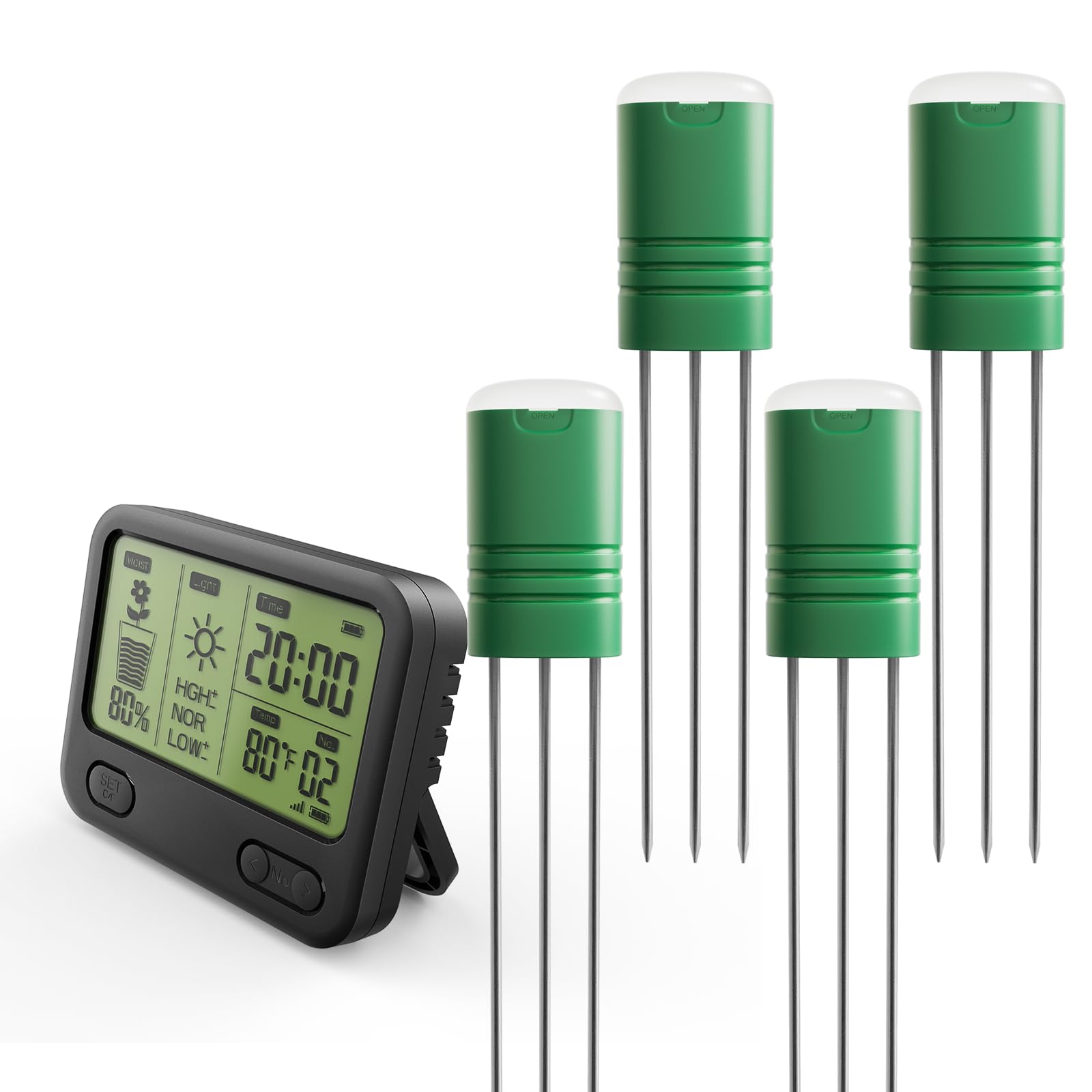
Analog needles are fine for a quick yes or no, but some gardeners want a number they can track. The WH0291 shows soil moisture on a digital LCD, so you can compare a bed today with the same bed next week and learn how fast your mix dries out. That kind of tracking helps in small gardens, where a sunny wall or a shallow container can change watering needs a lot.
Unlike Ecowitt's wireless WH51 sensor, this model reads directly on its own screen, so you do not need a gateway or app. It is a step up in precision and readability over cheap dial meters while staying compact. As with any moisture probe, it does not test pH or nutrients.
Pros
- Clear digital readout
- No app or hub required
- Easy to compare readings over time
Cons
- Moisture only
- Costs more than analog meters
Who Should Buy It
Choose the WH0291 if you grow vegetables or herbs in a few beds and want a more exact moisture number than a needle can give. It sells for around $37.

Choosing a Soil Tester for Small Gardens
Compact and lightweight design
Short probes and pocket meters suit pots and narrow beds better than long field probes. If most of your plants live in containers, a meter under ten inches long is easier to handle and less likely to tear roots.
Precision around plants
In tight plantings you want a slim probe that slides in next to a stem without damage. Test a few spots in each bed, since one corner can be wetter or more acidic than another.
Easy storage
Capsule kits pack flat and probe meters fit a drawer. Keep them dry and out of direct sun so the reagents and electronics last longer.
How to Choose the Best Soil Tester for Small Gardens
What It Measures (pH, Moisture, NPK, Light)
Decide what you need to know first. Moisture meters guide watering. A soil test kit checks pH and NPK before you plant or feed. Cheap 3 in 1 probes add light readings, which help with houseplants and shady patios, and together a kit plus a moisture meter cover nearly every question for well under $30. Our main best soil tester guide compares a wider range.
Digital vs Analog Probes
Analog meters are cheap and need no power, but they give a rough scale. Digital testers show exact numbers and sometimes several values at once. In a small garden where you water by hand, either works; digital is nicer if you like to track trends.
Accuracy and Calibration
Probe style pH readings from low cost meters are rough estimates. For pH decisions, trust a chemical kit or a calibrated pen. If you garden hard and test often, the sturdier picks in our best soil tester for heavy duty use list hold up better.
Lab Kits vs Meters
Kits take a few minutes per test and use up reagents, but they give nutrient data. Meters are instant and reusable. So which soil tester is best for small gardens? For most people, one inexpensive kit each spring and a moisture meter for daily checks.
Ease of Reading
Large dials and backlit screens are easier outdoors. Our how to use a soil tester guide explains how deep to sample and when to read for consistent results.
FAQs About Soil Testers for Small Gardens
Can a soil tester be used for small gardens?
Yes, and small gardens benefit the most. Containers and raised beds have limited soil, so pH swings and dry spells hit plants quickly. A pocket moisture meter and a simple test kit let you catch problems early and feed or water only what each bed needs.
How long does a soil tester last?
Analog meters usually last a few seasons when wiped clean and stored dry. Digital testers last longer if you remove dead batteries. Capsule kits last until the reagents are used, and they keep best in a cool, dry spot away from sunlight.
Is a soil tester worth the money?
For a small garden, yes. A basic tester costs about as much as a bag of potting mix and helps you avoid the two big mistakes: over watering and feeding with the wrong product. It also shows whether old container soil is worth keeping.
How much should I spend on a soil tester?
Around $10 to $20 buys a solid moisture meter or test kit. Digital multi function testers cost around $25 to $50. Smart wireless sensors start around $40. Most small gardens never need more than the first tier, and our best soil tester for backyards guide covers the next step up.
How do I maintain a soil tester?
Clean the probe after each reading, dry it and store it indoors. Never leave a meter in wet soil or submerge it. Replace batteries in digital units when the display dims, and buy fresh kits when reagents run out, as covered in our where to buy a soil tester guide.
Final Verdict
The Rapitest kit is the best soil tester for small gardens when you need pH and nutrient answers before planting. The Dr.meter is the bargain for daily watering checks, and the Ecowitt WH0291 suits gardeners who want a precise digital moisture number. Check today's price on Amazon and pick the one that fits your space.


