
Best Soil Testers for Seniors (2026): 3 Top Rated Picks Worth Buying
Disclosure: We may earn a commission when you buy through links on this page, at no extra cost to you. As an Amazon Associate I earn from qualifying purchases. Learn more

Easy to read kits, dial meters and smart sensors: our picks for the best soil tester for seniors who want clear answers without hassle.
Gardening keeps a lot of older adults active, but kneeling over a bed, squinting at tiny print and guessing why the tomatoes look tired gets old fast. The best soil tester for seniors gives a clear answer about pH, nutrients or moisture without heavy lifting, complicated menus or a trip to an extension office. To build this list, we compared specs, verified owner feedback on Amazon, expert gardening advice and price against value, with extra weight on large readouts and simple steps.
Our three picks are the Luster Leaf Rapitest kit for pH and nutrients, the XLUX Long Probe moisture meter for easy watering decisions, and the Ecowitt GW1206 kit for checking beds from a phone.






Our Top 3 Picks at a Glance
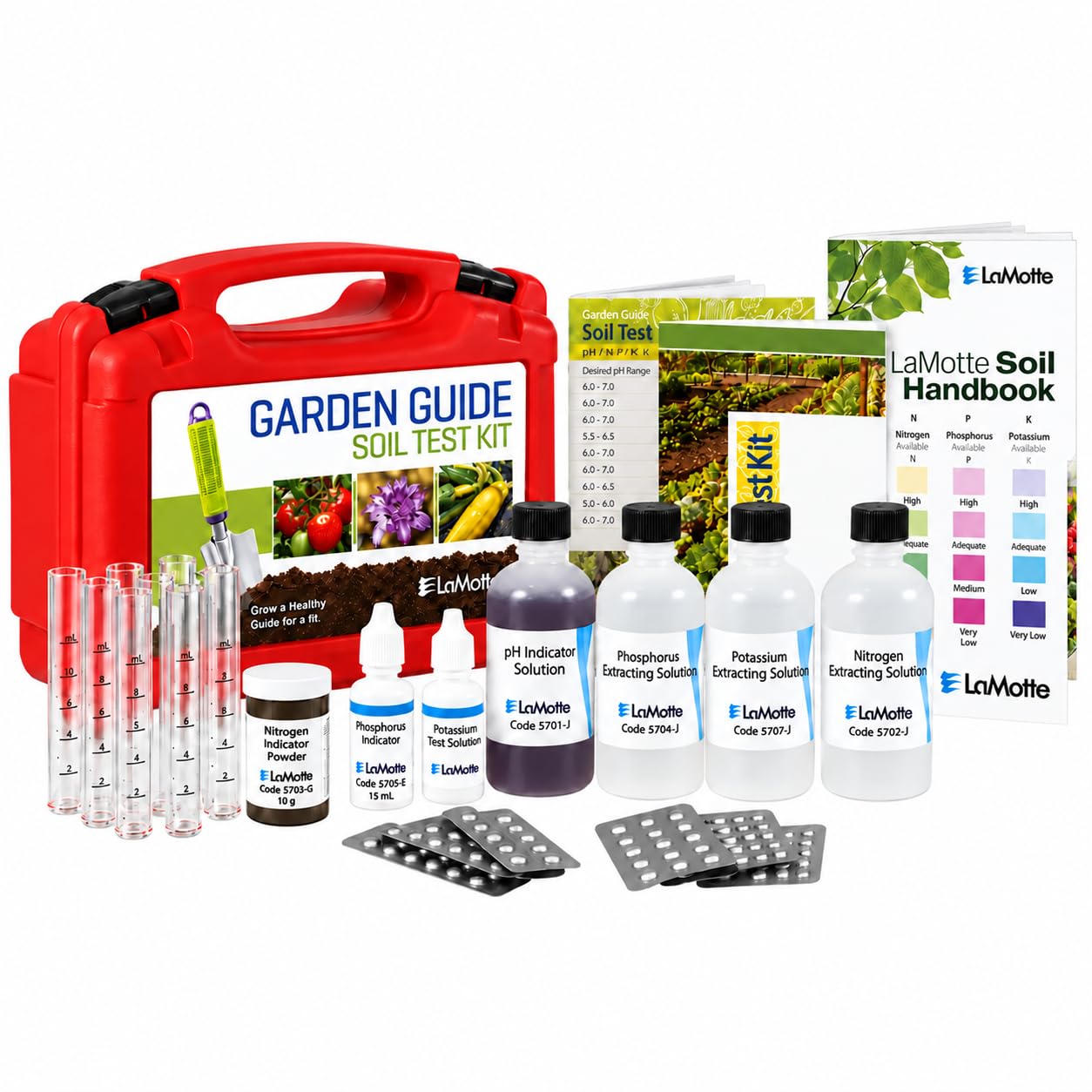
- Best Overall: Luster Leaf Rapitest Soil Test Kit (around $17). Simple color tests for pH and the main nutrients, with no batteries or setup.
- Best Value: XLUX Long Probe Plant Soil Moisture Meter (around $15). A battery free dial meter with a long probe that means less bending.
- Best Premium Pick: ECOWITT GW1206 Soil Moisture Tester Kit (around $56). A wireless sensor and Wi-Fi gateway that send moisture readings to your phone.
How We Chose the Best Soil Tester for Seniors
We started with how easy each tool is to read and handle, since that matters more than lab precision for most home gardeners. Then we weighed owner ratings and review volume, price against features, build quality and current availability on amazon.com. We skipped gadgets with tiny screens, fiddly calibration or thin owner feedback. So which soil tester is best for seniors? Usually the one with the fewest steps between you and a clear answer.
Soil Tester for Seniors Reviews
1. Luster Leaf Rapitest Soil Test Kit: Best Overall
- Chemical soil test kit from the Luster Leaf Rapitest line
- Tests soil pH plus nitrogen, phosphorus and potash
- Color comparator results, no batteries
- Low price per kit
Why We Picked It
A Rapitest kit answers the two questions most gardeners actually have: is my soil too acidic or alkaline, and is it short on nitrogen, phosphorus or potash? You scoop a small sample, mix it with water, add the powder from a capsule and compare the color to a chart. The steps can be done sitting at a patio table, which is a real plus for anyone who would rather not crouch in the garden for long.
For beginners checking pH and nutrients for the first time, this is the easiest way to stop guessing. A single test tells you whether lime, sulfur or a specific fertilizer will help, so you buy only what the bed needs. Luster Leaf has been one of the most familiar soil test brands for years, and owners like how plain the instructions are.
Pros
- Cheap pH and N, P, K testing
- Beginner friendly steps that can be done at a table
- No batteries or electronics to manage
Cons
- Limited number of tests per kit
- Color matching gives approximate readings
Who Should Buy It
Choose this kit if you want to know what your beds, lawn or containers need before buying amendments. It is a smart first purchase for any senior gardener and costs around $17.

2. XLUX Long Probe Plant Soil Moisture Meter: Best Value
- Soil moisture meter for indoor and outdoor use
- Battery free, no charging
- Long probe for deeper readings
- Analog dial readout
Why We Picked It
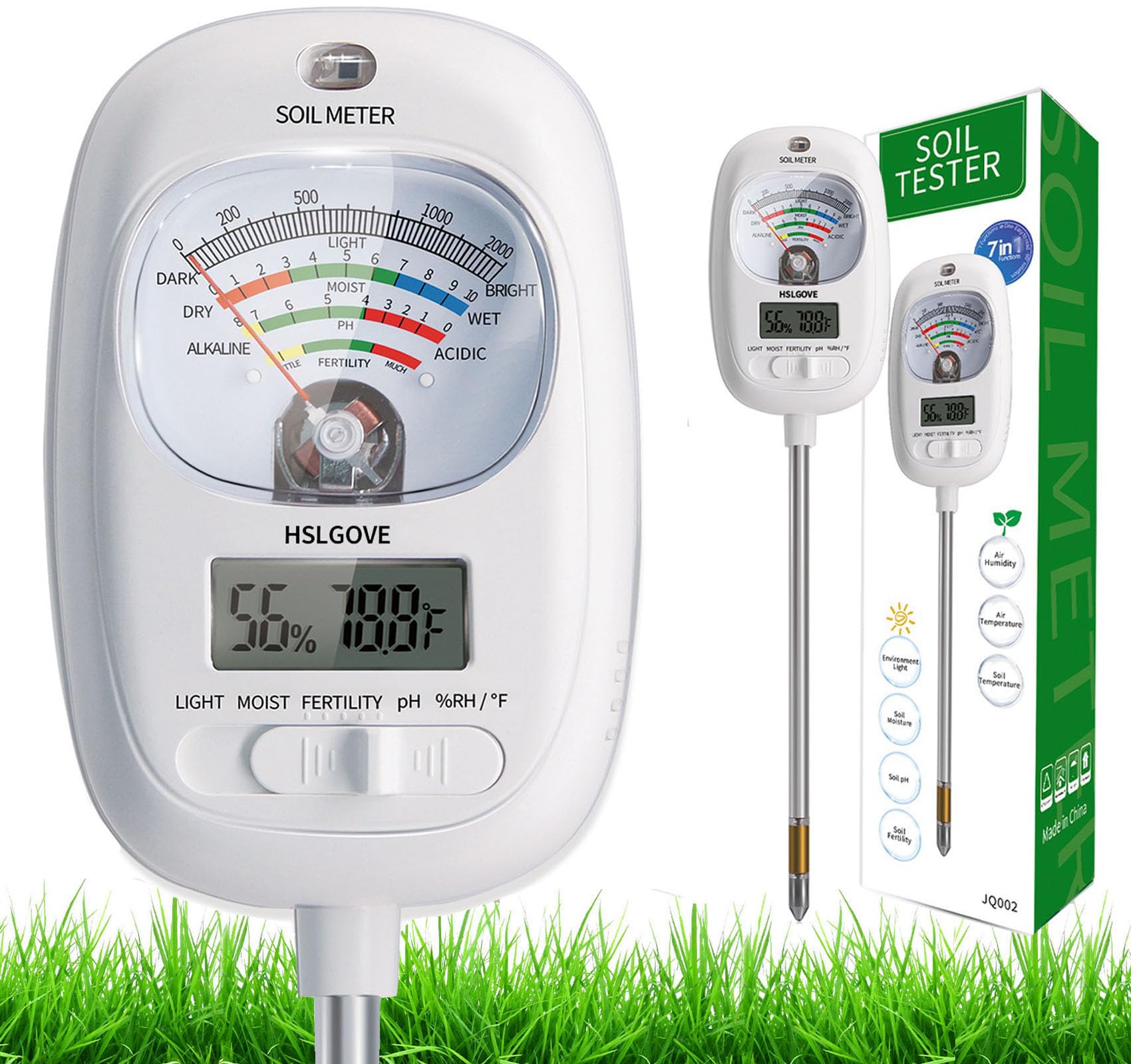
Over watering is the most common way seniors and beginners lose plants, and this meter fixes it with almost no effort. Push the probe into the soil near the roots, look at the dial and you know whether to water today or wait. The analog dial is easier to read at a glance than a tiny digital display, which helps anyone with tired eyes.
There is nothing to switch on, pair or charge. The long probe reaches below the dry surface where the roots sit, and it lets you test beds and big planters with less stooping than a short meter. XLUX meters have one of the largest bases of owner reviews in this category, and buyers rate them highly for simple, steady use. It only measures moisture, so pair it with a test kit if you need pH or nutrient data.
Pros
- Dead simple to read
- No batteries ever
- Very low price
Cons
- Moisture only
- Not meant for very hard or rocky soil
Who Should Buy It
Pick the XLUX if you water containers, raised beds or houseplants and want a quick yes or no on watering. At around $15, it is an easy gift for a gardening parent or grandparent.

3. ECOWITT GW1206 Soil Moisture Tester Kit: Best Premium Pick
- Includes the GW1200 IoT Wi-Fi gateway
- Includes the WH51 wireless soil moisture sensor
- 915 MHz wireless link between sensor and gateway
- Moisture readings viewed in the Ecowitt app
Why We Picked It
For seniors who like smart home gadgets, this kit removes the walk to the garden just to check whether it is dry. You push the WH51 sensor into a bed, plug the gateway in indoors and read soil moisture from your phone. That makes it handy for smart monitoring of raised beds when bad weather, a sore back or a busy week keeps you inside.
The kit includes the gateway, so it works out of the box, unlike the bare WH51 sensor that needs a separate hub. You can add more sensors later for different beds. It measures moisture only and needs a phone and home Wi-Fi, so it suits tech comfortable buyers rather than everyone.
Pros
- Remote moisture checks without walking outside
- Gateway included in the kit
- Room to add more sensors
Cons
- Needs a smartphone and Wi-Fi
- Moisture only
Who Should Buy It
Choose the GW1206 if you already use apps and want to watch a few beds or large pots from the house. It sells for around $56.

What Makes a Soil Tester Easier for Seniors to Use
Low weight and easy handling
Every tester here weighs very little, but grip still matters. A meter with a thick handle and a single probe is easier to push in than a thin dual probe gadget. Chemical kits can be used at a table, so you only need to collect a small sample.
Simple controls and easy starting
Analog dials and color charts have no buttons or menus. If you prefer digital, pick a large backlit screen and a single on button rather than tiny mode switches.
Minimal bending, lifting and maintenance
Long probes and wireless sensors cut down on kneeling. A sensor left in the bed means fewer trips outside, while a battery free meter never needs fresh cells.
How to Choose the Best Soil Tester for Seniors
What It Measures (pH, Moisture, NPK, Light)
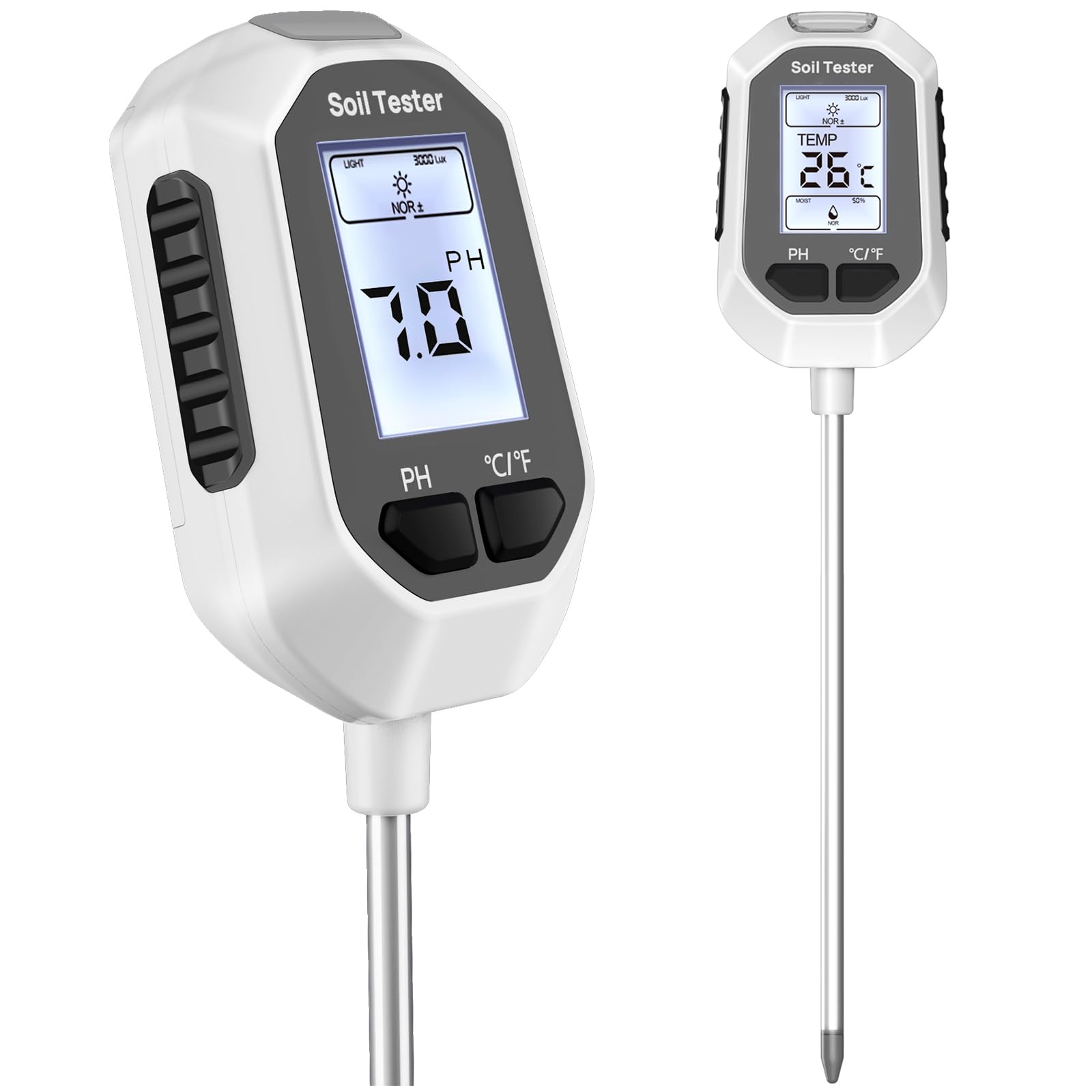
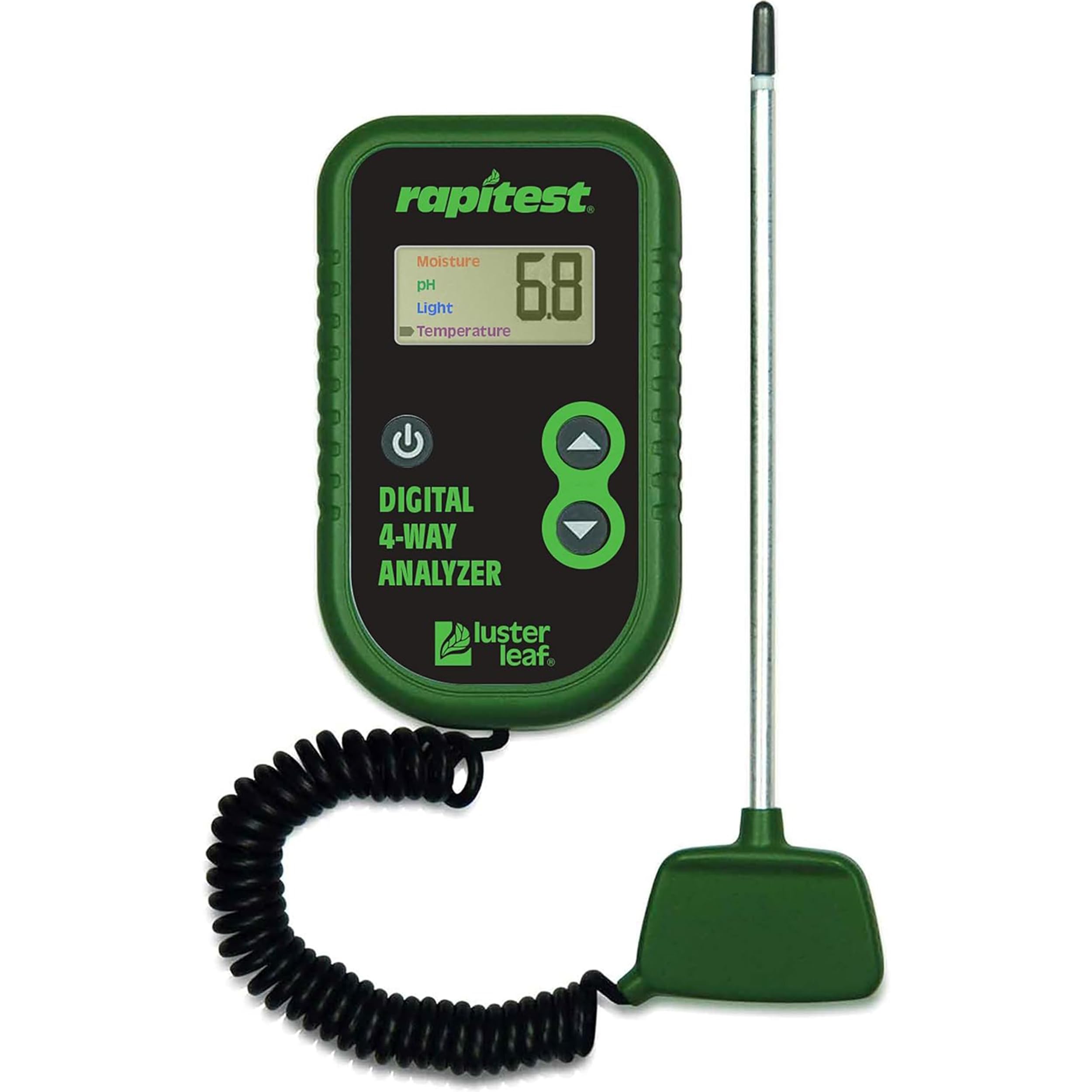
Before asking what is the best soil tester for seniors, start with the question you want answered. Moisture meters tell you when to water. Soil pH and NPK tests tell you what to add before planting. Some cheap 3 in 1 and 4 in 1 probes also show light, which is useful for houseplants but less important outdoors. If you are unsure, a simple soil test kit plus a moisture meter covers almost everything a home gardener needs, and the full best soil tester guide compares more options.
Digital vs Analog Probes
Analog probes are cheap, need no batteries and show a big dial. Digital testers can read more precisely and sometimes show several values at once, but small screens can be hard to read in bright sun. For most seniors, a clear analog face is the easier choice.
Accuracy and Calibration
Low cost probes give a rough guide, not a lab result. That is fine for deciding when to water. For pH decisions, a chemical kit or a calibrated digital pen is more reliable. Gardeners who work large plots or test often may want the sturdier tools in our best soil tester for heavy duty use roundup.
Lab Kits vs Meters
Capsule kits use chemistry and a color chart, so each test takes a few minutes but gives nutrient data a probe cannot. Meters give instant readings with no consumables. Many gardeners keep one of each. Our how to use a soil tester guide walks through sampling depth and timing.
Ease of Reading
Look for large numbers, color coded zones and good contrast. If eyesight is a concern, a phone app with adjustable text, like the Ecowitt kit, can be easier than any small dial.
FAQs About Soil Testers for Seniors
Is a soil tester good for seniors?
Yes. A soil tester takes the guesswork out of watering and feeding, so older gardeners spend less effort on fixes that do not work. Analog meters need no batteries, chemical kits can be used sitting down, and wireless sensors cut trips outside. Pick the type that matches your eyesight and comfort with technology.
How long does a soil tester last?
A probe meter can last several seasons if you wipe it clean and never leave it in wet soil. Chemical kits last until the capsules run out, then you buy a refill or a new kit. Wireless sensors run on batteries that need replacing now and then, and the electronics last for years with care.
Is a soil tester worth the money?
For most gardeners, yes. A basic tester costs less than one bag of the wrong fertilizer and helps you avoid over watering, which kills many plants. A soil test kit also tells you whether to add lime or sulfur instead of guessing year after year.
How much should I spend on a soil tester?
A simple moisture meter or capsule kit costs around $10 to $20 and covers most home gardens. Digital multi function testers run around $25 to $50. Smart wireless kits and professional pH meters start around $50 and climb from there. Our best soil tester for backyards list covers the middle of that range.
How do I maintain a soil tester?
Wipe the probe clean and dry after each use, and store it indoors. Do not leave analog probes in the soil or dip them in water. Keep chemical kits cool and dry, and replace batteries in digital and wireless units when readings start to drift. Local garden centers and online stores both carry refills, as our where to buy a soil tester guide explains.
Final Verdict
The Luster Leaf Rapitest kit is the best soil tester for seniors who want pH and nutrient answers with no electronics. The XLUX meter is the value pick for simple watering checks, and the Ecowitt GW1206 suits tech friendly gardeners who want readings on their phone. Check today's price on Amazon before you buy.


