
How to Clean a Greenhouse Kit: Simple Steps, Tips and Mistakes to Avoid
Disclosure: We may earn a commission when you buy through links on this page, at no extra cost to you. As an Amazon Associate I earn from qualifying purchases. Learn more
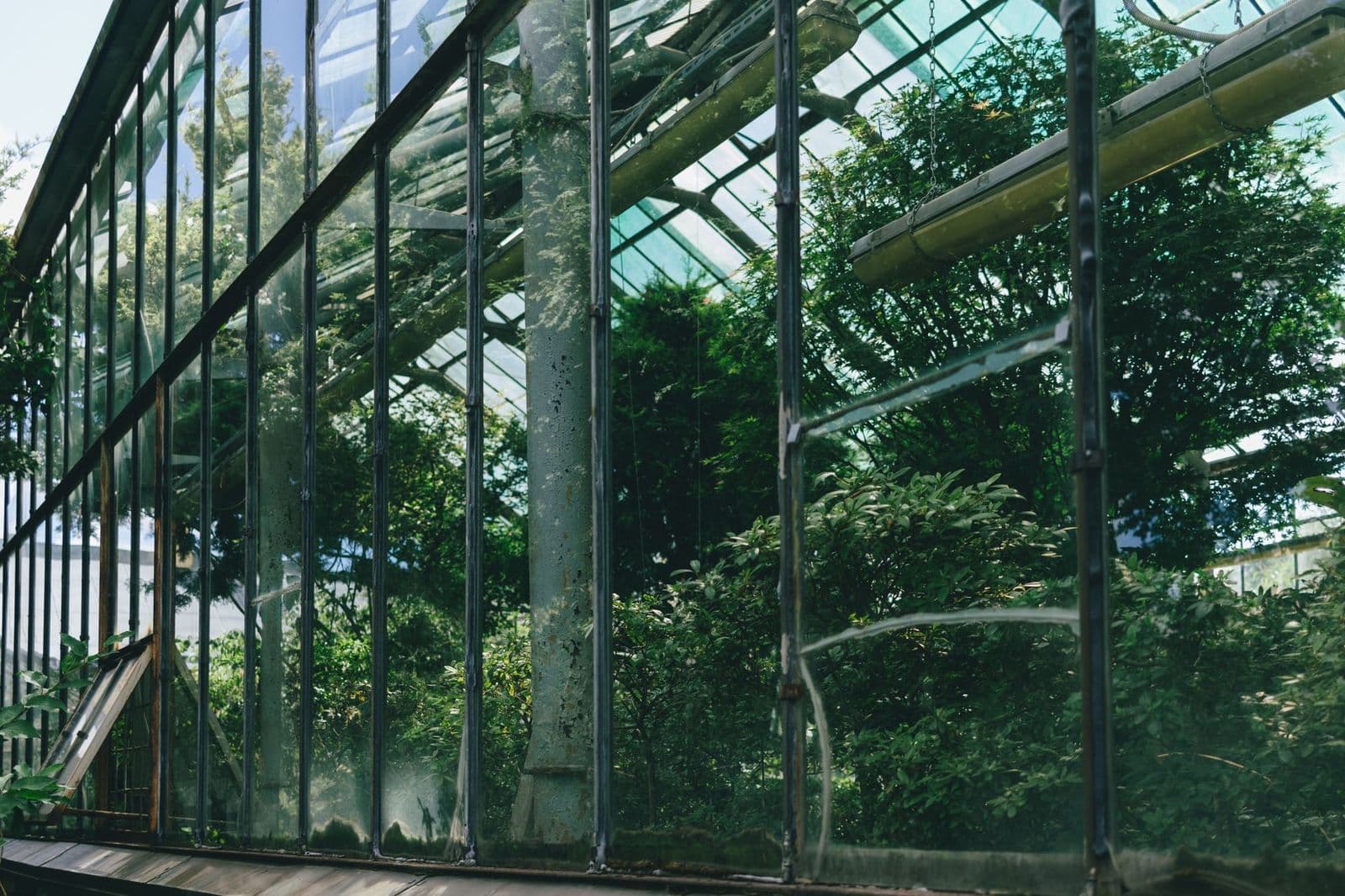
How to clean a greenhouse kit safely: soft tools, mild soap, gentle rinsing, drying time and a yearly maintenance routine for panels and frames.
Here is how to clean a greenhouse kit in short: empty it, brush off loose dirt and cobwebs, wash the panels inside and out with lukewarm water and a mild soap using a soft sponge, scrub the frame and benches, rinse everything with a gentle hose spray, then let it dry with the doors and vents open before you move plants back in. A full clean once or twice a year, plus quick rinses in between, keeps light levels high and pests out.
Dirty panels block sunlight that seedlings need, and grime in corners gives fungus gnats, aphids and mold a place to overwinter. The routine below works for polycarbonate panels, glass and the plastic covers used on many small kits.
Before You Start: Safety and Prep
Pick a mild, overcast day. Strong sun dries soapy water on the panels too fast and leaves streaks, while wind makes a ladder risky around a lightweight frame. Move plants, trays and pots outside or into a shaded spot, and cover anything that stays inside.
Gather a soft sponge or microfiber cloth, a soft bristle brush on an extension pole, a bucket, mild dish soap, a garden hose with a gentle spray nozzle and gloves. Wear safety glasses if you will be washing the roof from below. If your kit is a walk in greenhouse, check that the frame is anchored and the door latches open so it cannot swing shut on you while you work.
How to Clean a Greenhouse Kit Step by Step
Work from the top down and from the inside out, so dirty water never runs over a section you already finished.
Step 1: Pick the Right Cleaning Tools
Soft is the rule. Polycarbonate panels and plastic covers scratch easily, and many have a UV protective layer on the outside that harsh scrubbing wears away. Skip scouring pads, wire brushes, razor scrapers and solvent cleaners. A sponge, a microfiber cloth and a soft brush handle almost everything.
Step 2: Check the Condition Before You Start
Walk around the structure and look for cracked panels, loose glazing clips, torn plastic, rust spots and gaps along the base. Fix or note these first. Pressing on a cracked panel with a wet sponge can finish the break, and you will want to replace damaged clips while the greenhouse is empty anyway.
Step 3: Work Safely and Gently
Use a stable step stool or ladder that stands on firm ground, never leaning on the frame itself. Most kit frames are not built to carry body weight. Reach the roof with an extension pole instead of climbing, and use light pressure so you do not flex the panels out of their channels.
Step 4: Work in Manageable Sections
Clean one wall or one roof section at a time. Brush off dust and cobwebs, wash with soapy water, then move on. Pay attention to the overlaps between panels and the bottom edges of the frame, where algae and green film collect first. A plastic plant label works well for pushing dirt out of narrow channels.
Step 5: Rinse Off the Soap
Rinse each section with a gentle hose spray as soon as you finish it. Avoid a pressure washer on polycarbonate or plastic covers, because the jet can push water into the twin wall channels, lift tape and damage the outer coating. Glass panes tolerate more, but low pressure is still the safer choice.
Step 6: Let It Dry Before Restocking
Leave the doors and vents open for a few hours so the interior dries completely. Good ventilation now prevents trapped moisture, which is exactly what mold and mildew need. Wipe benches and shelves dry, then bring plants back in once the floor is no longer damp.
How to Maintain a Greenhouse Kit Through the Year
Knowing how to maintain a greenhouse kit between deep cleans saves effort later. A few small habits keep the structure sound and the light levels high for season extension in spring and fall.
Rinse Panels After Pollen and Storms
Spring pollen, autumn leaves and storm grit dull the roof faster than anything else. A quick rinse with plain water after heavy pollen or a windy storm takes minutes and keeps buildup from baking onto the panels in summer heat.
Remove Rust and Corrosion From the Frame
Steel frames can rust where the coating chips. Brush loose rust away gently, wipe the spot clean and touch it up with a rust inhibiting paint suitable for metal outdoors. Aluminum frames do not rust, but they benefit from a wipe down to remove white oxidation and grime.
Check Seals, Clips and Panel Edges
Run a hand along door seals, rubber gaskets and glazing clips twice a year. Replace brittle seals and missing clips before winter wind loosens a panel. Sealed edges on twin wall polycarbonate keep dirt and algae out of the channels, where it is nearly impossible to clean.
Lubricate Doors, Vents and Hinges
Sliding doors, roof vents and automatic vent openers stick when dirt builds up in the tracks. Clean the tracks, then apply a little silicone spray or light oil to hinges and rollers. On wooden kits, treat the frame with a wood preservative recommended by the maker.
Store Removable Parts Indoors
Shade cloth, removable shelving, thermometers and plastic covers from small mini kits last longer when they spend the off season in a shed or garage. Clean and dry them before storing so mildew does not start in the folds.
When to Replace Parts
Replace panels that are cracked, deeply scratched or yellowed enough to cut light noticeably. Swap plastic covers that have split or turned brittle, and replace frame parts that are bent or badly corroded. A greenhouse that lets in less light grows weaker plants, no matter how clean it is.
Pro Tips for Better Results
- Do the deep clean in late fall after the last harvest, or in late winter before you start seeds. The greenhouse is emptiest then.
- Disinfect benches, pots and trays separately with a horticultural disinfectant, following the label and rinsing well.
- Sweep or rake the floor and remove fallen leaves, old potting mix and plant debris, since pests hide there.
- Clear the gutters and the ground around the base so rainwater drains away from the frame.
- Keep a soft brush and a spray bottle of soapy water inside for quick spot cleaning during the season.
Common Mistakes to Avoid
- Using abrasive pads or solvent cleaners on polycarbonate, which scratch or cloud the surface.
- Blasting panels with a pressure washer and forcing water into the channels.
- Cleaning in full sun, which leaves streaks and soap film.
- Leaning a ladder against the frame or climbing on it.
- Restocking plants before the structure dries, which invites mold.
- Ignoring the floor and benches while cleaning only the panels.
Frequently Asked Questions
How often should I clean a greenhouse kit?
Give it a full clean once or twice a year, ideally in late fall and again in late winter before seed starting. In between, rinse the roof after heavy pollen or storms and wipe up spills or algae spots as you see them. Greenhouses near trees or dusty roads may need a light wash every month or two during the growing season.
Can I use bleach to clean greenhouse panels?
Mild soap and water is the safer choice for the panels themselves, especially polycarbonate and plastic covers. Strong chemicals can damage coatings and seals. If you want to disinfect, treat benches, pots and the floor with a horticultural disinfectant, follow the label directions and rinse thoroughly before plants go back in.
Final Thoughts
Once you know how to clean a greenhouse kit, the job is simple: soft tools, mild soap, gentle rinsing and plenty of drying time. Done a couple of times a year, it keeps light, ventilation and plant health where they should be. If you are budgeting for a new structure, see how much does a greenhouse kit cost and where to buy a greenhouse kit, then browse our picks for the best greenhouse kit, the best greenhouse kit for large yards and the best greenhouse kit for seniors.


