
How Much Does a Greenhouse Kit Cost in 2026? Real Price Ranges Explained
Disclosure: We may earn a commission when you buy through links on this page, at no extra cost to you. As an Amazon Associate I earn from qualifying purchases. Learn more

How much does a greenhouse kit cost? Real price tiers from $40 PE covers to $5,000 cedar kits, plus hidden costs and ways to save.
Most greenhouse kits cost between about $40 and $5,000. Small PE cover walk in units start around $40 to $100, sturdy aluminum and polycarbonate kits for a typical backyard run about $230 to $900, and premium cedar greenhouses with built in fans and shelving cost $1,800 or more. If you are asking how much does a greenhouse kit cost, the honest answer is that size, frame material and panel type set the price far more than the brand name does.
Below we break down real price ranges from kits currently sold on Amazon, explain what pushes the cost up, list the extra expenses many buyers forget and share practical ways to save.


How Much Does a Greenhouse Kit Cost? Average Prices in 2026
Greenhouse kits fall into three broad tiers. The table shows typical prices and what you can expect at each level.
| Tier | Typical price | What you get |
|---|---|---|
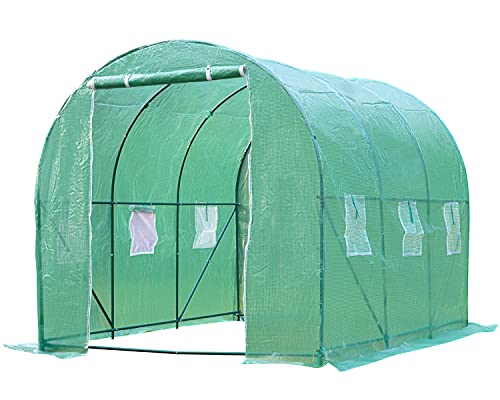
| Entry level | Around $40 to $150 | Powder coated steel tube frame, PE plastic cover, roll up zipper door, compact or tunnel footprint |
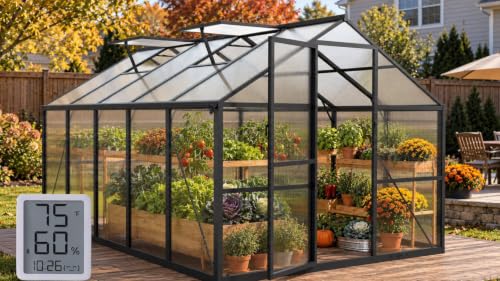
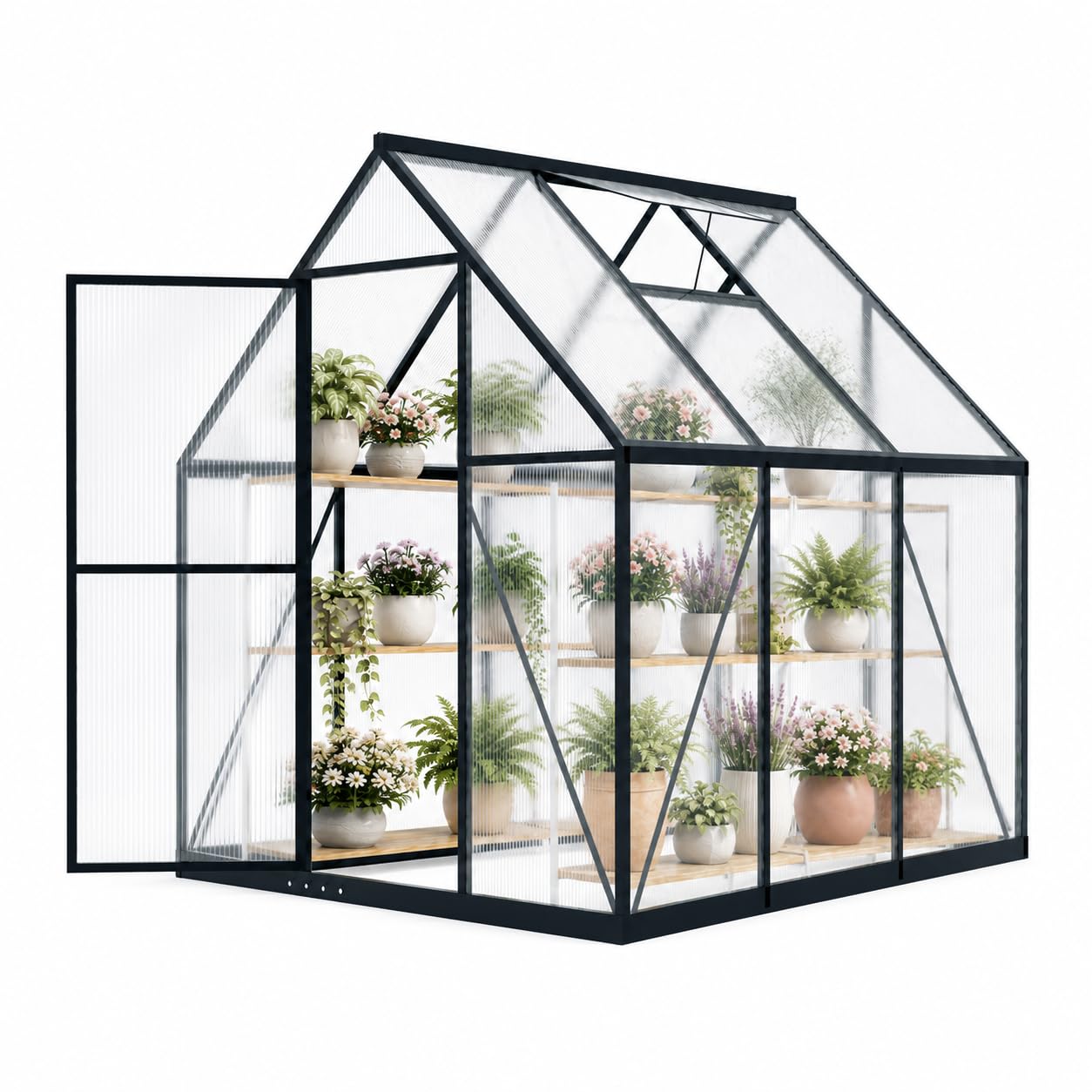
| Mid range | Around $230 to $900 | Aluminum or wood frame, polycarbonate panels, roof vents, lockable door, 6x6 to 8x10 ft or larger |
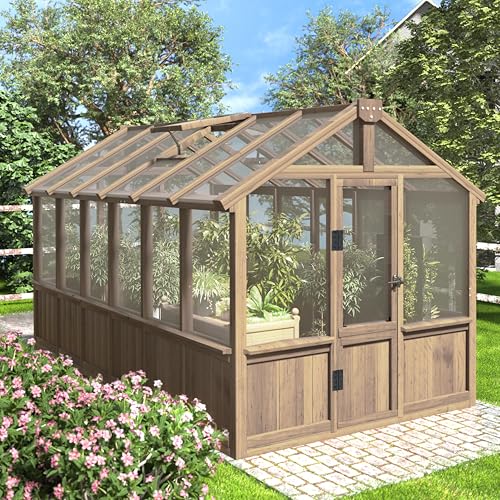
| Premium | Around $1,800 to $5,000 | Cedar frame, multi wall polycarbonate, exhaust fan, staging shelves, power outlets, high snow and wind ratings |
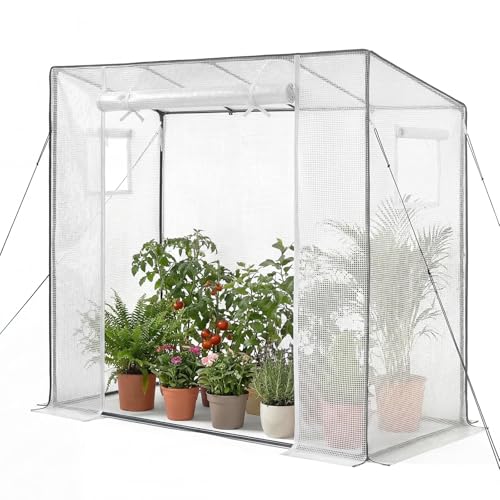
At the entry level, the VEVOR walk in greenhouse costs around $40 and uses a 140 gsm PE cover over a steel frame with a roll up door and two windows. A larger FDW tunnel style kit, about 10 by 7 feet, sits around $90. These are best for seed starting and short season extension. Knowing what each tier costs helps you match spending to how seriously you plan to grow, and how long you expect the structure to last.
In the mid range, a HOOYEAH 6 by 6 foot polycarbonate kit with an aluminum frame and roof vent costs around $230, while the WUKHG 8 by 10 foot aluminum greenhouse with 4mm twin wall roof panels is about $370. A Yardenaler 6 by 12 foot wood greenhouse with 6mm polycarbonate panels runs near $800.
Premium kits are a different class. The Backyard Discovery Willow 9 by 6 foot cedar greenhouse costs around $1,800 and includes a temperature activated exhaust fan, staging shelves and a PowerPort with outlets. The Bellerose XL, 13 by 11 feet, reaches about $5,000.
What Affects the Price
Four factors drive most of the difference between a $40 kit and a $5,000 one.
Size and Footprint
Price climbs quickly with square footage. A narrow walk in unit holds a few trays, while an 8 by 10 or 10 by 14 foot walk in greenhouse holds benches, large plants and room to work. Bigger kits also need more framing, more panels and stronger anchoring, which all add cost. Buy for the space you will really use, with a little room to grow.
Frame Material
Powder coated steel tubes keep entry level kits cheap but can bend in strong wind. Aluminum frames resist rust, stay light and dominate the mid range. Wood, especially cedar, costs the most but looks attractive, insulates better than metal and resists decay. Premium cedar kits often carry snow load and wind ratings that budget frames cannot match.
Panel Type: Polycarbonate vs PE Cover
PE plastic covers are inexpensive and easy to replace but wear out in strong sun and offer little insulation. Polycarbonate panels are rigid, shatterproof and filter UV. Twin wall or multi wall polycarbonate traps air between layers for better heat retention, which matters if you plan to grow into the cold months. Panel thickness, such as 4mm versus 6mm, also affects price and durability.
Assembly time is part of the cost too. Small PE kits go together in well under an hour, while large wood greenhouses can ship in several boxes and take a full weekend for two people. If you plan to hire help, add that labor to your budget before comparing prices.
Ventilation and Doors
Good ventilation prevents overheating and disease. Cheap kits rely on zipper doors and mesh windows, mid range kits add adjustable roof vents and lockable doors, and premium models include temperature activated exhaust fans. Each upgrade adds cost but makes the greenhouse easier to manage day to day.
Hidden and Ongoing Costs
The kit price is only part of the budget. Most greenhouses need a level base, which can mean pavers, a gravel pad, a timber frame or a concrete footing. Anchoring hardware is essential in windy areas, and some kits require it to keep their wind rating.
Inside, you will likely add shelving, benches, a thermometer and hygrometer, shade cloth for summer and possibly a heater or fan. Running electricity or water to the greenhouse adds cost if you need power for heaters, lights or a fan. Over time, PE covers need replacing every few seasons, and polycarbonate panels may need cleaning or the occasional replacement after storm damage. Heating in winter is often the largest ongoing expense, so factor in your climate before choosing a size.
When you budget for a mid range greenhouse, set aside a meaningful share of the kit price for the base, anchors and basic fittings. Premium cedar kits often include shelving and ventilation already, so the extra spend is mostly the foundation and any electrical work. Entry level kits need the least, usually just stakes, guy ropes and a few bricks or sandbags along the bottom edge.
Is a Cheap Greenhouse Kit Good Enough?
For many gardeners, yes, at least to start. A $40 to $100 PE cover kit is great for hardening off seedlings, starting tomatoes early and season extension in spring and fall. It is light, portable and easy to store.
The tradeoffs are durability and insulation. Thin covers tear and degrade in UV, and light frames can blow over without anchoring. If you want a permanent structure, live in a windy or snowy area or plan to grow through winter, a polycarbonate kit in the mid range is usually the better long term value.
A sensible path for many beginners is to start with an inexpensive kit for a season or two, learn what you like to grow and how much space you really use, then upgrade. That way, the money you eventually spend on a polycarbonate or wood greenhouse goes toward the right size and features.
How to Save Money on a Greenhouse Kit
Shop in late summer and fall, when gardening demand drops and retailers often discount outdoor structures. Watch Amazon deal events and price drops on mid range polycarbonate kits, since prices on the same model can move noticeably. Compare kits that bundle shelving, vents or anchoring hardware, which can cost less than buying those items separately.
Consider a slightly smaller footprint with taller walls to maximize vertical growing space. Check open box or refurbished listings from reputable sellers, and read the box count and assembly time so you can install it yourself instead of paying for help. Our guide on where to buy a greenhouse kit compares retailers.
Frequently Asked Questions
Is it cheaper to buy a greenhouse kit online?
Often, yes. Online retailers carry a wider range of sizes and brands, and prices on mid range kits can drop during sales. Check shipping terms, since large wood greenhouses may ship in several boxes and need a delivery appointment. Compare the total cost including anchoring and base materials.
How long does a greenhouse kit last?
It depends on materials. PE cover kits may need a new cover after a few seasons, while aluminum and polycarbonate kits can last many years with care. Cedar greenhouses resist decay naturally and often carry multi year warranties. Anchoring, regular cleaning and prompt repairs extend any greenhouse's life. Learn more in how to use a greenhouse kit.
What size greenhouse kit should I buy?
Start with how many plants and trays you want to grow and whether you need room to work inside. A 6 by 8 foot kit suits most beginners, while serious growers and large lots benefit from 8 by 12 feet or more. Our list of the best greenhouse kit for large yards covers bigger options, and the best greenhouse kit for seniors focuses on easy access designs.
Final Thoughts
So, how much does a greenhouse kit cost? Plan on around $40 to $150 for a basic PE kit, about $230 to $900 for a solid polycarbonate model and $1,800 or more for a premium cedar greenhouse. Add base, anchoring and accessories to your budget. When you are ready to choose, see our picks for the best greenhouse kit.


