
Top 3 Soil Testers for Flower Beds in 2026: Honest Reviews and Buying Advice
Disclosure: We may earn a commission when you buy through links on this page, at no extra cost to you. As an Amazon Associate I earn from qualifying purchases. Learn more

The best soil tester for flower beds: the Luster Leaf 1601 Rapitest kit, the battery free XLUX moisture meter and the 80 test 1663 kit.
Flower beds can look fine one season and sulk the next. Hydrangeas refuse to bloom, roses yellow between the veins or annuals wilt even though you water every evening. More often than not, the cause is pH, nutrients or moisture you cannot see. The best soil tester for flower beds shows you what is going on below the mulch so you can feed and water with purpose. We compared current testers on what they measure, ease of use, owner feedback on Amazon, expert opinion and price against value.
Our three picks: the Luster Leaf 1601 Rapitest kit for affordable pH and nutrient checks, the battery free XLUX moisture meter for smarter watering, and the larger Luster Leaf 1663 professional kit for gardeners with many beds.





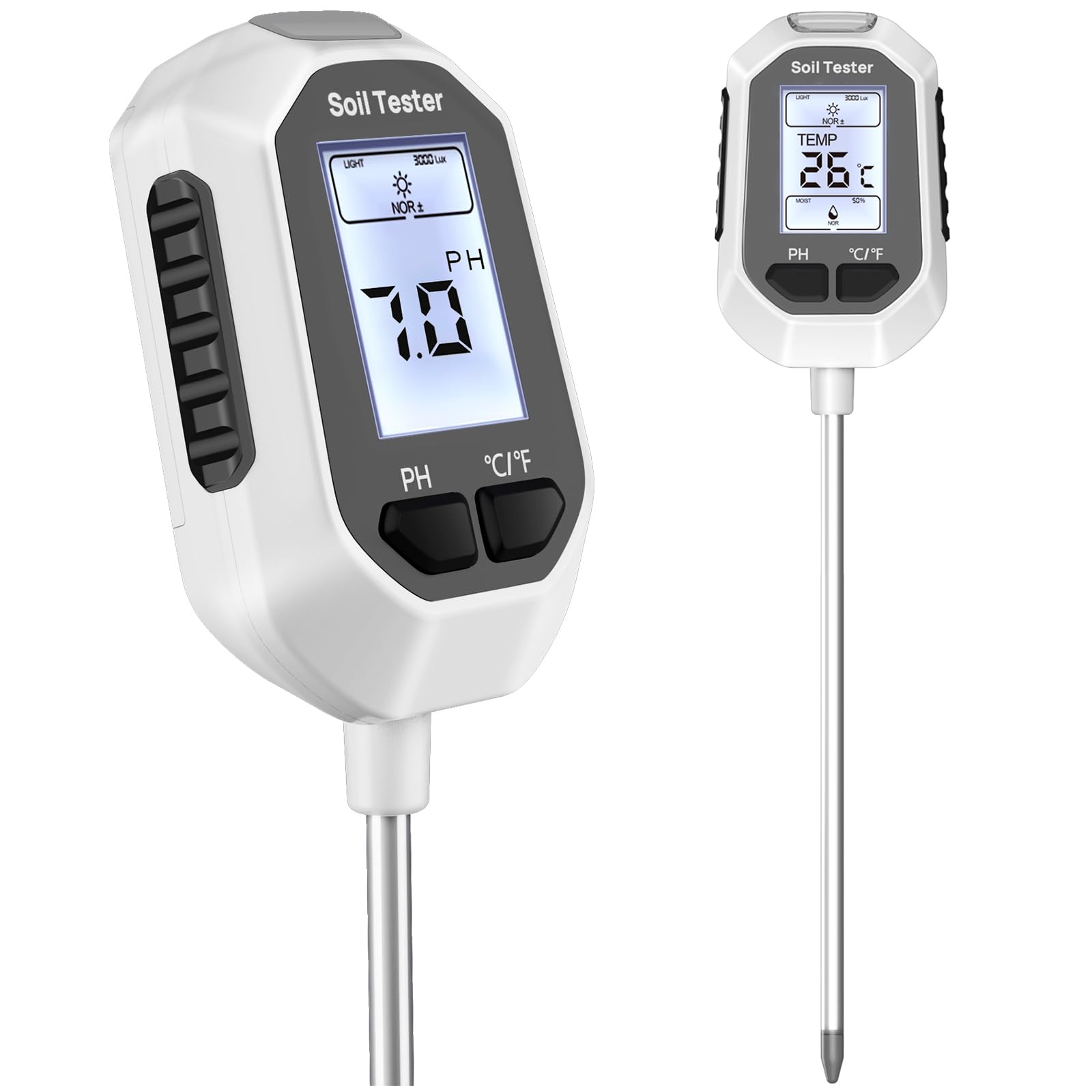
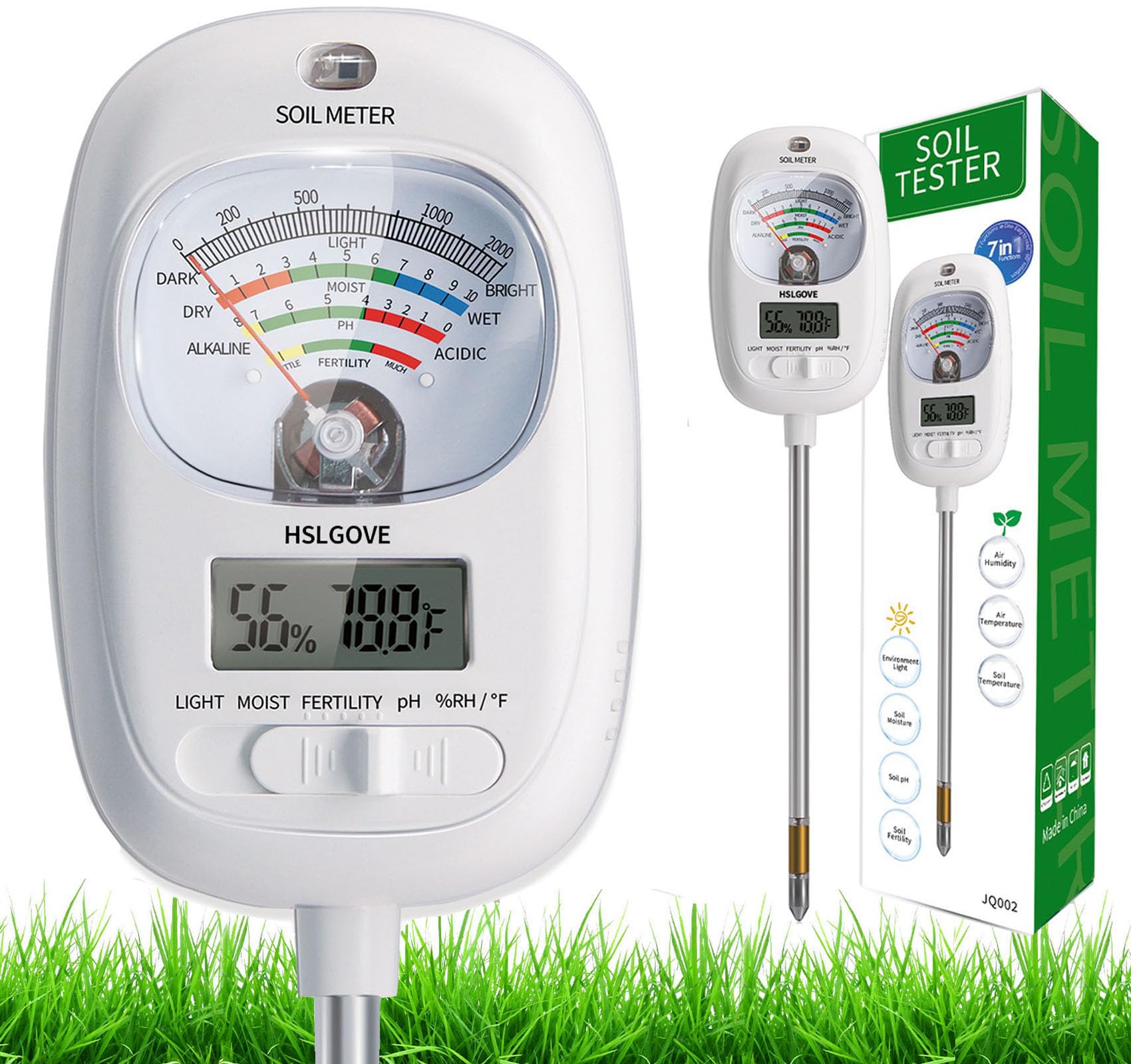

Our Top 3 Picks at a Glance
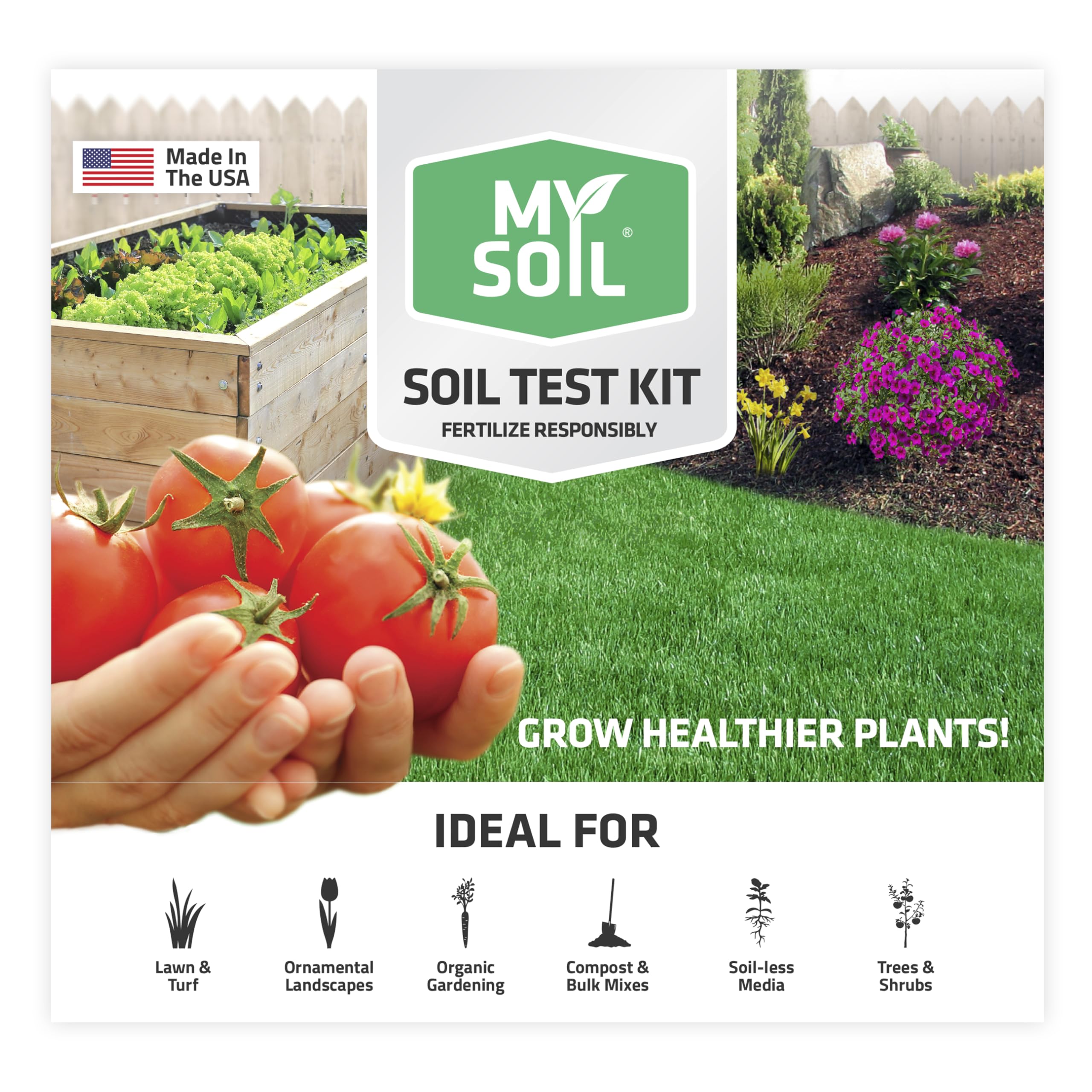
- Best Overall: Luster Leaf 1601 Rapitest Soil Test Kit (around $17). Tests pH, nitrogen, phosphorus and potash at a low price.
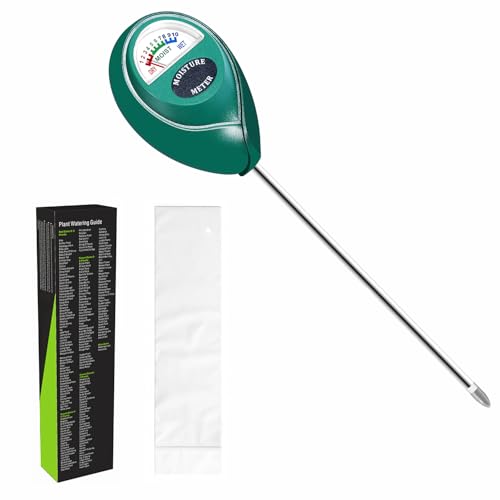
- Best Value: XLUX T10 Soil Moisture Meter (around $10). A battery free dial meter that tells you when beds really need water.
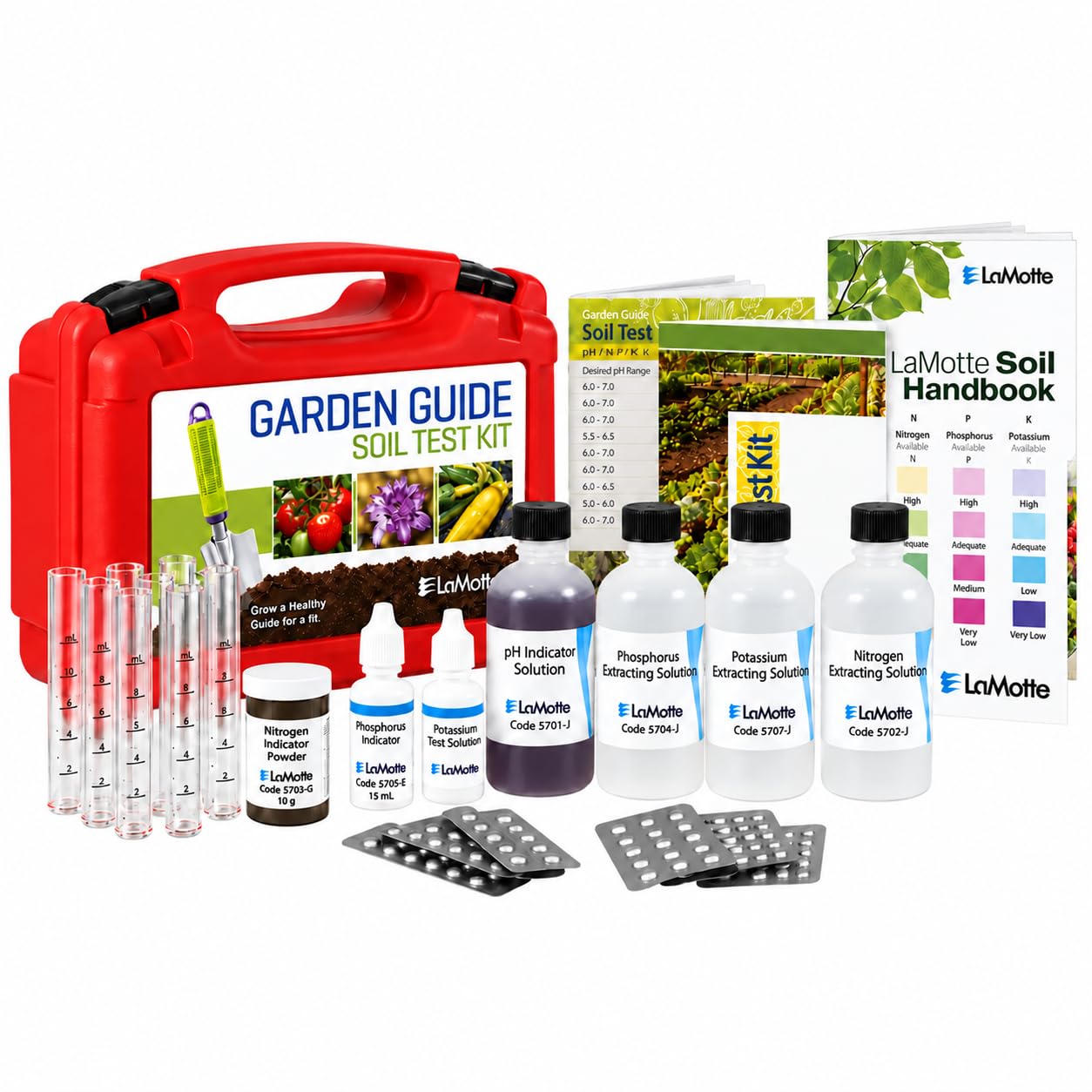
- Best Premium Pick: Luster Leaf 1663 Professional Soil Test Kit (around $40). A bigger kit with 80 tests for regular checks across many beds.
How We Chose These Flower Bed Soil Testers
We looked at how useful each tester is for ornamental beds, how owners rate it and how many reviews back that up, price versus features, build quality and current availability on amazon.com. We favored simple tools a home gardener will actually use every season.
Soil Tester for Flower Beds Reviews
1. Luster Leaf 1601 Rapitest Soil Test Kit: Best Overall
- Tests: soil pH, nitrogen, phosphorus and potash
- Type: chemical soil test kit
- Brand: Luster Leaf Rapitest
- Model: 1601
Why We Picked It
For most flower beds, two questions matter: is the pH right for what you are growing, and is anything missing from the soil? The 1601 Rapitest answers both at a price that makes yearly testing easy. You prepare a soil sample as the instructions describe and compare the result with a color chart, so there is no calibration or batteries to worry about. Beginners like it because the process is simple, and the results point you toward lime, sulfur or the right fertilizer for acid lovers like azaleas or for lime tolerant perennials.
Pros
- Tests pH and all three main nutrients
- Beginner friendly process
- Low price
- No batteries or calibration
Cons
- Limited number of tests per kit
- Color matching gives approximate readings
Who Should Buy It
Buy the 1601 Rapitest if you have a few flower beds and want an inexpensive pH and nutrient check each spring. It costs around $17.

2. XLUX T10 Soil Moisture Meter: Best Value
- Measures: soil moisture only
- Battery free, no charging
- Large color coded dial with 10 scales from dry to wet
- Slim single probe in 304 stainless steel
- For indoor and outdoor use
Why We Picked It
Overwatering is one of the easiest ways to lose bedding plants, and the soil surface often looks dry while the root zone is still wet. The XLUX meter reads moisture down where the roots are, with no batteries to replace. The dial is easy to read at a glance, which makes it a good pick for seniors and beginners who want to avoid over watering. The slim single probe slides in without tearing the roots of established perennials. It has one of the largest owner review bases of any garden tester and is well reviewed by buyers.
Pros
- Very easy to read
- No batteries
- Slim probe is gentle on roots
- Very low price
Cons
- Moisture only, no pH or nutrients
- For soil only, not for liquids
- Slim probe is not for very hard, dry soil
Who Should Buy It
Pick the XLUX if you want to water flower beds and containers only when they need it. It costs around $10 and pairs well with a chemical test kit.

3. Luster Leaf 1663 Professional Soil Test Kit: Best Premium Pick
- Tests: 80 in total
- Type: professional chemical soil test kit
- Brand: Luster Leaf
- Model: 1663
Why We Picked It
If you garden in several beds, borders and containers, a small kit runs out fast. The 1663 professional kit includes 80 tests, so you can check each bed separately and retest after amending. That is the best way to learn how your roses, perennials and annual beds differ, since soil can change a lot from one corner of a yard to another. Owner feedback is more mixed than for our top pick, but the larger test count gives it real value for busy gardeners.
Pros
- 80 tests for many beds
- Retest after amending
- No batteries or calibration
- Good cost per test
Cons
- Each test takes time
- Color matching is subjective
- Owner ratings lower than our other picks
Who Should Buy It
Choose the 1663 if you manage many flower beds or containers and want to test each one regularly. It costs around $40.

For other kits and meters, see our full guide to the best soil tester.
Using a Soil Tester Around Flower Beds
Flower beds are full of roots, mulch and edging, so a little care gives better results.
Precision and Control
Test each bed separately, since a shady border, a rose bed and a sunny annual bed can differ in pH and nutrients. Take samples from several spots per bed and mix them.
Avoiding Damage to Plants
Insert probes between plants rather than right at the stem, and use a slim probe or a small trowel. Never force a probe into hard soil, since it can bend and tear roots.
Edges and Mulch
Pull mulch aside before sampling or probing, because mulch can skew moisture and pH readings. Avoid samples right next to concrete edging, which can raise pH locally.
How to Choose the Best Soil Tester for Flower Beds
Wondering which soil tester is best for flower beds like yours? Consider these points. Our guide on how to use a soil tester covers technique.
What It Measures (pH, Moisture, NPK, Light)
pH decides which flowers thrive, NPK tells you what to feed and moisture tells you when to water. Light readings help most with houseplants and shade gardens.
Digital vs Analog Probes
Analog dial meters need no batteries and are simple to read. Digital pH pens are precise but need calibration. For flower beds, a chemical kit plus an analog moisture meter covers most needs.
Accuracy and Calibration
Chemical kits give a reliable pH range without calibration. Budget probe meters are better for moisture than for pH, so do not rely on them alone before adding lime or sulfur.
Lab Kits vs Meters
Kits and lab style tests give the full nutrient picture once or twice a year. Meters give daily answers about moisture. Most gardeners benefit from one of each.
Ease of Reading
Look for clear color charts, good instructions and large dials. If color matching is hard for you, test in daylight against a white background.
FAQs About Soil Testers for Flower Beds
Can a soil tester be used for flower beds?
Yes. Flower beds are one of the best places to use one. A pH and nutrient kit tells you whether acid loving or lime tolerant flowers will thrive, and a moisture meter stops you from overwatering. Test each bed separately and pull mulch aside before sampling.
How long does a soil tester last?
Analog moisture meters can last for years if you wipe and dry the probe after each use. Chemical kits last until their tests are used up or the reagents expire. Store kits in a cool, dry place.
Is a soil tester worth the money?
Yes. A test that costs less than a flat of annuals can show why plants struggle and stop you from wasting fertilizer or amendments. It also helps you pick flowers suited to the soil you already have.
How much should I spend on a soil tester?
Most home gardeners need only $10 to $40. A basic chemical kit and a moisture meter together cost less than many single digital testers and cover pH, nutrients and watering.
How do I maintain a soil tester?
Wipe probes clean and dry after use and store them in their sleeve or box. Keep chemical kits sealed, cool and dry, and check expiration dates before each season. You can also learn where to buy a soil tester for refills.
Final Verdict
The Luster Leaf 1601 Rapitest is our top pick for affordable pH and nutrient checks, the XLUX meter is the value pick for smarter watering, and the 1663 professional kit suits gardeners with many beds. For bigger jobs, see the best soil tester for backyards and the best soil tester for heavy duty use. Whichever best soil tester for flower beds fits your garden, check today's price on Amazon.


