
What Is a Garden Tiller Used for: A Complete Guide for 2026
Disclosure: We may earn a commission when you buy through links on this page, at no extra cost to you. As an Amazon Associate I earn from qualifying purchases. Learn more
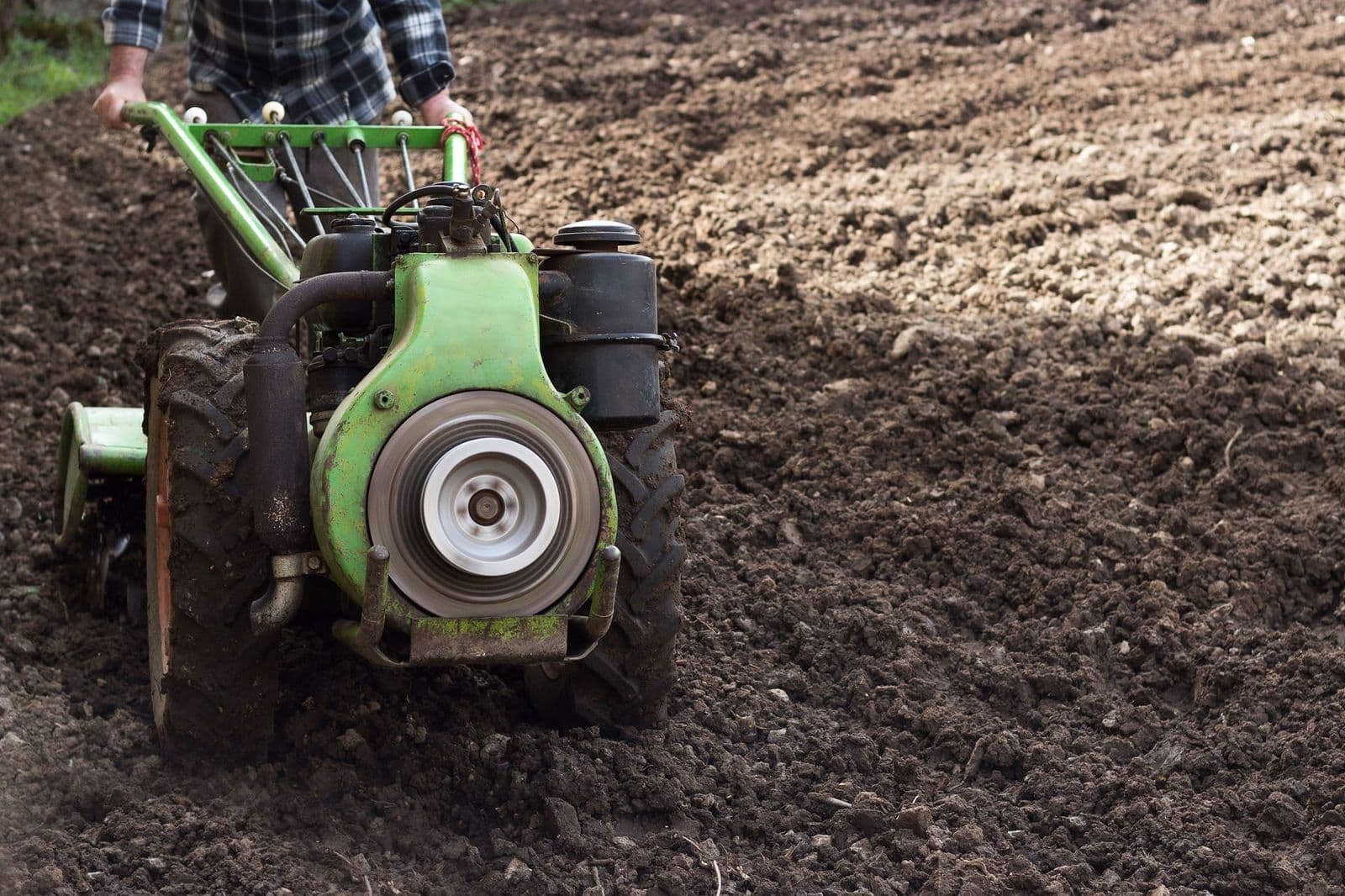
What is a garden tiller used for? Breaking up compacted soil, mixing in compost and starting new beds. Here is how it works and which type fits your yard.
A garden tiller is used to break up and loosen compacted soil, mix in compost or fertilizer, and turn grass or weeds under so you can plant a new bed. In short, it does the heavy digging that would take hours with a spade. If you have been wondering what is a garden tiller used for, the answer covers everything from starting a vegetable plot to refreshing tired flower beds each spring.
This guide explains how a tiller works, the jobs it does best, the main types you will see in stores, and the pros and cons, so you can decide whether one belongs in your shed.
What Is a Garden Tiller?
A garden tiller, often called a rototiller, is a powered machine with rotating metal blades called tines. As the tines spin, they dig into the ground, chop up clods and stir the soil into a loose, crumbly texture that roots can easily push through. Tillers range from small electric models light enough to lift into a raised bed to heavy gas machines built for breaking new ground.
People sometimes use "tiller" and "cultivator" for the same tool, but there is a useful difference. A cultivator is usually smaller and lighter, made to loosen the top few inches of soil and pull out weeds in an existing bed. A tiller is generally bigger and digs deeper, so it handles tougher jobs like turning sod into a new garden. Many small electric machines sit in between and do a bit of both.
Whatever the size, the goal is the same: create a deep, airy seedbed where water drains well and plant roots can spread.
How Does a Garden Tiller Work?
Understanding how does a garden tiller work starts with its main parts. Every tiller has a power source, a transmission or drive system, a set of tines, and handles with controls.
- Engine or motor: Gas engines provide the most power for big or hard ground. Corded electric and battery motors are quieter and lighter, and suit smaller beds.
- Drive system: The engine's power is sent through a belt, chain or gearbox to the tines, and on larger models also to the wheels.
- Tines: Curved steel blades mounted on a rotating shaft. They slice into the ground and lift soil as they turn.
- Depth bar or drag stake: A metal bar behind the tines that drags in the soil. Pushing it lower makes the tiller dig deeper; raising it lets the machine move forward faster.
- Handles and controls: Throttle, tine engagement lever and, on bigger models, forward and reverse gears.
When you start the machine and engage the tines, they begin to rotate and pull the tiller forward through the soil. On front tine models, the spinning tines themselves move the machine, so you guide and hold it back to dig deeper. Rear tine models have powered wheels that drive the tiller, while the tines at the back churn the soil. Several slow passes, each a little deeper, usually give the best result, leaving loose soil roughly the depth your plants need.
Before you start, clear away large rocks, roots and debris, and wait until the soil is moist but not soggy. Soil that sticks to your boots will clump and dry into hard clods, while bone dry ground can be tough for the tines to bite into.
What Is a Garden Tiller Used For?
Here are the most common jobs, and how a tiller helps with each one.
Clay & Rocky Soil
Heavy clay packs down hard and drains poorly. Tilling breaks it apart and lets you mix in compost, aged manure or other organic matter, which slowly improves drainage and structure over several seasons. In rocky ground, a sturdy tiller loosens the soil so you can rake out stones. For tough ground, see our picks for the best garden tiller for clay soil.
Flower Beds
Before planting annuals or a new perennial border, a quick pass with a small tiller or cultivator loosens the top layer and blends in compost. Between established plants, a narrow cultivator can lift weeds without disturbing roots too much.
Large Yards
Turning sod into a new vegetable garden or prepping a big area for seeding a lawn is where larger rear tine tillers shine. They have the weight and power to bite into grass and hard ground that would wear you out with a shovel.
Raised Beds
Raised beds have looser soil, so a light electric or battery cultivator is usually enough to refresh them each spring. Its small size fits inside the frame and mixes in new compost without much effort. Keep an eye on the edges, though, since the tines can catch on wooden or metal sides if you work too close.
Small Gardens
In compact plots, a lightweight tiller saves time and is easy to store. Compare options in our list of the best garden tiller for small gardens.
Types of Garden Tillers
Most tillers fall into a few groups, defined by where the tines sit and how they are powered.
- Front tine tillers: Tines in front of the wheels, which pull the machine along. They are lighter and cheaper, and they work well for existing gardens and medium sized plots.
- Rear tine tillers: Tines behind powered wheels. They are heavier and more expensive, but they dig deep, break new ground and are easier to control in hard soil.
- Mini tillers and cultivators: Small, light machines for weeding and loosening the top layer in beds and between rows.
- Electric and battery tillers: Quiet, low maintenance and easy to start. Best for smaller areas and soil that has been worked before.
- Gas tillers: The most power and runtime for large or compacted plots, with more noise, weight and upkeep.
- Tow behind tillers: Attachments pulled by a tractor or compact utility vehicle, used on very large plots and small farms rather than typical home gardens.
Prices vary widely between these types. Our breakdown of how much does a garden tiller cost covers what to expect at each level.
Pros and Cons
A tiller can save a lot of time and effort, but it is not the right tool for every situation.
Pros:
- Breaks up hard, compacted soil much faster than hand digging
- Mixes compost and amendments evenly into the root zone
- Turns grass and weeds under to start new beds
- Saves your back on large areas
Cons:
- Too much tilling can damage soil structure and helpful organisms
- Can chop up perennial weed roots and spread them
- Gas models are loud, heavy and need regular maintenance
- Larger machines take up storage space
Is a Garden Tiller Right for You?
A tiller makes sense if you are starting new beds, growing vegetables every year, or working heavy soil that needs organic matter mixed in. Homeowners with large plots or clay ground get the most value. If you only have a couple of small raised beds, a garden fork or a light cultivator may be enough.
Consider how often you will use it, how big your garden is and how much storage you have. Some gardeners rent a heavy tiller once to break new ground, then buy a small electric cultivator for yearly upkeep. When you are ready to shop, our guide on where to buy a garden tiller compares the main options.
Frequently Asked Questions
What is the difference between a tiller and a cultivator?
A tiller is usually larger and digs deeper, so it is used to break new ground and turn sod into a garden. A cultivator is lighter and works the top few inches of soil, making it better for weeding and loosening existing beds. Many small electric machines can handle light versions of both jobs.
Is a garden tiller worth buying?
It is worth buying if you garden every year, have more than a small bed, or work heavy soil. It saves hours of digging and makes mixing in compost easy. If you only need to break ground once, renting a large tiller is often cheaper than owning one.
How long does a garden tiller last?
With good care, a garden tiller can last many seasons. Gas models need oil changes, clean air filters and fresh fuel, while electric models need little more than cleaning and tine checks. Clearing soil and roots off the tines after each use and storing the machine dry helps it last longer.
Final Thoughts
So, what is a garden tiller used for? It loosens compacted soil, blends in compost and turns grass or weeds under so new beds are ready to plant. Small electric models suit raised beds and refreshing borders, while larger gas tillers break new ground. When you are ready to choose one, see our picks for the best garden tiller.


