
How to Maintain a Raised Garden Bed: Step by Step Guide for 2026
Disclosure: We may earn a commission when you buy through links on this page, at no extra cost to you. As an Amazon Associate I earn from qualifying purchases. Learn more
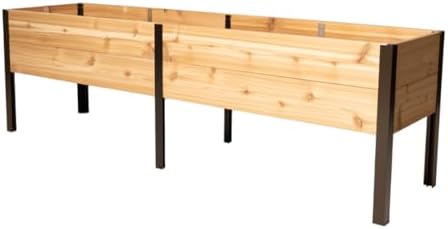
How to maintain a raised garden bed: seasonal cleanup, rust and rot checks, soil refresh, wood sealing and winter protection.
To maintain a raised garden bed, clear out spent plants and weeds after each season, top up and refresh the soil with compost every year, check the frame for rot, rust or loose hardware, and protect the bed with mulch or a cover through winter. Wooden frames benefit from an occasional coat of a plant safe sealer, and metal frames from a quick rust check. That is how to maintain a raised garden bed in a nutshell, and a short routine each spring and fall keeps the soil productive and the frame standing for many seasons.
This guide covers why maintenance matters, the supplies you need, a step by step routine for wood and metal beds, a simple schedule and fixes for the problems gardeners run into most.
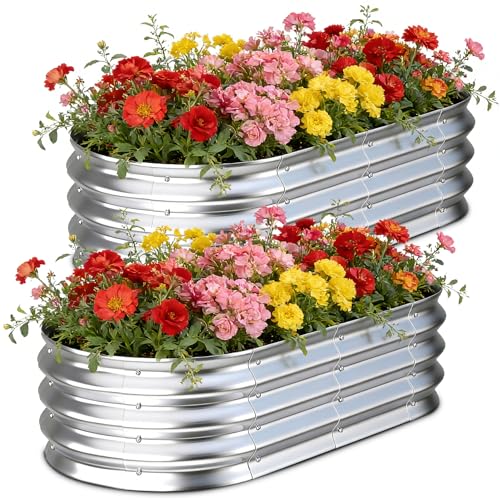
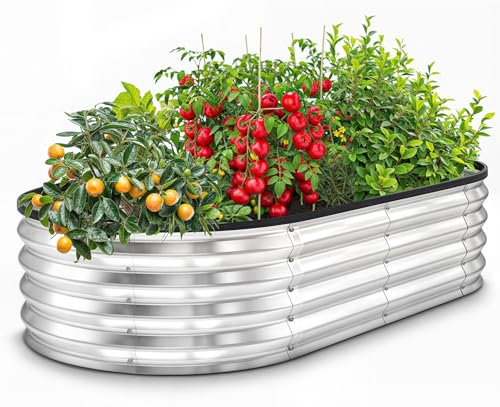
Why Regular Maintenance Matters
A raised bed is a small, intensive growing system. Plants pull nutrients out of a limited volume of soil, the mix settles and breaks down each year, and the frame is exposed to moisture, sun and freezing weather. Without care, yields drop, soil compacts and weeds or pests move in.
Regular maintenance keeps the soil loose and fertile, stops small frame problems such as a loose screw or a spot of rust from spreading, and helps the bed last much longer than one left to fend for itself.
The good news is that raised beds are easier to look after than in ground gardens. The soil is never walked on, the edges are defined and everything sits within easy reach, so most tasks take minutes rather than hours. A little attention at the start and end of each season does most of the work.
What You Need
- Hand trowel, garden fork and pruners
- Compost and quality topsoil or raised bed mix
- Mulch such as shredded leaves or straw
- Stiff brush, mild soap and water
- Wire brush and rust resistant touch up paint (metal beds)
- Plant safe wood sealer or oil and a brush (wooden beds)
- Screwdriver or wrench for hardware
How to Maintain a Raised Garden Bed Step by Step
Work through these steps each spring and fall, with quick checks during the growing season.
Step 1: Clear out debris and rinse the frame
Pull spent plants, roots and weeds at the end of the season, and remove diseased foliage completely rather than composting it. If you are learning how to clean a raised garden bed, start here: brush soil and algae off the frame walls, then rinse with water and a little mild soap if needed, and let the frame dry.
Clearing the bed also removes hiding places for slugs, overwintering insects and disease spores. Chop healthy plant tops and add them to the compost pile, and leave the roots of peas and beans in the soil, where they break down and return nutrients to the bed.
Step 2: Remove rust and check the frame
On galvanized or coated steel beds, look for scratches, rust spots and sharp edges, especially at corners and bolts. Scrub rust with a wire brush and dab on a rust resistant touch up paint. On wooden beds, probe corners and the bottom boards for soft, rotted wood, and tighten or replace loose screws and brackets.
Check the ground around the bed too. Soil washing out from under a wall, sagging corners or gaps at the base usually mean the bed has shifted or settled unevenly. Level the base with a little soil or a paver, and press the frame back into place before refilling it. Catching these issues early keeps the walls straight and stops the bed from slowly spilling its soil into the path.
Step 3: Refresh and amend the soil
Raised bed soil settles and loses organic matter each year. Loosen the top few inches with a garden fork, mix in a few inches of compost and top up with fresh mix to bring the level back up. A soil test every few years tells you whether to adjust pH or add specific nutrients.
Rotate crops within and between beds when you replant. Moving tomatoes, brassicas and other heavy feeders to a different bed each year reduces disease buildup and balances how nutrients are used. Avoid digging deeply, since turning the whole profile disrupts the soil structure that makes raised beds work so well.
Step 4: Seal or oil wooden frames
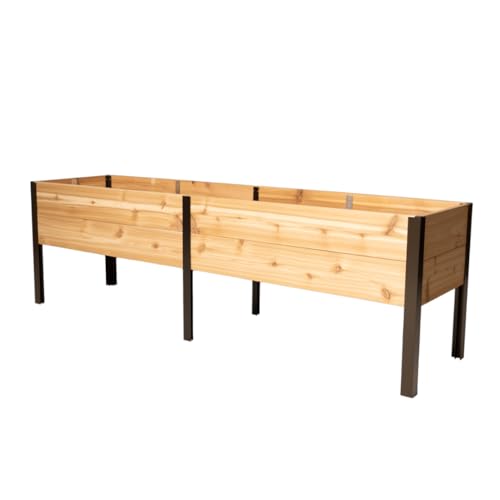
Cedar and other woods last longer with protection on the outside faces. Every year or two, apply a plant safe sealer or a natural oil to dry, clean wood, avoiding products that could leach into the soil. Lining the inside walls with a breathable fabric can also slow rot.
Step 5: Mulch or cover for winter
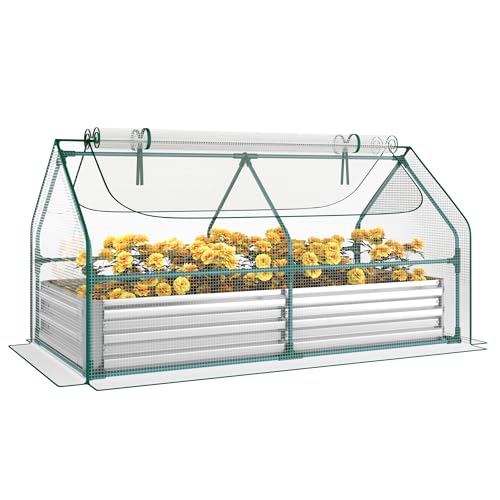
Instead of leaving soil bare, spread shredded leaves or straw, plant a cover crop, or fit a cover over the bed. Kits like the Miory raised bed with a PE greenhouse cover protect soil and extend the season. Mulch prevents erosion, feeds soil life and suppresses early weeds.
During the growing season, a layer of mulch also keeps soil cooler and reduces watering. Raised beds drain and dry faster than ground beds, so check moisture a few inches down with your finger, and water deeply rather than lightly every day. A drip line or soaker hose on a timer makes this nearly effortless.
Step 6: When to replace
Replace boards or panels that are badly rotted, cracked or rusted through, and consider a new frame when the structure bows outward or leaks soil. Fabric beds that tear or break down in sunlight should be replaced. A sturdy new galvanized or cedar bed is often cheaper than repeated patching.
Maintenance Schedule (Daily, Monthly, Yearly)
| When | Task |
|---|---|
| Daily or weekly in season | Water as needed, pull weeds, check for pests, harvest regularly |
| Monthly | Side dress heavy feeders with compost, check drip lines, inspect frame hardware |
| Spring | Loosen soil, add compost, top up the mix, repair the frame |
| Fall | Clear spent plants, rinse the frame, mulch or cover, treat rust or seal wood |
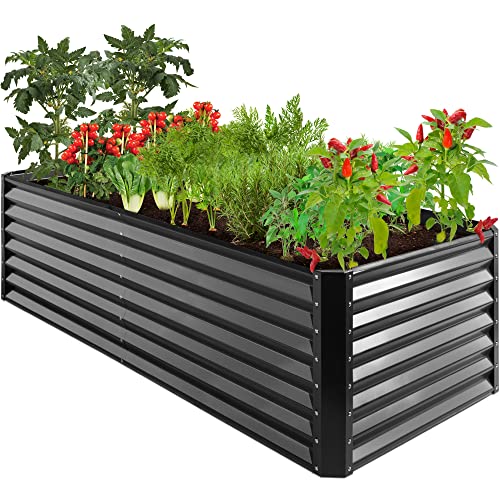
Tall beds and large kits like the Best Choice Products 6 by 3 by 2 foot metal bed hold a lot of soil, so plan on more compost when topping them up. Adjust the schedule for your climate. Gardens in hot regions may need daily watering in summer, while cold climates need more attention to winter protection.
Troubleshooting Common Problems
- Soil level keeps dropping: normal settling and decomposition; top up with compost and mix every spring.
- Soil dries out quickly: add mulch, mix in more compost to improve water holding, or install a drip line.
- Waterlogged soil: check that the bottom drains and the mix is not too heavy; add bark fines or similar for structure.
- Weeds and grass creeping in: lay cardboard or landscape fabric under the bed and keep the edges trimmed.
- Burrowing pests: add hardware cloth under the bed when you rebuild or refill it.
- Bowing walls: add corner braces or cross supports, especially on long wooden beds.
- Rust spots on metal beds: wire brush and touch up promptly before rust spreads.
Frequently Asked Questions
How often should I clean a raised garden bed?
Give it a full clean at least once a year, usually in fall after harvest, by removing spent plants and debris and brushing off the frame. Do a lighter tidy in spring before planting. During the season, weekly weeding and removing diseased leaves keep the bed healthy.
Can I wash a raised garden bed with water?
Yes. Rinsing the frame with water and a little mild soap is safe for metal and sealed wood. Avoid harsh chemicals or bleach that could reach the soil, and let wood dry before applying sealer. There is no need to wash the soil itself; refresh it with compost instead.
Final Thoughts
Learning how to maintain a raised garden bed comes down to a seasonal routine: clear debris, check the frame, refresh the soil, protect wood and metal and cover the bed for winter. Planning a new bed? Read how much does a raised garden bed cost and where to buy a raised garden bed, then see our picks for the best raised garden bed, the best raised garden bed for beginners and the best raised garden bed for clay soil.


