
How to Use a Raised Garden Bed the Right Way: Easy Step by Step Guide
Disclosure: We may earn a commission when you buy through links on this page, at no extra cost to you. As an Amazon Associate I earn from qualifying purchases. Learn more

Sun, soil, spacing and water: how to use a raised garden bed step by step, with pro tips and the mistakes most beginners make.
To use a raised garden bed, place it in a sunny, level spot, fill it with a loose mix of topsoil and compost, plant at the spacing your seed packets recommend, and water more often than you would an in ground garden because raised soil drains and warms faster. Top it with mulch, feed it each season, and refresh the soil every spring.
That is the short version of how to use a raised garden bed. Raised beds give you better drainage, fewer weeds, less bending and soil you control completely, which is why they suit beginners and seasoned gardeners alike. This step by step guide covers setup, soil, planting, watering and upkeep, plus the mistakes that trip up most first time growers.
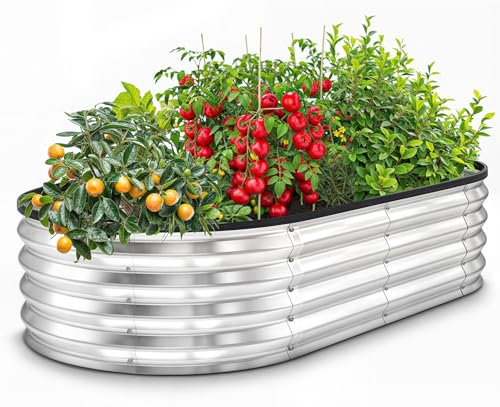
Before You Start: Safety and Prep
A raised bed is simple, but a little preparation makes the first season much easier. Wear gloves when assembling metal kits, since galvanized steel panels can have sharp edges, and use a drill or driver for wood beds rather than forcing screws by hand. Bagged soil and compost are heavy, so lift with your legs, use a wheelbarrow, and split large loads into smaller trips.
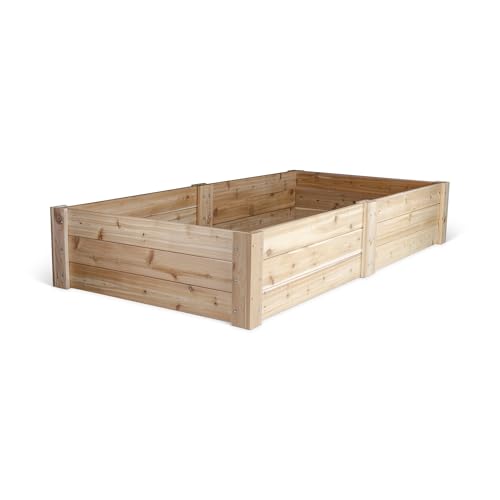
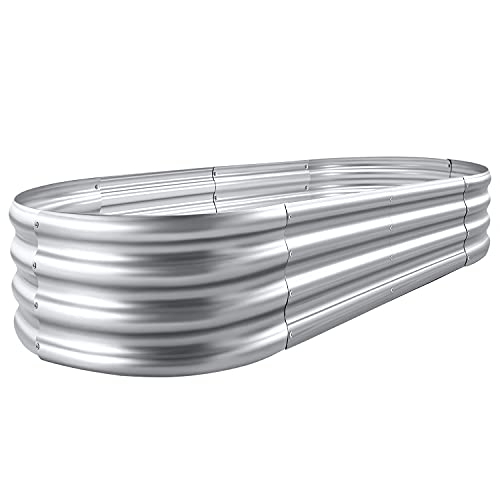
Check your materials too. Cedar and galvanized steel are popular because they resist rot and rust. Avoid old railroad ties or wood of unknown origin, since some older treatments are not meant for food gardens. If you plan to place the bed on a patio or deck, make sure the surface can handle the weight of wet soil and that water can drain away without staining.
Finally, plan your watering. A bed close to a hose bib or rain barrel is far easier to keep healthy than one at the far end of the yard.
How to Use a Raised Garden Bed Step by Step
Step 1: Pick a sunny, level spot
Most vegetables need six to eight hours of direct sun a day, so watch your yard for a full day before you commit. Choose level ground so water spreads evenly through the bed, and leave room around it to kneel or walk. Running the long side north to south helps both sides get even light.
Size matters as much as location. A bed about four feet wide and six to eight feet long is easy to reach from both sides and holds a good mix of crops. If you are new to gardening, one or two beds are plenty for the first season; it is easier to add a bed next spring than to keep up with too many.
Step 2: Check and prepare the ground underneath
Remove grass and large weeds where the bed will sit, or smother them with a layer of plain cardboard that will break down over time. If burrowing pests are a problem in your area, lay hardware cloth across the bottom before filling. On heavy clay, loosen the soil below with a garden fork so roots and water can move down. Our guide to the best raised garden bed for clay soil covers deeper options for poor ground.
Step 3: Fill it with the right soil mix
Do not fill a raised bed with straight garden dirt or pure compost. A common, reliable blend is roughly 60 percent quality topsoil and 40 percent compost, or a bagged raised bed mix. For tall beds, you can fill the bottom third with logs, branches and leaves to save on soil, then add the growing mix on top. Fill to within an inch or two of the rim, since the soil will settle after the first few waterings.
To estimate how much mix you need, multiply length by width by depth in feet to get cubic feet. A 4 by 8 foot bed that is 1 foot deep holds about 32 cubic feet, roughly 1.2 cubic yards. Bulk soil from a landscape supplier is usually cheaper than bags for beds this size, while bags are convenient for one small bed.
Step 4: Plan and plant in manageable sections
Divide the bed into a simple grid and plant in blocks instead of long rows. Keep tall crops like tomatoes and pole beans on the north side so they do not shade shorter plants. Follow the spacing on each seed packet or plant tag, and resist the urge to overcrowd. Planting a section at a time every couple of weeks gives you a steady harvest instead of a glut.
For a first season, pick forgiving crops. Lettuce, spinach, radishes, bush beans, zucchini, herbs and cherry tomatoes all do well in raised beds and give quick results. Leave space for paths around the bed rather than inside it, so every plant can be reached without stepping on the soil.
Step 5: Water and mulch
Raised beds drain quickly, so check moisture by pushing a finger into the soil. If the top inch or two is dry, water deeply at the base of the plants, ideally in the morning. A soaker hose or drip line saves time and keeps leaves dry. Spread two to three inches of straw, shredded leaves or wood chips over the soil to hold moisture and block weeds.
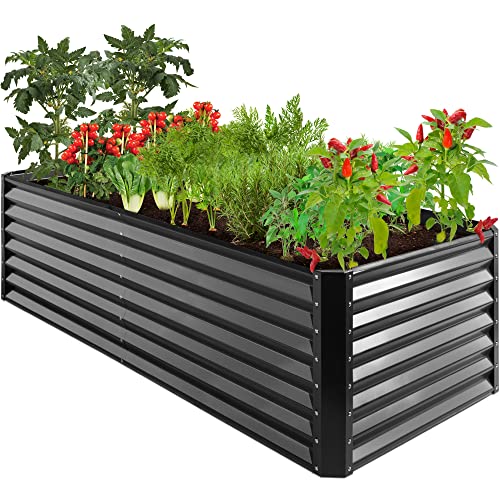
Metal beds and beds in full afternoon sun can dry out faster during heat waves, so check them daily in midsummer. Young seedlings need lighter, more frequent watering until their roots grow deeper, while established plants prefer a thorough soak a few times a week.
Step 6: Maintain and refresh each season
Feed plants with compost or a balanced organic fertilizer during the season, pull weeds while they are small, and remove spent crops promptly. At the end of the year, clear old plants, add a fresh layer of compost and cover the bed with mulch or a cover crop. Each spring, top up the soil, which naturally settles and breaks down over time.
Pro Tips for Better Results
- Rotate crops: avoid growing the same plant family in the same spot each year to reduce pests and disease.
- Use vertical space: add a trellis for cucumbers, peas and pole beans to grow more in a small bed.
- Add hoops and covers: simple hoops with row cover or netting protect seedlings from frost, birds and insects, and extend your season.
- Pair plants wisely: herbs like basil and flowers like marigolds can share space with vegetables and attract helpful insects.
- Keep beds a reachable width: about four feet wide lets you reach the center from either side without stepping on the soil.
- Test the soil: an inexpensive soil test every few years shows whether you need to adjust pH or nutrients.
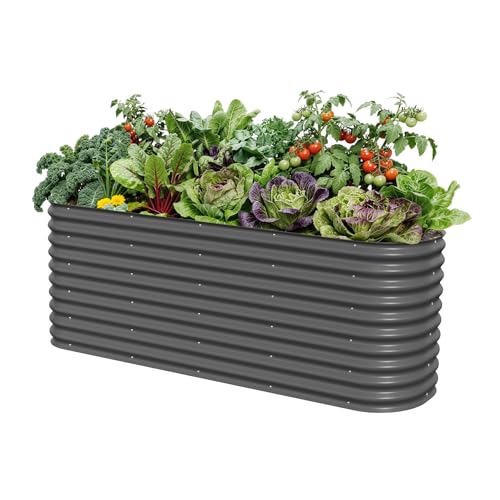
Tall beds deserve special mention for anyone with back or knee concerns. A bed of 24 inches or more lets you plant and harvest while standing or sitting on the edge.
Common Mistakes to Avoid
- Using only bagged topsoil or garden dirt: it compacts quickly and drains poorly. Blend in plenty of compost.
- Underwatering: raised soil dries faster than ground soil, especially in summer and in metal beds.
- Overcrowding: tight spacing invites disease and smaller harvests.
- Walking on the soil: stepping inside the bed compacts it and undoes one of its biggest benefits.
- Skipping mulch: bare soil loses water and grows weeds.
- Forgetting to top up: soil levels drop each year, so add compost every season.
One more mistake is building the bed too wide or too tall for the space. A bed you cannot reach across, or one so tall it blocks sun from the rest of the garden, becomes harder to care for every year. Measure your reach and your yard before you buy or build.
Frequently Asked Questions
How often should I water a raised garden bed?
Most raised beds need water every one to three days in warm weather and less in cool, cloudy periods. Check the soil with your finger: if the top inch or two is dry, water deeply until moisture reaches the root zone. Mulch and drip irrigation reduce how often you need to water.
Can beginners use a raised garden bed?
Yes, raised beds are one of the easiest ways to start gardening. You control the soil from day one, weeds are fewer, and the defined space keeps planting manageable. Start with easy crops like lettuce, herbs, bush beans and cherry tomatoes. Our picks for the best raised garden bed for beginners focus on simple kits.
How deep should a raised garden bed be?
For most vegetables, aim for at least 11 to 12 inches of good soil. Root crops like carrots and potatoes do best with 18 inches or more, while tall beds around 24 to 32 inches deep reduce bending. If the bed sits on loosened ground, roots can also grow down into the soil below.
Final Thoughts
Learning how to use a raised garden bed comes down to sun, good soil, smart spacing and steady watering, plus a fresh layer of compost each year. Ready to choose one? See our picks for the best raised garden bed, check how much does a raised garden bed cost to plan your budget, and compare retailers in our guide on where to buy a raised garden bed.


