
How Does a Raised Garden Bed Work: Expert Tips and Step by Step Guide
Disclosure: We may earn a commission when you buy through links on this page, at no extra cost to you. As an Amazon Associate I earn from qualifying purchases. Learn more

How does a raised garden bed work? The frame, base layer, soil mix and drainage explained, plus uses, types and pros and cons.
A raised garden bed works by lifting your growing area above the native ground inside a frame of wood, metal or composite, then filling it with loose, fertile soil you control. Because the soil sits higher, it drains faster, warms up earlier in spring, stays uncompacted since no one walks on it, and lets roots spread easily. If you are wondering how does a raised garden bed work, the short answer is that it replaces poor ground with an ideal root zone you build yourself.
This guide covers what a raised bed is, how its parts work together, what gardeners use them for, the main types you can buy and whether one makes sense for your yard.

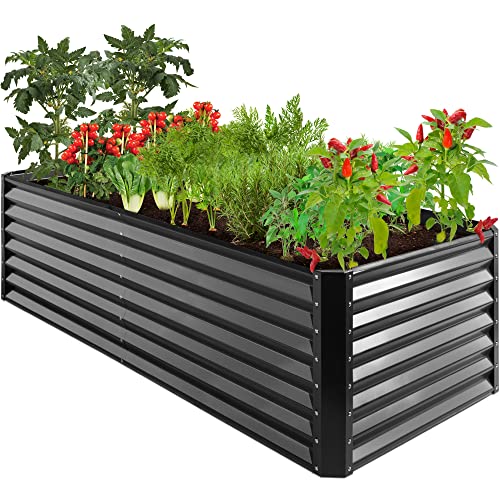
What Is a Raised Garden Bed?
A raised garden bed is a bottomless or bottomed box that holds soil above ground level. Most are 6 to 32 inches tall, and common sizes run from compact 2 by 4 foot boxes to 4 by 8 foot beds and long troughs. The frame can be cedar, galvanized steel, aluminum, composite or plastic, and some models sit on legs at waist height.
Height matters more than many people expect. Beds around 11 to 12 inches tall suit lettuce, herbs and most flowers, while 17 inches and up give deep rooted crops more room and spare your back. Unlike a container, a raised bed is usually open at the bottom, so plant roots can reach down into the native soil while still enjoying the loose mix you add on top. Unlike an in ground bed, the edges are clearly defined, which keeps soil in place, helps block creeping grass and makes the garden easier to plant, weed and harvest.
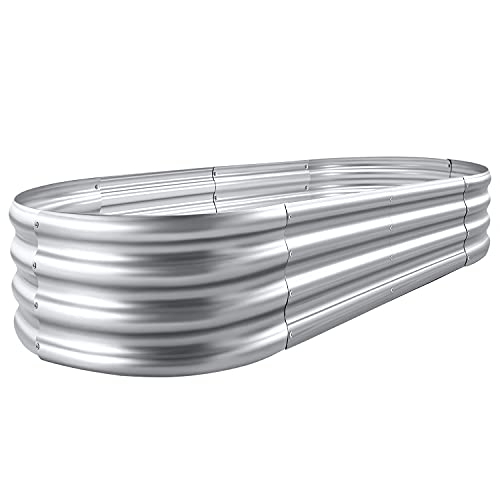
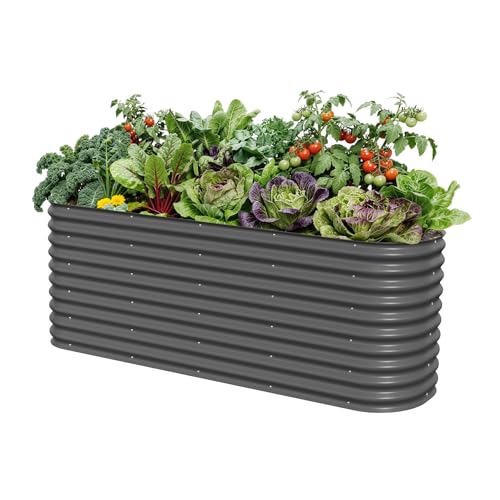
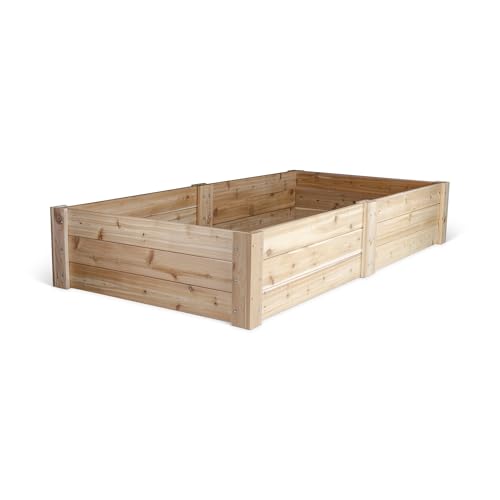
Raised beds come as simple DIY lumber boxes or as kits. Popular kits include oval galvanized beds like the Land Guard 6 by 3 by 1 foot kit, extra tall modular metal beds from Vego garden and Olle, and cedar options such as the Infinite Cedar 4 by 8 foot bed.
How Does a Raised Garden Bed Work?
A raised bed has four main parts, and each plays a role in how well plants grow.
The frame holds the soil in a defined shape and height. Taller frames hold more soil, which means deeper roots, better moisture storage and less bending for the gardener. Metal frames heat up and drain quickly, while thick cedar insulates the soil and resists rot naturally.
The base layer sits at the bottom. In an open bed, it is the native ground, sometimes covered with cardboard to smother grass or hardware cloth to stop burrowing pests. In tall beds, gardeners often fill the lower third with logs, branches and leaves, which break down slowly and reduce the amount of soil needed.
The growing mix is the heart of the system. A blend of topsoil, compost and an aerating ingredient creates a loose, fertile root zone that drains well but still holds moisture. Because nobody walks on it, the mix stays fluffy for years. Many gardeners start with roughly equal parts of quality topsoil and compost, plus a smaller share of an aerating ingredient such as pine bark fines or perlite, then top up with fresh compost each season as the level settles.
Drainage and water complete the picture. Excess water drains down through the open base, so roots avoid waterlogging even after heavy rain. In return, raised beds dry faster in summer, which is why many gardeners add drip lines or soaker hoses.
Together, these parts give plants better drainage, warmer soil in spring and fewer weeds. A secondary benefit is comfort, since the height brings the work closer to you.
What Is a Raised Garden Bed Used For?
So, what is a raised garden bed used for? Mainly to grow food and flowers where the native soil, space or physical access makes ordinary beds difficult.
Clay & Rocky Soil
Heavy clay drains poorly and rocky ground blocks roots. Building a bed on top lets you skip digging entirely and grow in a quality mix from day one. A taller bed gives more distance between roots and the problem soil below. Our best raised garden bed for clay soil guide covers frames suited to these yards.
Flower Beds
Raised beds give flowers a tidy, defined border and soil tailored to their needs. They also bring low growing blooms closer to eye level, which makes small plants and fragrant varieties easier to enjoy.
Small Gardens
In a small garden, a raised bed packs more plants into less space. Because the soil is loose and rich, you can plant closer together and use square foot or intensive planting methods.
Small Yards
Compact beds and round kits fit patios, side yards and corners where a full garden would not. Elevated or rolling models even work on decks and balconies. Just check that a deck can support the weight of wet soil before you fill a large planter.
Vegetable Gardens
Vegetables are the most common use. Warmer spring soil means earlier planting, and good drainage helps tomatoes, peppers, greens and root crops thrive. Deep beds suit carrots and potatoes, while shallower beds suit lettuce and herbs.
Types of Raised Garden Beds
- Galvanized steel beds: durable, affordable kits in oval, round or rectangular shapes; a popular choice for home gardens.
- Cedar and wood beds: natural look, good insulation and rot resistance; cedar lasts longer than pine.
- Extra tall modular metal beds: 17 to 32 inch tall panels that can be configured into several shapes and reduce bending.
- Elevated beds on legs: waist height planters for patios and gardeners with limited mobility.
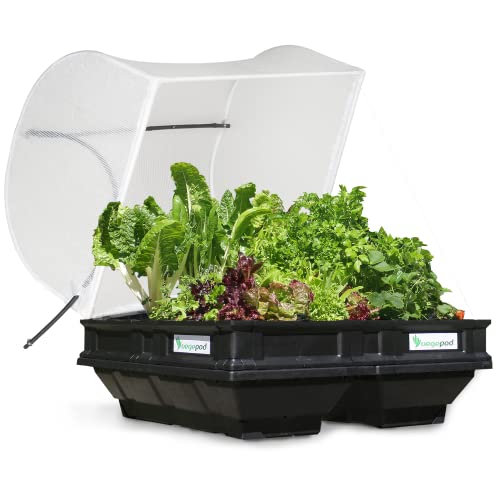
- Self watering and covered kits: beds with reservoirs or protective covers, like the Vegepod, that reduce watering and keep pests out.
- Fabric and plastic beds: lightweight, low cost options that are easy to move but wear out sooner.
Pros and Cons
Pros
- Better drainage and looser soil
- Warmer soil for earlier planting
- Fewer weeds and easier access
- Works over clay, rock or poor ground
- Less bending with taller beds
Cons
- Upfront cost for frames and soil
- Dries out faster in hot weather
- Large beds need a lot of soil to fill
- Wood frames eventually rot
Is a Raised Garden Bed Right for You?
A raised bed is a smart choice if your soil is poor, your yard is small, you want to start gardening without heavy digging, or bending and kneeling are difficult. Beginners also benefit because a fresh soil mix removes many variables. See our best raised garden bed for beginners picks for easy kits.
Getting started is simple. Pick a level spot with at least six hours of sun, clear or smother the grass, assemble the frame, add a base layer if the bed is tall, fill it with your soil mix and water it well before planting. Most kits go together in an afternoon with basic tools, and the bed is ready to plant the same day.
If you already have deep, rich, well drained soil and plenty of space, in ground beds may serve you just as well at lower cost. To plan a budget, read how much does a raised garden bed cost.
Frequently Asked Questions
What is a raised garden bed used for?
A raised garden bed is used to grow vegetables, herbs and flowers in loose, fertile soil above the native ground. It is especially helpful over clay or rocky soil, in small yards and for gardeners who want less bending, fewer weeds and earlier spring planting.
Is a raised garden bed worth buying?
For most home gardeners, yes. A raised bed improves drainage, keeps soil loose and makes planting and weeding easier. A kit saves time compared with building one, and quality metal or cedar beds last for many seasons. Compare stores in our guide on where to buy a raised garden bed.
How long does a raised garden bed last?
It depends on the material. Galvanized and coated steel beds often last many years, cedar typically lasts longer than pine thanks to its natural rot resistance, and fabric beds wear out soonest. Good drainage and occasional maintenance help any frame last longer.
Final Thoughts
So, how does a raised garden bed work? It lifts the root zone into a frame filled with loose, rich soil that drains well, warms early and stays uncompacted, giving plants an easier start than poor native ground. Choose a material and height that fit your yard and budget, then see our picks for the best raised garden bed.


