
Best Electric Log Splitters in 2026: Our Top 3 Picks Reviewed
Disclosure: We may earn a commission when you buy through links on this page, at no extra cost to you. As an Amazon Associate I earn from qualifying purchases. Learn more

Our best electric log splitter picks from BILT HARD, Ezasin and PROYAMA, plus how force, cycle time and log size affect your choice.
Splitting firewood by hand is great exercise for about ten minutes. After that it becomes a sore back, blistered hands and a pile of rounds that never seems to shrink. Gas splitters fix the effort problem but bring engine noise, fumes and maintenance, which is a lot of machine for a homeowner who burns a few cords a year. The best electric log splitter plugs into a standard outlet, splits seasoned firewood quietly and safely, and can even run in a garage or shed because it produces no exhaust.
To build this list we compared maker specs, verified owner feedback on Amazon, expert reviews and the value each splitter delivers for its price. Our three picks are a BILT HARD 6.5 ton splitter with a huge base of owner feedback, an Ezasin 16 ton electric model with a two stage pump for tougher wood, and a PROYAMA 7 ton splitter with a cross wedge that can sit on a 34 inch stand for comfortable waist high work.

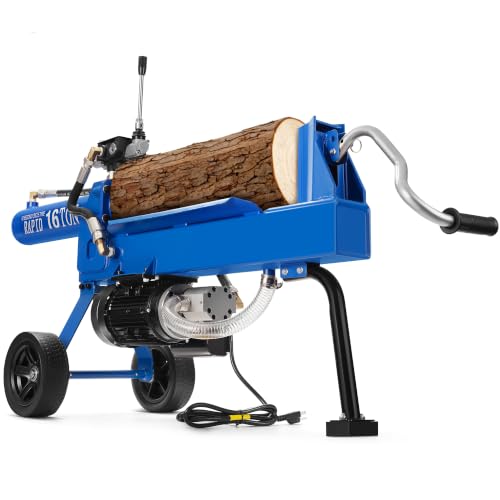
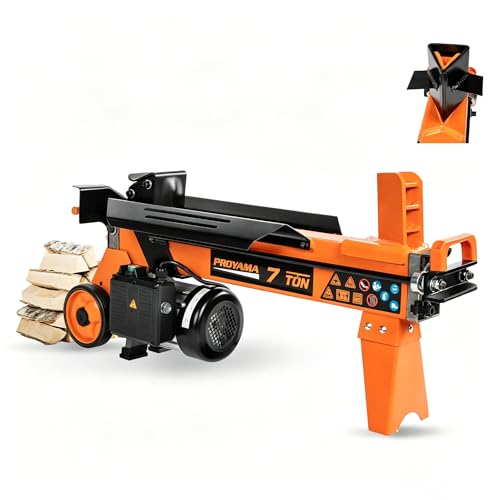
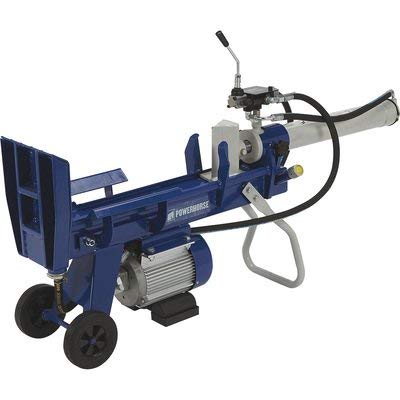

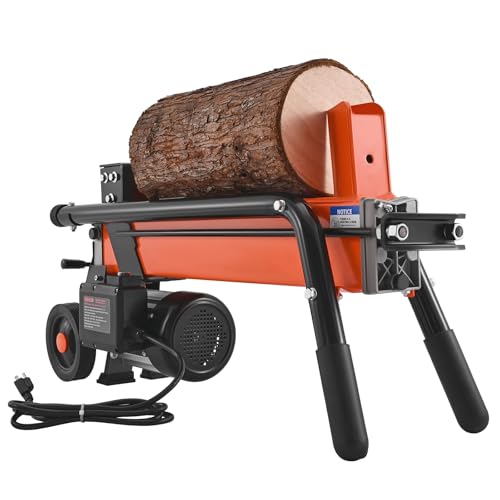


Our Top 3 Picks at a Glance
Each splitter suits a different woodpile, so start with the size and type of wood you burn.
- Best Overall: BILT HARD 6.5 Ton Electric Log Splitter (around $360). A 15 amp motor, logs up to 20.5 inches long and 9.8 inches wide, an 18 second cycle and two hand safety controls.
- Best Premium Pick: Ezasin 16 Ton Electric Log Splitter (around $770). A 17.4 amp motor, a two stage gear pump, automatic ram return and overload protection, running at about 65 dB.
- Runner Up: PROYAMA 7 Ton Electric Log Splitter (around $340). A 2,700 W motor, a cross wedge, never flat wheels and the option to work with or without a 34 inch stand.
The product table above adds more electric splitters from YARDMAX, PowerSmart, VEVOR, WEN, Sun Joe, Boss Industrial, DR and others.
How We Chose the Best Electric Log Splitter
We started with splitting force and log capacity, since those decide what wood a machine can handle. Cycle time came next, because a slow ram return adds up over a full cord of wood. We weighed owner feedback heavily, favoring models with a large base of reviews and steady comments about reliability, and then compared price against safety controls, wheels, working height and warranty. Every pick had to be a current model in stock on amazon.com.
Electric Log Splitter Reviews
1. BILT HARD 6.5 Ton Electric Log Splitter: Best Overall
- Splitting force: 6.5 tons
- Motor: 15 amp, up to 3,400 RPM, copper windings
- Log capacity: up to 20.5 inches long and 9.8 inches in diameter
- Cycle time: about 18 seconds
- Design: horizontal full beam with steel wedge, 5.7 inch transport wheels, two hand controls
Why We Picked It
The BILT HARD 6.5 ton splitter is the model most homeowners should start with. Its 15 amp motor drives a hydraulic ram with 6.5 tons of force, which is plenty for the seasoned hardwood and softwood rounds most people burn in a fireplace or wood stove. It accepts logs up to 20.5 inches long and 9.8 inches in diameter, covering standard firewood lengths cut with a typical chainsaw.
Speed is good for an electric unit. BILT HARD lists an 18 second cycle, and the ram resets quickly so you can load the next piece without waiting around. Precision gears and copper motor windings help it deliver steady splitting force over a long session.
Safety and convenience are well handled. Two hand controls keep both hands away from the wedge while the ram moves, a simple but important feature for any log splitter. Being electric, it produces no carbon monoxide or exhaust and runs much quieter than gas, so you can split in a garage with the door open or early in the morning without bothering neighbors. Sturdy 5.7 inch wheels and a light horizontal beam make it easy to roll from storage to the woodpile.
The included warranty is short at 90 days, and like most compact electric splitters it sits low to the ground, so expect to bend while loading unless you build or buy a stand.
Pros
- Large base of owner feedback
- Quiet, fume free operation
- Quick 18 second cycle
- Two hand safety controls and easy to roll
Cons
- Best for small and medium logs
- Low working height and short warranty
Who Should Buy It
Choose the BILT HARD if you split seasoned firewood for a fireplace or stove and want a proven, quiet electric splitter. It costs around $360.

2. Ezasin 16 Ton Electric Log Splitter: Best Premium Pick
- Splitting force: 16 tons
- Motor: 17.4 amp electric
- Pump: two stage aluminum gear pump with automatic ram return
- Cycle time: about 18 seconds; log length up to 20.5 inches
- Design: horizontal full beam steel frame, 8 inch wheels, temperature sensor and overload protection, about 65 dB
Why We Picked It
Small electric splitters struggle with knotty, twisted or green wood. The Ezasin 16 ton model is built for exactly that kind of job while staying electric. Sixteen tons of force is more than double our top pick, and the two stage aluminum gear pump moves the cylinder quickly when there is no load, then builds strong pressure when the wedge meets the wood. With automatic ram return and an 18 second cycle, it keeps a steady pace through a big pile.
The horizontal full beam steel frame gives a stable working platform, and an integrated handle with wide 8 inch wheels makes it easy to move around the yard or garage. Ezasin rates it at about 65 dB, far quieter than a gas engine, which makes it suitable for residential neighborhoods.
A temperature sensor and overload switch shut the motor off if it gets too hot or draws too much current, and it can resume after cooling or a reset. That protection helps extend motor life during long sessions with tough wood.
It is a newer model with a smaller base of owner reviews, and it costs about twice as much as compact 6.5 ton splitters. For homeowners who burn a lot of wood or split thick rounds, the extra force is worth it.
Pros
- 16 tons of force in an electric splitter
- Two stage pump and auto return
- Overload and temperature protection
- Quiet at about 65 dB
Cons
- Pricier than 6.5 ton rivals
- Fewer owner reviews so far
Who Should Buy It
Buy the Ezasin 16 ton if you split large volumes or tough, knotty wood and want electric convenience without giving up power. It sells for around $770.

3. PROYAMA 7 Ton Electric Log Splitter: Runner Up
- Splitting force: 7 tons
- Motor: 2,700 W, 15 amp
- Log capacity: up to 10 inches in diameter and 20.5 inches long
- Wedge: cross wedge
- Design: two hand controls, 5.5 inch never flat wheels, usable with or without a 34 inch stand
Why We Picked It
Bending over a low splitter all afternoon is hard on the back, and the PROYAMA addresses that with the option to work on a 34 inch stand. Raising the beam to waist height makes loading and stacking much more comfortable, especially for longer sessions. You can also use it without the stand for heavier rounds that are easier to roll onto a low beam.
Performance is a step up from 6.5 ton models. PROYAMA lists 7 tons of force from a 2,700 W, 15 amp motor, with capacity for logs up to 10 inches in diameter and 20.5 inches long. The cross wedge splits a round into four pieces in one pass, which can roughly halve the number of cycles for kindling and smaller stove wood.
Two hand controls keep you safe, and the 5.5 inch never flat wheels with an onboard handle make transport simple. Like every electric splitter, it is clean and quiet with no fuel to store.
Large, knotty rounds will still challenge it, and the cross wedge works best on straight grained wood.
Pros
- Waist high option with a 34 inch stand
- Cross wedge for faster splitting
- 7 tons of force
- Never flat wheels
Cons
- Not for big knotty rounds
- Cross wedge struggles on twisted grain
Who Should Buy It
Pick the PROYAMA if you want comfortable waist high splitting and faster production of smaller firewood. It costs around $340.

Electric Models: Corded vs Battery
Power and runtime
Nearly every electric log splitter is corded, because hydraulic pumps need steady power that batteries struggle to supply for long. A corded unit runs as long as you need, so the main limit is how fast you can load wood. Use a heavy gauge extension cord kept as short as possible, since long thin cords can starve the motor.
Noise and maintenance
Electric splitters are much quieter than gas models and need no oil changes, spark plugs or fuel stabilizer. Your main tasks are checking hydraulic fluid, keeping the beam clean and inspecting the wedge.
Who should go electric
Electric splitters suit homeowners who burn a few cords a year, split seasoned wood near the house and want quiet, clean operation. If you process large volumes of green hardwood far from power, a gas splitter makes more sense. Our guide to the best log splitter compares electric, gas and manual options, and the best log splitter for heavy duty use list covers bigger machines.
A little preparation makes any electric splitter work better. Let wood season before splitting when you can, since dry rounds split more cleanly and put less strain on the motor than wet, fibrous green wood. Cut rounds square at both ends so they sit flat against the ram and wedge, and split large rounds from the outer edge toward the center rather than straight through the middle. Set up on firm, level ground with the cord routed away from your feet, and keep a stacking spot right next to the beam so you are not carrying splits back and forth. With those habits, even a compact 6.5 ton machine can work through a surprising amount of firewood in an afternoon.
How to Choose the Best Electric Log Splitter
Splitting Force (Tons)
Force is the headline spec when you shop for the best electric log splitter. Five to seven tons handles most seasoned softwood and moderate hardwood rounds. Ten tons and up is better for knotty, green or large diameter wood. If you are unsure what you need, our article on what size log splitter do i need walks through wood types and diameters.
Electric vs Gas vs Manual
Electric splitters are quiet and clean but tied to an outlet. Gas splitters are more powerful and portable but loud and maintenance heavy. Manual hydraulic splitters and kindling splitters cost the least but rely on your effort. For most homeowners, an electric model hits the sweet spot, which is why our best log splitter for homeowners guide leans electric.
Log Length and Diameter Capacity
Measure the firewood you cut. Most electric splitters accept logs around 20 inches long, which matches standard stove lengths. Diameter limits are usually around 10 inches, so very wide rounds may need to be quartered by other means first.
Cycle Time
Cycle time is how long the ram takes to go out and back. Around 18 to 20 seconds is typical for electric splitters. Two stage pumps and automatic return help speed up the workflow.
Horizontal vs Vertical
Horizontal splitters are the norm for electric models: you lay the log on the beam and the ram pushes it into the wedge. Vertical splitters make it easier to handle very heavy rounds without lifting them, but they are mostly found on large gas machines.
Portability and Wheels
Electric splitters weigh enough that wheels and a good handle matter. Larger wheels roll more easily over grass and gravel, and never flat tires avoid punctures.
Safety Controls
Two hand controls are essential: they require you to hold both controls while the ram moves, keeping fingers away from the wedge. Overload protection prevents motor damage. Always wear eye protection, gloves and sturdy boots, and never try to split two logs at once.
FAQs About Electric Log Splitters
How long does a log splitter last?
A well maintained electric log splitter can last many years of home use. Keep the hydraulic fluid at the right level and change it as the manual recommends, clean the beam after use, check for leaks and store the splitter in a dry place. Avoid forcing logs beyond the rated capacity.
Is a log splitter worth the money?
If you burn firewood regularly, yes. A splitter saves hours of hard labor, reduces injury risk compared with swinging a maul and lets you buy cheaper unsplit wood. Our article on whether is a log splitter worth it weighs the cost against the benefits.
How much should I spend on a log splitter?
Good electric splitters cost around $300 to around $400 for 6.5 to 7 tons and around $700 to around $850 for high force models. Gas splitters usually start higher. Match the spend to how much wood you split each year.
How do I maintain a log splitter?
Check hydraulic fluid before each season, look for leaks, keep the beam and wedge clean and lightly lubricated, and tighten loose bolts. Inspect the cord for damage, store the splitter covered and dry, and sharpen or dress a damaged wedge.
Final Verdict
The BILT HARD 6.5 ton splitter is the best electric log splitter for most homeowners, with quick cycles, two hand safety controls and a large base of owner feedback for around $360. The Ezasin 16 ton is the premium pick for tough, knotty wood, and the PROYAMA 7 ton is the runner up for comfortable waist high splitting with a cross wedge. Check today's price on Amazon before firewood season.


