
How to Use a Chainsaw the Right Way: Easy Step by Step Guide
Disclosure: We may earn a commission when you buy through links on this page, at no extra cost to you. As an Amazon Associate I earn from qualifying purchases. Learn more

Learn how to use a chainsaw safely: protective gear, inspection, starting, cutting technique, cleanup and storage, plus mistakes to avoid.
To use a chainsaw safely, put on chainsaw chaps, eye and ear protection, gloves and boots, check the chain tension, oil and chain brake, then start the saw on the ground with the brake engaged. Hold it firmly with both hands, stand to the side of the cutting line and let the chain do the work at full speed, keeping the bar's upper tip away from wood to avoid kickback. That is how to use a chainsaw in a nutshell, and the step by step guide below explains each stage in detail so you can cut firewood, limbs and storm debris with confidence.
The basics are the same whether you own a gas saw or a battery model, although battery saws are simpler to start and maintain. This guide covers safety gear and prep, a seven step routine for every cutting session, pro tips for cleaner cuts and the common mistakes that cause most chainsaw injuries.
Before You Start: Safety and Prep
A chainsaw is one of the most dangerous tools a homeowner can own, and many injuries come from kickback, poor footing or cutting without protective gear. Kickback happens when the upper tip of the bar, called the kickback zone, touches wood or another object and the saw jerks up and back toward you. Modern saws have chain brakes and low kickback chains, but good technique is still your best defense.
Start by checking your work area. Clear away brush, rocks, toys and anything you could trip over, and plan an escape path if you are cutting anything that might fall or roll. Keep children, pets and bystanders at least two tree lengths away when felling, and well back from any cutting. Never work alone on big jobs, and avoid cutting when you are tired, in high wind or in wet, slippery conditions.
Keep a first aid kit and a charged phone nearby, and let someone know where you will be working. Take regular breaks, because fatigue is a major factor in chainsaw accidents, and drink plenty of water on warm days.
Think about the wood itself. Logs under tension, such as a trunk bent under a fallen tree or a limb caught against the ground, can spring or pinch the bar. Branches overhead can drop without warning. If a job involves large trees, leaning trunks or power lines, call a professional arborist instead.
Finally, choose the right saw for the job. A bar that is too short makes big cuts awkward, while a bar that is too long is harder to control. Our guide on what size chainsaw do i need helps you match bar length to your work.
How to Use a Chainsaw Step by Step
Follow this routine every time you pick up your saw. It only takes a few minutes, and it prevents most accidents and breakdowns.
Step 1: Read the manual and wear safety gear
Read your saw's manual before the first use. Learn where the chain brake, throttle lockout, chain catcher and tensioning system are, and how your model starts. Every saw is a little different, especially between gas and battery models.
Wear the right protective gear every time: chainsaw chaps or cut resistant trousers, a helmet with a face screen or safety glasses, hearing protection, sturdy work gloves and steel toe boots with good grip. Chaps contain fibers that jam the chain if it touches them, which can prevent a serious leg injury. Avoid loose clothing, jewelry and scarves.
Tie back long hair and choose fitted clothing in bright colors so others can see you. If you wear a helmet system with built in ear muffs and a mesh face screen, you protect your head, hearing and eyes in one step, which makes it more likely you will wear everything every time.
Step 2: Charge batteries or mix fuel correctly
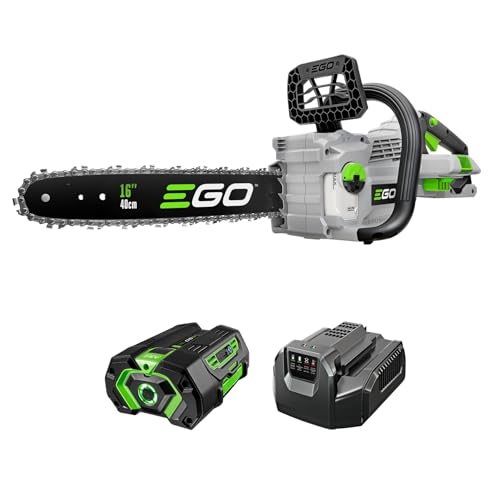
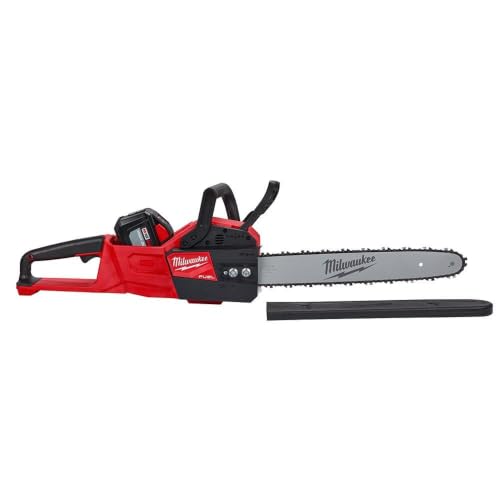
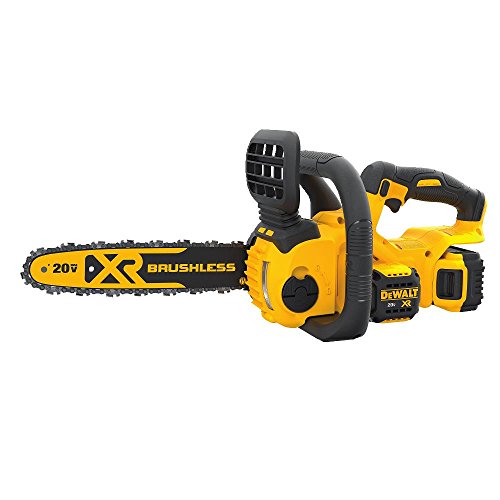
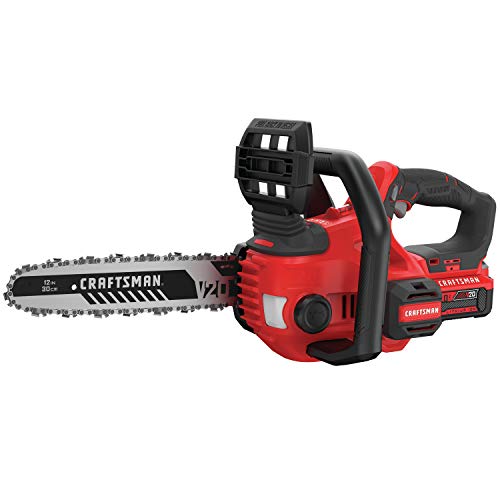
Learning how to use a cordless chainsaw starts with the battery. Charge it fully before you begin, and keep a spare charged if you have a big job. Battery saws start instantly, so always engage the chain brake and keep your finger off the trigger when inserting or removing the battery.
For gas saws, use fresh fuel. Most chainsaws use two stroke engines that need oil mixed into gasoline at the ratio in the manual. Mix fuel in an approved container, refuel on bare ground away from the cutting area with the engine off and cool, and wipe up spills before starting.
Both types need bar and chain oil. Fill the oil reservoir every time you refuel or charge, because a dry chain overheats and wears out fast.
Step 3: Inspect the tool before each use
Check the chain tension. A properly tensioned chain should sit snugly against the bar but still pull around by hand while wearing gloves, with the engine off or the battery removed. Make sure the chain is sharp; a dull chain makes fine dust instead of chips and forces you to push harder.
Test the chain brake by pushing the front hand guard forward. Inspect the bar for burrs or damage, confirm the chain catcher is in place and check that all handles and guards are secure. Make sure the oiler is working by holding the running saw over a light surface and watching for a fine line of oil.
Step 4: Start it the right way
Start the saw on the ground, never by drop starting it in the air. With the chain brake engaged, place the saw on firm, level ground, put your right foot through the rear handle and hold the front handle firmly with your left hand. For gas saws, set the choke, prime if needed and pull the starter cord with short, sharp pulls. Release the choke once the engine fires.
Battery saws are simpler: insert the battery, press the safety lockout and squeeze the trigger. Always disengage the chain brake only when you are ready to cut, while gripping the saw with both hands.
Step 5: Use proper technique and stance
Hold the saw firmly with both hands, thumbs wrapped around the handles. Stand with your feet shoulder width apart, weight balanced, and position your body slightly to the side of the cutting line rather than directly behind it. Keep the saw below shoulder height and never overreach.
Bring the chain to full speed before touching the wood, then let the saw cut with light pressure. When bucking logs, support the log so the cut opens as you go, and use top and bottom cuts to avoid pinching. Keep the upper tip of the bar clear of wood and other objects to prevent kickback. When limbing, work from the base of the tree toward the top, keeping the trunk between you and the saw where possible.
Watch the kerf as you cut. If it starts to close, the wood is pinching the bar; stop, switch off the saw and use a plastic felling wedge to open the cut before freeing the bar. Never try to yank a pinched saw out while the chain is running.
Step 6: Shut down, cool down and clean
Engage the chain brake whenever you move more than a couple of steps, and switch off the saw when carrying it. When you are finished, turn off the engine or remove the battery and let the saw cool.
Clean sawdust and debris from the bar groove, chain, sprocket area and air vents. Check the chain for damage and sharpen it if needed, so it is ready for next time.
Remove the bar every so often to clean the groove and the oil holes, and flip it over to spread wear evenly. A clean bar and sprocket keep the chain running smoothly and help the oiler deliver lubrication where it is needed.
Step 7: Store it correctly
Fit the bar cover and store the saw in a dry place out of reach of children. Remove the battery from cordless saws and store batteries indoors at room temperature. For gas saws that will sit for more than a month, add fuel stabilizer or run the tank dry, following the manual. Hang or shelf the saw so the bar is protected.
Pro Tips for Better Results
Keep your chain sharp. A sharp chain pulls itself into the wood, produces large chips and cuts quickly with little effort. Touch up the cutters with a round file every few tanks of fuel or charges, or whenever the saw starts making fine dust. A sharp chain is also safer, because you do not need to force it.
Check tension often, especially with a new chain. Chains stretch as they warm up and wear in, so stop and adjust tension during long sessions. Loosen it slightly after cutting, as a hot chain tightens as it cools.
Use a sawbuck or log stand when cutting firewood. Raising logs to waist height makes cutting more comfortable, keeps the chain out of the dirt and reduces pinching.
Plan every cut. Look at how the wood is supported and where tension and compression are, then decide where to cut so the kerf opens rather than closes on the bar. For tree work and felling, our guide to the best chainsaw for trees covers saws suited to bigger cuts.
Match the saw to the job. Light battery saws are excellent for pruning, storm cleanup and firewood, while larger gas saws suit felling big trees. Homeowners comparing options can start with our guide to the best chainsaw for homeowners.
Common Mistakes to Avoid
Cutting with the bar's upper tip is the most common cause of kickback. Keep the tip clear and use the lower part of the bar for most cuts.
Skipping protective gear, especially chaps and eye protection, turns minor slips into serious injuries. Wear full gear even for quick jobs.
Cutting above shoulder height or one handed reduces control dramatically. Keep a firm two handed grip and use a pole saw or ladder free method for high limbs.
Running a dull or loose chain forces you to push, overheats the bar and increases the risk of the chain jumping off. Sharpen and tension regularly.
Forgetting bar oil quickly ruins the bar and chain. Check the oil each time you refuel or swap batteries.
Finally, never cut while standing on a ladder or in a tree. Falls combined with a running chainsaw are extremely dangerous. For high limbs, use a pole saw from the ground or hire a professional with the right equipment and training.
Frequently Asked Questions
How often should I use a chainsaw?
Use a chainsaw whenever you have cutting work, such as storm cleanup, pruning or firewood, but run gas saws at least every few weeks or store them with stabilized fuel. Sharpen the chain every few hours of use and check tension during each session. Regular light use keeps the saw in good working order.
Can beginners use a chainsaw safely?
Yes, if they start small and follow safety rules. Beginners should wear full protective gear, choose a lightweight saw with a short bar and a chain brake, read the manual and practice on logs supported on a sawhorse. Avoid felling trees or cutting above shoulder height until you have plenty of experience.
Final Thoughts
Knowing how to use a chainsaw safely comes down to good preparation, the right gear and careful technique: inspect the saw, start it on the ground, hold it with both hands, keep the tip clear and maintain a sharp, well oiled chain. Follow these steps and you can tackle firewood and storm cleanup with confidence. If you are still choosing a saw, see our picks for the best chainsaw and our guide on how much does a chainsaw cost.


