
Best Log Splitters in 2026: Our Top 3 Picks Reviewed
Disclosure: We may earn a commission when you buy through links on this page, at no extra cost to you. As an Amazon Associate I earn from qualifying purchases. Learn more

The best log splitter picks from Champion, BILT HARD and Kindling Cracker, compared on tonnage, cycle time and safety, plus a buying guide.
Splitting firewood by hand has a certain charm for the first dozen rounds. After that, it is hard work that leaves your back sore, your hands blistered and your woodpile growing far slower than you hoped. If you heat with wood, run a fire pit every weekend or just cleared a few trees after a storm, a log splitter turns hours of swinging a maul into a steady, safe routine. The challenge is choosing the right one, because splitters range from simple cast iron kindling tools to towable gas machines with 40 tons of hydraulic force. Finding the best log splitter means matching splitting force, power source and log capacity to the wood you actually burn, and to how much of it you need each year.
To build this list, we compared current models sold on Amazon by their published specs, the patterns in verified owner reviews, expert reviewer consensus and the value each splitter offers for its price. Three tools stood out as the best log splitter choices for different needs: the Champion 27 Ton gas splitter as the best overall for serious home firewood production, the BILT HARD 40 Ton gas splitter as the premium pick for large woodlots and tough hardwood, and the Kindling Cracker King XL as the best value for safe, simple kindling.



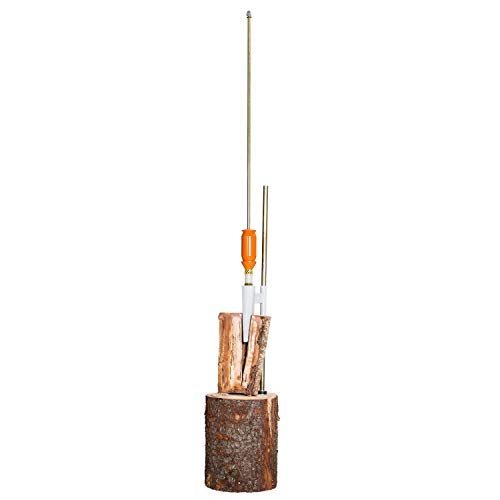

Our Top 3 Picks at a Glance
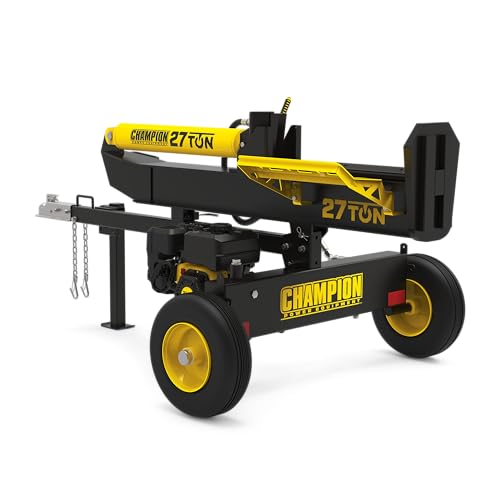
- Best Overall: Champion 27-Ton Gas Log Splitter, Vertical/Horizontal with Auto Return (around $1,980). A 224cc Champion engine, a 16 second cycle time, vertical and horizontal operation and highway towing.
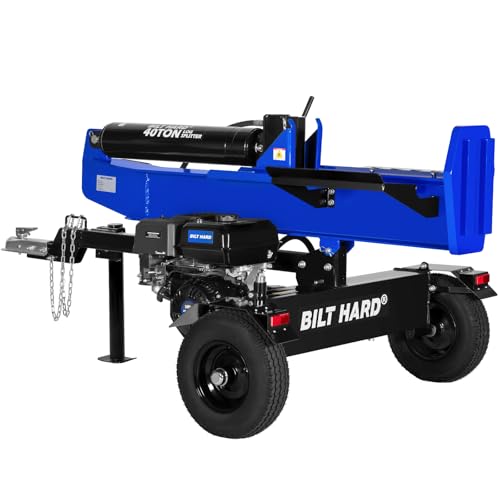
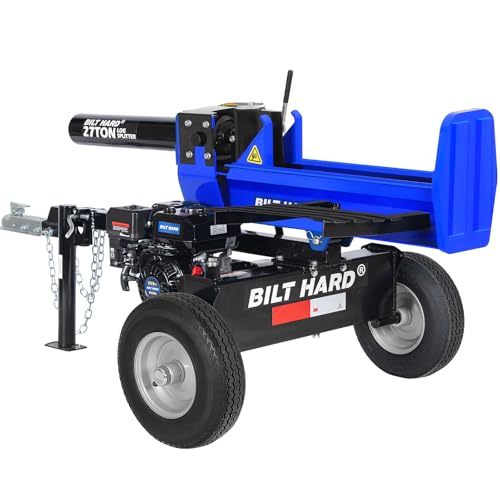
- Best Premium Pick: BILT HARD 40-Ton Gas Log Splitter with Auto Return (around $1,900). A 389cc engine, an 8 inch wedge, a 14 GPM two stage pump and 40 tons of force for the biggest rounds.
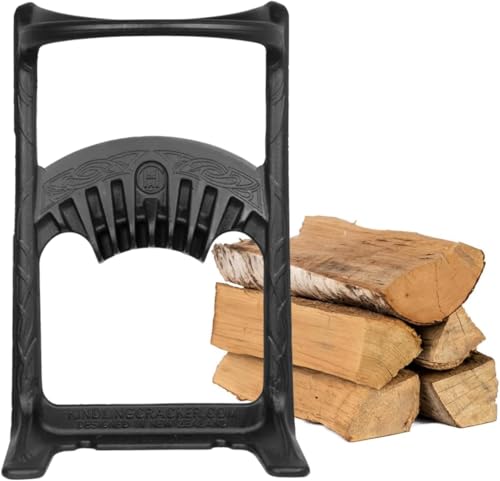
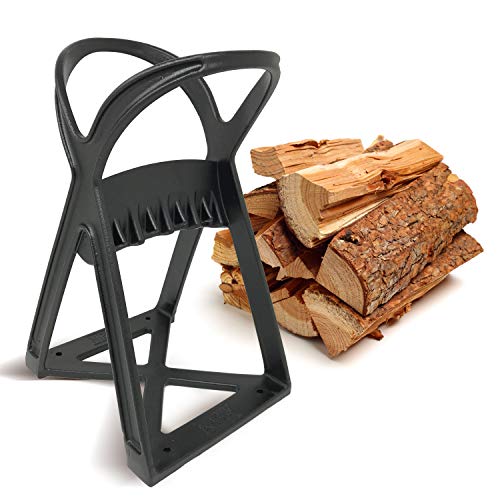
- Best Value: Kindling Cracker King XL Firewood Kindling Splitter (around $110). A one piece cast iron splitter with a 9 inch safety ring that turns kindling prep into a safe, quick job.
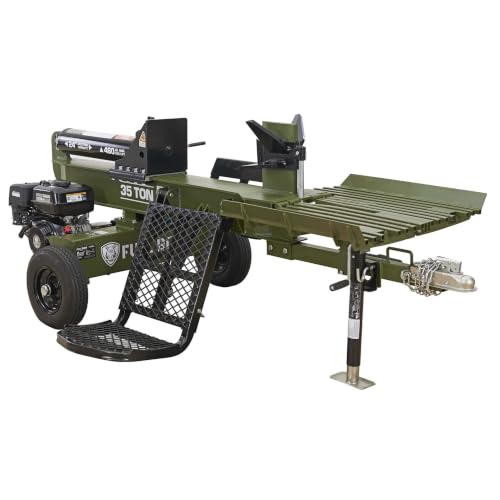
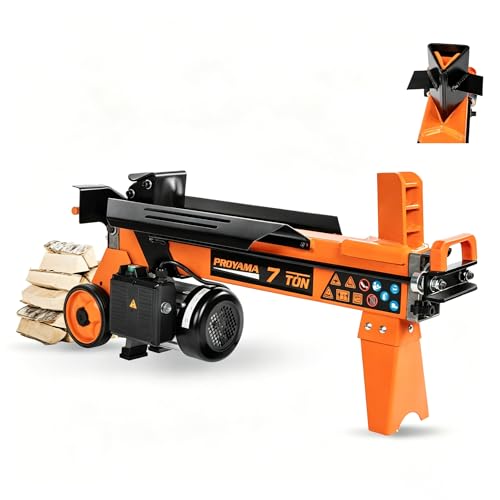
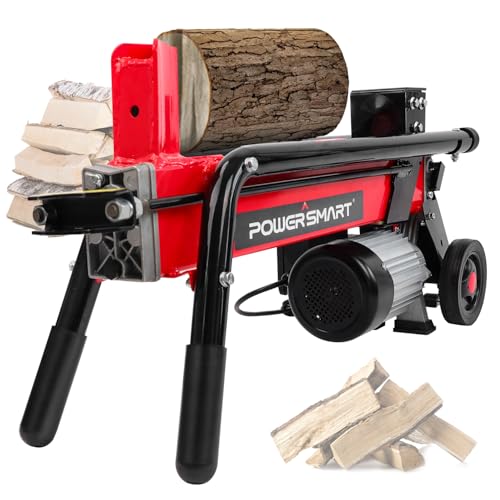
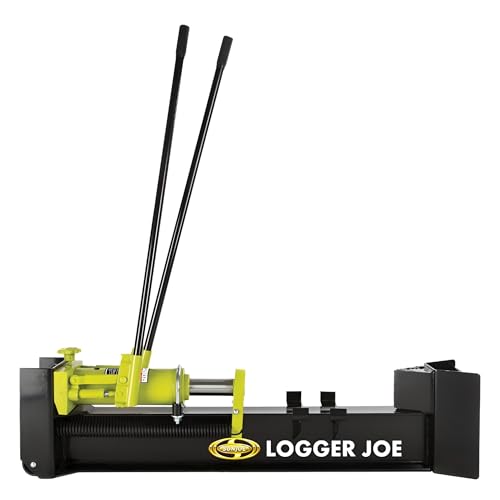
The product table above also lists strong alternatives, from the Full Boar 35 Ton and SuperHandy 25 Ton gas splitters to quiet electric splitters from YARDMAX, PROYAMA and PowerSmart, plus manual options such as the Sun Joe hydraulic splitter and the LOGSAFE Swedish splitter.
The best log splitter for someone who burns a cord or two a year is not the same as the right machine for a homestead that heats entirely with wood. Think about how much wood you split, the diameter and type of your logs, and where you will work before you choose. Our guide on what size log splitter do i need walks through the tonnage question in detail.
How We Chose the Best Log Splitter
We started with splitting performance: tonnage, cycle time, wedge design and how each machine handles knotty hardwood rounds as well as straight grained softwood. A splitter that stalls on oak or takes forever to return the ram slows the whole job down.
We then weighed owner feedback on Amazon, trusting models with consistent comments about reliability, ease of assembly and long term durability. For large gas splitters, where the number of reviews is naturally smaller than for small tools, we looked closely at the details owners report after a full season of use. Price against features came next, including engine size, pump capacity, horizontal and vertical operation, towing and warranty. Finally, every pick had to be a current model that is in stock and buyable on amazon.com right now.
Safety was a priority throughout. We favored designs that keep hands away from the wedge, two handed or auto return controls on hydraulic machines and stable frames that do not tip when loaded with heavy rounds.
Log Splitter Reviews
1. Champion 27-Ton Gas Log Splitter, Vertical/Horizontal with Auto Return: Best Overall
- 27 tons of splitting force
- 224cc Champion single cylinder OHV engine
- Converts from horizontal to vertical in seconds
- 16 second cycle time with a dependable auto return valve, over 220 cycles per hour
- Towable up to 45 mph with an extended tongue, 2 inch ball hitch coupler and 16 inch tires
- 2 year limited warranty with free lifetime technical support
Why We Picked It
For homeowners who split several cords a year, 27 tons is the sweet spot. It has enough force to handle most hardwood rounds, including tough, knotty pieces that would stall a small electric splitter, without the cost and bulk of the largest commercial machines. The Champion 27 Ton pairs that force with a reliable 224cc Champion engine, a name many homeowners already know from generators and other outdoor equipment.
Speed matters when you have a big pile to work through. The 16 second cycle time and auto return valve let you split continuously, with Champion rating it at more than 220 cycles per hour. Auto return means the ram retracts on its own after each split, so you can reposition the next piece while the machine resets instead of holding the lever the whole time.
Its ability to convert from horizontal to vertical in seconds is a real back saver. In horizontal mode, you lift logs onto the beam and work at a comfortable height. In vertical mode, you can roll heavy rounds into place and split them without lifting them at all, which is exactly what you want for large trunk sections. An expanded operator area gives you more room to work safely.
The splitter is also built to move. It tows behind a truck, ATV or UTV at up to 45 mph thanks to an extended tongue, a 2 inch ball coupler and 16 inch tires, so you can take it to the woodlot instead of hauling every round to the driveway. Champion backs it with a 2 year limited warranty and free lifetime technical support. Owner reviews are still relatively few for this listing, but the feature set and brand support make it our top pick.
For most homeowners, it strikes the right balance between capability and cost. It handles most of what a typical woodlot produces, keeps a steady pace thanks to auto return and switches to vertical mode for the occasional monster round.
Pros
- Enough force for most hardwood
- Fast 16 second cycle with auto return
- Horizontal and vertical operation
- Towable with ATV/UTV friendly hitch
Cons
- Expensive
- Gas engine needs regular maintenance
Who Should Buy It
The Champion 27 Ton is ideal for homeowners who heat with wood or split several cords each year and want a dependable, towable machine. At around $1,980, it is the best durable log splitter for serious firewood production at home.

2. BILT HARD 40-Ton Gas Log Splitter with Auto Return: Best Premium Pick
- 40 tons of splitting force
- 389cc, 13 HP single cylinder OHV engine with 16.96 ft lb of torque
- Horizontal and vertical operation
- 8 inch hardened steel wedge, logs up to 24 inches long
- 16 second cycle time
- 7 gallon hydraulic system with a 14 GPM two stage pump, hydraulic and engine oil included
- Towable up to 45 mph with 16 inch DOT tires and a 2 inch ball coupler
Why We Picked It
Some wood simply refuses to split. Large elm, gnarly oak crotches and twisted rounds from storm damaged trees can defeat a 20 or 27 ton machine. For those jobs, the BILT HARD 40 Ton brings serious force. Its 389cc, 13 HP engine produces 16.96 ft lb of torque and drives a 40 ton hydraulic system that powers through the toughest hardwoods without hesitation.
The rest of the machine is built to match. An 8 inch hardened steel wedge splits logs up to 24 inches long, and a 14 GPM two stage pump with a 7 gallon hydraulic reservoir keeps the action smooth and cycle times at around 16 seconds. Hydraulic and engine oil are included, so you can start splitting soon after assembly.
Like our top pick, it converts between horizontal and vertical modes. Vertical operation is especially valuable at 40 tons, because the rounds that need this much force are usually too heavy to lift comfortably. You can roll them into place and let the machine do the work, which greatly reduces back strain during long sessions.
It is towable at up to 45 mph with 16 inch DOT certified tires and a 2 inch ball coupler, making it practical for large properties and woodlots. It costs about the same as the Champion, but it is bigger, heavier and more than most homeowners need.
Pros
- 40 tons for the toughest wood
- Large 389cc engine and 14 GPM pump
- Vertical mode for huge rounds
- Oils included
Cons
- Large and heavy
- More power than many homes need
Who Should Buy It
The BILT HARD 40 Ton suits people with large woodlots, tough hardwood and big seasonal workloads. At around $1,900, it is a premium splitter for the heaviest jobs. For more heavy hitters, see our guide to the best log splitter for heavy duty use.

3. Kindling Cracker King XL Firewood Kindling Splitter: Best Value
- One solid piece of cast iron with no welds, joints or moving parts
- 9 inch inside diameter safety ring
- 17 inch tall frame for longer pieces
- Fixed wedge: place the log and strike the top with a mallet or hammer
- No blade to sharpen and no maintenance
Why We Picked It
Not everyone needs a hydraulic machine. If you mostly need kindling for a wood stove, fireplace or fire pit, the Kindling Cracker King XL is the safest and simplest tool we found. It was invented by a teenager in New Zealand after her mother injured her hand with a splitting axe, and the design reflects that origin: a cast iron safety ring surrounds a fixed wedge, so your hands stay well away from the blade.
Using it could not be easier. Place a piece of wood inside the 9 inch ring, strike the top with a mallet, hammer or even another log, and the fixed wedge splits it. It takes far less force than an axe, so older users and beginners can make kindling safely. The XL size accepts logs nearly 40 percent larger than the original Kindling Cracker, and its 17 inch tall frame leaves plenty of room for longer pieces.
The whole tool is a single piece of cast iron with no welds, joints or moving parts, which means there is nothing to wear out and no blade to sharpen. It is the kind of tool that can last for generations, and its huge base of owner reviews reflects how well it works.
It is not designed for full size rounds, so it complements rather than replaces a log splitter or maul.
Pros
- Very safe, hands stay away from the wedge
- Easy for seniors and beginners
- No maintenance, built to last
- Compact and quiet
Cons
- Only for kindling and small pieces
- Needs a mallet or hammer
Who Should Buy It
The Kindling Cracker King XL is perfect for wood stove and fireplace owners, campers and anyone who wants safe kindling without swinging an axe. At around $110, it is the best compact log splitter for small jobs and a smart companion to a bigger machine.

Who Should Buy a Log Splitter (and Who Should Not)
A log splitter is a smart buy for anyone who burns a lot of wood. If you heat your home with a wood stove, split several cords each fall or regularly clear trees from your property, a hydraulic splitter saves enormous time and physical strain. It also makes splitting safer for people who are not comfortable swinging an axe or maul, and it lets older homeowners keep processing their own firewood. Our guide to the best log splitter for homeowners covers models sized for typical suburban and rural use.
Electric splitters are a great fit for homeowners who split smaller amounts near the house or garage. They are quiet, clean and easy to start, which makes them the best quiet log splitter option for neighborhoods. Gas splitters suit bigger workloads and remote woodlots, while manual and kindling splitters work well for occasional fire pit users.
A log splitter is not for everyone. If you only burn a few bundles of store bought firewood each year, the cost and storage space are hard to justify. People with very small amounts to split may be better served by a good maul or a kindling splitter. If you are on the fence, read is a log splitter worth it for a full breakdown.
How to Choose the Best Log Splitter
These are the factors that matter most when you compare splitters. Getting them right ensures you buy enough machine without paying for capacity you will never use.
Splitting Force (Tons)
Tonnage measures how hard the ram pushes the log into the wedge. Electric splitters of 5 to 7 tons handle small to medium softwood and seasoned hardwood. Around 20 to 27 tons covers most home firewood, including larger hardwood rounds. 30 tons and above suits big, knotty or green hardwood and heavy seasonal use. As a rule, harder, larger and greener wood needs more force.
Wood species makes a big difference. Pine, poplar and other softwoods split easily, while oak, hickory and especially elm or gum can be stubborn because of their twisted grain. If your firewood comes from a mix of species, err on the side of more tonnage so the machine never struggles.
Electric vs Gas vs Manual
Electric splitters are quiet, low maintenance and ideal near an outlet, but they top out at lower tonnage. Gas splitters offer the most power and work anywhere, though they are loud and need engine care. Manual hydraulic splitters and kindling splitters are cheap and simple, best for light use. There are few true battery powered splitters, so most buyers choose electric for quiet operation.
Log Length and Diameter Capacity
Check the maximum log length, often 18 to 26 inches, and match it to your stove or fireplace. Large diameter rounds are easier to handle with a vertical capable splitter, since you do not have to lift them onto the beam.
Cycle Time
Cycle time is how long the ram takes to extend and return. Faster cycles, around 10 to 16 seconds on gas machines, mean more splits per hour. Auto return valves speed things up further by retracting the ram automatically.
Horizontal vs Vertical
Horizontal splitters keep logs at a comfortable working height but require lifting each piece onto the beam. Vertical operation lets you roll heavy rounds into place without lifting. Convertible models give you both, which is ideal if you split a mix of log sizes.
Working height also affects comfort. A horizontal beam that sits around knee to waist height reduces bending, while vertical mode lets you sit on a stool and roll rounds into place. Try to set up your work area so split wood falls onto a pallet or into a cart rather than onto the ground.
Portability and Wheels
Electric splitters often have small wheels for rolling around the garage or patio. Gas splitters with highway or ATV towing let you take the machine to the wood. Check the hitch size and tire rating if you plan to tow on roads.
Weight is the other side of portability. Small electric splitters can be lifted into a car trunk by two people, while gas splitters weigh several hundred pounds. If you will move the machine around a large property, wheels and a sturdy tongue matter more than a few extra tons of force.
Safety Controls
Look for two handed controls on electric models, which keep both hands away from the wedge, and clear operator areas on gas splitters. Always wear eye protection, gloves and sturdy boots, keep bystanders back and never place hands near the wedge while the ram is moving.
Finally, think about storage. Gas splitters take up a lot of space and should be covered when not in use, while electric and kindling splitters fit easily in a garage or shed.
FAQs About Log Splitters
How long does a log splitter last?
A well maintained log splitter can last many years, often 10 or more. Gas splitters last longest when you change the engine oil, keep hydraulic fluid clean and store them under cover. Electric splitters have fewer parts to maintain, and cast iron kindling splitters can last for generations because they have no moving parts.
Is a log splitter worth the money?
For people who split several cords a year, yes. A splitter saves hours of hard labor, reduces injury risk and speeds up firewood prep dramatically. Occasional fire pit users may find a kindling splitter or a good maul is enough, and some prefer to rent a large splitter for a weekend.
How much should I spend on a log splitter?
Kindling splitters cost around $30 to $120. Electric splitters usually run around $300 to $500, while gas splitters for home use cost around $900 to $2,000. Large commercial splitters cost more. Match the budget to the amount and type of wood you split.
How do I maintain a log splitter?
Check hydraulic fluid levels and look for leaks before each use. On gas models, change the engine oil, clean the air filter and use fresh fuel. Grease moving parts and keep the beam clean. Store the splitter under cover, and drain or stabilize fuel before long storage.
Final Verdict
The Champion 27 Ton gas splitter is the best log splitter for most serious firewood users, combining enough force for hardwood, a fast 16 second cycle, vertical operation and highway towing. If you face huge, knotty rounds or a big woodlot, the BILT HARD 40 Ton delivers extra force. For safe, simple kindling, the Kindling Cracker King XL is outstanding value. Prices change often, so check today's price on Amazon before you buy.


