
Best Chainsaws in 2026: Our Top 3 Picks Reviewed
Disclosure: We may earn a commission when you buy through links on this page, at no extra cost to you. As an Amazon Associate we earn from qualifying purchases. Learn more

Our best chainsaw picks for storm cleanup and firewood, from a Milwaukee M18 FUEL cordless kit to a 59.8cc ECHO gas saw.
A storm drops a big limb across the driveway, the woodpile is running low before winter, or an overgrown tree line finally needs taming. Those are the moments when a handsaw feels hopeless and you start shopping for the best chainsaw. The choice is harder than it looks. Battery saws now rival small gas engines, gas saws range from light homeowner models to near professional machines, and bar length, weight and safety features all change how a saw feels in your hands. Pick too little saw and you fight every cut. Pick too much and you carry around a heavy, loud tool that is tiring and harder to control.
To build this list, we compared published specs, the depth of verified owner feedback on Amazon, expert opinions and price against value, and kept only current models that are in stock and sold new. The result is three clear picks: the Milwaukee M18 FUEL 16 inch cordless kit for gas like power without gas, the ECHO CS-590 Timber Wolf for heavy firewood and felling, and the EGO POWER+ CS1613 as the best value cordless saw for most homeowners.



Our Top 3 Picks at a Glance
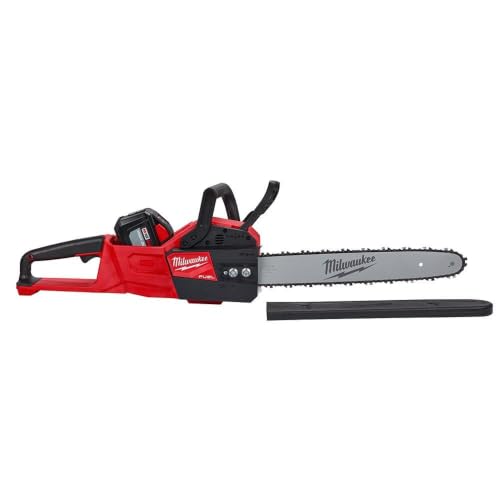
- Best Overall: Milwaukee M18 FUEL 16 Inch Cordless Chainsaw Kit 2727-21HD (around $500). Cordless convenience with cutting speed that keeps up with a small gas saw, plus access to the large M18 battery system.
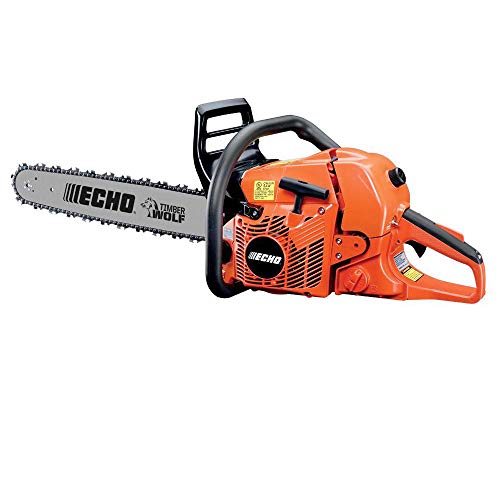
- Runner Up: ECHO CS-590 Timber Wolf 20 Inch Gas Chainsaw (around $460). A 59.8cc engine and a 20 inch bar handle big rounds of firewood and medium to large trees.
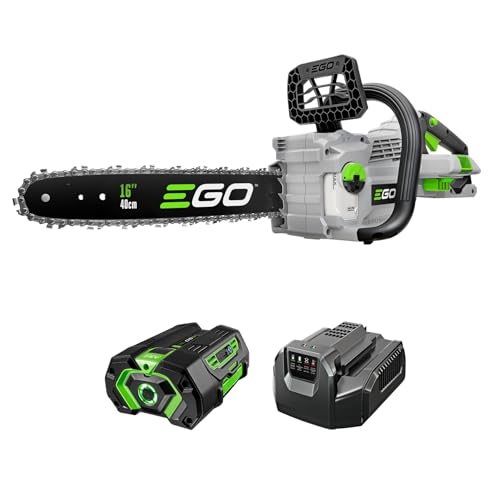
- Best Value: EGO POWER+ CS1613 16 Inch 56V Cordless Chainsaw (around $300). Power the company rates as equal to a 40cc gas saw, tool free tensioning and a 4.0Ah battery and charger in the box.
Each pick fits a different owner. The Milwaukee suits people who want one cordless saw strong enough for nearly any yard job. The ECHO is for owners who cut a lot of wood and want the endurance of gas. The EGO gives most homeowners a quiet, capable saw at a friendlier price. In other words, the best chainsaw for you depends far more on your wood and your property than on any single spec.
How We Chose the Best Chainsaw
We focused first on cutting performance for real homeowner tasks: storm cleanup, limbing, bucking firewood and occasional felling. Owner feedback came next, with more weight on saws that are well reviewed by a large base of buyers over time, since reliability matters as much as raw speed. Price against features mattered too, including what comes in the box, such as batteries and chargers.
Build quality, safety features and warranty support carried real weight, along with weight and balance, because a saw you can control is a safer saw. The best chainsaw on paper means little if it is hard to handle safely. Finally, every model in our table had to be a current version that is in stock and sold new on amazon.com, so you are not tracking down a discontinued saw after the next windstorm.
Chainsaw Reviews
1. Milwaukee M18 FUEL 16-Inch Cordless Chainsaw (2727-21HD): Best Overall
- Platform: Milwaukee M18 FUEL cordless system
- Bar length: 16 inches
- Kit: the 2727-21HD ships with a high output M18 battery and charger; the 2727-20 is the bare tool version
- Ecosystem: shares batteries with a large lineup of M18 tools
- Start: trigger start with no pull cord, choke or warm up
Why We Picked It
Pros and homeowners who want gas power without gas keep landing on the same saw, and it is easy to see why. The M18 FUEL chainsaw is built to cut with the speed and authority people expect from a small gas machine, but it starts instantly with a trigger pull. There is no mixing fuel, no flooded carburetor on a cold morning and no stale gas to deal with after the saw sits for months between storms.
That last point matters for most households. A chainsaw often goes unused for long stretches, then gets pressed into service on short notice when a tree comes down. Gas saws are notorious for refusing to start after a season in the shed. A battery saw simply needs a charged pack. The 16 inch bar is long enough for most storm cleanup and firewood rounds, yet short enough to stay balanced and manageable for people who are not professional cutters.
The kit version pairs the saw with a high capacity M18 battery and a charger, so you can get to work right away. If you already own Milwaukee M18 tools, the bare tool 2727-20 lets you skip the battery and save money. Either way, the M18 platform is one of the deepest cordless lineups on the market, so the same packs can run drills, impact drivers, blowers and string trimmers.
Noise is another real benefit. Battery saws are far quieter than gas, which makes early morning cleanup less of a neighborhood event. Many owners also appreciate that there is no exhaust to breathe while cutting.
Pros
- Gas like cutting speed for a cordless saw
- Instant start with low noise and no fumes
- Excellent build quality from a professional tool brand
- Battery works across a huge range of M18 tools
Cons
- Heavy once the large battery is attached
- Expensive as a kit if you do not already own M18 batteries
- Runtime depends on battery size, so big jobs need a spare pack
Who Should Buy It
Buy the Milwaukee if you want a cordless saw that can handle serious yard work, from storm cleanup to cutting a winter's worth of firewood, without the hassle of gas. It is especially attractive if you already use M18 tools. At around $500 for the kit, it is an investment, but it removes nearly every reason people dislike owning a chainsaw.
2. ECHO CS-590 Timber Wolf 20-Inch Gas Chainsaw: Runner Up
- Engine: 59.8cc two stroke gas engine
- Bar length: 20 inches
- Model: CS-590-20AA Timber Wolf
- Fuel: mixed gas and two stroke oil
- Support: wide parts availability, from bars and chains to filters and carburetor kits
Why We Picked It
For heavy firewood cutting and felling medium to large trees, battery saws still have limits, and that is where the ECHO CS-590 Timber Wolf earns its place. A 59.8cc engine is a big step above the 40cc class most homeowner saws use, and it pulls a 20 inch bar through thick hardwood rounds with confidence. If you heat with wood, manage a wooded lot or regularly deal with large fallen trees, that extra displacement saves real time and effort.
The Timber Wolf has a long reputation as a saw that sits between homeowner and professional models. It gives you much of the power of a pro saw at a price closer to a mid range consumer model. Because it has been around for years, replacement parts are easy to find. A quick look at what is sold for it shows bars, chains, air filters, carburetor kits and chain brake handles, which means the saw can be kept running for a long time instead of being thrown away when a part wears out.
The tradeoffs are the usual gas tradeoffs. It is louder than any battery saw, so hearing protection is a must, and it weighs more than a 16 inch cordless model. You also need to mix fuel, keep it fresh and do basic maintenance like cleaning the air filter and checking the spark plug. For people who cut often, those chores are a fair price for the endurance of gas, since you can refuel in seconds and keep cutting all day.
Pros
- Huge power for the price from a 59.8cc engine
- 20 inch bar handles big rounds and medium to large trees
- Proven reliability and a long track record
- Parts are widely available, which supports a long service life
Cons
- Heavy compared with cordless saws
- Loud; requires hearing protection
- Needs mixed fuel and regular engine upkeep
Who Should Buy It
Pick the ECHO if you cut firewood every year, own acreage with trees, or want a saw that can take on big storm damage without running out of battery. It is also a natural step up for anyone who has outgrown a small 40cc saw. At around $460, it is a lot of saw for the money.
3. EGO POWER+ CS1613 16-Inch 56V Cordless Chainsaw: Best Value
- Power: brushless motor rated equal to a 40cc gas chainsaw, chain speed up to 20 m/s
- Battery: 56V ARC Lithium 4.0Ah battery and charger included
- Bar and chain: 16 inch bar, 3/8 inch pitch, 0.043 inch gauge, 56 drive links
- Runtime: up to 130 cuts on a 4x4 with the included battery
- Tensioning: tool free chain tensioning with a dial
- Weather: IPX4 weather resistant construction
Why We Picked It
The CS1613 is the best all round cordless saw for homeowners on a budget. EGO rates its brushless motor as equal to a 40cc gas saw, which is the class most homeowners would otherwise buy, and the chain moves at up to 20 meters per second for clean, quick cuts through branches, softwood and hardwood. With the included 4.0Ah battery, EGO says you can make up to 130 cuts through a 4x4, more than enough for typical storm cleanup or a pile of limbs.
Ease of use is where it really shines. Tool free tensioning means you twist a dial to tighten the chain instead of reaching for a wrench, which makes it far more likely that you keep the chain properly adjusted. Push button start removes the pull cord entirely, and the low profile dial design lets you cut flush to the ground. IPX4 weather resistance adds peace of mind when you are cleaning up after a rainy storm.
The EGO 56V platform is another plus. The same batteries run EGO mowers, string trimmers, blowers and snow blowers, so buying into the system with a chainsaw can make sense for a whole yard of tools. That shared ecosystem is a big reason the brand has become so popular with homeowners.
Pros
- Powerful and smooth, rated equal to a 40cc gas saw
- Quiet with push button start
- Tool free tensioning and IPX4 weather resistance
- Large EGO tool ecosystem shares the same battery
Cons
- Battery adds weight compared with a bare saw
- Extra 56V batteries are pricey
- Not built for all day felling of large trees
Who Should Buy It
The CS1613 is for homeowners who need a dependable saw for pruning, storm cleanup and a modest firewood pile, and who value quiet, simple operation. It is also a great first chainsaw, and for many buyers it will be the best chainsaw value they can find. At around $300 with a battery and charger, it delivers the most usable saw for the money on this list.
Who Should Buy a Chainsaw (and Who Should Not)
A chainsaw is worth owning if you have trees on your property, heat with wood, or live where storms regularly bring down limbs. Cutting your own firewood can save a lot of money each winter, and clearing a fallen tree yourself avoids waiting days for a tree service after a big storm. Homeowners with large lots, rural properties or wooded edges will use one regularly. Our guide to the best chainsaw for homeowners focuses on lighter, easier saws for this group.
If your main jobs involve felling or trimming standing trees, you will want the right bar length and power for the wood you cut. Our roundup of the best chainsaw for trees goes deeper on felling and limbing.
It also helps to be honest about how often the saw will run. Someone who cuts four cords of firewood every fall needs a very different machine from someone who clears a few branches after spring storms. The best chainsaw for a weekend woodcutter is usually a gas saw or a high voltage battery saw with spare packs. For occasional cleanup, a compact cordless model is lighter, safer and much easier to store.
On the other hand, a chainsaw is not for everyone. If you only need to trim a few small branches a year, loppers, a pruning saw or a pole saw are safer and cheaper. Very large trees, trees near power lines or houses, and any job that requires climbing should go to a professional arborist. People who are not comfortable with powerful tools, or who cannot commit to wearing proper safety gear every time, should think twice. Chaps, eye and hearing protection, gloves and sturdy boots are part of the real cost of ownership.
How to Choose the Best Chainsaw
Shopping for the best chainsaw starts with a short list of jobs. Write down the thickest wood you expect to cut, how many hours a year you will run the saw and whether you have other cordless tools already. Those three answers decide most of what follows, from bar length to power source.
The right saw depends on what you cut, how often you cut and how much weight and noise you are willing to handle. If you keep asking what is the best chainsaw for your property, these factors will narrow it down quickly.
Bar Length and Cutting Capacity
Bar length sets the maximum log diameter you can cut comfortably. As a rule of thumb, a bar should be a couple of inches longer than the wood you cut most often. A 12 to 14 inch bar suits pruning and small limbs. A 16 inch bar covers most storm cleanup and firewood. An 18 to 20 inch bar handles larger trees and big rounds. Longer bars add weight and kickback risk, so do not oversize. If you are unsure, our guide on what size chainsaw do i need walks through it.
Gas vs Battery vs Corded
Gas saws offer the most power and unlimited runtime with a quick refuel, which makes them best for heavy, frequent cutting. Battery saws start instantly, run quietly, need little maintenance and are now strong enough for most homeowner work. Corded electric saws are light and cheap but tie you to an outlet and an extension cord, so they suit small yards near the house. For most suburban owners, a battery chainsaw is the easiest choice.
Engine Size or Battery Voltage
Gas saws are measured in cubic centimeters. Around 40cc is typical for homeowner saws, 50 to 60cc steps into heavy firewood duty, and larger engines are for professional felling. Battery saws are usually labeled by voltage and often by a gas equivalent, such as the EGO rating of 40cc. Higher voltage platforms and brushless motors generally deliver more torque under load.
Weight and Balance
A lighter saw is easier to control and less tiring, which makes it safer, especially for overhead or extended work. Balance matters as much as weight: a saw that feels nose heavy will wear out your arms. Remember that battery saws gain weight with large packs, while gas saws gain weight with a full tank. If you can, compare listed weights with the battery or fuel included.
Chain Brake and Safety Features
Every saw on our list has a chain brake, which stops the chain quickly during kickback. Look also for low kickback chains, a chain catcher, a throttle lockout and comfortable anti vibration handles. Inertia activated brakes, like those on Husqvarna Rancher saws, engage automatically during a sudden kick. Good safety features do not replace protective gear, but they reduce the odds of a serious injury. Even the best chainsaw can bite back if it is used carelessly, so learn proper stance, grip the saw firmly with both hands and never cut above shoulder height.
Tool Free Tensioning
Chains stretch as they warm up and wear, so you need to adjust tension often. Tool free systems let you do this with a dial or knob instead of a wrench and screwdriver, which encourages regular checks. That is a big reason saws with this feature often feel like the best easy to use chainsaw options for beginners. Professionals sometimes prefer traditional tensioners for their simplicity, but most homeowners will appreciate the convenience.
Runtime and Battery Ecosystem
Battery runtime depends on capacity, wood hardness and chain sharpness. A 4.0Ah to 5.0Ah pack covers typical cleanup, while firewood cutting may call for a larger pack or a spare. Before buying, look at what other tools run on the same battery. Staying in one ecosystem, such as Milwaukee M18 or EGO 56V, saves money over time. For a full breakdown of prices across saws and batteries, see our guide on how much does a chainsaw cost.
FAQs About Chainsaws
How long does a chainsaw last?
A well maintained gas chainsaw can last many years, and quality pro grade models often run for a decade or more with replacement parts. Battery saws have fewer moving parts and can last just as long, though batteries gradually lose capacity and eventually need replacing. Keeping the chain sharp, cleaning the saw after use and storing it properly all extend its life.
Is a chainsaw worth the money?
Yes, if you have trees, cut firewood or face regular storm cleanup. One tree service visit to remove a fallen tree can cost as much as a good saw. Cutting your own firewood also saves money each season. If you only trim a few small branches a year, a pruning saw or a rented chainsaw may be the smarter option.
How much should I spend on a chainsaw?
Expect around $200 to $300 for a capable battery saw with a battery, or a light gas saw. Mid range gas saws and strong cordless kits run roughly $400 to $500, while heavy duty 60cc class gas saws and pro models cost more. Spend more if you cut often, and remember to budget for safety gear and a spare chain.
How do I maintain a chainsaw?
Keep the chain sharp and correctly tensioned, and check bar oil before every use. Clean sawdust from the bar groove, sprocket area and air filter after each session. For gas saws, use fresh, properly mixed fuel and drain or stabilize it before storage. Flip the bar occasionally for even wear, and replace worn chains rather than forcing a dull one.
Final Verdict
For most people, the Milwaukee M18 FUEL 16 inch kit is the best chainsaw on our list, combining near gas cutting speed with instant starts and a huge battery ecosystem. If you cut a lot of firewood or fell larger trees, the ECHO CS-590 Timber Wolf delivers serious gas power for the money and is the best durable chainsaw choice here. Homeowners who want a quiet, capable saw at a lower price should grab the EGO POWER+ CS1613. Match the saw to the wood you cut, gear up properly, and check today's price on Amazon before the next storm.