
How to Use a Log Splitter: Simple Steps, Tips and Mistakes to Avoid
Disclosure: We may earn a commission when you buy through links on this page, at no extra cost to you. As an Amazon Associate I earn from qualifying purchases. Learn more

Learn how to use a log splitter safely: setup, gear, fluid checks, loading logs, splitting technique, cleanup, storage and key mistakes.
To use a log splitter, set it on firm, level ground, wear safety glasses, gloves and steel toe boots, check the hydraulic oil and engine oil or power cord, then place a log squarely against the end plate and run the ram slowly into it with one hand on the control and the other well clear. Let the wedge do the work, retract the ram and stack the split wood away from your feet. That is how to use a log splitter in a nutshell, and the guide below covers each step in more detail.
The process is similar for electric and gas hydraulic splitters, and manual hydraulic models follow the same safety rules. Below you will find safety prep, a seven step routine, pro tips for faster splitting and the mistakes that cause most injuries and breakdowns.


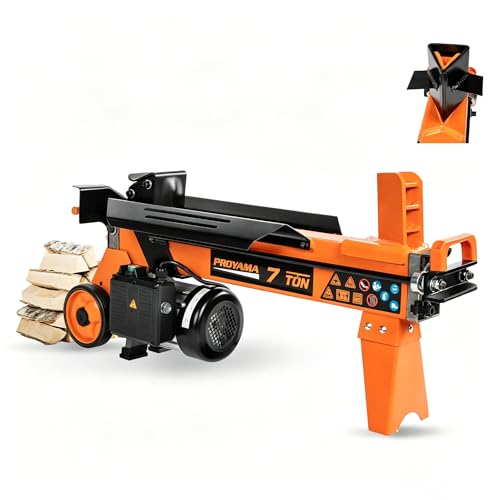
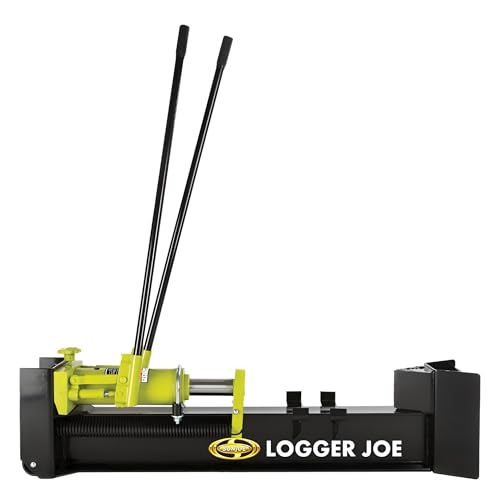
Before You Start: Safety and Prep
A wood splitter can deliver many tons of force, enough to crush fingers and hands in an instant. Most injuries happen when someone holds a log in place while the ram moves, has a helper working the controls or reaches in to clear a stuck piece. Good habits remove almost all of that risk.
Pick your work spot first. The splitter should sit on firm, level ground with the wheels chocked, away from slopes, loose gravel and soft soil. Leave room for a pile of rounds on one side and a stack of split firewood on the other, so you are not stepping over wood while you work. Gas splitters must run outdoors only, away from buildings, because the exhaust contains carbon monoxide.
Keep children, pets and bystanders at least 20 feet away, and never let anyone else operate the controls while you load. Only one person should handle the logs and the controls. Avoid working when you are tired, and take breaks often, since splitting is repetitive work that invites carelessness over time.
Check the size of your logs against the splitter's maximum length and diameter. Overly long or knotted rounds are better cut down with a chainsaw first. If you are still choosing a machine, our guide on what size log splitter do I need explains how tons of force match wood size and species.
How to Use a Log Splitter Step by Step
Follow this routine every time you split. It protects you and keeps the hydraulic system in good shape.
Step 1: Read the manual and wear safety gear
Read the manual before the first use. Learn where the control lever is, how the auto return works if your model has it, how to check hydraulic fluid and what log size the machine accepts. Two handed controls on some electric models are there for a reason, so never tape or wedge them.
Wear safety glasses or a face shield, heavy work gloves, long sleeves, long pants and steel toe boots. Hearing protection is a good idea with gas splitters. Avoid loose clothing, jewelry and long hanging cords that could catch on moving parts.
Step 2: Check fuel, oil or power supply
Most gas log splitters use four stroke engines, so fill the tank with fresh gasoline only, no oil mixing, and check the engine oil level on the dipstick. Refuel with the engine off and cool, on bare ground, and wipe up spills before starting.
Electric splitters need a grounded outlet on a circuit that can handle the motor. Use a short, heavy gauge outdoor extension cord only if the manual allows one, since a long, thin cord can starve the motor. Manual hydraulic splitters need no fuel or power, just a check of the hydraulic fluid.
Step 3: Inspect the tool before each use
Check the hydraulic fluid level and look for leaks around hoses, fittings and the cylinder. Inspect hoses for cracks or bulges, and never run your hand along a hose to find a leak, because pressurized fluid can pierce skin. Make sure the wedge is sharp, the beam is clean and every bolt is tight.
For towable models, confirm the hitch is secure and the tires hold air. Clear bark and chips from the beam and the log cradle.
On gas machines, take a quick look at the air filter and the spark plug wire as well. A clogged filter makes the engine labor, which slows the hydraulic pump and lengthens every stroke. Electric models need a glance at the power cord and plug for cuts, crushed spots or loose prongs.
Step 4: Start it the right way
With the control lever in neutral and the ram fully retracted, start the engine or switch on the motor. On gas models, use the choke as the manual describes and let the engine warm up for a minute or two. Hydraulic fluid works better once it is warm, especially in cold weather.
Run the ram through one full cycle with no log in place. Listen for unusual noises and watch for smooth movement and any leaks.
Step 5: Use proper technique and stance
Stand at the control side, never in line with the ram or the wedge. Place the log squarely against the end plate with the flat, cut ends facing the ram and wedge, so it cannot kick out sideways. Keep both hands off the log once the ram starts moving.
Work the control lever to drive the ram into the log. Let the wedge find natural cracks, and split larger rounds into halves, then quarters. If a log will not split after a full stroke, retract the ram, rotate the log and try a different spot. Stack split wood as you go so the area around your feet stays clear.
Step 6: Shut down, cool down and clean
Return the ram to the retracted position, set the lever to neutral and turn off the engine or motor. Let a gas engine cool before refueling or covering it. Brush bark, dirt and wood chips from the beam, wedge and cylinder.
Check again for leaks and wipe any fluid from fittings. Grease the beam or wedge guides if your manual calls for it.
Step 7: Store it correctly
Store the splitter in a dry shed or garage, or under a fitted cover if it stays outside. For gas models stored more than a month, add fuel stabilizer and run the engine for a few minutes, or drain the tank. Change the engine oil and hydraulic fluid on the schedule in the manual.
Leave the ram retracted to protect the cylinder rod from rust, and keep electric models unplugged with the cord coiled loosely.
Pro Tips for Better Results
A few habits make splitting faster and easier on both you and the machine. Organizing the work area is the biggest time saver of all: rounds within easy reach on one side, finished pieces landing in a cart or on a stack on the other, so you never bend over a messy pile.
- Split seasoned or frozen wood when you can. Many hardwoods split more easily once they have dried a little, and frozen rounds often pop apart quickly.
- Read the grain. Start at existing cracks and avoid driving the wedge straight into a big knot.
- Cut ends square. Square ends sit flat on the end plate and against the wedge, which keeps logs stable.
- Use a log cradle or table. It keeps split pieces from falling at your feet.
- Watch cycle time. A faster cycle splits more wood per hour, but never rush the loading step.
- Use a four way wedge for small wood. If your model has one, it turns rounds into kindling sized pieces quickly.
If you split a lot of firewood each winter, the best log splitter for heavy duty use covers high tonnage gas models, while the best log splitter for homeowners focuses on electric and compact machines.
Common Mistakes to Avoid
These errors cause most log splitter injuries and repairs.
- Holding the log while the ram moves. Position it, let go, then work the control.
- Two people running one splitter. One loads while the other works the lever is a recipe for crushed hands.
- Splitting logs at an angle. Uneven ends can make logs shoot out sideways.
- Overloading the machine. Forcing logs beyond the rated size strains the pump and cylinder.
- Ignoring hydraulic leaks. Low fluid causes weak, jerky strokes and can damage the pump.
- Running a gas splitter indoors. Exhaust in a garage or shed can be deadly.
- Leaving the machine running unattended. Shut it off whenever you step away, even for a minute, so nobody else can bump the lever.
- Towing too fast. Many towable splitters are rated only for low road speeds, so check the manual before pulling one behind a vehicle.
Frequently Asked Questions
How often should I use a log splitter?
Use a log splitter whenever you have rounds to process, usually in spring and fall when you prepare firewood for the next heating season. Splitting wood early gives it time to dry before winter. Short, regular sessions are safer than marathon days, because fatigue leads to careless loading.
Can beginners use a log splitter safely?
Yes. Beginners can use a log splitter safely by reading the manual, wearing gloves, eye protection and steel toe boots, and keeping hands clear of the log while the ram moves. Electric models are the easiest place to start because they are quieter and simpler to run. Start with small, straight rounds before moving to big or knotty logs.
Is a log splitter faster than splitting by hand?
For most people, yes. A hydraulic splitter handles tough, knotty rounds that would take many swings with a maul, and it is far easier on your back and shoulders. Our article on is a log splitter worth it compares the costs with hand splitting and buying split firewood.
Final Thoughts
Learning how to use a log splitter comes down to firm footing, the right safety gear, a quick inspection of fluid and hoses, and keeping your hands off the log while the ram moves. Clean the machine after each session and store it properly between seasons. When you are ready to buy or upgrade, see our picks for the best log splitter.


