
How Does a Wood Chipper Work? Everything You Need to Know (2026)
Disclosure: We may earn a commission when you buy through links on this page, at no extra cost to you. As an Amazon Associate I earn from qualifying purchases. Learn more

How does a wood chipper work? Blades, hammers, hoppers and reduction ratios explained, plus the main chipper types and who needs one.
A wood chipper works by feeding branches into a hopper, where a fast spinning disc or drum fitted with sharp blades slices them into small chips, then a fan or the rotor's momentum throws those chips out of a discharge chute or into a bag. A gas engine or an electric motor powers the cutting system, and the size of the opening and the strength of the motor decide how thick a branch it can take. That is the short answer to how does a wood chipper work.
The longer answer matters if you are thinking about buying or renting one. Knowing how the parts fit together helps you pick the right size, feed it safely and keep it running for years. Below we cover what a wood chipper is, how it works inside, what it is good for, the main types, the pros and cons and whether one makes sense for your yard.

What Is a Wood Chipper?
A wood chipper is a machine that turns branches, limbs and brush into small wood chips. Instead of dragging piles of trimmed branches to the curb or burning them, you feed them into the chipper and get a pile of chips you can use as mulch, compost material or path cover. The process shrinks bulky yard waste dramatically.
Home chippers come in two broad families. Pure chippers have a single feed chute and are designed for woody branches. A chipper shredder adds a second opening, usually a wide hopper on top, that feeds softer material like leaves, twigs and garden debris into a shredding mechanism. Most models sold for homeowners today are chipper shredders, and many brands call the small electric versions garden shredders.
Sizes range from compact 15 amp electric units that handle branches under two inches thick to towable gas machines that take six inch limbs. Commercial chippers used by tree services are much bigger still, with hydraulic feed rollers and engines measured in dozens of horsepower.
How Does a Wood Chipper Work?
Every chipper is built around the same handful of parts working together.
The power source. A gas engine or electric motor spins the cutting assembly. Home electric chippers typically use a 15 amp motor, while gas models commonly use engines around 7 to 15 horsepower. More power keeps the blades spinning at speed when a thick branch hits them.
The hopper and feed chute. This is the funnel where you insert material. Branch chutes are narrow and angled so wood meets the blades at the right angle and hands stay well away. On a chipper shredder, a wider top hopper takes leaves and small twigs.
The cutting system. Most home chippers use a heavy steel disc or flywheel with two or more blades bolted to it. As the disc spins, each blade shaves a slice off the end of the branch, the same way a hand plane shaves a board, only thousands of times a minute. Drum chippers use a rotating cylinder with blades instead. Many electric garden shredders use a rotating blade or cutting wheel that pulls branches in by itself.
The shredding hammers. In chipper shredders, the top hopper feeds into a chamber with free swinging hammers or flails. These smash leaves and soft debris into fine pieces rather than slicing them.
The discharge. Paddles on the disc or the rotor's own airflow blow the chips out through a discharge chute, into a collection bag or straight onto the ground. The result is measured by the reduction ratio. A 15:1 ratio means about 15 bags of raw yard waste shrink down to one bag of chips, and some small electric units advertise ratios around 21:1.
Put together, the process is simple: power spins the blades, you feed the material, the blades and hammers cut it down and the chips exit the machine.
What Is a Wood Chipper Used For?
If you are wondering what is a wood chipper used for beyond the obvious, the answer is any job that leaves you with more branches than you want to haul away. Here is how it helps in different situations.
Hedges & Bushes
Trimming hedges and shrubs produces thin, leafy cuttings in large volume. A small electric chipper shredder handles these easily and turns a mountain of trimmings into a few bags of mulch you can spread back under the same shrubs.
Large Yards
On bigger properties, fallen limbs and storm debris pile up fast. A gas chipper with a three inch or larger branch capacity lets you clear brush where it falls, often towing the machine behind a lawn tractor or ATV.
Leaf & Yard Cleanup
Chipper shredders with a top hopper or leaf vacuum attachment shred fall leaves along with small twigs. Shredded leaves break down much faster in a compost pile and make an excellent mulch for beds.
Small Yards
For a modest lot with a few trees and shrubs, a compact electric chipper is usually enough. It is quiet compared with gas, needs no fuel and stores in a corner of the garage.
Trees
After pruning or removing a small tree, a chipper converts the limbs into usable chips. Thick trunks are better cut into firewood, but branches within the machine's capacity disappear quickly.
Types of Wood Chippers
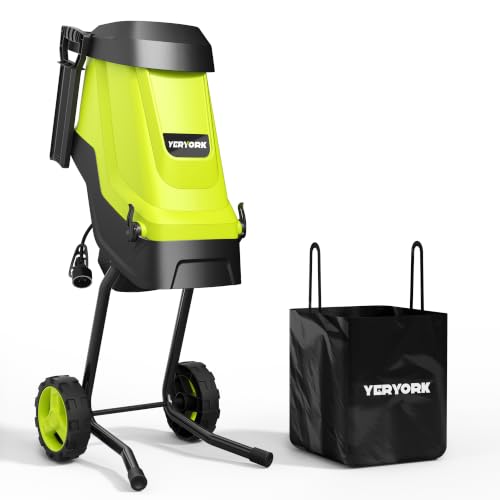
Electric chippers and garden shredders. These plug into a standard outlet, usually run on a 15 amp motor and handle branches up to roughly 1.7 to 1.8 inches. They are light, quiet enough for suburban yards and easy to maintain. The Yeryork and PowerSmart electric models in the product table are good examples.
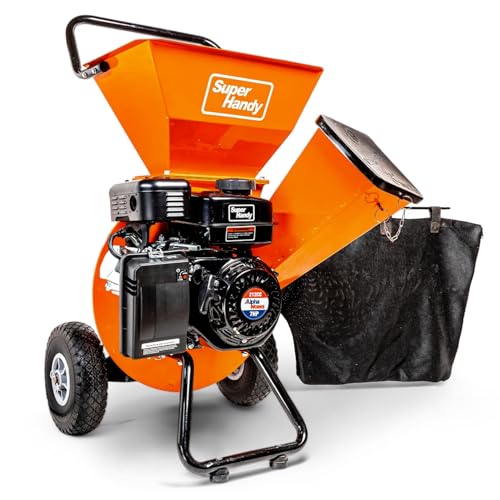
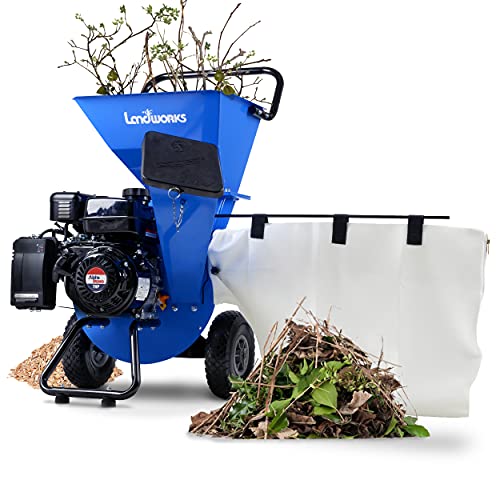
Gas chipper shredders. These use a small gas engine, often 7 HP and 212cc, and accept branches up to about three inches. Many are three in one machines that chip, shred and mulch, like the SuperHandy and Landworks models.
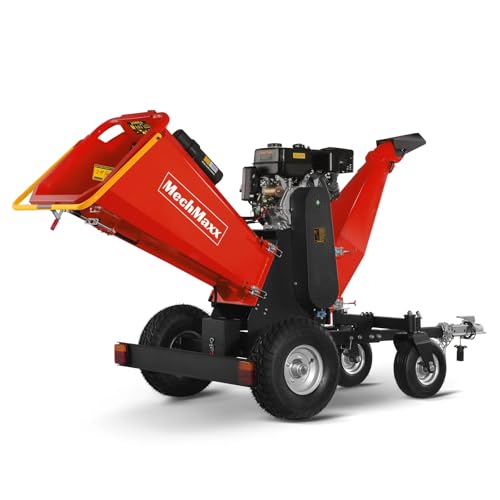
Heavy duty towable chippers. Larger gas machines with 10 to 15 HP engines handle branches up to six inches. They often have electric start, wheels and a tow bar for moving around rural property.
PTO chippers. These mount on a tractor's three point hitch and draw power from its power take off shaft. They suit farms and acreage owners who already have a compatible tractor.
Pros and Cons
The main advantages are clear. A chipper cuts yard waste volume dramatically, saves trips to the dump or curbside fees and turns debris into free mulch. It also removes brush piles that can harbor pests or become a fire hazard.
The drawbacks are real too. Gas models are loud and need engine maintenance, and blades need sharpening or replacing. Electric models are limited to thin branches. All chippers demand careful, safe operation, and the larger machines take up storage space and cost a fair amount.
- Pros: less waste volume, free mulch, faster cleanup, no burning or hauling
- Cons: noise, upfront cost, blade upkeep, safety risks, storage needs
Is a Wood Chipper Right for You?
A wood chipper makes sense if you regularly prune trees and hedges, live on a wooded lot, deal with storm debris or want a steady supply of mulch. If you only trim a few shrubs once a year, renting may be cheaper and simpler.
Match the machine to your branches. Most suburban yards are well served by an electric model, while rural properties and heavily wooded lots need a gas machine with three inch or bigger capacity. Our guide to the best wood chipper for trees covers models for larger limbs, and if you are still deciding, read is a wood chipper worth it for a cost breakdown.
Frequently Asked Questions
What is a wood chipper used for?
A wood chipper turns branches, limbs and brush into small wood chips. Homeowners use one after pruning trees, trimming hedges or cleaning up storm damage. The chips work well as mulch, compost material or a soft surface for garden paths, and the machine cuts the volume of yard waste you need to bag or haul.
How does a garden shredder work?
A garden shredder feeds twigs, cuttings and soft debris into a rotating blade or cutting wheel driven by an electric motor. Many models pull branches in on their own once they touch the blade. That is the basic answer to how does a garden shredder work: the material is cut or crushed into small pieces and dropped into a bag or bin.
What is a garden shredder used for?
Most people ask what is a garden shredder used for when they have lots of thin cuttings. It handles hedge trimmings, small branches, plant stalks and garden waste, producing material that composts quickly or can be spread as mulch. It suits small and medium yards where branches are rarely thicker than an inch or two.
Is a wood chipper worth buying?
A wood chipper is worth buying if you prune trees or hedges several times a year, have a wooded lot or pay to haul away yard waste. It saves money on disposal and gives you free mulch. For a single annual cleanup, renting is often the better value.
How long does a wood chipper last?
A well maintained home wood chipper can last many years. Electric models last as long as the motor and blades are cared for, and gas models last longer with regular oil changes, sharp blades and proper storage. Replacing or flipping blades on schedule is the single biggest factor in a long life.
Final Thoughts
Now you know how does a wood chipper work: a motor or engine spins blades and hammers that reduce branches and leaves to chips, which exit through a chute or into a bag. Pick a size that matches your branches and you will turn yard waste into useful mulch. When you are ready to buy, see our picks for the best wood chipper, compare the best wood chipper for heavy duty use for bigger jobs and check our guide on where to buy a wood chipper.


