How Does a Chainsaw Work: A Complete Guide for 2026
Disclosure: We may earn a commission when you buy through links on this page, at no extra cost to you. As an Amazon Associate I earn from qualifying purchases. Learn more

How does a chainsaw work? A plain English look at the engine, clutch, bar, chain and oiler, plus chainsaw types, uses, pros and cons.
A chainsaw works by spinning a loop of sharp cutting teeth around a guide bar at high speed. A gas engine or electric motor turns a drive sprocket, the sprocket pulls the chain along the bar, and each tooth shaves a small chip of wood as it passes, while an oiler keeps the chain lubricated. That is how does a chainsaw work answered in one breath, and the rest of this guide explains the parts behind it in plain English.
You will learn what a chainsaw is, how its engine, clutch, bar and chain work together, what people use one for, the main types, the pros and cons and how to decide whether you need one at all.


What Is a Chainsaw?
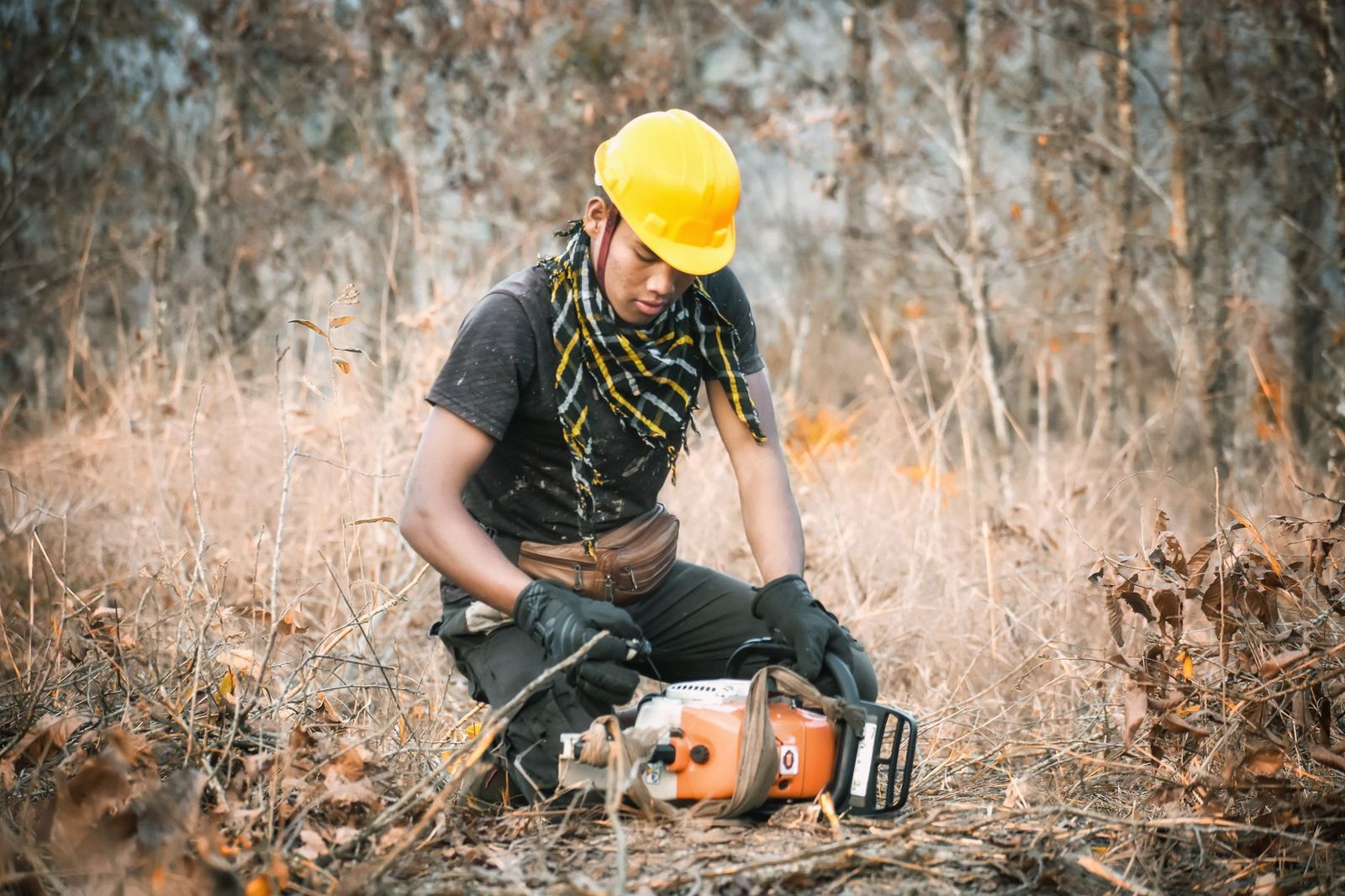
A chainsaw is a portable power saw that cuts with a chain of teeth running around a flat steel guide bar. It is built for wood: felling small trees, cutting logs into firewood, limbing fallen trunks and clearing storm debris. Professional arborists, loggers, farmers and homeowners all rely on them, though the size and power vary widely between a light yard saw and a heavy forestry model.
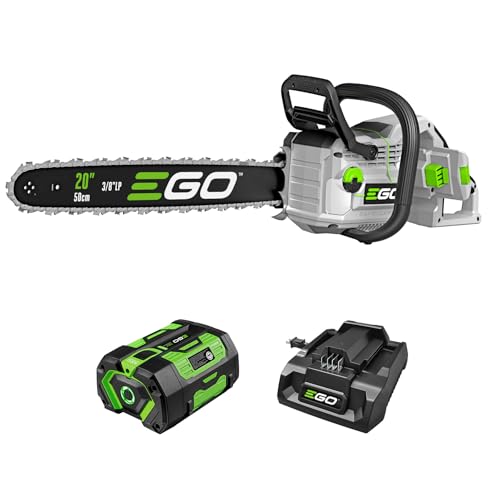
Every chainsaw has the same basic layout. The power head holds the engine or motor, the fuel or battery, the controls and the handles. The guide bar sticks out from the front, and the chain wraps around it. Bar length, usually somewhere between 6 and 20 inches for home models, roughly sets how thick a log the saw can handle comfortably.
Modern saws also carry several safety features. A chain brake stops the chain in a fraction of a second if the saw kicks back. A throttle lockout prevents accidental starts, a chain catcher grabs a broken or derailed chain, and a hand guard protects the front hand. Low kickback chains and bars are now standard on most consumer saws.
How Does a Chainsaw Work?
Several components work together every time you pull the trigger. Here is the sequence from power source to cut.
- Power source. On a gas chainsaw, a small two stroke engine burns a mix of gasoline and oil. On a battery chainsaw or corded model, an electric motor does the same job, often a brushless motor on newer tools.
- Clutch. Gas saws use a centrifugal clutch. At idle the clutch stays disengaged, so the chain does not move. When you squeeze the throttle and the engine speeds up, weights inside the clutch swing outward and lock onto the drum, which turns the drive sprocket. Electric saws simply start and stop the motor.
- Drive sprocket. The sprocket has teeth that mesh with the drive links on the underside of the chain, pulling it around the bar.
- Guide bar. The bar is a grooved steel rail. The drive links ride in the groove, and a nose sprocket at the tip helps the chain turn smoothly.
- Chain. The chain is a series of links riveted together. Cutting teeth alternate left and right, and each one has a small depth gauge in front of it that controls how big a chip the tooth can take.
- Oiler. A pump feeds bar and chain oil into the groove so the chain glides instead of overheating.
When everything runs, the chain moves fast enough that hundreds of teeth pass through the wood every second. Each tooth slices a thin chip, the depth gauge stops it from biting too deep, and the chips fly out the side. Correct chain tension keeps the links seated in the bar, while a sharp chain lets the saw pull itself through with very little pressure from you.
Chain tension is adjusted with a tensioning screw or a tool free knob on the side of the power head. A loose chain can jump off the bar, while one that is too tight wears the bar and drains power. Checking tension before every session, and again after the first few cuts with a new chain, keeps the whole system running smoothly.
Kickback is the main side effect of this design. If the upper quarter of the bar tip touches wood, the teeth can catch and throw the bar up and back toward the operator. That is why the chain brake and proper technique matter so much.
What Is a Chainsaw Used For?
So, what is a chainsaw used for around a typical home? Mostly jobs that involve wood too thick for loppers or a hand saw. Here are the most common tasks.
Firewood & Bucking
Cutting logs into stove length rounds, called bucking, is the most popular home use. A saw with a 14 to 18 inch bar handles most firewood rounds, and a battery chainsaw is quiet enough for regular weekend work near neighbors.
Storm & Yard Cleanup
After a storm, a chainsaw clears fallen limbs from driveways, lawns and fences in minutes. It also helps cut up overgrown shrubs with thick woody stems, old fence posts and landscaping timber. Smaller saws are ideal here because the work involves lots of short cuts.
Trees
Homeowners use chainsaws to prune large limbs, remove small trees and limb fallen trunks. Felling anything big, leaning or close to a house is a job for a professional arborist, since controlling where a tree falls takes training and experience.
Types of Chainsaws
There are four main types, and each suits a different user.
- Gas chainsaws. The most powerful option, with long bars and unlimited runtime as long as you have fuel. They suit large properties, heavy firewood cutting and rural land, but they are loud, heavier and need regular engine maintenance.
- Battery chainsaws. Cordless saws use rechargeable lithium packs and electric motors. They start instantly, run quietly, produce no fumes and need little upkeep. Larger battery platforms now handle serious firewood work.
- Corded electric chainsaws. Light, affordable and never short on runtime, but limited by the extension cord. They work well for small yards near an outlet.
- Specialty saws. Top handle saws for arborists, mini chainsaws for light pruning, and pole saws that put a small bar on a long shaft for overhead limbs.
Power is measured differently by type. Gas saws list engine displacement in cubic centimeters, while battery saws list voltage and battery capacity. Higher numbers generally mean more cutting power, but also more weight, so the right saw balances power with how long you can comfortably hold it.
Bar length is the other big choice. Our guide on what size chainsaw do I need explains how to match bar length to the wood you cut.
Pros and Cons
A chainsaw is a powerful tool, and it comes with real trade offs.
Pros
- Cuts thick wood far faster than any hand tool
- Portable, so you can work anywhere on your property
- Saves money on firewood and tree service calls
- Battery models are quiet and low maintenance
Cons
- Serious injury risk without protective gear and training
- Chains need regular sharpening, tension checks and oil
- Gas models are loud, heavy and need fuel mixing
- Not suited to large or dangerous trees
Is a Chainsaw Right for You?
A chainsaw makes sense if you burn wood, have trees on your property or regularly deal with storm damage. If you only trim a few small branches a year, a pruning saw, loppers or a pole saw may be all you need, and they are far safer.
Think honestly about how comfortable you are with power tools. A chainsaw rewards patience and good habits, and many local extension offices and equipment dealers offer basic safety classes that are well worth the time.
Budget matters too. Prices run from small corded models to professional gas saws, and you will need chaps, a helmet with face shield, gloves and boots on top. Our breakdown of how much does a chainsaw cost covers typical price ranges. Most homeowners are happiest with a 14 to 16 inch battery saw, which our guide to the best chainsaw for homeowners covers in depth.
Frequently Asked Questions
What is a chainsaw used for?
A chainsaw is used to cut wood that is too thick for hand tools. Common jobs include cutting firewood, clearing storm debris, limbing fallen trees, pruning large branches and removing small trees. Professionals also use them for logging, tree surgery and land clearing. They are not meant for metal, masonry or hedges.
How does a cordless chainsaw work?
Here is how does a cordless chainsaw work in short: a rechargeable lithium battery powers an electric motor that turns the drive sprocket directly, with no clutch or engine. When you press the trigger, the motor spins the chain around the bar, and an automatic oiler lubricates it. Releasing the trigger stops the motor, so there is no idling between cuts.
What is a cordless chainsaw used for?
Wondering what is a cordless chainsaw used for? It handles the same home jobs as a gas saw on a smaller scale: firewood, storm cleanup, pruning and small tree removal. It shines in suburban yards where noise matters and for users who want a saw that starts instantly and needs little maintenance.
Is a chainsaw worth buying?
A chainsaw is worth buying if you cut firewood, manage trees or face regular storm cleanup. One or two jobs a year can cost more in tree service fees than a good home saw. If you only trim small branches, a pruning saw or pole saw is cheaper and safer.
How long does a chainsaw last?
A well maintained chainsaw often lasts many years of home use. Gas saws last longest with fresh fuel, clean air filters and proper storage. Battery saws depend on motor quality and battery health. Chains and bars are wear parts, so expect to replace them over the life of the saw.
Final Thoughts
Now you know how does a chainsaw work: a motor or engine drives a sprocket, the sprocket pulls a toothed chain around an oiled bar, and each tooth takes a small chip of wood. Pick the type that fits your yard and always use the safety gear. When you are ready to buy, see our picks for the best chainsaw and the best chainsaw for trees.