How to Use a Pole Saw: Step by Step Guide for 2026
Disclosure: We may earn a commission when you buy through links on this page, at no extra cost to you. As an Amazon Associate I earn from qualifying purchases. Learn more

Learn how to use a pole saw safely: gear, inspection, starting, the three cut method, cleanup, storage and mistakes to avoid.
To use a pole saw, put on eye protection, a hard hat and gloves, extend the telescoping pole only as far as you need, and stand to the side of the branch rather than under it. Make a small undercut first, then finish with a top cut just outside the branch collar, letting the chain do the work at full speed. That is how to use a pole saw in short, and the steps below walk you through each stage so you can trim tree limbs safely from the ground.
The routine is almost the same for battery, corded, gas and manual models. Battery pole saws are the easiest to start and maintain, gas units add power for thick wood, and manual pole pruners are quiet and simple. This guide covers safety and prep, a seven step routine, pro tips for cleaner cuts and the mistakes that cause most problems.


Before You Start: Safety and Prep
A pole saw keeps your feet on the ground, which is far safer than climbing a ladder with a chainsaw. Still, you are cutting wood overhead, and falling branches are the biggest hazard. Plan every cut so the limb drops away from you, and never stand directly beneath the branch you are cutting.
Look up before you look down. Check for power lines, cables and anything that could snag the bar. Keep the tool and the branch at least 10 feet from any overhead line, and call your utility or a licensed arborist for limbs near wires. Then clear the ground below of toys, furniture, cars and anything you could trip over while backing away.
Keep children, pets and helpers well outside the drop zone, ideally at a distance of about twice the height of the branch. Avoid working in wind, rain or poor light, because wet bark and a moving canopy make it hard to predict where wood will fall. Finally, think about size. A pole saw is meant for small and medium tree limbs. Large trunks, dead trees and heavy limbs that hang over a roof are jobs for a professional.
How to Use a Pole Saw Step by Step
Follow these seven steps every time you trim. The checks take only a few minutes and prevent most accidents and breakdowns.
Step 1: Read the manual and wear safety gear
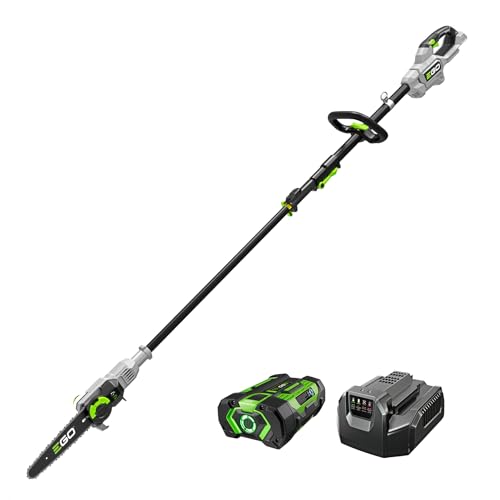
Start with the manual, even if you have used other saws. Learn how your model extends and locks, where the oil reservoir is, how the chain tension works and what bar length it carries. Pole saws vary a lot, from manual pruners with a hand saw blade to powered models with an 8 or 10 inch bar.
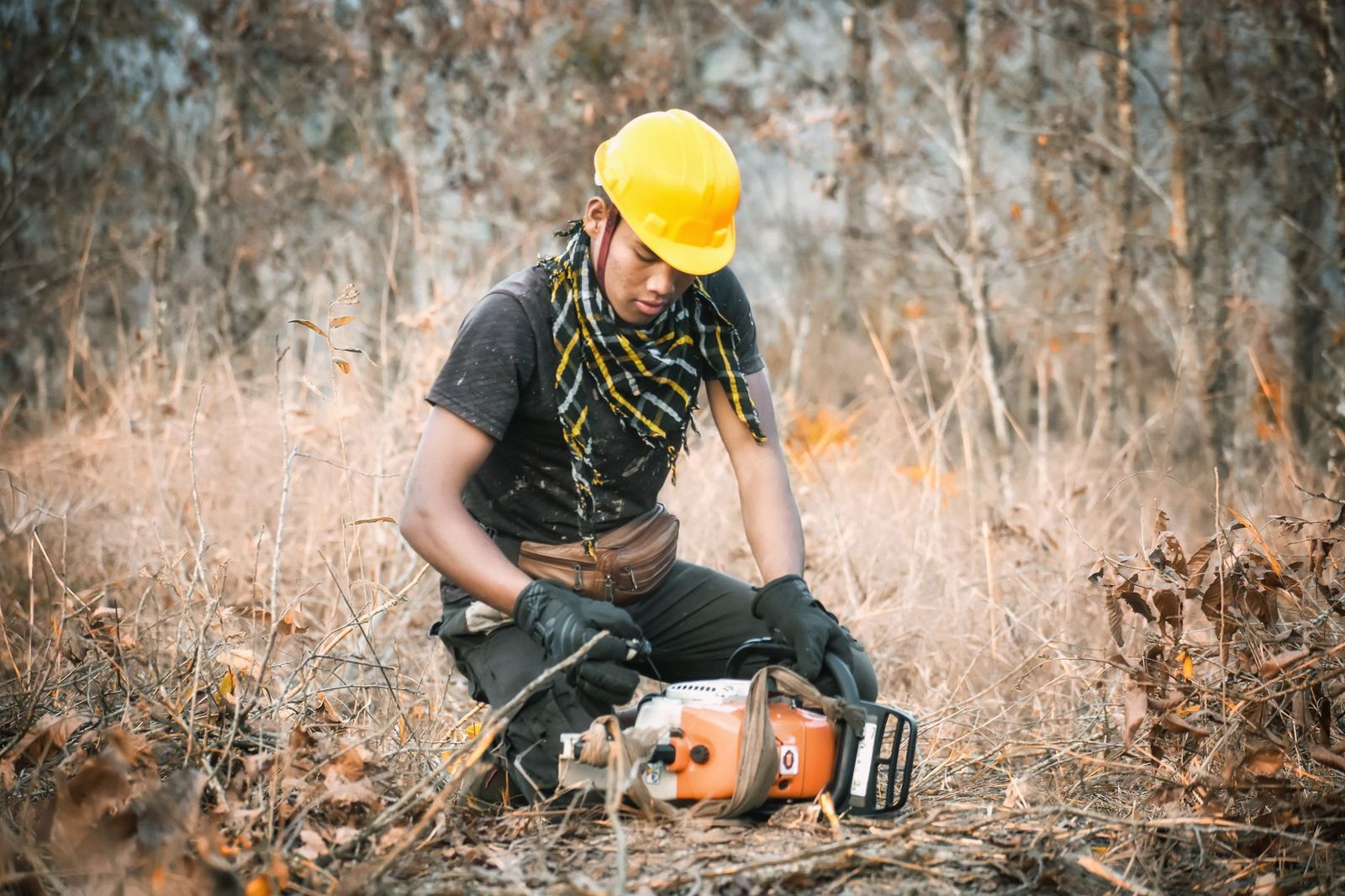
Wear safety glasses or a face shield, a hard hat, hearing protection for gas models, sturdy gloves and boots with good grip. Long sleeves and long pants protect you from sawdust, sap and falling twigs. Many powered pole saws include a shoulder strap, so use it to carry some of the weight.
Step 2: Charge batteries or mix fuel correctly
For a battery pole saw, charge the pack fully the night before and keep a spare charged if you have a lot of trimming to do. Let a hot battery cool before charging it again. For a gas model, mix fresh gasoline with two stroke oil at the exact ratio in the manual, using a dedicated fuel can.
Refuel on bare ground away from the work area, wipe up any spills and move at least 10 feet away before starting. Fuel that has sat for more than a month or so can cause hard starting, so mix only what you will use.
Step 3: Inspect the tool before each use
Check that the chain is sharp and correctly tensioned. It should sit snugly against the bar but still pull around by hand while wearing gloves. Fill the bar oil reservoir, since a dry chain overheats and dulls fast. Look over the bar for burrs, the sprocket for wear and the pole sections for cracks.
Extend the telescoping pole and confirm that every lock clicks or tightens firmly. A section that slips during a cut can throw the saw head off balance. On manual pruners, check the rope, pulley and blade bolts as well.
Step 4: Start it the right way
Start the saw on the ground with the pole retracted and the chain clear of anything. Battery models usually need a safety lockout pressed before the trigger works. Gas models follow the choke and primer sequence in the manual, with the saw resting flat and one foot or hand holding it steady.
Let the chain run for a few seconds and watch for oil spraying off the bar tip. If you see no oil, stop and fix the oiler before cutting. Only then extend the pole to the length you need.
Step 5: Use proper technique and stance
Stand with your feet shoulder width apart and keep the saw at an angle of about 60 degrees or less, with the branch to one side of you. Hold the pole with both hands, one on the rear handle and one on the shaft grip, and keep the motor end close to your hip for balance.
For any branch thicker than a couple of inches, use the three cut method. Make an undercut about a foot from the trunk, cutting a third of the way through. Next, make a top cut slightly farther out so the branch drops cleanly without tearing bark. Finally, trim the remaining stub just outside the branch collar. Rest the hook or bucking strip on the branch to steady the bar, start the chain before contact and let the saw pull itself through.
Step 6: Shut down, cool down and clean
Release the trigger and wait for the chain to stop before you lower the pole. Remove the battery or let a gas engine cool, then brush sawdust and sap from the bar, chain and motor housing. A soft brush and a rag work well, and a little cleaner removes sticky resin.
Wipe the pole sections so grit does not wear the locks, and check the chain tension again because a new chain stretches as it warms up.
Step 7: Store it correctly
Store the pole saw retracted, with a scabbard over the bar, in a dry place out of reach of children. Keep battery packs indoors at room temperature and partly charged for long breaks. For gas models stored longer than a month, run the tank dry or add fuel stabilizer.
Hang the tool on a wall rack or lay it flat on a shelf so the pole does not bend. A quick oil wipe on the chain prevents rust between seasons.
Pro Tips for Better Results
Good technique matters more than power. These habits help you trim faster and leave healthier trees.
- Prune at the right time. Late winter is ideal for most trees, because you can see the structure and the tree heals quickly in spring. Remove dead or broken limbs any time.
- Work from the bottom up. Clear lower limbs first so falling wood from higher cuts has a clear path.
- Shorten the pole when you can. The shorter the reach, the more control you have. Use full extension only for the highest branches.
- Cut big limbs in sections. Remove long branches piece by piece instead of dropping the whole thing at once.
- Keep the chain sharp. A sharp chain throws chips, while a dull one makes fine dust and forces you to push.
- Take breaks. Holding a pole overhead tires your arms and shoulders quickly, and fatigue leads to sloppy cuts.
If you are still choosing a tool, our guide to the best pole saw for backyards covers compact models that suit typical home trees.
Common Mistakes to Avoid
Most pole saw problems come from a handful of habits. Avoid these and the work becomes much safer.
- Standing under the branch. This is the most common and most dangerous mistake. Always cut from the side.
- Cutting flush with the trunk. Removing the branch collar slows healing and invites rot.
- Skipping the undercut. Heavy limbs cut only from the top tear and strip bark down the trunk.
- Forcing the saw. Pushing hard on a dull chain stalls the motor and can pinch the bar.
- Using a ladder. A pole saw is designed for ground use. Climbing with it is unstable and risky.
- Running the chain dry. Forgetting bar oil ruins chains and bars quickly.
Pole saws are also useful for clearing hanging deadwood and brittle tips. Our guide to the best pole saw for dead leaves looks at light models for that kind of cleanup work.
Frequently Asked Questions
How often should I use a pole saw?
Most homeowners use a pole saw once or twice a year for routine pruning, usually in late winter, plus whenever storms leave broken limbs behind. Light trimming every year keeps trees healthy and stops branches from growing too large to handle. Avoid removing more than about a quarter of a tree's canopy in a single season.
Can beginners use a pole saw safely?
Yes, beginners can use a pole saw safely if they wear protective gear, read the manual and stick to small and medium limbs. Start with branches you can reach without full extension, practice the three cut method and always stand to the side. Leave large limbs and anything near power lines to a professional arborist.
Is a pole saw better than a ladder and chainsaw?
For most home trimming, yes. A pole saw keeps both feet on the ground and lets you reach high branches without climbing, which removes the biggest risk of tree work. Wondering if the purchase pays off? Our article on is a pole saw worth it breaks down the costs and benefits.
Final Thoughts
Learning how to use a pole saw comes down to good prep, a quick inspection, a steady stance and the three cut method for heavier tree limbs. Stay out from under the branch, keep the chain sharp and oiled, and store the tool clean and dry. Ready to buy? See our picks for the best pole saw, or read where to buy a pole saw to compare retailers.