How to Clean a Chainsaw: Step by Step Guide for 2026
Disclosure: We may earn a commission when you buy through links on this page, at no extra cost to you. As an Amazon Associate I earn from qualifying purchases. Learn more
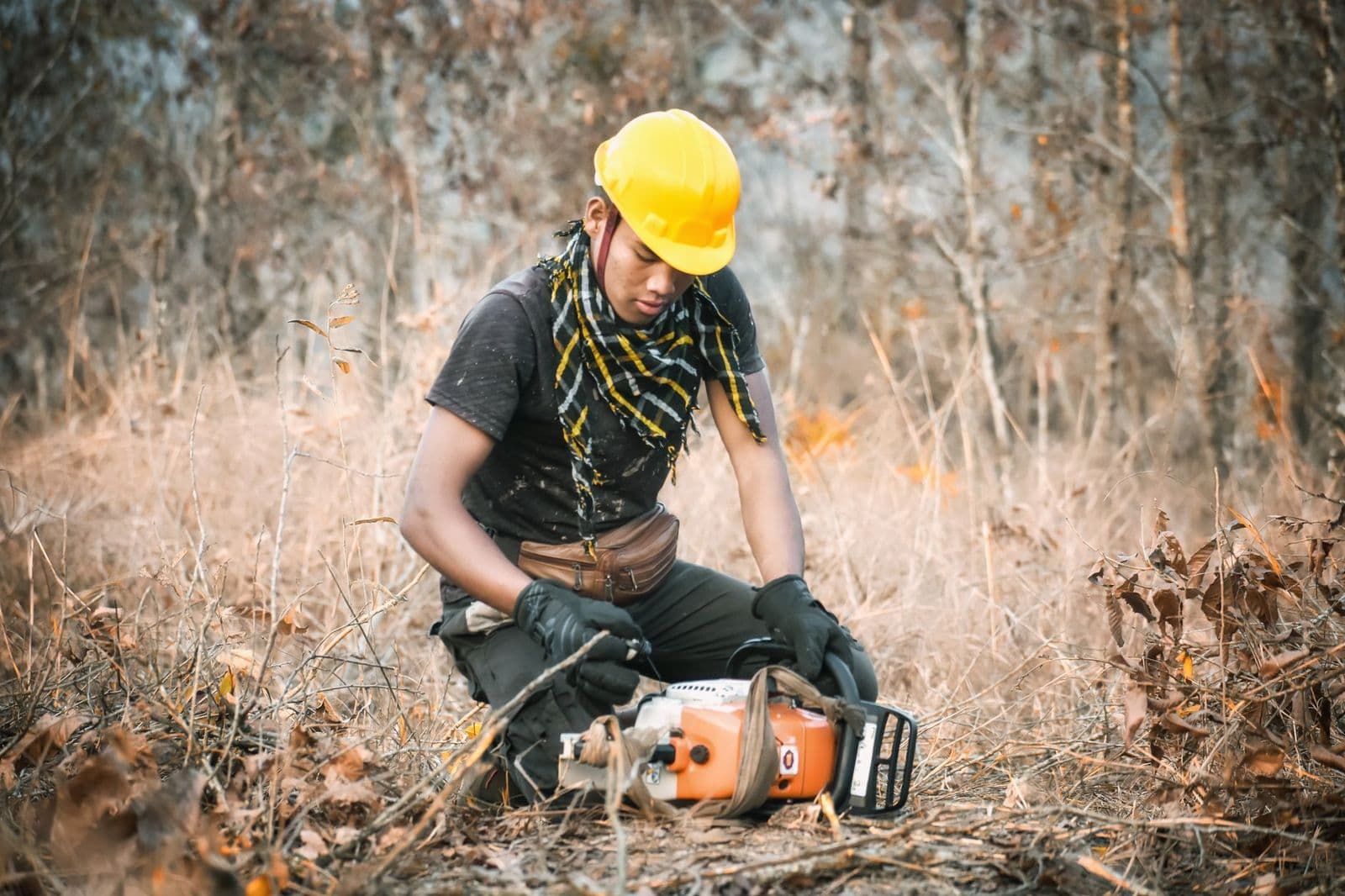
How to clean a chainsaw in about 15 minutes, plus a simple maintenance schedule for gas and battery saws and fixes for common problems.
To clean a chainsaw, switch it off and let it cool, remove the spark plug wire or battery, take off the side cover, bar and chain, then brush and scrape away sawdust, pitch and oily buildup from the bar groove, sprocket area, air intake and housing. Wipe everything down, check the chain and bar for wear, lubricate, and reassemble with the correct chain tension. That is the short answer to how to clean a chainsaw, and the whole routine takes about 15 to 20 minutes once you know it.
This guide walks through the full cleaning and maintenance routine for both gas and battery saws, with a simple schedule you can follow through the season, a list of fixes for the most common problems, and tips for storing your saw so it starts easily next time.
Why Regular Maintenance Matters
A chainsaw lives in a dirty world. Every cut throws sawdust, sap and bar oil into the clutch cover, the cooling fins and the air filter. Left alone, that mix hardens into a sticky paste that blocks oil flow to the bar, traps heat around the engine or motor, and makes the chain wear faster.
Clean saws are also safer saws. A clogged chain brake may not engage properly, a dull chain kicks back more easily, and a starved bar can overheat and bind in the cut. Knowing how to maintain a chainsaw pays off in faster cutting, lower fuel or battery use, fewer repair bills and a tool that lasts many more seasons of firewood and storm cleanup.
What You Need
You do not need a full workshop. Most of these items fit in a small toolbox next to your saw:
- Work gloves and safety glasses
- Scrench (the combination wrench and screwdriver that comes with most saws)
- Stiff nylon brush and an old toothbrush
- Plastic scraper or a thin putty knife for the bar groove
- Shop rags and a mild degreaser or warm soapy water
- Compressed air or a small air blower (optional)
- Round chain file, file guide and flat file for depth gauges
- Bar and chain oil, plus fresh fuel mix for gas saws
- A spare spark plug and air filter for gas models
How to Clean a Chainsaw and Maintain It Step by Step
Always start with the saw on a flat, stable surface. On a gas saw, let the engine cool and pull the spark plug boot. On a battery chainsaw, remove the battery before you touch the chain.
Step 1: Clean after every use
Engage the chain brake, then loosen the bar nuts and remove the side cover. Lift off the bar and chain. Brush out the sawdust packed around the sprocket, clutch drum and chain brake band, and scrape the inside of the side cover clean.
Next, clean the bar groove with a plastic scraper or the tip of a groove cleaner so the chain drive links sit properly and oil can reach the rails. Clear the small oil hole near the bar mount too, since a blocked hole is the most common reason a bar runs dry. Finally, wipe the housing and handles so you keep a firm, safe grip.
Step 2: Inspect blades, chains or lines
With the chain off, look closely at each cutter. Chipped, cracked or uneven teeth, loose rivets and stretched links are all reasons to replace the chain. Check the bar rails for burrs, uneven wear or a bluish tint that signals overheating. Roll the nose sprocket, if your bar has one, and make sure it turns freely.
Flip the bar over every few cleanings so it wears evenly on both sides. Also inspect the drive sprocket: if its teeth look hooked or grooved, it should be replaced along with the chain.
Step 3: Sharpen or replace cutting parts
A sharp chain throws thick chips. If yours makes fine dust or you have to push the saw through the cut, it needs sharpening. Use a round file of the size stamped on the chain, held at the angle marked on the file guide, and give each cutter the same number of strokes.
After a few sharpenings, lower the depth gauges slightly with a flat file and gauge tool. Replace the chain once the cutters are filed down to the wear mark or when damage cannot be filed out.
Step 4: Air filter, spark plug and fuel care (gas)
Remove the top cover and tap or brush the air filter clean. Many felt and nylon filters can be washed in warm soapy water, rinsed and dried fully before refitting. Replace any filter that is torn or permanently clogged.
Check the spark plug for heavy carbon or a worn electrode and swap it once a season. Use fresh fuel mixed at the ratio in your manual, and avoid fuel that has sat for more than about a month unless it contains a stabilizer. Brush out the cooling fins and starter screen so the engine does not overheat.
Step 5: Battery care (cordless)
If you are learning how to clean a cordless chainsaw, the process is simpler because there is no carburetor, plug or fuel. Wipe the motor housing and air vents with a dry brush, and keep water away from the battery port. Check the battery contacts for dirt or corrosion and wipe them with a dry cloth.
Charge batteries at room temperature, and avoid leaving them on a hot truck bed or in freezing sheds. Part of how to maintain a cordless chainsaw is simply storing the battery partly charged and topping it up before use.
Step 6: Lubrication points
Fill the bar oil reservoir every time you refuel or swap batteries. With the chain running briefly over a light surface, you should see a thin line of oil thrown from the tip. If you do not, clean the oil hole and check the oiler adjustment.
Put a few drops of grease into the nose sprocket hole if your bar has one, and add a drop of oil to the clutch needle bearing as recommended by the manual. Then reinstall the bar and chain, set the tension so the chain snaps back against the bar but still pulls freely by hand, and tighten the bar nuts.
Step 7: Off season storage
Before winter or a long break, clean the saw thoroughly. For gas saws, either run the tank dry or fill it with stabilized fuel, then run the engine for a minute so treated fuel reaches the carburetor. Drain the bar oil if the saw will sit for months, since some oils thicken over time.
Store the saw in a dry place with a scabbard over the bar. Keep batteries indoors at moderate temperature, ideally around half charged.
Maintenance Schedule (Daily, Monthly, Yearly)
Use this table as a simple checklist. Heavy users, such as people cutting several cords of firewood a season, should shorten the intervals.
| When | Task |
|---|---|
| Every use | Check chain tension and sharpness, fill bar oil, test the chain brake, brush off sawdust |
| After each session | Remove side cover, clean sprocket area, bar groove and oil hole, wipe housing |
| Weekly or every few tanks | Clean the air filter, flip the bar, sharpen the chain |
| Monthly | Inspect drive sprocket and bar rails, clean cooling fins, check battery contacts |
| Yearly | Replace spark plug, fuel filter and worn air filter; replace chain or sprocket as needed; professional service if performance drops |
Troubleshooting Common Problems
- Chain not oiling: the reservoir is empty, the bar oil hole is clogged, or the oil is too thick for cold weather. Clean the hole and refill.
- Saw cuts crooked: the cutters were sharpened unevenly or the bar rails are worn. Resharpen evenly and dress or replace the bar.
- Gas saw hard to start: stale fuel, a dirty air filter or a fouled spark plug are the usual causes. Start with fresh fuel and a clean filter.
- Chain keeps coming loose: a stretched chain or worn bar. Readjust tension often during the first uses of a new chain and replace it once stretching is excessive.
- Battery saw cuts out: the battery is overheating or the chain is too dull. Let the pack cool and sharpen the chain.
- Smoke from the bar: the chain is dry or too tight. Stop, check oil flow and loosen the tension slightly.
Frequently Asked Questions
How often should I clean a chainsaw?
Give it a quick clean after every use: brush off sawdust, check tension and wipe the housing. Remove the side cover and clean the bar groove, oil hole and sprocket area after each session or every few hours of cutting. Do a deeper clean with filter and plug checks monthly during busy periods, and always before storage.
Can I wash the filter or parts with water?
Many felt and nylon air filters can be washed in warm soapy water, as long as they dry completely before you refit them. Check your manual first, because some paper filters must be replaced instead. Never spray water into the engine, motor vents or battery port, and dry metal parts right away to prevent rust.
Final Thoughts
Learning how to clean a chainsaw takes one session, and the habit pays back every time you cut. Clean after every use, keep the chain sharp and oiled, look after the filter and plug or the battery, and store it properly for the off season. If your saw is worn out, see our picks for the best chainsaw, the best chainsaw for homeowners and the best chainsaw for trees, or check what size chainsaw do I need and how much does a chainsaw cost before you buy.