
How Much Does a Wood Chipper Cost in 2026? Real Price Ranges Explained
Disclosure: We may earn a commission when you buy through links on this page, at no extra cost to you. As an Amazon Associate I earn from qualifying purchases. Learn more

From $100 electric shredders to $2,000 towable machines: how much does a wood chipper cost, what drives the price and how to save.
A new wood chipper costs about $100 to $170 for a corded electric model, roughly $500 to $900 for a gas chipper shredder that takes three inch branches and around $1,200 to $2,500 for a heavy duty towable or tractor mounted machine. Where you land depends mostly on branch capacity and power source. That is the quick answer to how much does a wood chipper cost.
The sticker price is only part of the story, though. Blades, fuel, oil, extension cords and safety gear all add up, and the cheapest machine is not always the cheapest to own. This guide breaks down current price ranges, what drives them, the hidden costs and how to save money without buying something too small for your yard.
How Much Does a Wood Chipper Cost? Average Prices in 2026
Prices below reflect what current models sell for on Amazon right now, rounded to keep things simple. Use them as a planning range, since sales and seasonal discounts move them up and down.
| Tier | Typical type | Branch capacity | Price range |
|---|---|---|---|
| Entry level | Corded electric chipper shredder, 15 amp | About 1.7 to 1.8 in | Around $100 to $170 |
| Mid range | Gas chipper shredder, 7 HP, 212cc class | About 3 in | Around $500 to $900 |
| Premium | Heavy duty gas chipper, 10 to 15 HP, towable | 3 to 6 in | Around $1,200 to $2,200 |
| Tractor mounted | PTO chipper for a three point hitch | 4 in and up | Around $1,800 to $2,800 plus a tractor |
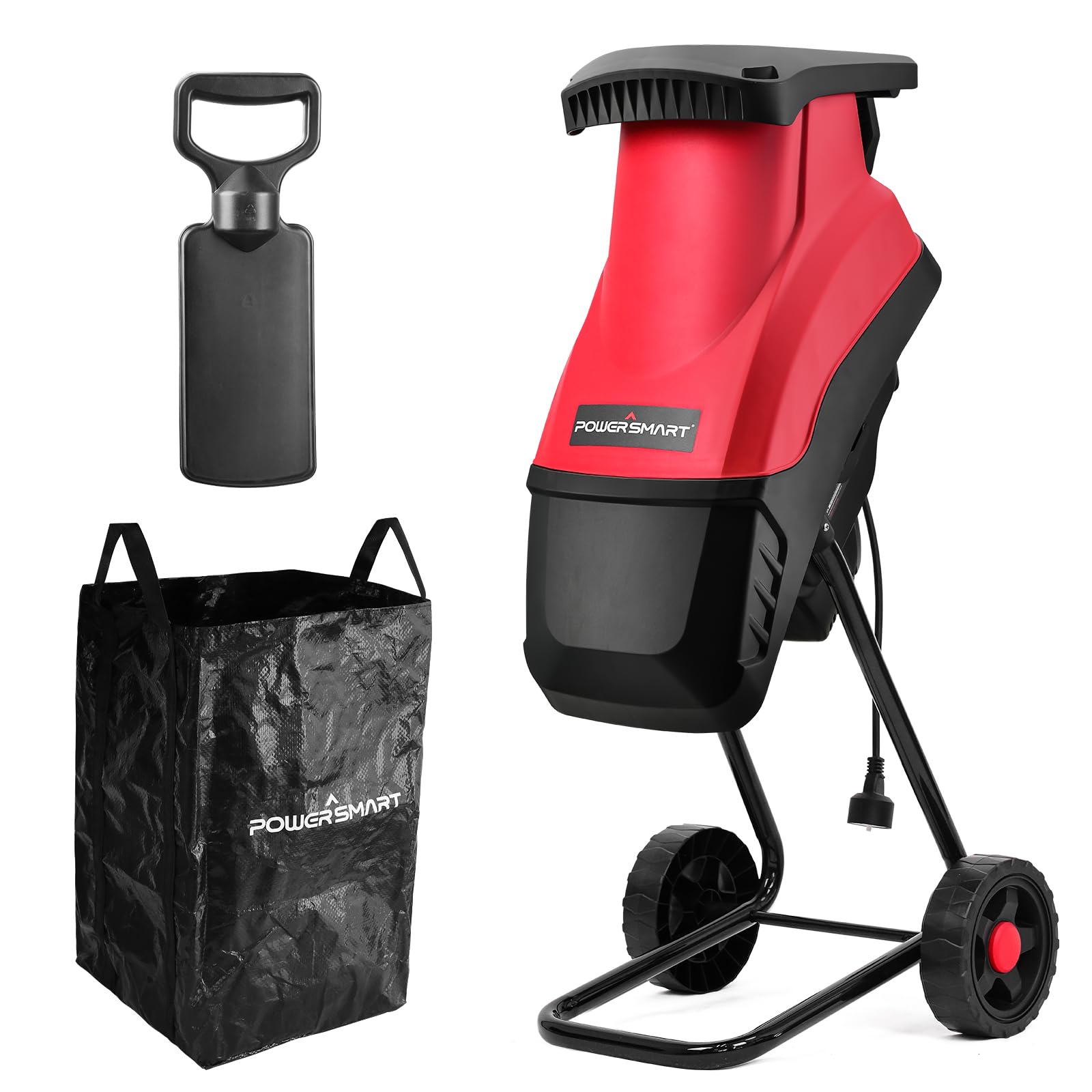
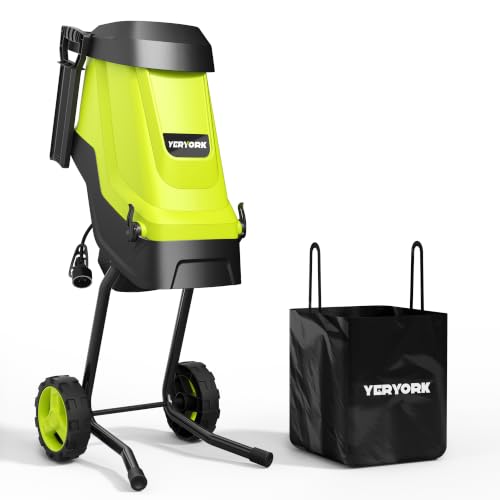
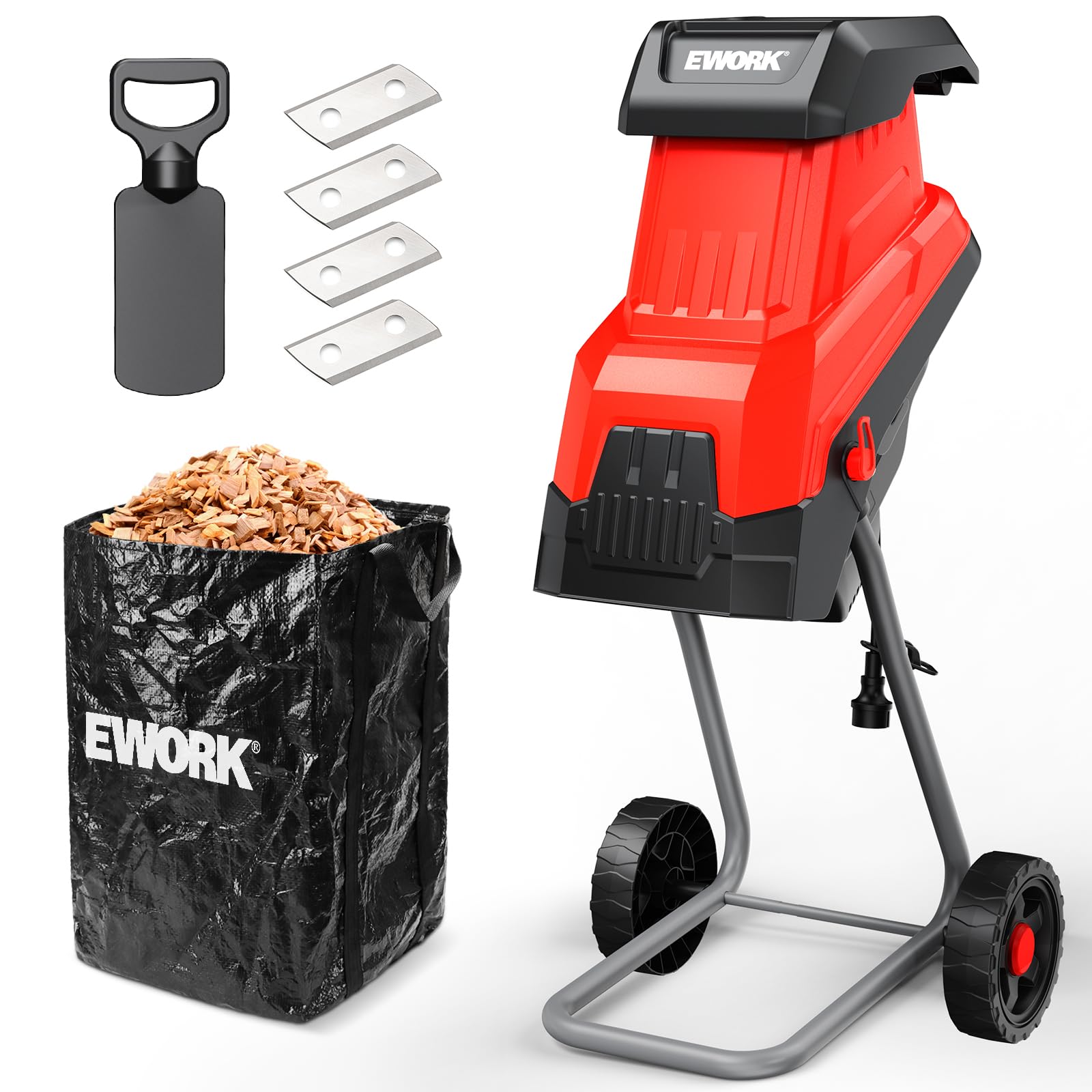
At the entry level, compact electric chippers from brands such as PowerSmart, Yeryork and EWORK sell for around $100 to $150. They handle hedge trimmings and small branches, run on a household outlet and cost almost nothing to operate. Expect a 15 amp motor, a collection bag or bin and reversible blades on many models. Build quality varies a lot in this tier, so owner feedback is worth reading before you buy.
The step between entry level and mid range is the biggest jump in price. There are very few machines between about $200 and $450, because once a maker moves to a gas engine, the frame, flywheel and wheels all have to grow with it. In practice you either buy a compact electric unit or move straight up to a 7 HP gas machine.
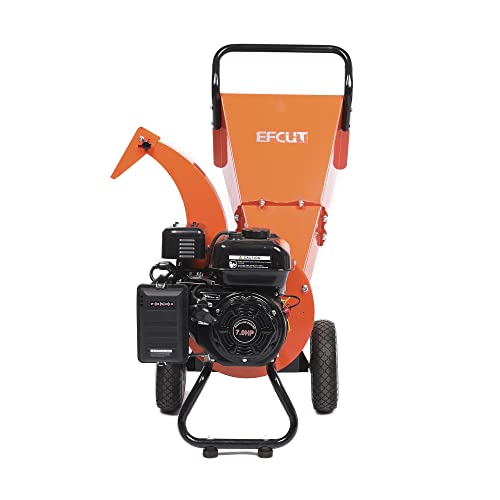
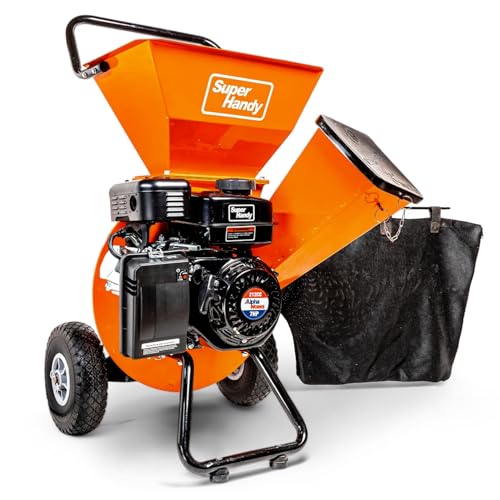
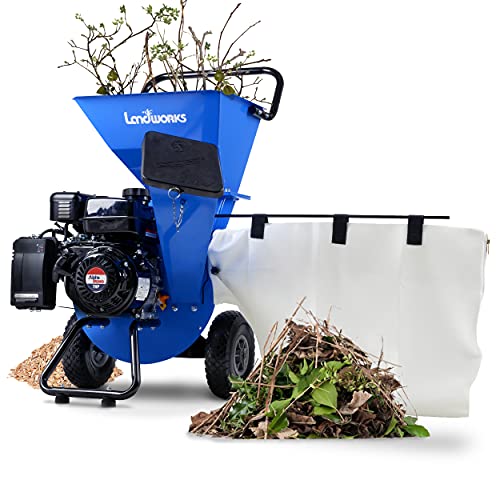
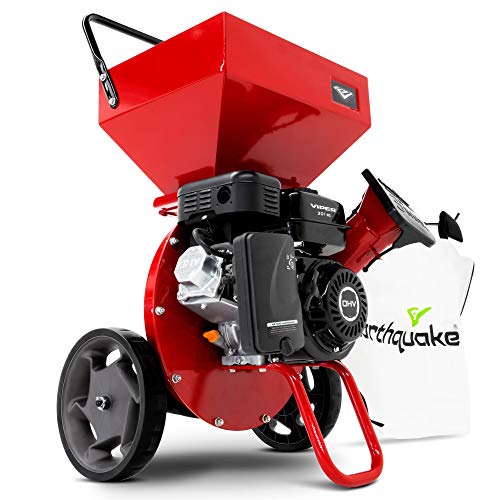
The mid range is crowded with 7 HP gas chipper shredders. Machines like the EFCUT C30 LITE, SuperHandy and Landworks three in one models sit around $570 to $700, and the EARTHQUAKE K33 with its 301cc engine sits near the top of this tier. These take three inch limbs and shred leaves through a separate hopper.
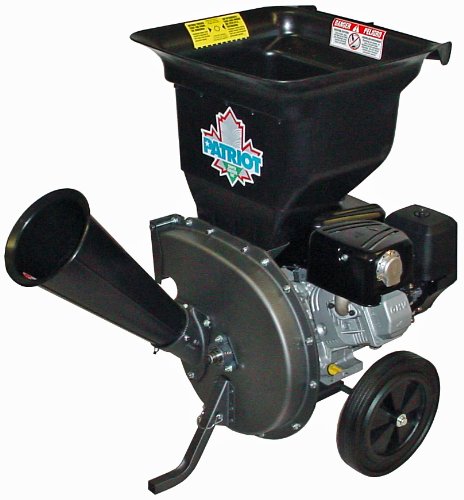
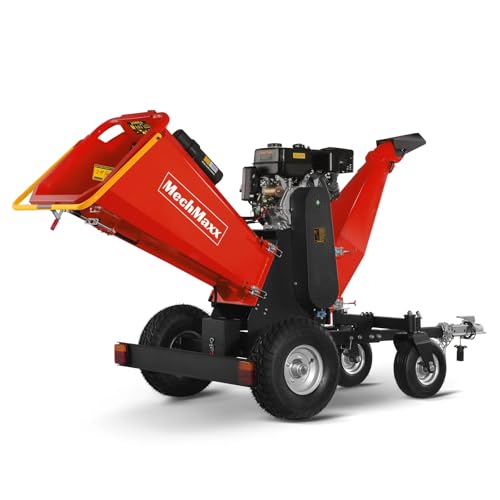
Premium machines start around $1,200. The Patriot CSV-3090B with a 10 HP Briggs engine sells for around $1,800, and MechMaxx towable chippers with a 420cc, 15 HP engine and six inch capacity run around $1,850 to $2,000. Tractor owners can also choose PTO units, which cost about the same but rely on the tractor for power.
Commercial tree service chippers with hydraulic feed and large diesel engines are a different world, often costing tens of thousands of dollars new. Homeowners almost never need one. If a job is truly that big, hiring a tree service or renting is far cheaper than owning.
What Affects the Price
Several factors push a chipper from the bargain bin into the premium tier. Understanding them helps you avoid paying for capacity you do not need, or buying too small and replacing the machine a year later.
Branch Diameter Capacity
Capacity is the biggest price driver. Each step up in branch size needs a stronger engine, a heavier flywheel, thicker blades and a sturdier frame. Electric chippers top out around 1.8 inches and stay cheap. Three inch gas machines cost roughly four to five times as much, and six inch towable units double the price again.
Measure the branches you usually cut. If almost everything is under two inches, there is no reason to pay for three or six inch capacity.
Gas vs Electric
Electric chippers are cheaper to buy and run. They need no fuel, oil or spark plugs, they start with a switch and they are much quieter. Their limits are the cord length and lower power. Gas chippers cost more upfront and need regular engine care, but they go anywhere on your property and handle thicker, harder wood. Electric start, larger fuel tanks and brand name engines all add to the price of gas models.
Chipping vs Shredding
A basic chipper only slices branches. A chipper shredder adds a top hopper with swinging hammers for leaves and soft debris, and some add a leaf vacuum kit. These three in one machines cost more because of the extra chamber and parts, but one machine covers branch cleanup and fall leaf mulching.
Reduction Ratio
The reduction ratio tells you how much the machine shrinks your yard waste. Many gas chipper shredders list 15:1, meaning about 15 bags of raw debris become one bag of chips, and some electric models advertise ratios around 21:1 for thin material. Higher ratios produce finer mulch and fewer bags to empty. Better rotors and more blades raise both the ratio and the price.
Hidden and Ongoing Costs
Budget for more than the machine. Blades wear with use, and replacement sets cost extra, especially for larger gas chippers. Many electric models use reversible blades, which roughly doubles the time between replacements.
Gas models need fresh gasoline, engine oil (often not included in the box), occasional spark plugs and air filters, plus fuel stabilizer for storage. Electric models need a heavy gauge outdoor extension cord that can carry 15 amps over the distance you need.
Safety gear is not optional. Plan for safety glasses, hearing protection and heavy work gloves. Some owners also buy a tow bar kit, a leaf vacuum kit or extra collection bags, which several brands sell separately. Finally, think about storage space, since larger chippers take up a good corner of a garage or shed.
Running costs are modest for most homeowners. An electric chipper used a few hours a year adds little to your power bill. A small gas engine sips fuel, but oil changes, a new spark plug and a fresh air filter each season add a small yearly amount. Over several years, blades are usually the largest ongoing expense, so factor them in when comparing a cheap machine with a pricier one that uses tougher steel.
Is a Cheap Wood Chipper Good Enough?
For many homeowners, yes. A 15 amp electric chipper around $100 to $150 handles hedge trimmings, pruned shrubs and small branches under about 1.8 inches. If that describes most of your yard waste, a cheap chipper will serve you well. Feed it fresh, green branches rather than dry, hard wood, keep the blades sharp and give the motor short breaks during long sessions, and it will keep up with typical suburban pruning.
Problems start when you push a small machine past its limits. Feeding thick, hard or frozen branches into a compact electric unit causes jams, overheating and dull blades. If you regularly cut limbs over two inches, live on a wooded lot or clean up after storms, a mid range gas chipper is the better value, even though it costs more upfront. Our guide to the best wood chipper for heavy duty use covers those bigger machines.
How to Save Money on a Wood Chipper
Timing helps. Outdoor power equipment often sees discounts at the end of the season in late fall and winter, and during big shopping events.
Amazon deals and lightning deals regularly include chipper shredders, so set a price alert on the model you want.
Refurbished or open box units can save a meaningful amount, as long as they come with a warranty. Bundles are worth a look too. Some sellers pair a chipper with a log splitter or a collection bag, which can cost less than buying each item separately. Finally, if you only need a chipper once a year, compare the cost of renting a larger machine for a day. Our guide on where to buy a wood chipper compares the main retailers.
Frequently Asked Questions
How much does a garden shredder cost?
So, how much does a garden shredder cost? Most electric garden shredders sell for around $100 to $170. They use a 15 amp motor and handle branches up to about 1.7 to 1.8 inches, which suits hedge trimmings and small pruning jobs. Larger gas chipper shredders with leaf hoppers start around $500.
Is it cheaper to buy a wood chipper online?
Often, yes. Online stores like Amazon carry a wider range of brands and frequently run discounts, and many chippers ship free to your door. Compare total cost including shipping and any assembly, and check return terms, since large gas machines are heavy and costly to send back.
How long does a wood chipper last?
A home wood chipper can last many years with good care. Keep the blades sharp or flip them when dull, avoid feeding material beyond the rated capacity and store the machine dry. Gas models also need regular oil changes and fresh fuel. Neglect, not age, is what usually ends a chipper's life.
Final Thoughts
So, how much does a wood chipper cost? Plan on about $100 to $170 for an electric model, $500 to $900 for a three inch gas chipper shredder and $1,200 or more for heavy duty machines, plus blades, fuel and safety gear. Buy for the branches you actually cut. To compare specific models, see our picks for the best wood chipper and the best wood chipper for trees, or read is a wood chipper worth it before you decide.


