
How Much Does a Log Splitter Cost in 2026? Real Price Ranges Explained
Disclosure: We may earn a commission when you buy through links on this page, at no extra cost to you. As an Amazon Associate I earn from qualifying purchases. Learn more

From $20 wedges to $3,700 gas machines: how much does a log splitter cost by type, what drives the price and how to save.
A log splitter costs anywhere from about $20 for a manual splitting wedge to roughly $3,700 for a big 35 ton gas machine. Most homeowners spend around $200 to $400 for a manual hydraulic or 6.5 to 7 ton electric splitter, $800 to $1,000 for a 20 ton gas splitter and $1,300 to $1,900 for a 25 to 40 ton gas model. That is the quick answer to how much does a log splitter cost, and the right tier depends on how much firewood you split and how big and tough your logs are.
The purchase price is only part of the cost, though. Hydraulic oil, engine care, wedges, covers and safety gear add to the total, and buying too small can mean buying twice. This guide covers current price ranges by type, the factors that drive cost, the hidden expenses, whether a budget splitter is good enough and smart ways to save.




How Much Does a Log Splitter Cost? Average Prices in 2026
The table below is based on what current models sell for on Amazon, rounded to keep things simple. Prices shift with sales and seasons, so treat these as planning ranges.
| Tier | Typical type | Splitting force | Price range |
|---|---|---|---|
| Manual | Wedges, kindling splitters, slide hammer splitters | Your own muscle | Around $20 to $200 |
| Entry level | Manual hydraulic or small electric | 6.5 to 12 tons | Around $200 to $400 |
| Mid range | Large electric or 20 to 22 ton gas | 16 to 22 tons | Around $750 to $1,000 |
| Premium | Towable gas, horizontal and vertical | 25 to 40 tons | Around $1,300 to $1,900 |
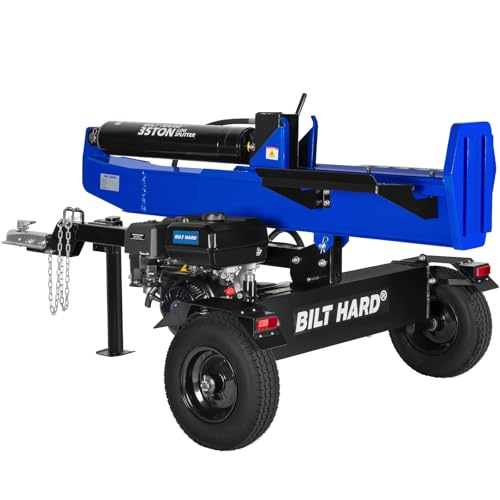
| Heavy duty | High tonnage gas with log lift and multi way wedges | 35 tons and up | Around $2,500 to $3,700 |
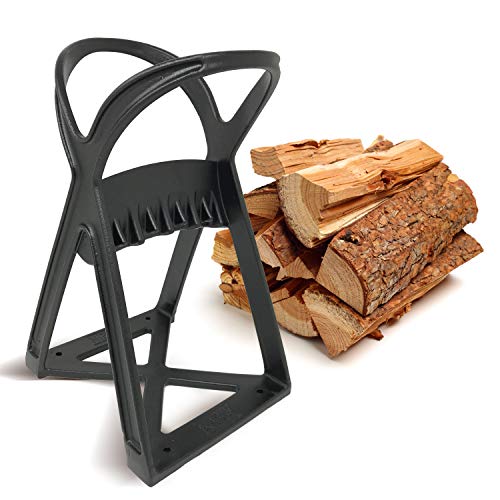
Manual options are the cheapest way in. Steel splitting wedges cost around $20 to $40, kindling splitters like the KABIN Kindle Quick sit around $50 to $60 and slide hammer splitters such as the Timber Tuff run about $65. They suit small amounts of firewood and kindling.
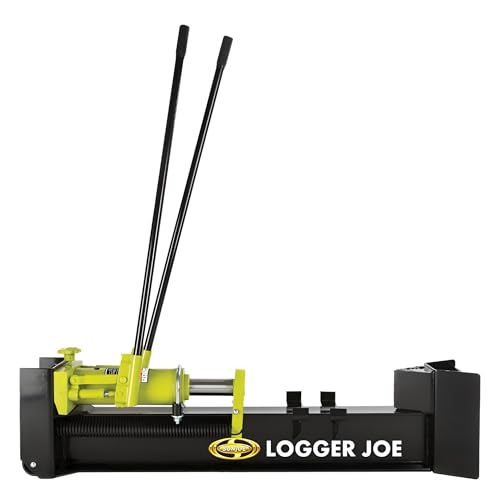
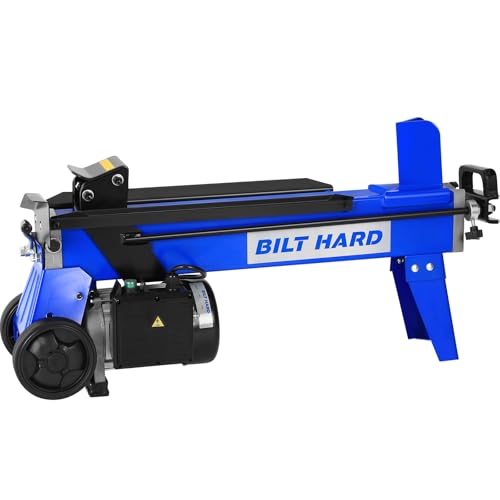
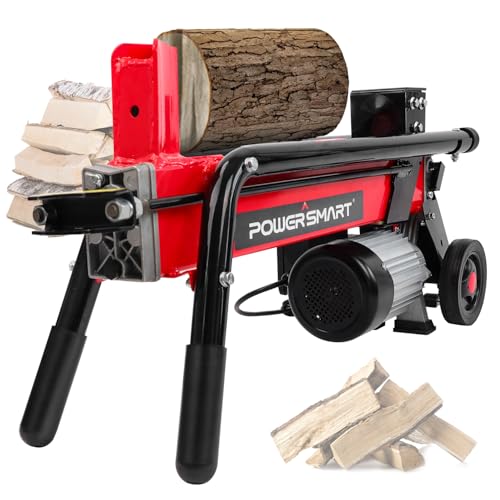
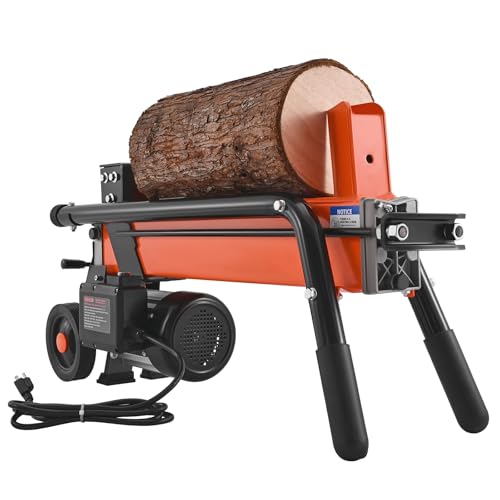
Entry level powered splitters start around $200. The Sun Joe 10 ton manual hydraulic splitter sells for around $225, while 6.5 ton electric splitters from BILT HARD, YARDMAX, PowerSmart and VEVOR cost around $320 to $380. These handle typical seasoned firewood rounds for a home fireplace or wood stove.
Mid range buyers move up to more force. A 16 ton electric splitter costs around $770, and 20 to 22 ton gas splitters from Landworks, SuperHandy and BILT HARD run about $780 to $1,000.
Premium and heavy duty machines start around $1,300 for a 25 to 27 ton towable gas splitter and climb to about $1,900 for 30 to 40 ton full beam models that work both horizontally and vertically. At the top, big 35 ton machines with hydraulic log lifts cost around $3,700.
What Affects the Price
A few specs explain most of the price gap between a $300 electric splitter and a $1,800 gas model. Match them to your wood, and you avoid overpaying.
Splitting Force (Tons)
Force, measured in tons of force, is the headline spec. Small electric units offer about 5 to 7 tons, enough for most seasoned softwood and moderate hardwood rounds. Gas splitters offer 20 to 40 tons for large, knotty or green hardwood. More tonnage needs a bigger hydraulic cylinder, pump and frame, so price rises steeply with force. Our guide on what size log splitter do I need helps you choose the right tonnage.
Electric vs Gas vs Manual
Manual tools cost the least but take the most effort. Electric splitters are quiet, need little maintenance and work in a garage, but they are limited by power and cord reach. Gas splitters cost more and need engine maintenance, but they deliver far more force, run anywhere and often tow behind a vehicle. Engine size and brand also influence the price of gas models.
Running costs differ too. An electric splitter uses a modest amount of household power and needs almost no routine care beyond checking the hydraulic fluid. A gas splitter burns fuel and needs oil changes and seasonal engine care, which adds a small but steady yearly cost. Manual tools cost nothing to run, but your time and effort are the real price, and that adds up quickly if you split a lot of wood.
Log Length and Diameter Capacity
Every wood splitter has a maximum log length and a practical diameter limit. Compact electric models typically take logs up to about 20 inches long, while full beam gas splitters handle longer and wider rounds. Horizontal and vertical operation, which lets you split huge rounds without lifting them onto the beam, adds to the cost.
Cycle Time
Cycle time is how long the ram takes to split and return. Faster cycles mean more wood per hour. Gas splitters with two stage pumps and auto return valves cycle quickly, often in the range of several seconds to a dozen or so. Electric splitters are usually slower. Faster pumps and auto return features cost more but save time if you split several cords a year.
Build quality sits behind all of these specs. Thicker steel beams, stronger welds, better pumps and quality valves raise the price but also the lifespan. A heavier frame stays steady when a stubborn log finally gives, and a reputable pump keeps pressure consistent over years of use. When two splitters list the same tonnage at very different prices, these details usually explain the gap.
Hidden and Ongoing Costs
Plan for more than the sticker price. Hydraulic splitters need hydraulic fluid, and some ship without it, so check before you buy. Fluid and filters need changing over time, according to the manual.
Gas splitters also need engine oil, fresh fuel, fuel stabilizer, spark plugs and air filters. A trailer hitch, ball mount or the right hitch size may be needed to tow larger models. Many owners add a weather resistant cover, which costs around $30 to $45, to protect the splitter when it sits outside.
Safety gear is essential: safety glasses, sturdy gloves and steel toe boots. Some owners add a four way wedge for faster splitting, a log cradle or a stand to raise an electric splitter to waist height. Over the years, replacement seals and hydraulic parts may be needed on heavily used machines.
Do not forget delivery and setup. Large gas splitters are heavy and may arrive partly assembled, so you may need a helper or a few hours of work to bolt on the wheels, beam and controls. Factor in storage space as well. A towable splitter needs a corner of the garage, a shed or at least a covered spot outdoors.
Is a Cheap Log Splitter Good Enough?
For many homeowners, yes. If you burn a cord or two of seasoned firewood a year and your rounds are mostly under about 10 inches across, a 6.5 to 7 ton electric splitter around $320 to $380 is often plenty. It is quiet, easy to store and much faster than swinging a maul.
Cheap splitters struggle with large, knotty, twisted or green hardwood such as oak, elm and hickory. Forcing those logs stalls the ram and wears the machine. If you heat your home with wood, process logs from your own land or split several cords a year, a 20 ton or larger gas splitter is the better value over time. See our guides to the best log splitter for homeowners and the best log splitter for heavy duty use for both ends of the range.
How to Save Money on a Log Splitter
Buy off season. Demand peaks in fall and early winter, so late winter through summer is often the best time to find discounts. Watch for Amazon deals and lightning deals on popular splitters and set price alerts on the model you want.
Refurbished or open box splitters can save a good amount, as long as they include a warranty. Bundles can help too, for example a splitter packaged with a chipper or a cover. If you only split wood once a year, compare the cost of renting a gas splitter for a weekend, or share a purchase with a neighbor. Finally, avoid paying for more tonnage than your wood needs.
It also pays to think about total cost over several years rather than the price on day one. A slightly pricier splitter with a sturdier beam, a reliable pump and good parts availability often costs less in the long run than a bargain model that stalls on tough rounds or needs repairs after a couple of seasons.
Frequently Asked Questions
Is it cheaper to buy a log splitter online?
Often, yes. Online retailers like Amazon carry a wide range of brands, frequently run discounts and ship heavy items to your door. Compare total cost, including shipping, hydraulic fluid and any assembly, and check return terms, since returning a heavy gas splitter can be costly.
How long does a log splitter last?
A well maintained log splitter can last many years, often decades for a solid gas model. Keep hydraulic fluid at the right level and clean, maintain the engine, grease moving parts, store it covered and avoid forcing logs beyond its capacity. Electric models last a long time when kept dry and used within their limits.
Final Thoughts
So, how much does a log splitter cost? Expect about $20 to $200 for manual tools, $200 to $400 for manual hydraulic and small electric splitters, $750 to $1,000 for 16 to 22 ton models and $1,300 or more for big gas machines, plus fluid, fuel and safety gear. Buy for the wood you actually split. To compare specific models, see our picks for the best log splitter, or read is a log splitter worth it before you decide.


