Is a Wood Chipper Worth It? Honest Pros, Cons and Verdict (2026)
Disclosure: We may earn a commission when you buy through links on this page, at no extra cost to you. As an Amazon Associate I earn from qualifying purchases. Learn more
Is a wood chipper worth it? Price tiers, real benefits, drawbacks, ownership costs and cheaper alternatives for homeowners.
For most homeowners with a wooded lot, regular storm cleanup or a steady stream of pruned branches, yes, a wood chipper pays for itself in saved hauling fees, free mulch and hours of dragging brush to the curb. For a small yard that produces a few branches a year, it usually does not, and renting one for a day makes more sense. So is a wood chipper worth it for you? The answer depends on how much yard waste you create, what size branches you cut and how much storage space you can spare.
Below, you will find what different budgets actually buy, the real benefits and drawbacks, the cost of owning one over several seasons and the cheaper alternatives worth comparing before you spend a dollar.
What You Get for the Money
Wood chippers fall into three broad price bands, and each one handles a very different workload. Knowing where you fit keeps you from overspending on capacity you will never use, or underspending on a machine that jams on your first oak limb.
- Electric chipper shredders (around $100 to $150): 15 amp corded models that take branches up to roughly 1.5 to 1.8 inches thick. They are light, quiet compared with gas, and ideal for pruning waste, small limbs and garden debris.
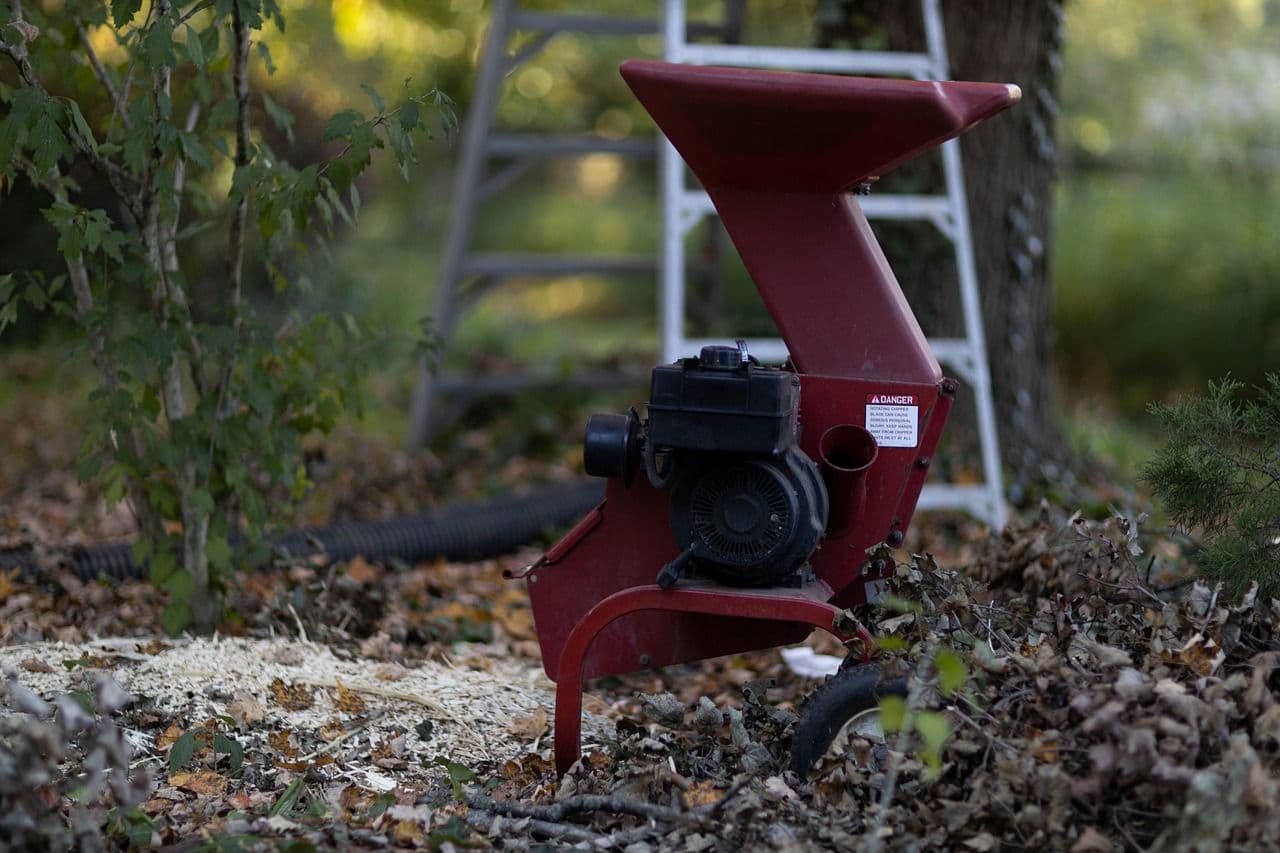
- Gas chipper shredders (around $550 to $700): 7 HP class machines with about a 3 inch branch capacity, a separate shredder hopper for leaves and wheels for towing around the property.
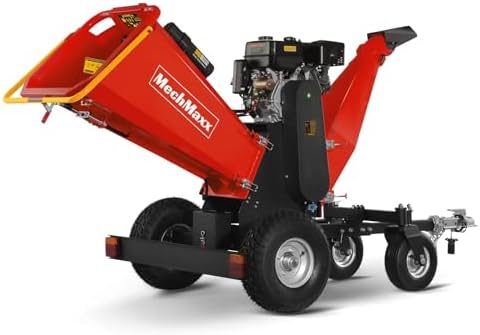
- Large gas and tow behind chippers (around $1,800 to $2,500): engines in the 420cc range and openings near 6 inches, built for acreage, fallen trees and serious land clearing.
The jump between tiers is mostly about branch capacity and power. A higher reduction ratio also matters, since it tells you how many bags of raw yard waste shrink down to one bag of finished mulch.
Benefits of Owning a Wood Chipper
The biggest payoff is turning a messy brush pile into something useful. Chipped branches become free mulch for flower beds, paths and around trees, which saves you from buying bagged mulch every spring. Over a few seasons, that alone can cover the price of an electric model.
A chipper also cuts the volume of yard waste dramatically. Instead of dragging dozens of branches to the curb or paying a hauling service, you end up with a few compact bags or a neat pile you can spread right away. Many towns limit how much brush they collect, so shrinking it at home avoids extra fees and long waits.
There is a time benefit, too. Cutting branches into short lengths so they fit yard waste bags is slow work. A chipper lets you feed limbs whole, up to its rated capacity, and finish a cleanup in an afternoon.
Finally, ownership means flexibility. After a windstorm, you can clear the yard the same day rather than waiting for a rental to become available, and you can chip a little at a time as you prune through the season.
Drawbacks to Consider
A wood chipper is a single purpose tool, and it takes up space. Even a compact electric unit needs a corner of the garage or shed, while gas models with wheels and hoppers need noticeably more room.
Capacity limits are real. An electric chipper shredder rated for about 1.5 inches will struggle or jam on anything thicker, and hardwood or green wet branches can slow it down. Buyers who expect a small machine to eat logs end up frustrated.
Noise and safety are also part of the deal. Gas chippers are loud enough to require hearing protection, and every chipper demands eye protection, gloves and close attention to loose clothing near the feed chute.
Then there is upkeep. Blades dull over time, gas engines need oil changes and fresh fuel, and a chipper that sits unused for most of the year still needs care before each season.
Who Should Buy One (and Who Should Skip It)
A chipper makes sense if you have mature trees, a large lot, frequent storms, or a garden that produces a steady supply of prunings. It is also a smart buy if you already purchase mulch every year, since you can make your own. That is the core of why buy a wood chipper: it replaces recurring hauling and mulch costs with a one time purchase.
The same logic explains why buy a garden shredder for smaller properties. A compact electric model handles hedge clippings, shrub trimmings and thin branches, which covers most suburban yards.
You can probably skip ownership if you only clear brush once a year, live in a small home with no storage, or mostly deal with leaves rather than branches. In those cases, renting, hiring a tree service or using your town's yard waste pickup will cost less.
Cost of Ownership Over Time
The sticker price is only part of the picture. Blades and knives are the main wear parts, and they need sharpening or replacing after heavy use. Electric models draw power from the outlet, which costs little per session, but you may need a heavy gauge outdoor extension cord.
Gas models add fuel, engine oil, spark plugs and air filters, plus the occasional carburetor cleaning if fuel sits too long. Storage matters as well: a chipper kept dry and covered lasts far longer than one left outside.
Spread over five or more seasons, a well maintained electric chipper often costs less per year than a couple of tree service visits, while a large gas unit only pays off when you use it often.
Alternatives Worth Considering
If the numbers do not add up, you still have options. Many equipment rental shops offer chippers by the day, which is ideal for a one time cleanup. Some towns run free brush pickup or drop off sites that turn yard waste into community mulch. A tree service can chip and haul everything after big jobs. For light pruning waste, a sturdy pair of loppers plus yard waste bags may be all you need, and leaves can go straight into a compost pile or under the mower.
Our Verdict: Is a Wood Chipper Worth It?
For homeowners who prune often, deal with storm debris or use a lot of mulch, owning a chipper is a sound investment. Choose an electric model for branches under about 1.5 inches, and step up to gas only if you regularly handle thicker limbs. Occasional users will save money by renting instead.
Frequently Asked Questions
Is a garden shredder worth it?
Yes, if you produce a steady supply of prunings, hedge clippings or small branches. Is a garden shredder worth it for a tiny yard with a few shrubs? Probably not, because bagging that waste is quick and cheap. For mid size gardens, though, the free mulch and smaller waste volume make it a practical buy.
Can a wood chipper handle leaves?
Many chipper shredders can, especially gas models with a separate shredder hopper. Dry leaves shred easily, while wet leaves tend to clog. So is a garden shredder worth buying for a yard that is mostly leaves? Usually not, since a leaf mulcher or a mulching mower does that job better.
How long does a wood chipper last?
With basic care, a home wood chipper commonly lasts many seasons. Keeping the blades sharp, never forcing branches above the rated capacity, storing the machine dry and, for gas models, changing the oil and using fresh fuel all extend its life. Neglect and overloading are the most common reasons chippers fail early.
What safety gear do I need to run a wood chipper?
Wear safety glasses or a face shield, hearing protection, sturdy work gloves and closed shoes. Avoid loose sleeves, scarves and jewelry near the feed chute, and use a push stick for short pieces. When you ask is a wood chipper worth buying, include this gear in the budget.
What is the best wood chipper to buy?
It depends on the branch size you cut most often. A 15 amp electric model suits light pruning, while a 7 HP gas chipper shredder handles branches up to around 3 inches. For acreage, look at larger gas units. Our guide to the best wood chipper for heavy duty use covers the bigger machines.
Final Thoughts
So, is a wood chipper worth it? For regular pruning, storm cleanup and homemade mulch, it usually is. Before you buy, check how much does a wood chipper cost in each tier and where to buy a wood chipper at a fair price. Then compare our picks for the best wood chipper and the best wood chipper for trees to find the right fit.