How Long Does a Chainsaw Last? How to Make It Last Longer
Disclosure: We may earn a commission when you buy through links on this page, at no extra cost to you. As an Amazon Associate I earn from qualifying purchases. Learn more

How long does a chainsaw last, gas or cordless? Typical lifespans, what wears out first, warning signs and care habits that add years.
With regular care, a homeowner chainsaw often lasts around 5 to 10 years of occasional use, and well maintained professional grade saws can run far longer. Chains, bars, spark plugs and batteries wear out along the way, but replacing them on time keeps the saw itself working for many seasons.
So how long does a chainsaw last in real life? It depends mostly on how often you cut, what you cut, the type of saw and how well you look after it. This guide covers typical lifespans for gas and cordless saws, the factors that shorten them, warning signs of trouble, simple maintenance habits and how to decide whether to repair or replace an aging saw.

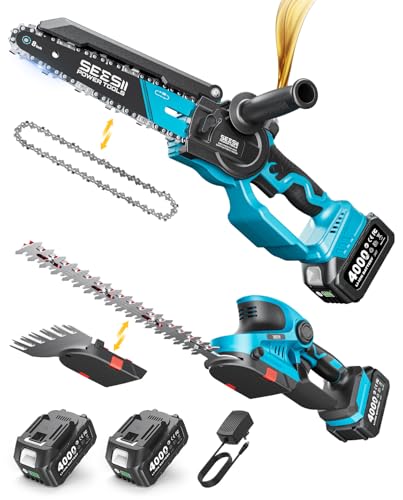
How Long Does a Chainsaw Last on Average?
A chainsaw is a set of parts that wear at different speeds, so it helps to think about each one separately. As a rough guide for typical home use:
- Gas chainsaw engine and body: many homeowner saws give 5 to 10 years of occasional use, while professional grade saws are built for far more running hours.
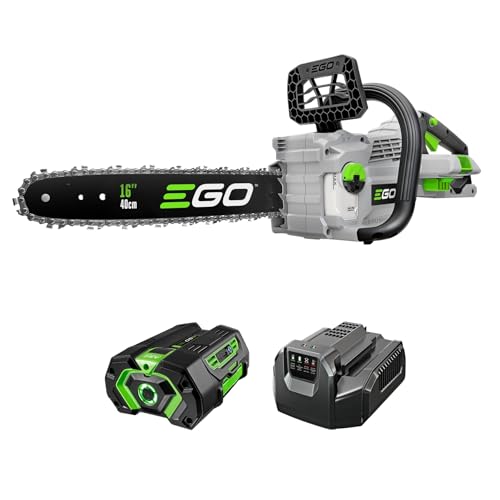
- Cordless chainsaw tool: brushless motors and simple drivetrains often last many years with light to moderate use.
- Batteries: usually the first part of a cordless system to fade, slowly losing runtime after a few years of regular charging.
- Chains: can be sharpened many times, then replaced when teeth are worn short or damaged.
- Guide bars: typically outlast several chains when flipped and dressed regularly.
- Spark plugs, air filters and fuel lines (gas): routine wear items replaced every season or two.
These figures vary widely. A saw that cuts a few small limbs each spring may last decades, while one used to process cords of firewood every winter will need more frequent repairs and earlier replacement.
Gas and cordless saws also age differently. A gas saw has a carburetor, fuel system, ignition and a two stroke engine that all need attention, so its life depends heavily on fuel habits and tune ups. A cordless saw has far fewer wearing parts in the tool itself, but its battery has a limited number of charge cycles. Electric corded saws sit in between, with simple motors that last well as long as the cord and switch stay in good shape.
Factors That Affect How Long It Lasts
Several conditions decide whether your saw reaches the long end of its life or fails early.
- How often and how hard you cut: long sessions in hardwood or large logs put far more strain on the engine, bar and chain than light pruning.
- Saw class and build quality: professional saws use sturdier parts and are designed for heavy daily use, while light homeowner models suit occasional work.
- Chain sharpness: a dull chain forces the saw to work harder, heating the engine or motor and wearing the bar.
- Lubrication: running low on bar and chain oil quickly damages the chain, bar and sprocket.
- Fuel quality (gas): stale fuel or the wrong oil mix gums up carburetors and can damage the engine.
- Air filter care (gas): a clogged filter starves the engine of air and lets dust inside.
- Battery care (cordless): storing batteries fully drained, very hot or very cold shortens their life.
- Cutting technique: hitting dirt, rocks or nails dulls chains and can damage bars and sprockets.
Storage matters too. A saw left damp in an unheated shed rusts faster, and a gas saw stored with fuel in the tank over winter is far more likely to have starting trouble in spring.
Finally, matching the saw to the job protects it. Forcing a light, short bar saw through large logs overloads the engine and chain, while a properly sized saw cuts cleanly without strain. If most of your work is pruning, a smaller saw that is easy to handle often lasts longer than an oversized one you struggle to control.
Signs Your Chainsaw Needs Repair or Replacement
Most chainsaw problems show early warning signs. Watch for these during and after cutting.
- Hard starting or stalling on a gas saw, often from old fuel, a dirty carburetor, a worn spark plug or a clogged filter.
- Loss of power or bogging down in cuts that used to be easy.
- Smoke from the cut or crooked cuts, usually a dull or unevenly sharpened chain or a worn bar.
- Chain not getting oil, shown by a dry chain and bar or no oil spray when revving over light wood.
- Excessive vibration or unusual noise, which can point to loose parts, a worn sprocket or engine trouble.
- Chain brake or safety features not working properly. Stop using the saw until these are repaired.
- Short runtime on cordless saws, a sign the battery is wearing out.
Many of these issues are simple fixes. A cracked housing, a failing engine or broken safety features on an older, inexpensive saw may be a sign to replace it instead.
How to Make Your Chainsaw Last Longer
A few minutes of care after each use adds years to a chainsaw. These habits cover the parts that wear fastest.
Clean after every use
Brush sawdust and chips from the bar, chain, sprocket cover and cooling fins. Clear the oil port and the bar groove so oil can reach the chain. On cordless saws, wipe the body and keep vents clear. Never use a pressure washer, which can force water into the engine or motor.
Inspect the chain and bar
Check chain tension before each use and adjust it as the chain warms and stretches. Look for chipped or uneven teeth, and inspect the bar for burrs, wear on the rails and a damaged tip. Flip the bar regularly so it wears evenly.
Sharpen or replace cutting parts
Sharpen the chain whenever it starts producing fine dust instead of chips, or when you need to push the saw into the cut. A round file and guide make touch ups easy in the field. Replace the chain when the teeth are worn short, and replace the drive sprocket when it shows grooves.
Air filter, spark plug and fuel care (gas)
Clean the air filter often, especially in dusty conditions, and replace it when it is worn. Check the spark plug each season. Use fresh fuel mixed at the ratio in your manual, add stabilizer if it will sit, and run the saw dry or drain the tank before long storage.
Before putting a gas saw away for the season, also clean the cooling fins and muffler screen, check the starter rope for fraying, and store the saw with the bar cover fitted in a dry place. A little attention at the end of the season saves a frustrating start the next time you need it.
For cordless saws, the equivalent is battery care. Store batteries indoors at moderate temperatures, avoid leaving them fully drained for long periods, and keep contacts clean. Keep the chain oil topped up on every type of saw.
Repair or Replace?
Most chainsaw problems are worth repairing, especially on mid range and professional saws. Chains, bars, sprockets, spark plugs, filters, fuel lines and carburetor kits are affordable, and a tune up often restores a tired saw. Replacement makes more sense when a repair costs close to the price of a new saw, when the engine has major internal damage, when safety features cannot be fixed, or when your needs have changed, such as moving from occasional pruning to cutting firewood. If you are unsure what size fits your work, our guide on what size chainsaw do I need can help.
Frequently Asked Questions
How long does a cordless chainsaw last?
The saw itself often lasts many years, since brushless motors have few wearing parts. The battery is the limiting factor and gradually loses capacity. If you wonder how long does a cordless chainsaw last on one charge, that depends on battery size and wood type, but expect less runtime as the battery ages.
Is it worth repairing an old chainsaw?
Usually, yes, if the engine or motor runs well. New chains, bars, filters, plugs and a carburetor cleaning are inexpensive and can make an old saw feel new. If the repair estimate approaches the cost of a new saw, or safety features are failing, replacement is the better choice.
What brand of chainsaw lasts the longest?
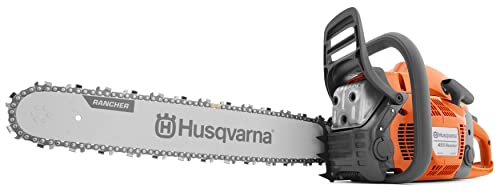
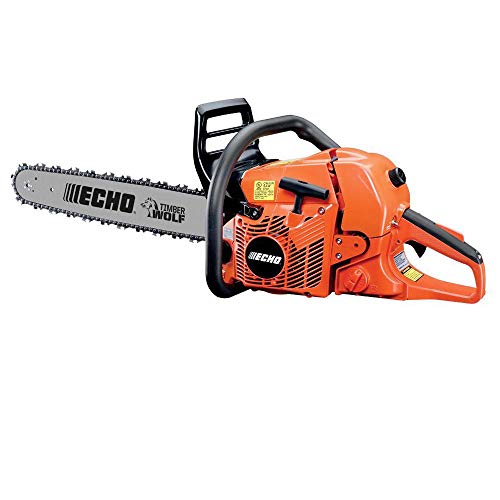
Care matters more than the badge. That said, established outdoor power brands with professional lines and wide dealer parts support, such as Husqvarna, Stihl and Echo, make long term repairs easier. Choose a saw sized for your work and maintain it well.
Final Thoughts
How long does a chainsaw last? With sharp chains, clean filters, fresh fuel or well kept batteries and regular cleaning, most saws give many years of service. Ready for a new one? See our picks for the best chainsaw, the best chainsaw for homeowners and the best chainsaw for trees, and check how much does a chainsaw cost to plan your budget.